
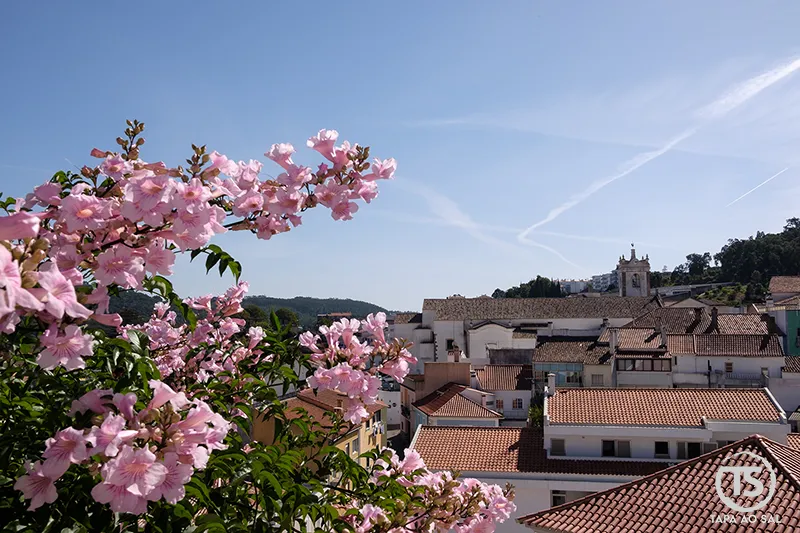

The mountains rise like a secret garden in the heart of the Algarve. Between the sweet scent of medronho and the green that blankets the hills, Monchique holds a freshness that is hard to imagine when, just a few kilometres away, the beaches burn under the sun.
The wind carries the sounds of hidden water, streams, fountains, small waterfalls running between chestnut trees and cork oaks. It is this contrast that turns the mountains into a refuge, a promise of fresh air and open horizons.
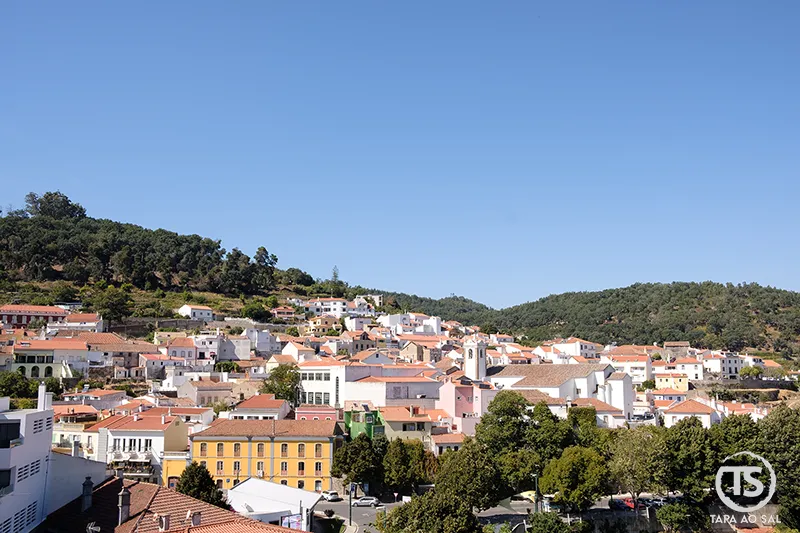
Exploring things to do in Monchique about discovering more than landscapes. It is about feeling time slow down in the narrow streets of the village, following trails that lead to viewpoints where the whole Algarve reveals itself, or resting in the mineral waters of the Caldas that have attracted travellers for centuries.
Every step among the hills offers a surprise: a silent village, a forgotten ruin, an old windmill, a wooden table where bread and traditional mountain cured meats are still served.
This guide follows that path: from the mountains to the village, from waterfalls to restaurants, from mountain hamlets to the extensions that connect Monchique to Silves, Lagos or Aljezur. A practical route, but also narrated through the eyes of those who walked it, so that each reader may find here not only places to mark on the map, but also an atmosphere that invites a return.
Where Monchique is and how to reach the Monchique mountains
Monchique lies hidden in the mountainous heart of the Algarve, as if it wished to protect itself from the bustle of the nearby beaches. The mountain range that gives it its name rises to the 902 metres of Fóia and spreads across green slopes where the light shifts with every bend in the road.
From Faro it is around 85 kilometres to reach here; from Portimão just over 25; and from Lagos a little more than half an hour by road. Yet time is not measured only in distance. The journey begins to take shape when the road starts to wind through pine forests, eucalyptus groves and medronho trees, suddenly opening into viewpoints that reveal the entire western Algarve.
Renting a car to explore Monchique and the Algarve mountains
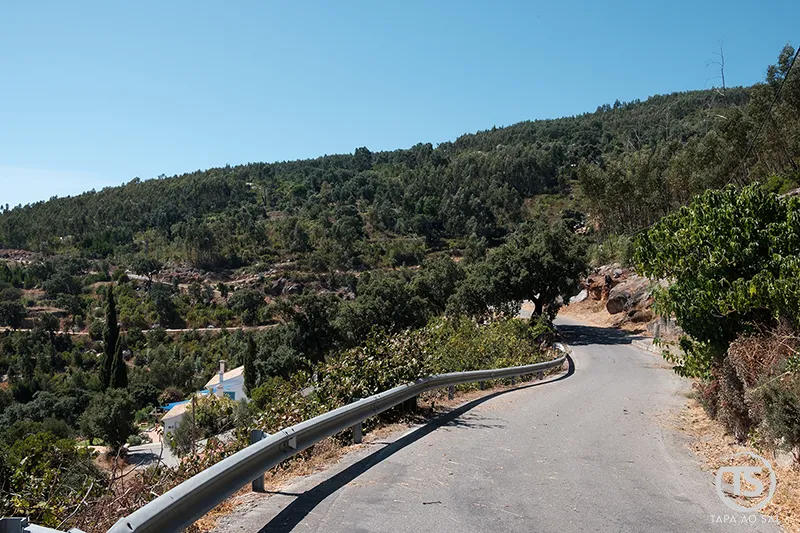
The most practical way to visit Monchique is by car: the freedom to stop at every curve or follow the road to a hidden waterfall easily makes up for the extra kilometres.
You can reserve a vehicle through DiscoverCars and enjoy greater flexibility to combine Monchique with other stops such as Silves, Lagos or even the Costa Vicentina.
There are also buses linking the main Algarve cities to the village, although with limited timetables. For those who prefer to leave the driving to others, organised excursions are available that bring together the best of the mountains and the region’s cultural heritage, such as the Half-day Monchique Tour or the Full Day Monchique.
Arriving is only the beginning: the true charm reveals itself when you enter the mountains slowly, letting the curves guide you into the silence of the valleys, the murmur of the springs and the first narrow streets of the village, where the journey begins to turn into discovery.
Interactive map of Monchique and its main attractions
To make your visit easier, we have prepared an interactive map bringing together the main points of interest in the region: the historic centre, the mountain viewpoints, the waterfalls and the Caldas de Monchique.
With it, it becomes simpler to plan walking routes through the village, decide on a driving itinerary through the mountains or extend your stay to explore nearby villages.
Just click the upper-right corner of the map to open it in full screen and save your favourite places, turning this guide into a true travel companion.
Things to do in Monchique village — streets, traditions and heritage
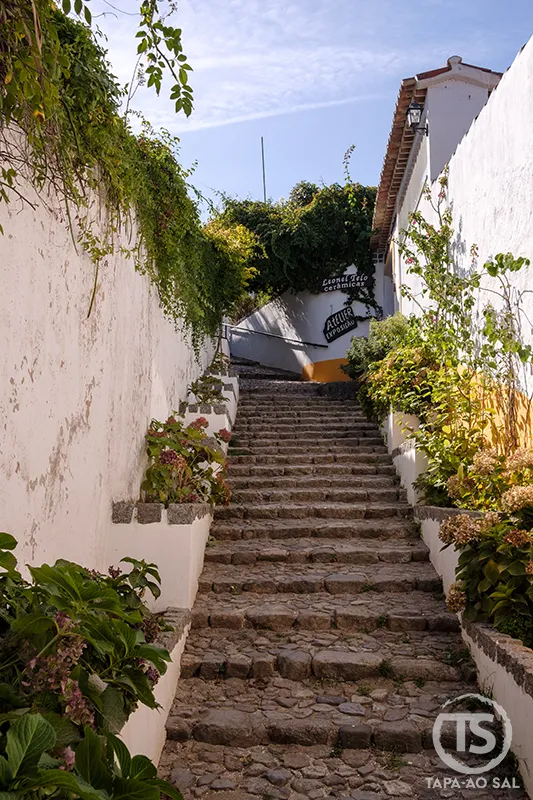
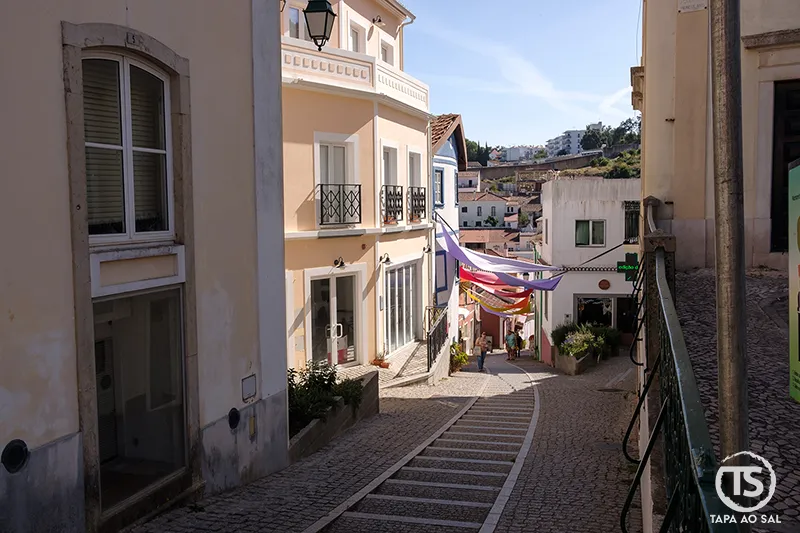
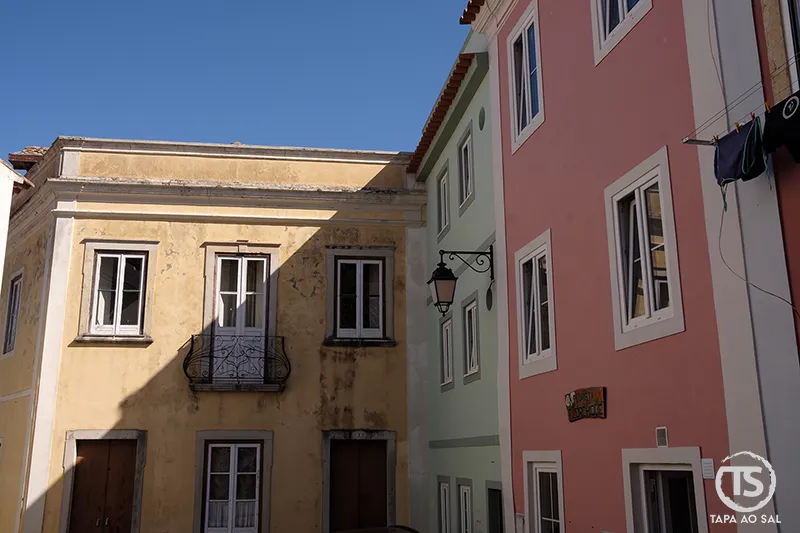
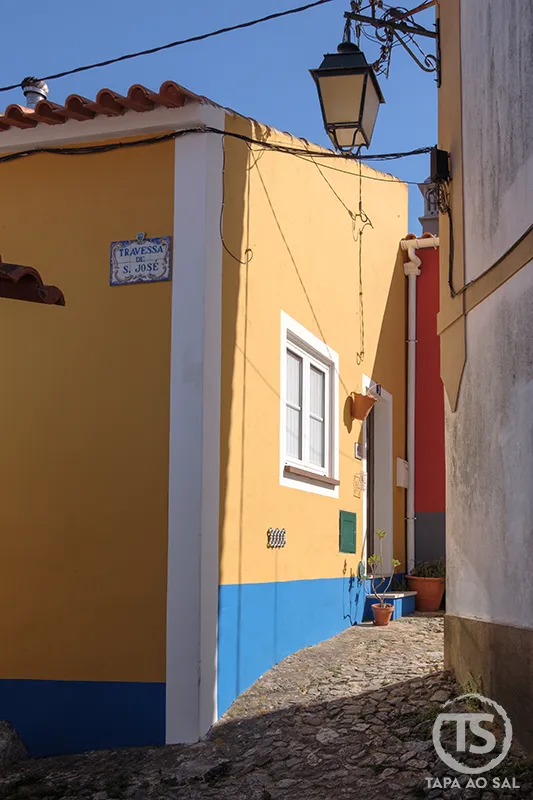
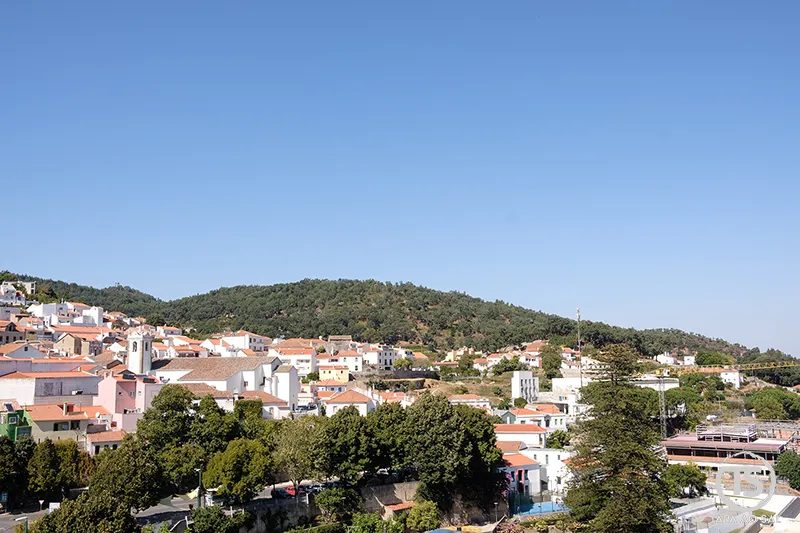
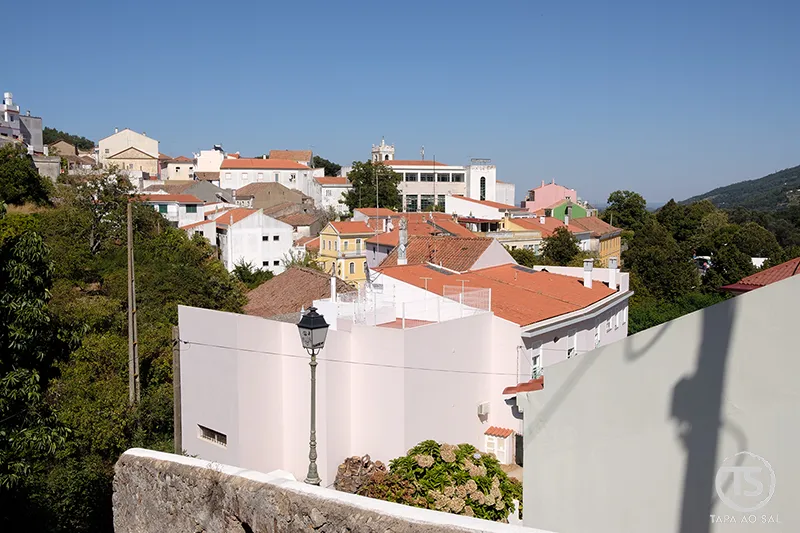
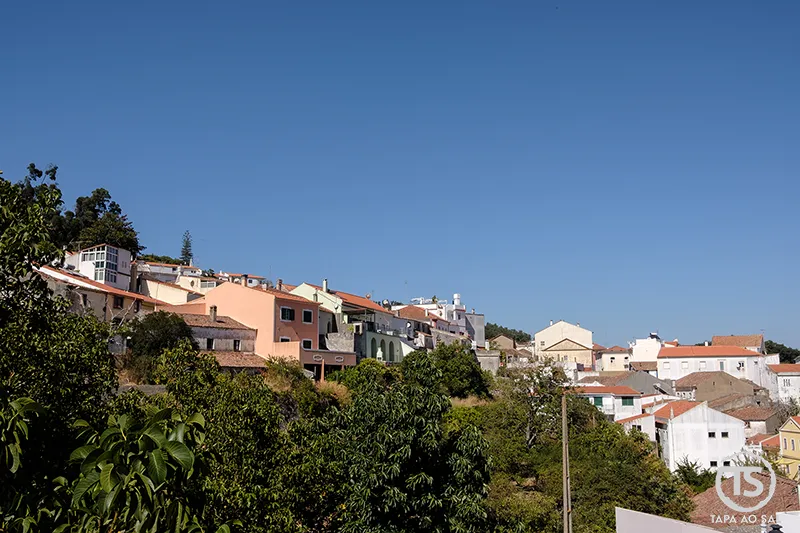
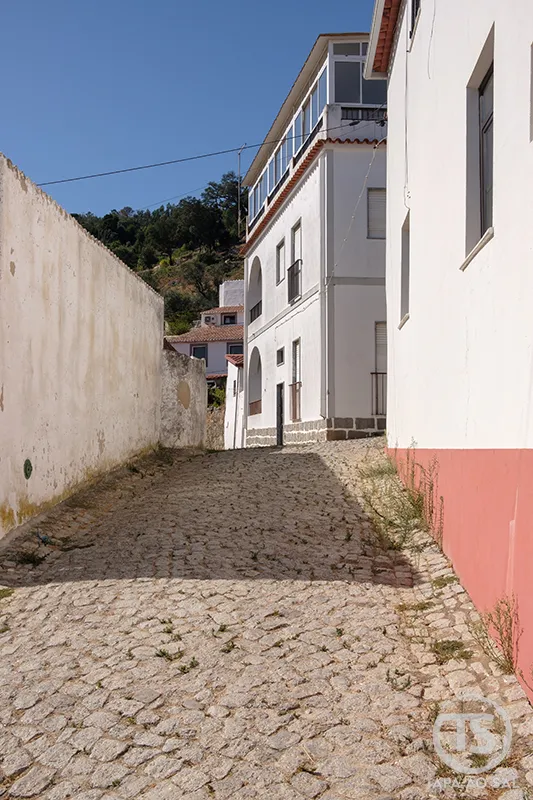
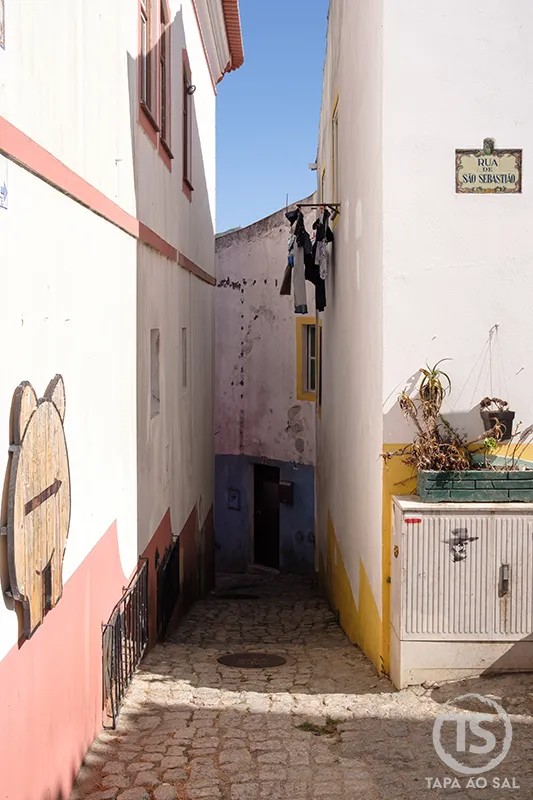
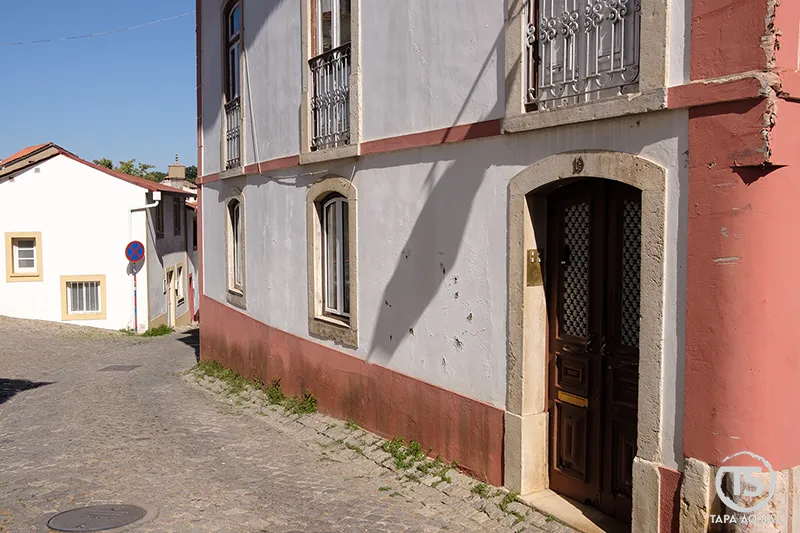
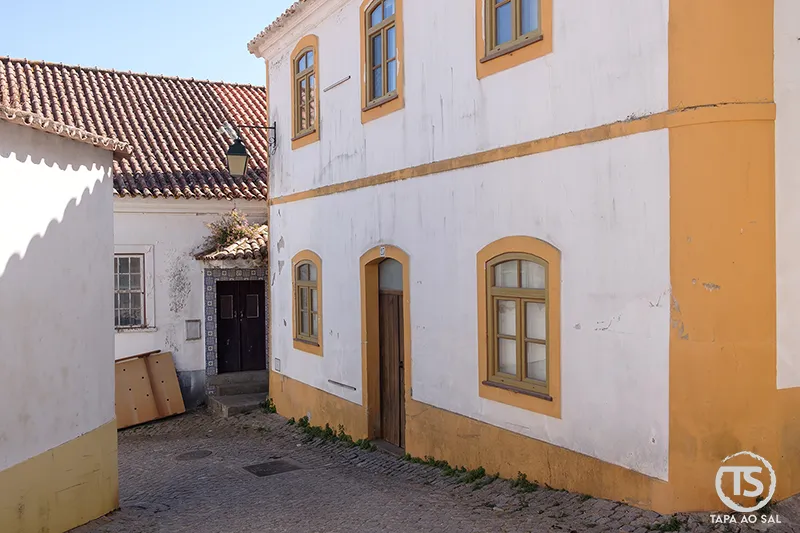
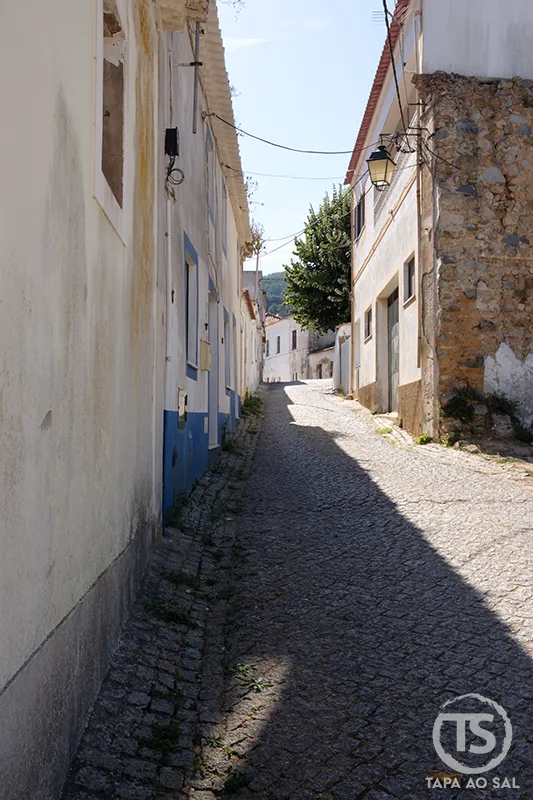
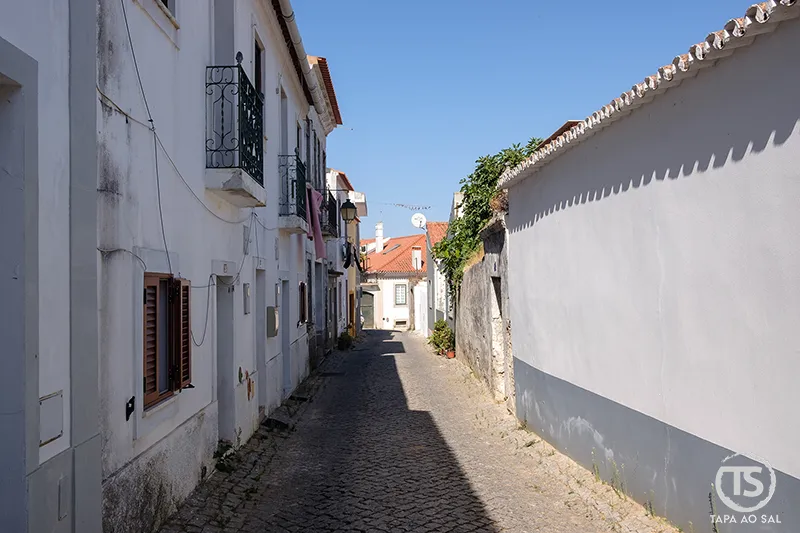
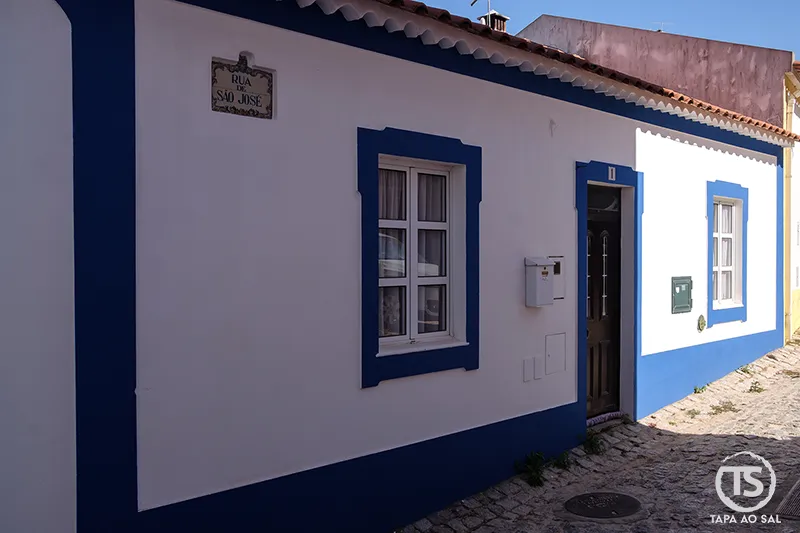
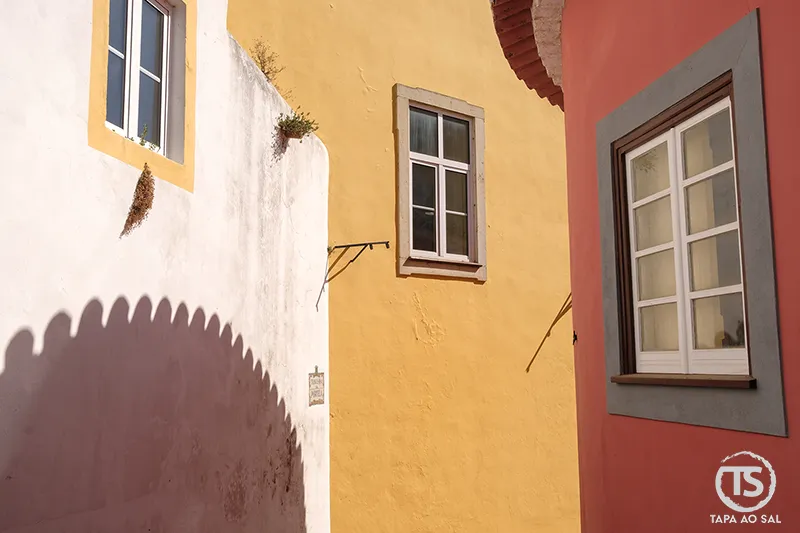
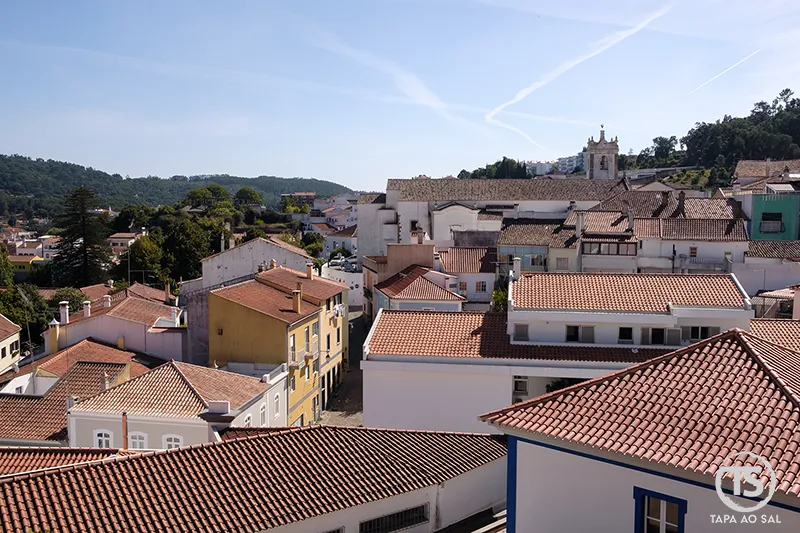
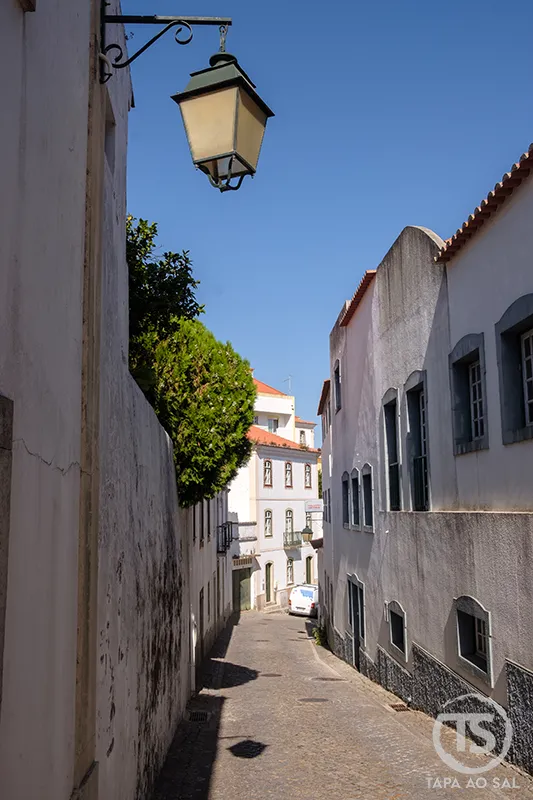
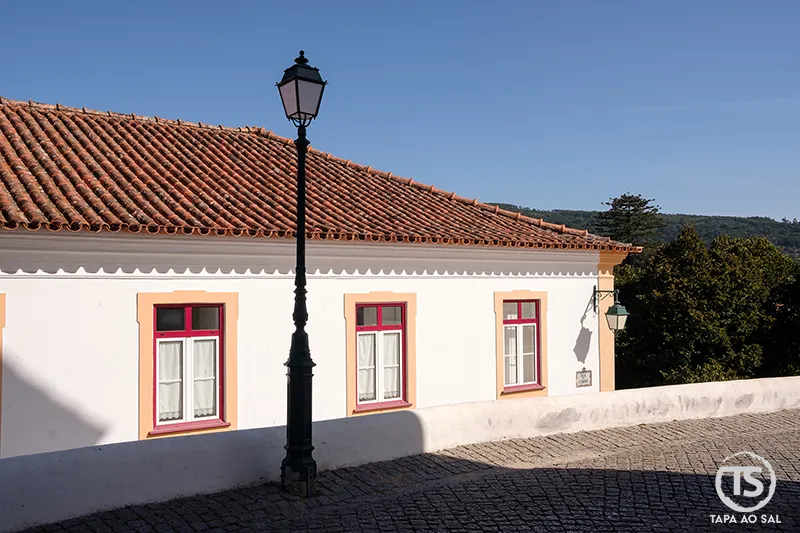
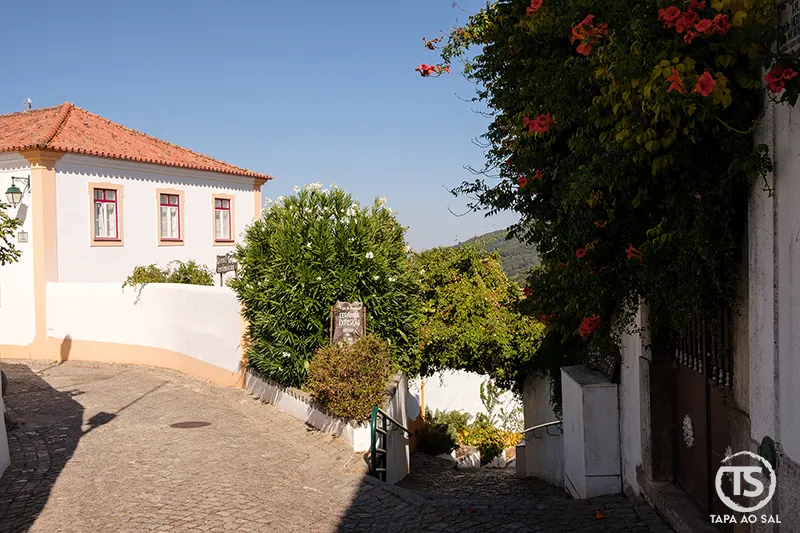
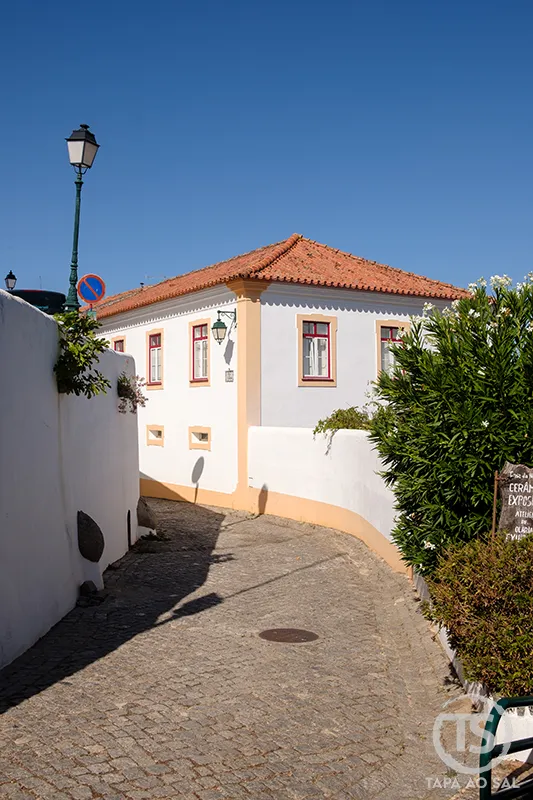
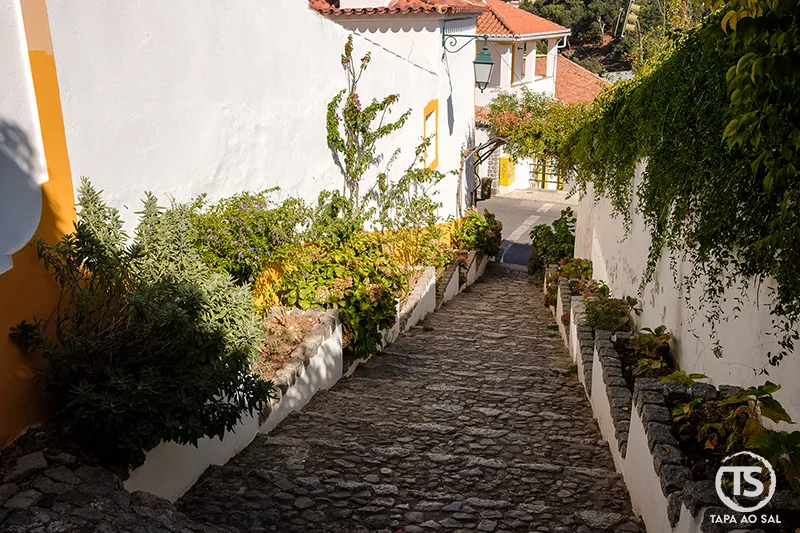
The village appears gradually, nestled into the hillside, with red roofs standing out against the green of the mountains. Walking through the streets of Monchique is an exercise in slow discovery: the narrow, steep cobbled lanes demand short steps, while the white houses, with their colourful doors, reveal flower pots and neighbours exchanging words from window to window.
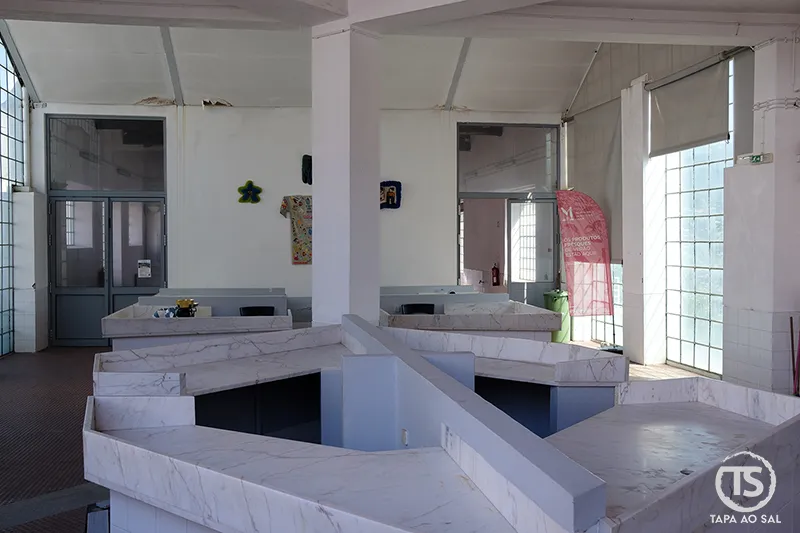
At the centre, life beats inside the municipal market. Stalls of fresh fruit, mountain cheeses and honey compete in aromas, reminding visitors that here the rhythm is dictated by the land.
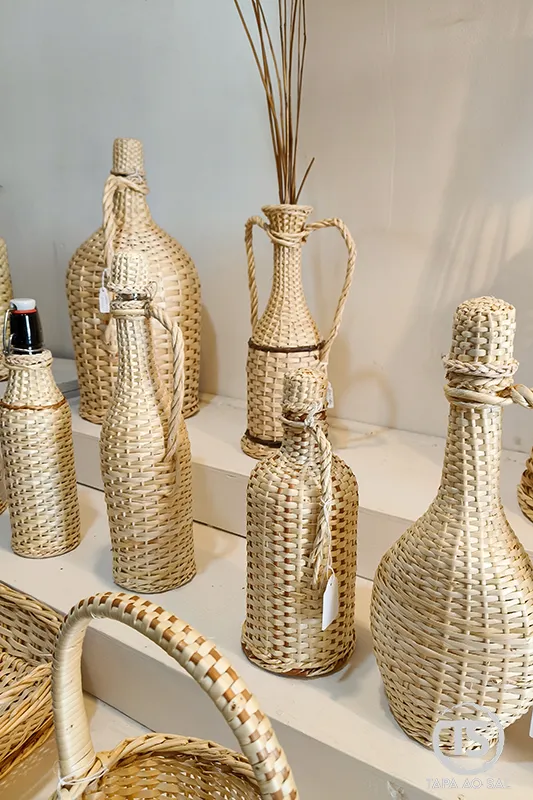
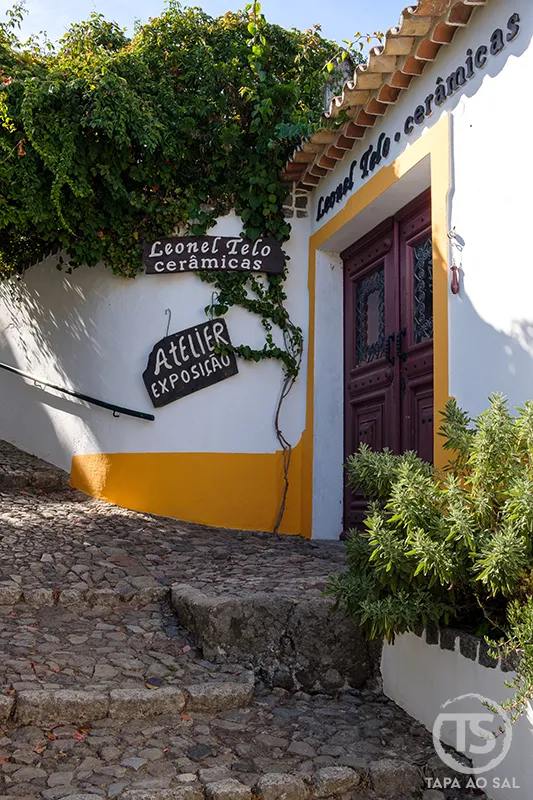
The small craft shops reveal another side of the mountains: wicker baskets, wooden pieces and embroidery that preserve ancient gestures.
It is also in Monchique that the traditional folding chairs continue to be made, a supposed Roman legacy adapted to modern comfort, crafted from alder wood and known for their “X” structure that gives them lightness and mobility. They are pieces that symbolise the link between tradition and modernity, much like other expressions of Portuguese craftsmanship found across the country.
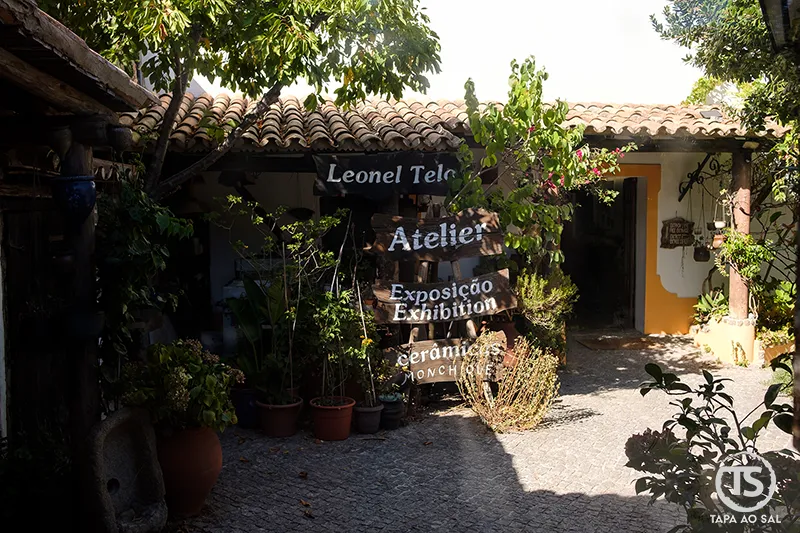
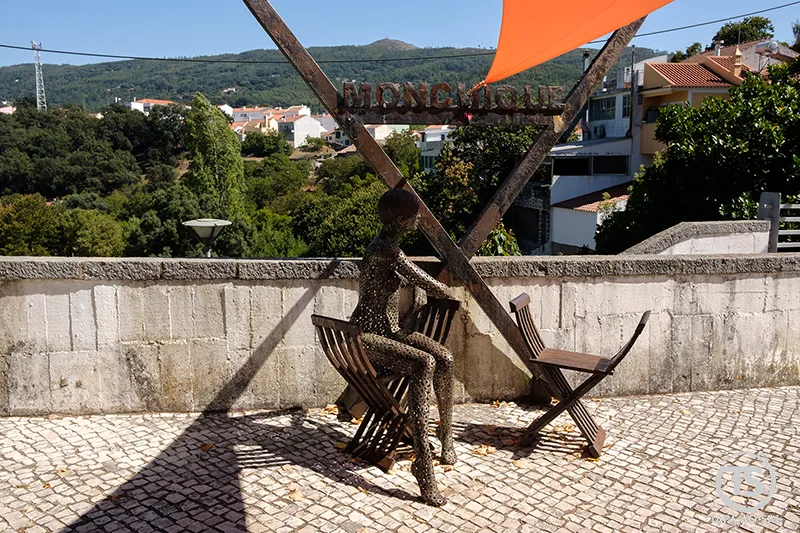
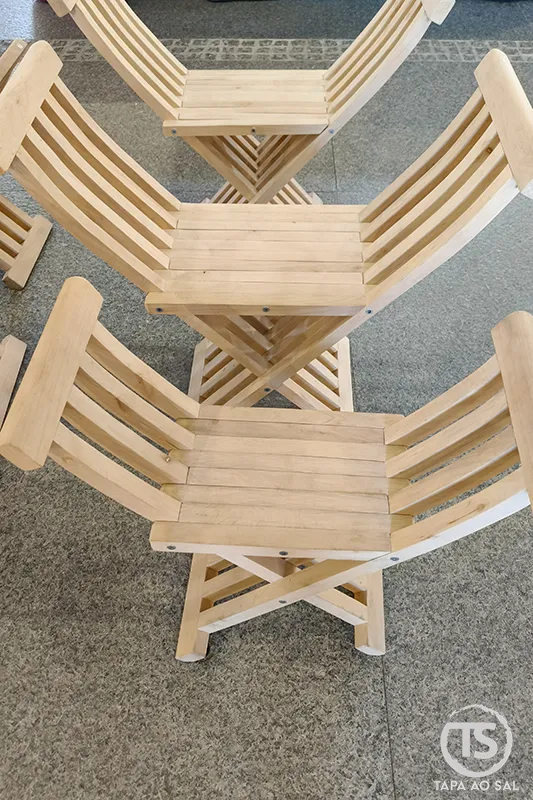
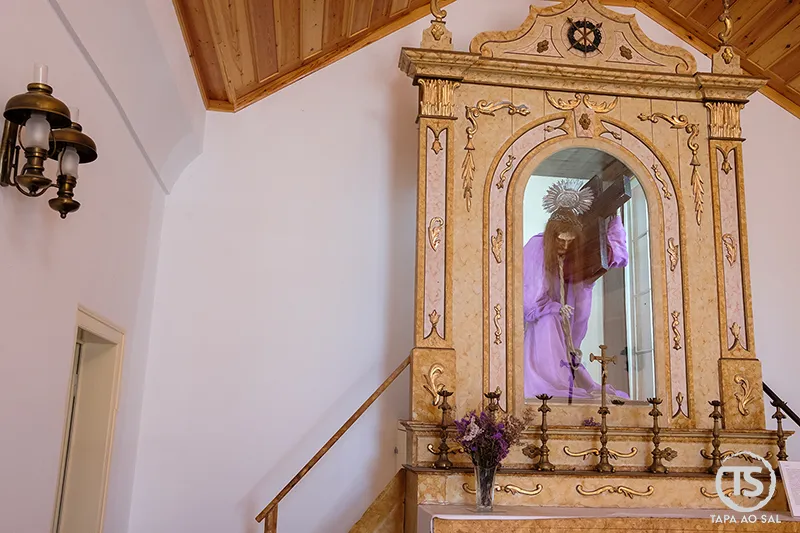
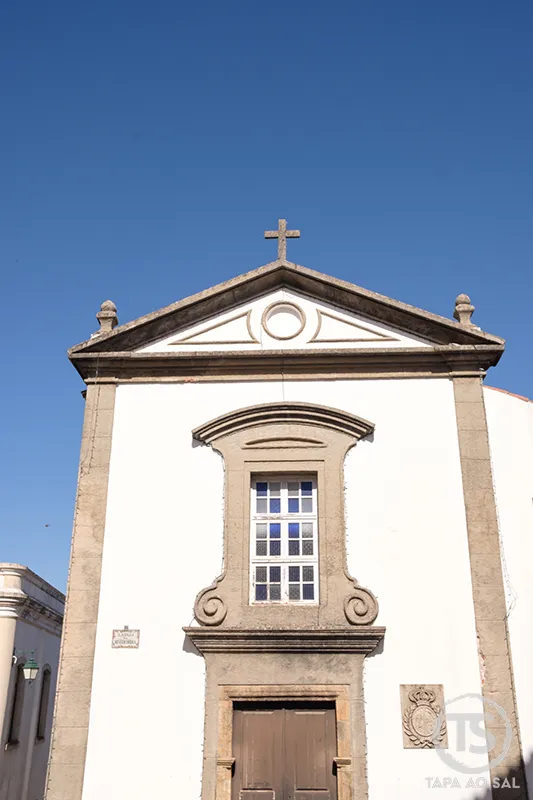
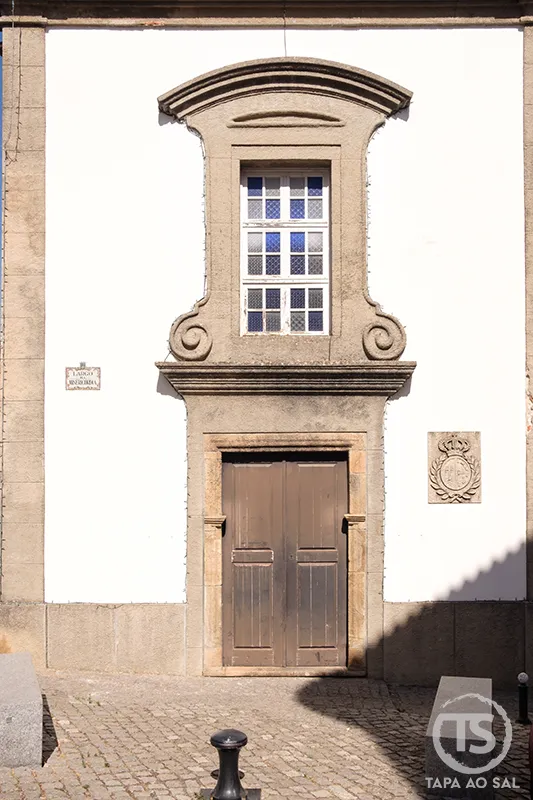
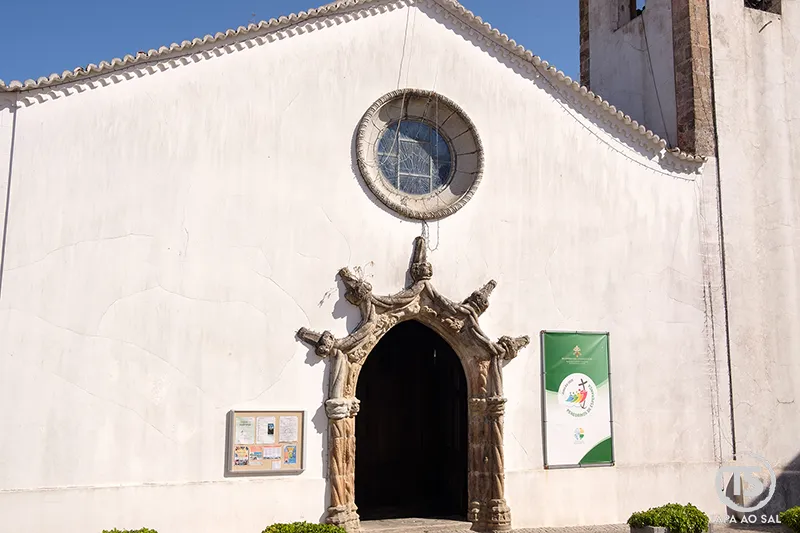
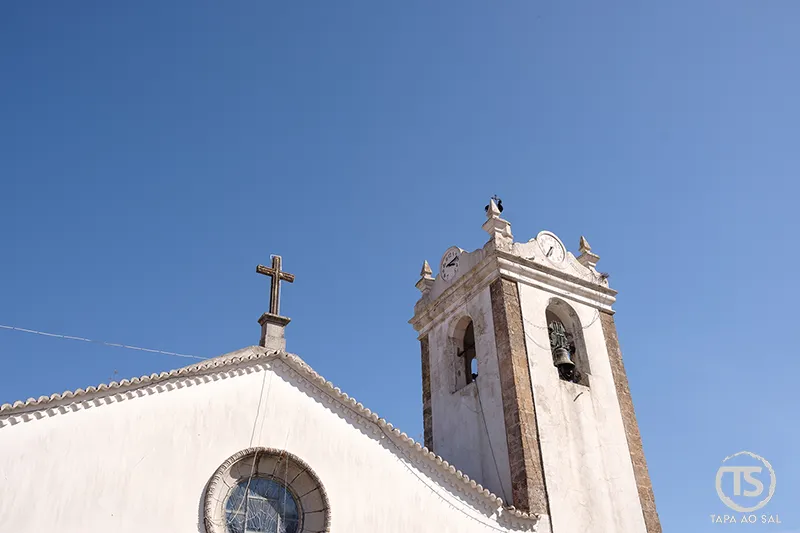
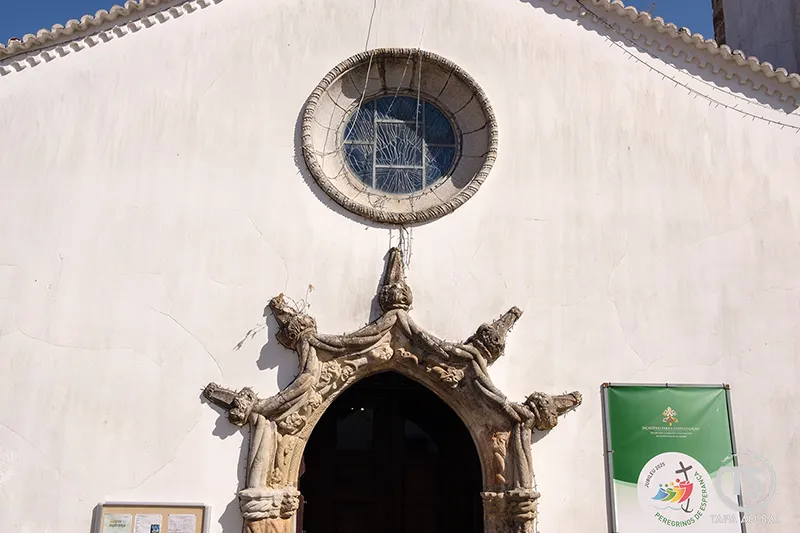
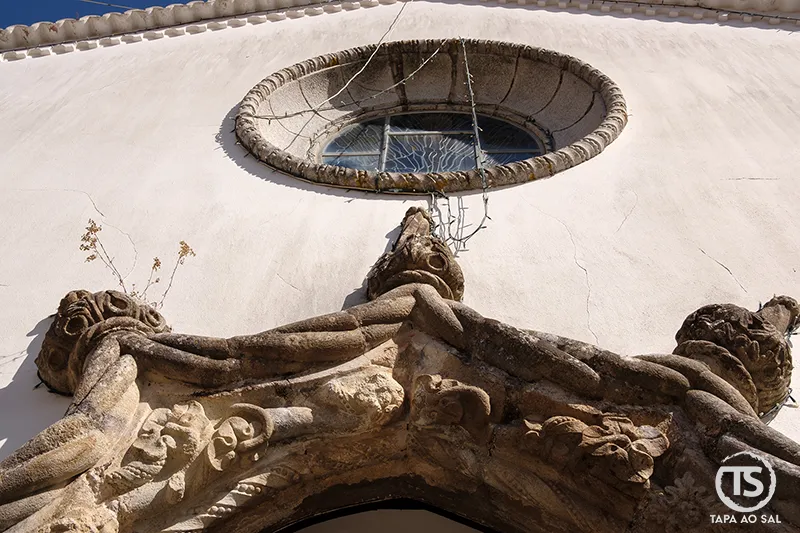
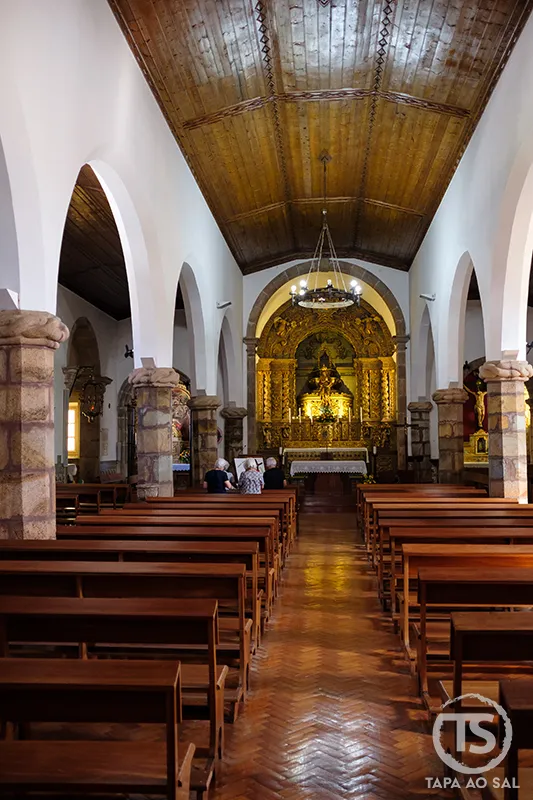
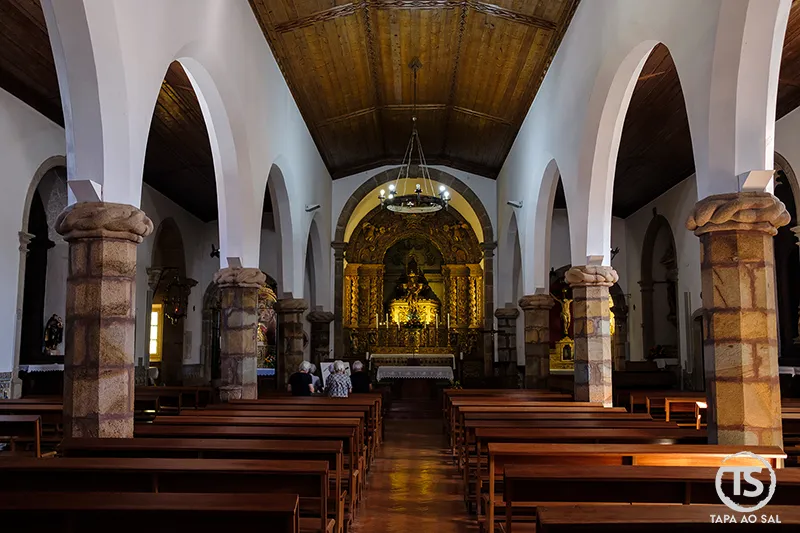
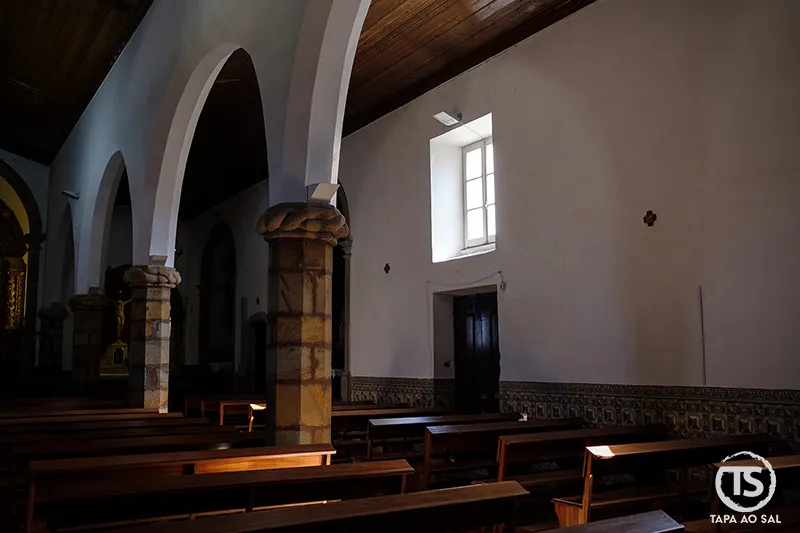
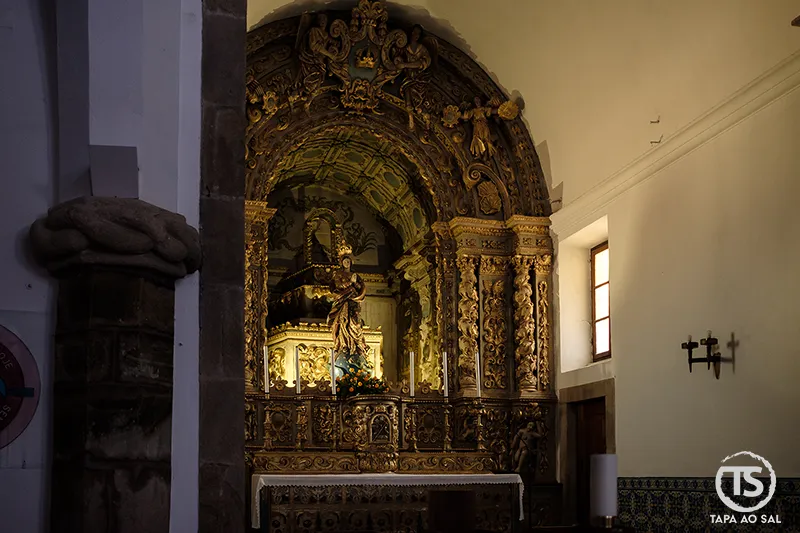
Among the monuments, the Igreja Matriz stands out, its tower rising above the cluster of houses, along with the Ermida de São Sebastião, discreet yet rich in history. Nearby, cafés with outdoor terraces invite visitors to pause, observe and be carried along by the quiet everyday life of the village.
For those seeking to visit Monchique beyond its peaks and waterfalls, this walk through the historic centre is essential. Here are gathered the elements that shape the identity of the mountains: faith, tradition, hospitality and time moving slowly, as if preserving every detail to be remembered.
Walking route through Monchique village
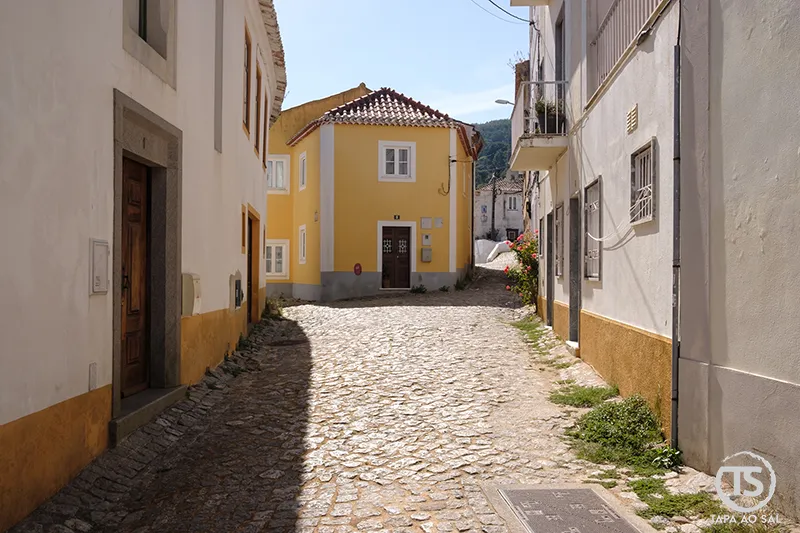
If the best way to experience Monchique is slowly, this walking route through the historic centre is the perfect invitation to immerse yourself in the identity of the mountains. Between viewpoints, fountains, churches and the municipal market, each stop reveals a fragment of local culture.
The route, which we prepared in our interactive map, passes through:
Tip: activate the “Walking Route” layer on the interactive map to follow each point and adapt the itinerary to your time.
Serra de Monchique — what to see in the Monchique mountains
The mountains are the true soul of Monchique. It is here that the contrast with the Algarve coast becomes clear: the cool air rising from the valleys, the shade of the chestnut trees and the silence broken only by the sound of running water.
Climbing its peaks, discovering hidden villages or losing yourself among forgotten ruins is to enter a landscape where nature and history walk side by side.
Every corner holds a landscape, a memory or a flavour that makes this mountain range a unique destination in southern Portugal.
Fóia — the highest point in the Monchique mountains
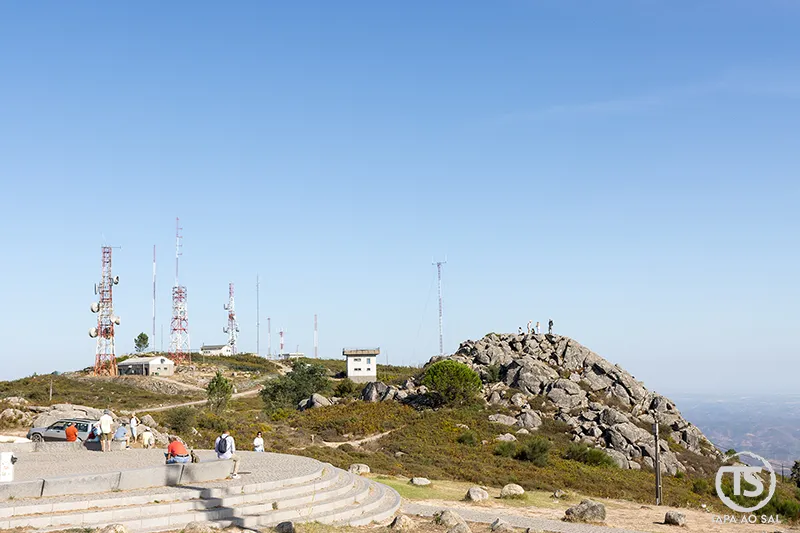
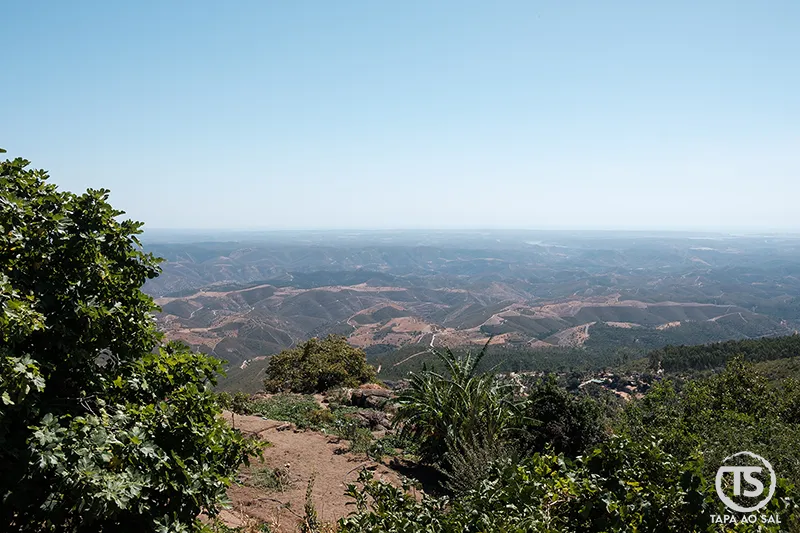
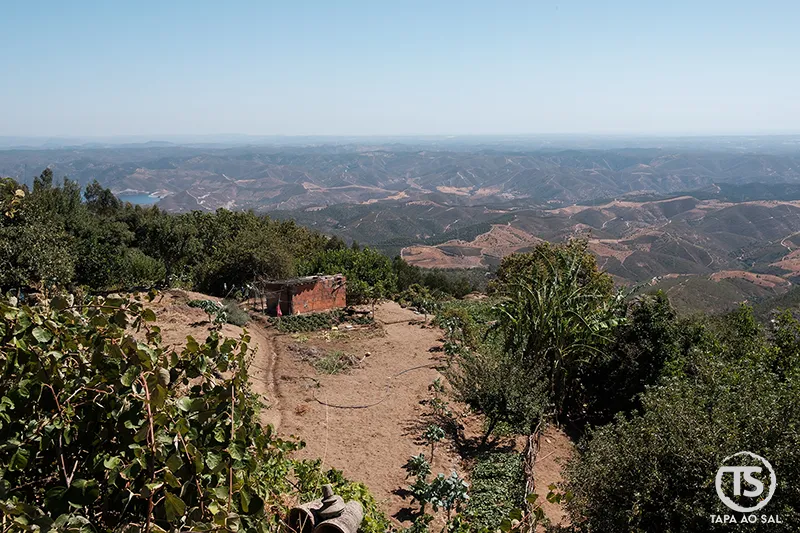
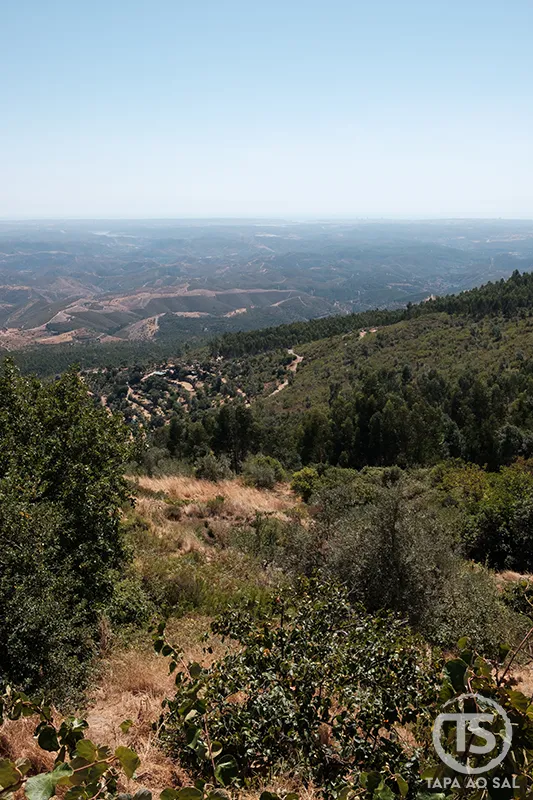
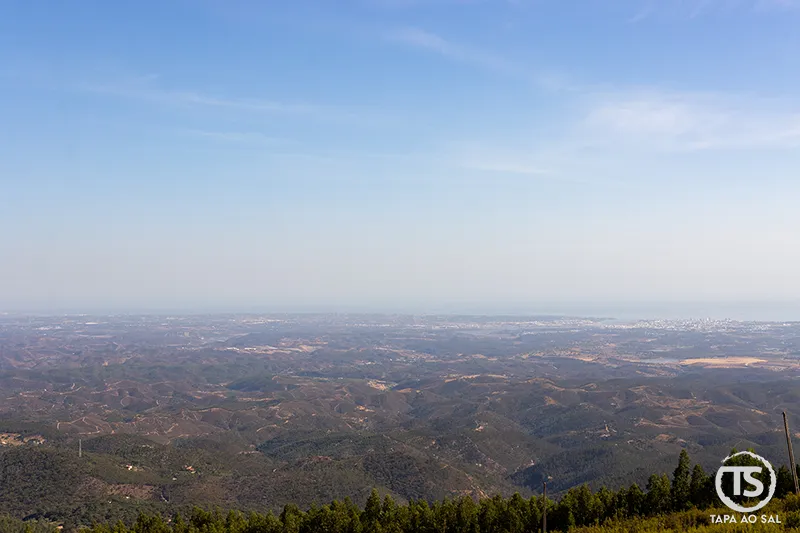
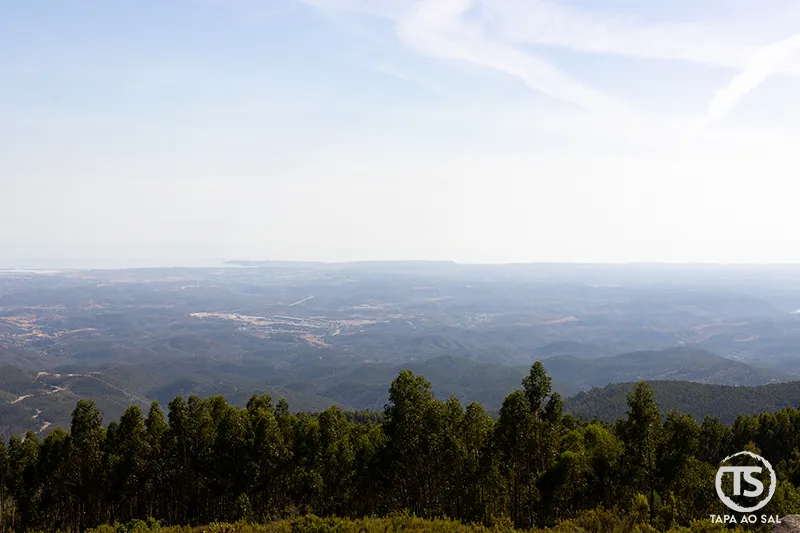
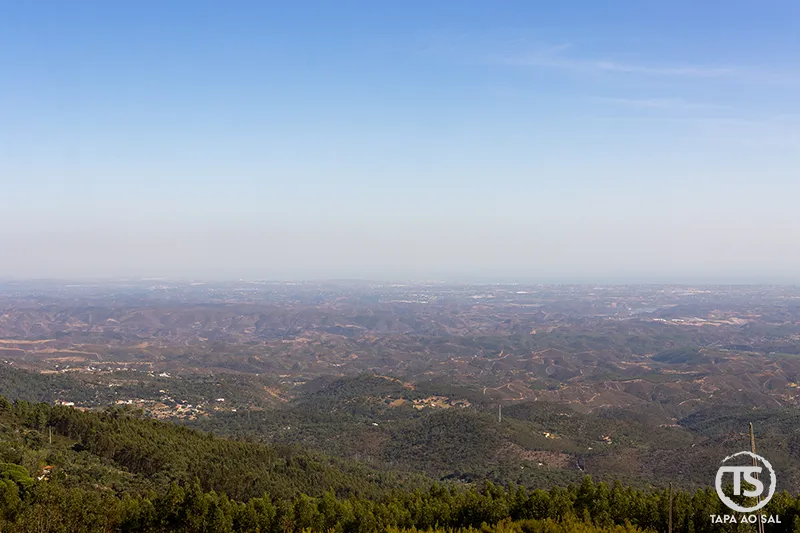
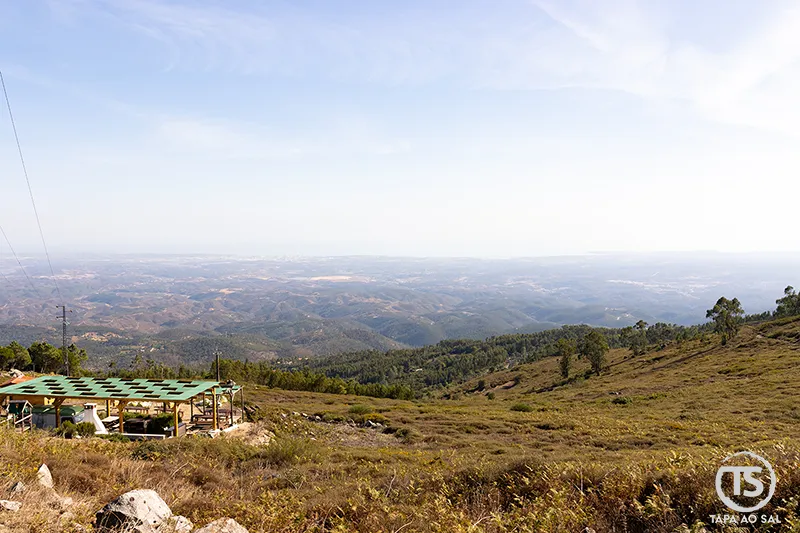
At the summit of Fóia, the whole Algarve seems to fit within a single gaze. On clear days, the horizon stretches all the way to the Atlantic, with Lagos, Portimão and even Sagres appearing in the distance. In summer, the fresh wind surprises after the heat of the coast; in winter, the mist can transform everything into a theatre of silhouettes. Sunset is the most magical moment: golden light outlines the mountains and valleys, revealing the grandeur of the Serra de Monchique what to visit in all its scale.
Picota — the lesser-known peak of the Monchique mountains
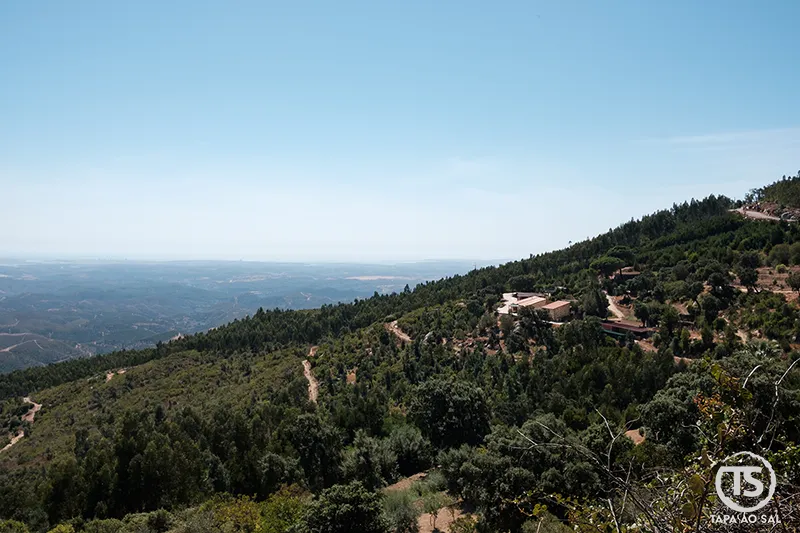
Lower than Fóia, yet no less beautiful, Picota requires a little more effort to reach. The trail is steep and rarely visited, which guarantees silence and solitude, interrupted only by birdsong or the sound of dry leaves underfoot. Those who reach the top find a wild landscape, with views that rival Fóia, but within an atmosphere of almost untouched retreat.
Mountain villages of Monchique: Marmelete and Alferce
Marmelete keeps the secret of medronho within its simple houses. Small distilleries still maintain the traditional process, and those who pass through can sense the strong aroma rising from the copper stills. Among discreet taverns and generous tables, the gastronomy is built around cured ham and hearty dishes.
Alferce, in turn, breathes serenity. Narrow streets, flowered courtyards and the distant sound of the church bell reveal the calm life of those who resist the accelerated rhythm of the coast. Here, craftsmanship and traditions are the true heritage.
Castelo de Alferce — Islamic fortification in the Monchique mountains
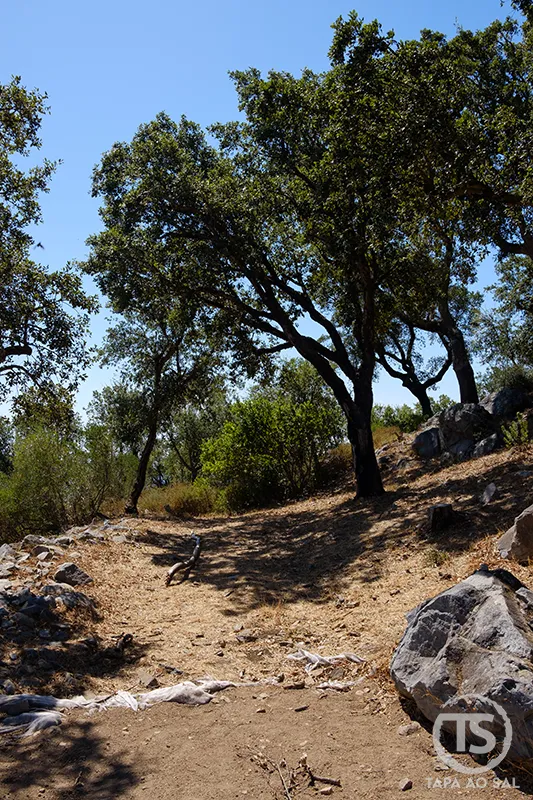
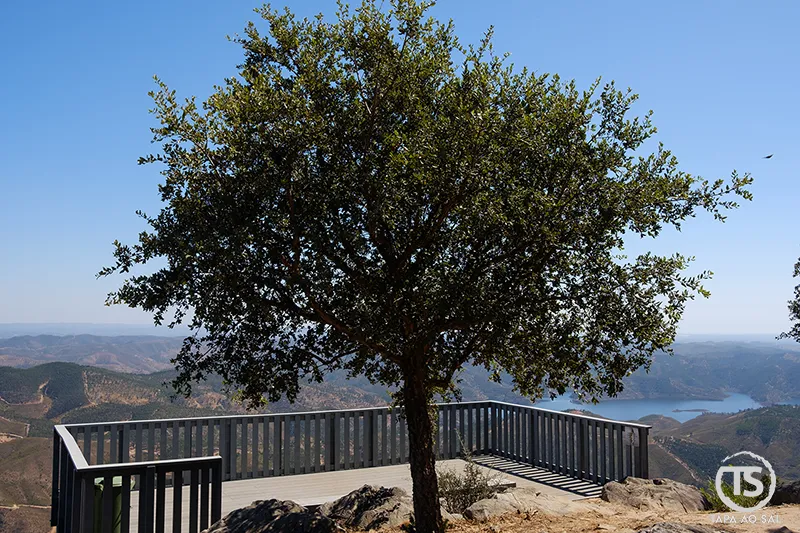
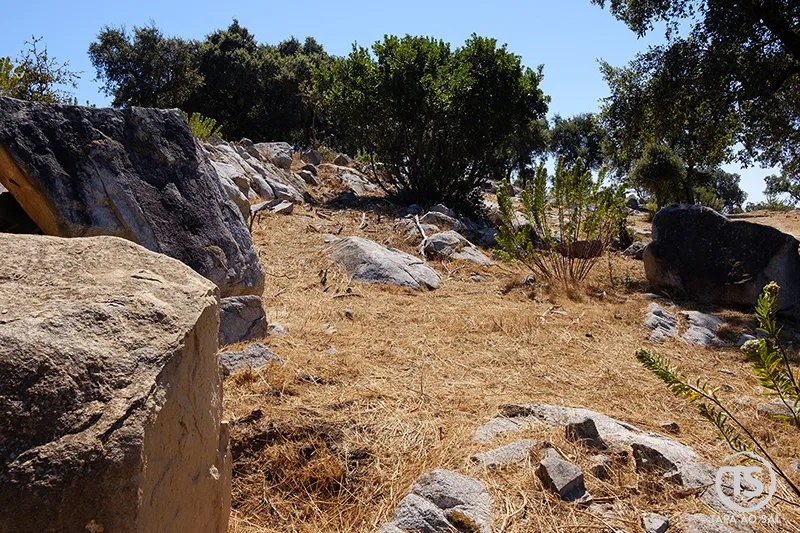
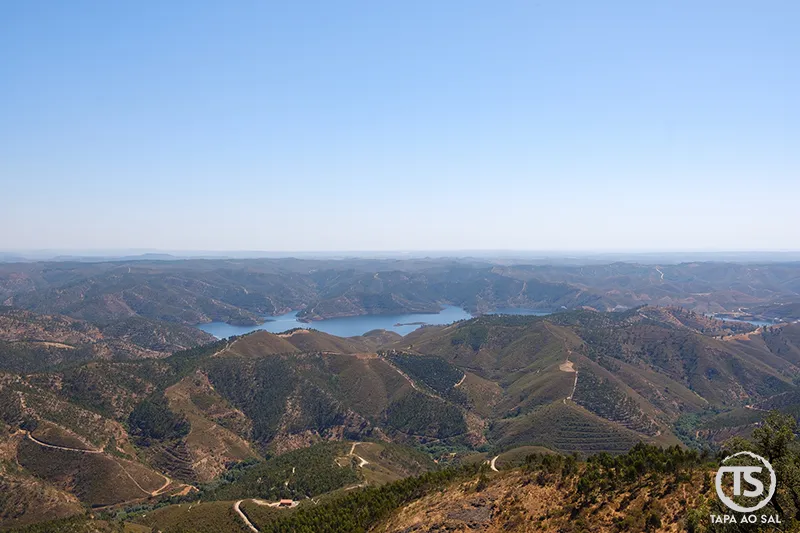
Built on a hillside, the Castelo de Alferce is today a set of ruins that still tell ancient stories. It is believed to have Islamic origins, traces of a time when the Algarve was crossed by different cultures. Climbing up to it is more than a walk: it is a journey through centuries of history and the feeling of being an explorer in an open-air archaeological landscape, with views over valleys and mountains.
Convento de Nossa Senhora do Desterro — historic viewpoint above Monchique
The ruins of the convent dominate the landscape above the village. Between walls worn by time, the spiritual grandeur of the past can still be sensed. Walking up there offers a double experience: on one hand, the beauty of a natural viewpoint; on the other, the quiet melancholy of a building that asks for silence and respect. Access requires care, but the reward is one of the most beautiful views in Monchique.
Barranco dos Pisões and the historic water mill
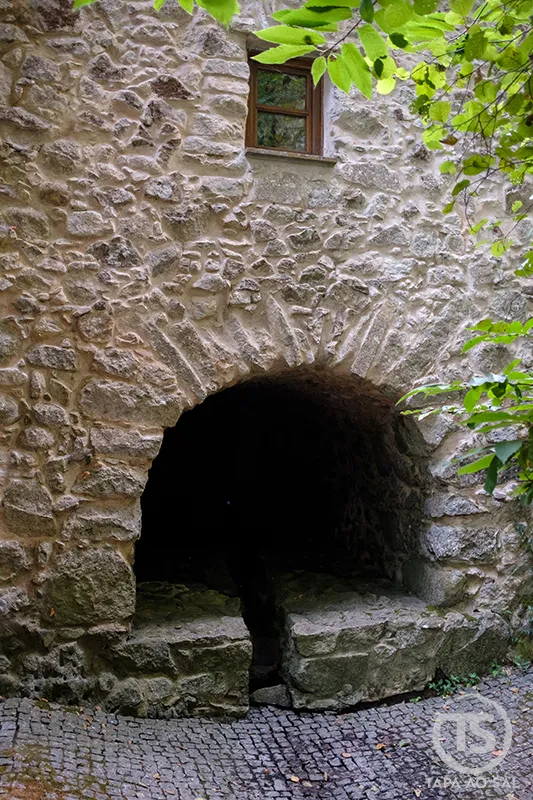
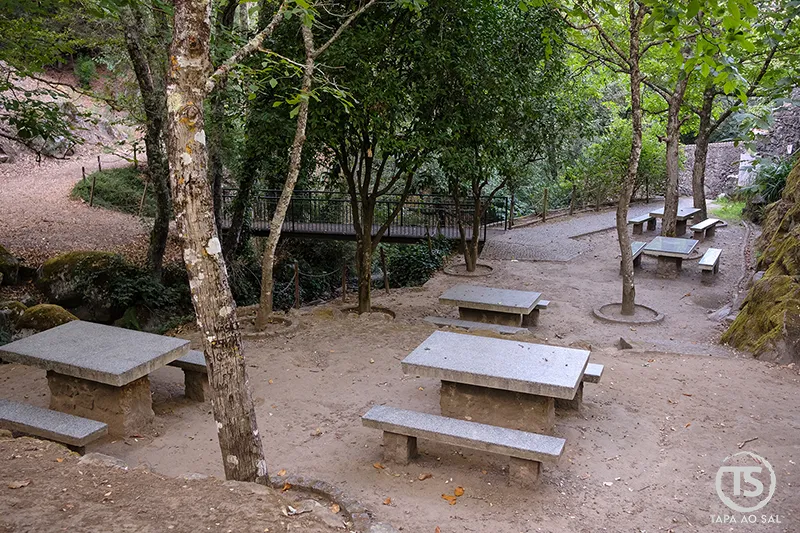
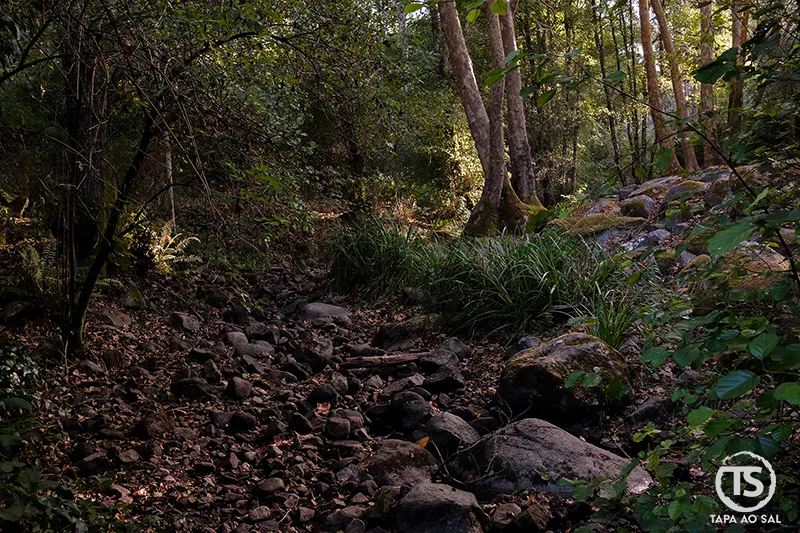
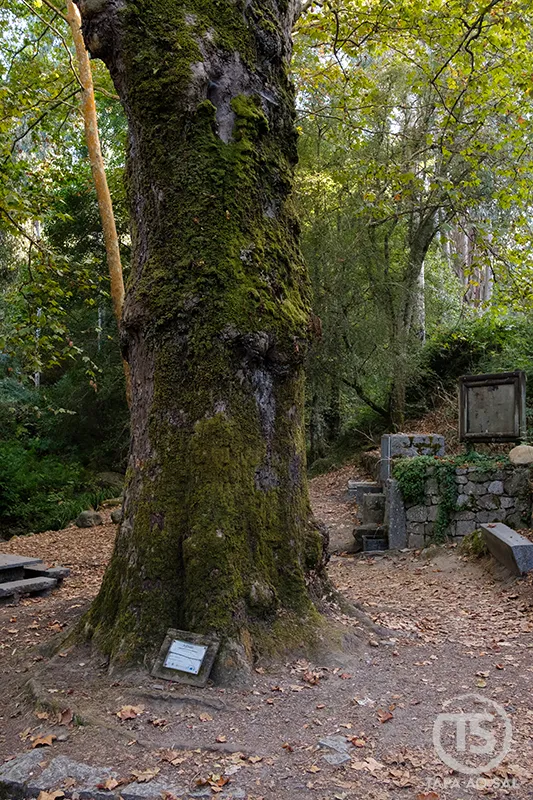
On one of the most humid slopes of the mountains, Barranco dos Pisões offers a cool pause. A small waterfall runs between mosses and ferns beside a restored water mill that recalls rural life from other times. It is a simple corner, ideal for stopping, listening to the water and letting the mountains reveal their most intimate side.
Via Algarviana — walking trails across the Monchique mountains
The great walking route that crosses the Algarve finds one of its highest moments in the Serra de Monchique. The paths pass through villages, streams and slopes that invite long walks. For those who do not wish to complete the entire route, small sections are enough to feel the essence of the trail: slow steps, open horizons and the sensation of being truly immersed in the mountains.
Viewpoints across the Monchique mountains
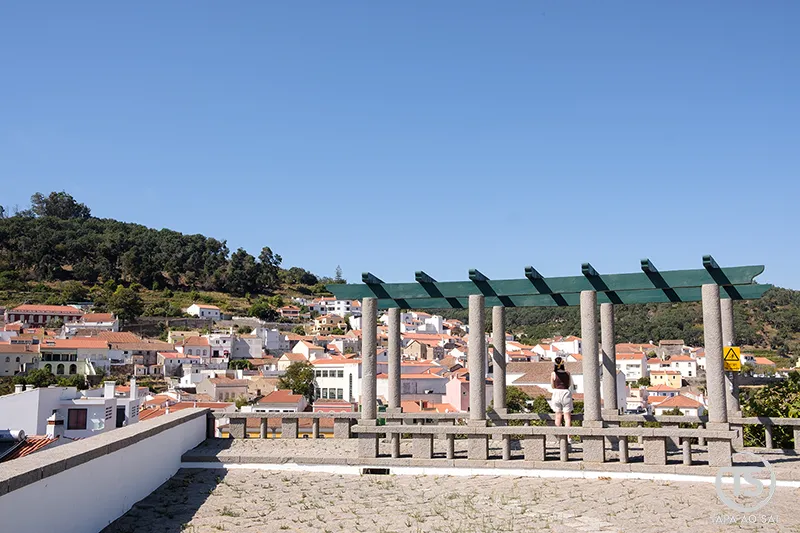
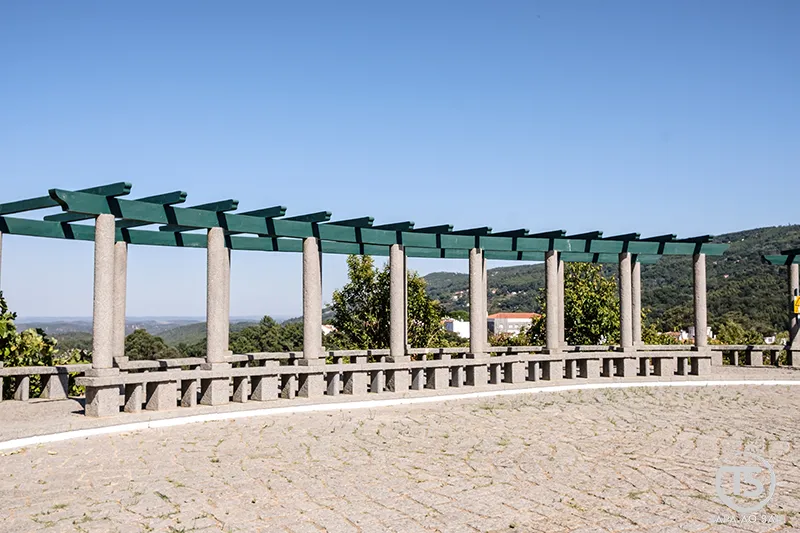
Beyond Fóia and Picota, the mountains hide lesser-known viewpoints. The São Sebastião viewpoint, within the village itself, offers a wide perspective over the white houses. Along the road, places such as Pontal open unexpected windows toward the coast and the interior. A route of viewpoints can transform the journey into a photographic tour, where every stop reveals a different face of the mountains.
Landscape and biodiversity of the Monchique mountains
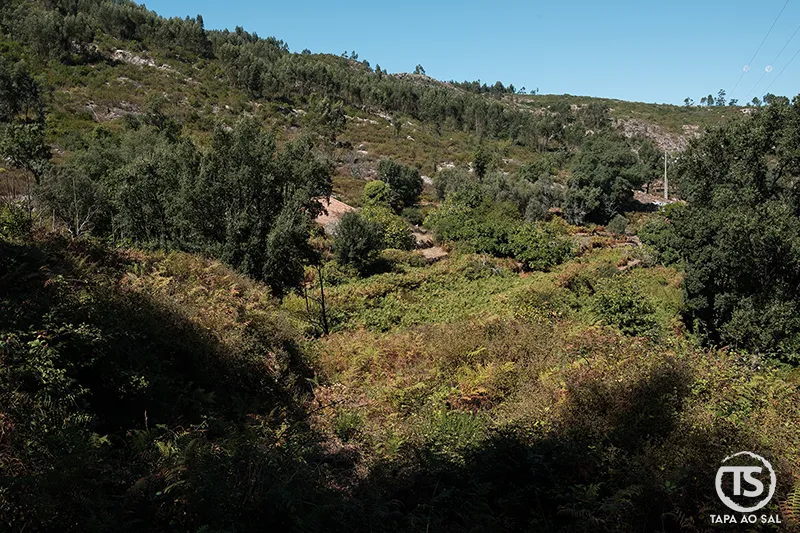
The Serra de Monchique is a rare ecosystem in the Algarve. Its humid microclimate favours chestnut trees, cork oaks and medronho trees, creating a palette of greens that shifts with the seasons. Between streams and sheltered valleys, biodiversity reveals itself in birds, insects and small plants that find refuge only here. It is this natural richness that distinguishes Monchique from the rest of the Algarve and makes every visit a singular experience.
Caldas de Monchique — thermal waters and wellbeing
Between wooded slopes appears a group of buildings that seems suspended in time. Caldas de Monchique were already sought out by the Romans, who recognised in these waters rare therapeutic properties. Over the centuries, kings, soldiers and anonymous travellers came here in search of healing and rest, leaving the reputation of these thermal springs deeply rooted in collective memory.
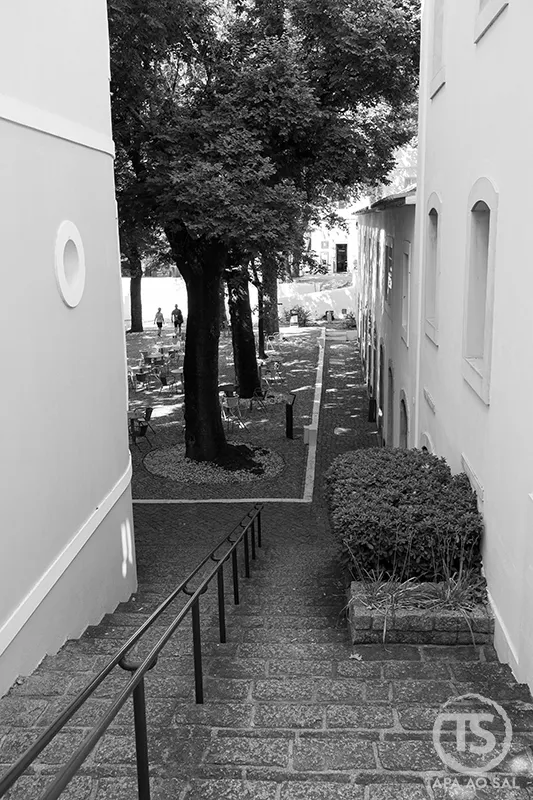
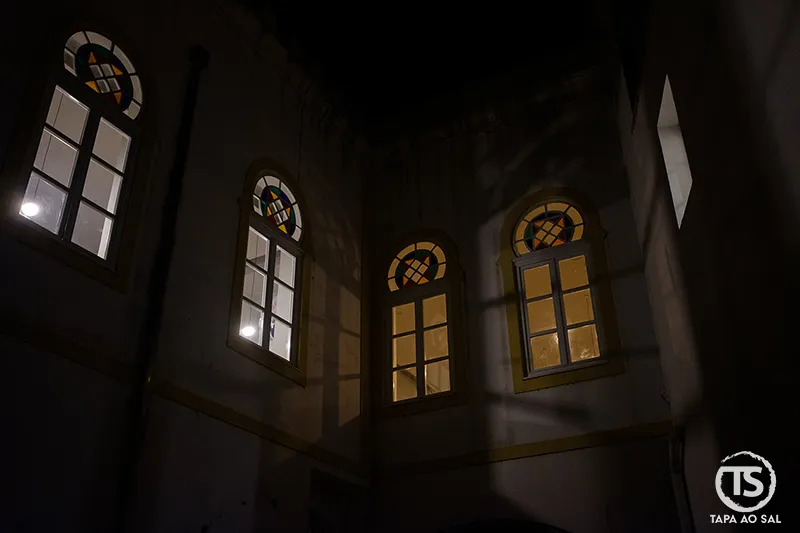
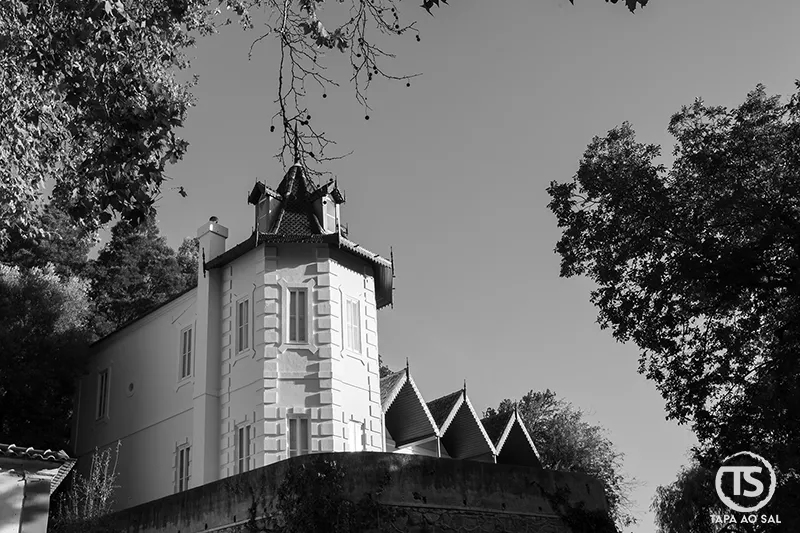
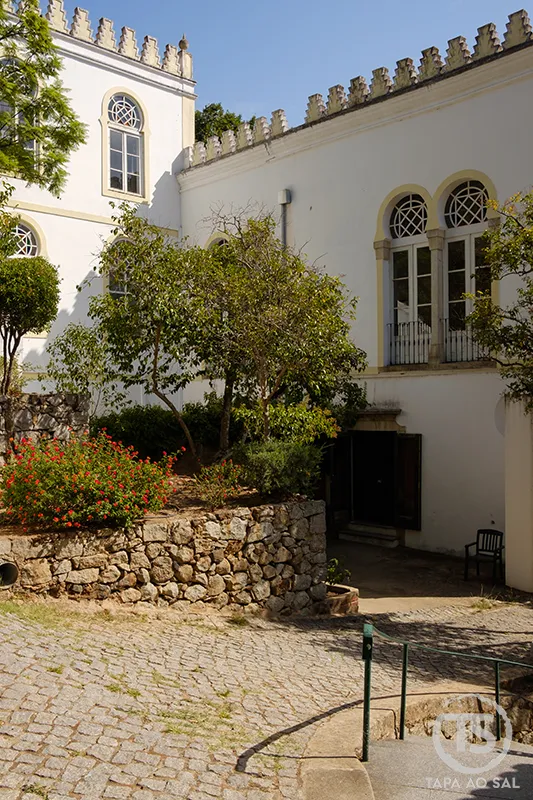
Walking through Caldas is to feel that living heritage. The white-painted buildings and nineteenth-century architectural layout coexist with fountains from which clear water flows, still bottled today and known throughout the country. The atmosphere is calm, almost monastic, as if the space had been created for contemplation and silence, reinforcing the idea that caldas de monchique what to visit is not only a matter of tourism, but also of wellbeing.
Staying here prolongs the experience. Monchique Resort & Spa, Central Monchique Hotel and Aqua Vista Monchique Hôtel offer not only comfortable accommodation, but also privileged access to treatments and spa programmes. It is a way of experiencing the mountains from within, caring for the body while the landscape tends to the soul.
Visiting Caldas is, in essence, immersing yourself in a tradition that brings together history, nature and health. An inevitable stop for anyone exploring Monchique and wishing to experience the mountains with all the senses.
Monchique waterfalls and hiking trails in the Serra
The mountains hold many secrets hidden along their slopes. Among them are small watercourses that, over the centuries, have carved discreet waterfalls of raw beauty. Searching for Monchique cascatas is also a search for freshness in summer, the shade of dense trees and the constant sound of running water.
Cascata do Barbelote — hidden Monchique waterfall
Hidden among thick vegetation, Cascata do Barbelote is a surprise for those who enjoy places that feel almost untouched. The path leading there is demanding and not always clearly marked, but the reward on arrival is immediate: water slides over the rocks, forming a rugged and wild setting wrapped in silence. It is one of those places where time slows down, ideal for those who wish to experience the mountains far from everything.
Cascata da Pomba — one of the best known Monchique waterfalls
More accessible and better known, Cascata da Pomba is often travellers’ first contact with this natural side of the mountains. The walk is short and the surroundings invite a longer pause. The sound of falling water blends with birdsong, and on warm days some visitors refresh themselves in the small pools formed at the base. Thanks to its proximity to the village, it has become one of the most sought-after waterfalls in Monchique.
Waterfalls trail in the Serra de Monchique
For those who prefer to turn their visit into a full walk, the waterfalls trail of the Serra de Monchique is the best choice. The route connects different waterfalls, crossing forests of medronho and alder trees, always accompanied by the cool sound of flowing water. It is not merely a hiking route: it is an immersion in the biodiversity of the mountains, perfect for those who want to experience nature calmly, step by step.
Between viewpoints, villages and thermal waters, the waterfalls add another dimension to the visit. They are refuges of freshness and places for contemplation, complementing the multifaceted portrait of Monchique.
Passadiços do Barranco do Demo — scenic walkway in Monchique
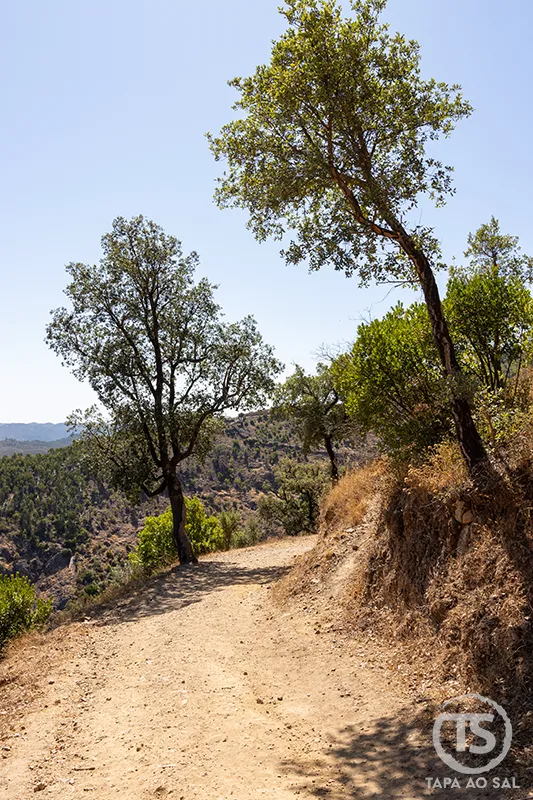
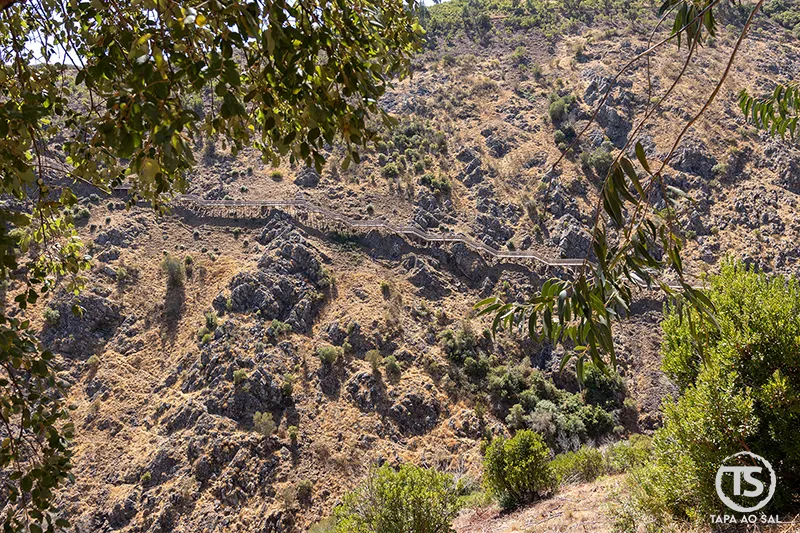
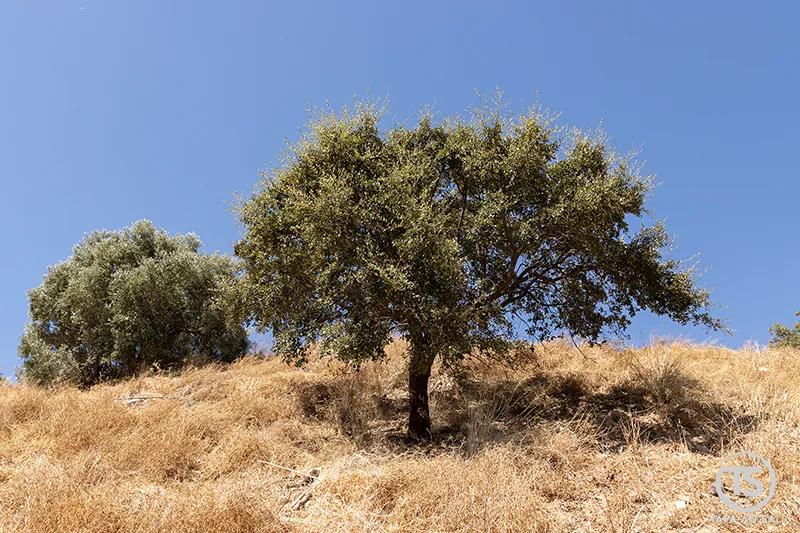
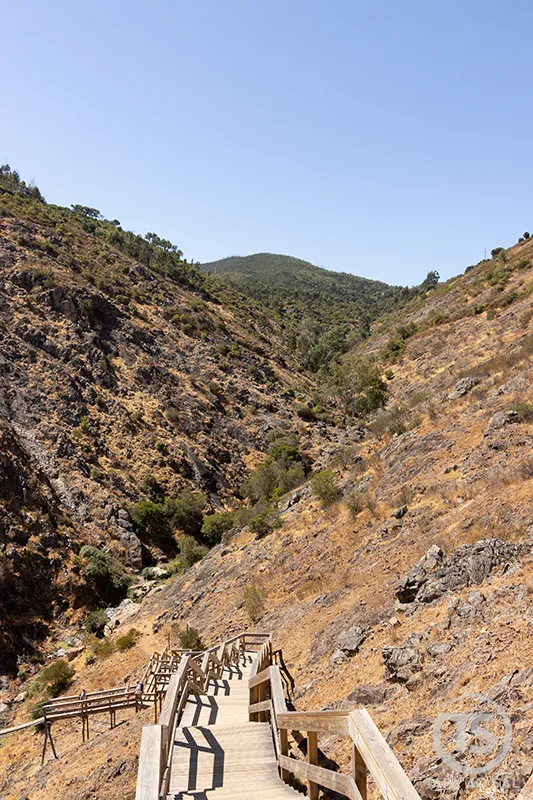
The path descends gently near Alferce, where the mountains open into a narrow valley. The sound of water precedes the sight of the boardwalk: a wooden structure that follows the stream, set between dense vegetation. The planks creak slightly beneath your feet, a reminder that the mountains are alive and constantly changing, yet the route feels safe and invites you to continue slowly.
Along the way, light filters through the canopy in slanted beams, illuminating the clear stream running beside the path. It is a landscape that alternates between freshness and silence, interrupted only by the murmur of water and the birds that find refuge among alder and medronho trees. The boardwalk becomes, in this way, a gentle entrance into the mountains, ideal for families or for those seeking an easy walk filled with sensory moments.
Integrated into a larger trail, the route extends the experience of the Serra de Monchique beyond its waterfalls, offering a different perspective: here, the closeness to the stream is constant, almost intimate. It is also a way of showing how the region has been valuing its natural resources, making them accessible to everyone without losing authenticity.
For those searching for passadiços in Monchique, this is the perfect example of how the mountains can be discovered step by step, in harmony with the landscape. And if curiosity leads further, you can always explore in detail our dedicated article on the Passadiços do Barranco do Demo.
Things to do in Monchique with kids
Exploring Monchique as a family is like opening a book of adventures where every page is written outdoors. Asking what to do in Monchique with children soon reveals that the mountains function as a natural playground, filled with short trails, fresh water springs and safe places to play.
Parque da Mina is one of the highlights: a former coal mine transformed into an open-air museum, surrounded by a farm with animals, traditional houses and objects from rural daily life. Children run between stables and gardens, while adults immerse themselves in the memory of an Algarve that has almost disappeared. It is a place where learning and play meet without boundaries.
If you visit with school groups or organised children’s groups, there are special conditions available: for groups of more than 10 students, the guided day visit costs €13 per student. If you wish to include the Casa Museu in the visit, there is an additional fee or a combined visit available for €5 per student. There is also the option of celebrating birthdays there, with access to the park and swimming pool: €9 for adults and €6 for children aged between 3 and 12. Parque da Mina
Yet beyond the gates of Parque da Mina, the mountains themselves remain an invitation. There are gentle paths surrounded by medronho and alder trees that allow relaxed half-hour walks. Near fountains and picnic areas, families sit on colourful blankets, share bread and cheese and let time pass slowly. Between the sound of water and the singing of birds, the mountains reveal themselves as accessible and welcoming.
Here, every bend in the path can become a game and every stop a discovery. Monchique transforms into a landscape of small yet memorable adventures, where children learn that nature is also a place to play, imagine and feel.
Monchique restaurants and local gastronomy
Sitting down at the table in Monchique is a way of extending the journey through the mountains through flavour. Slowly cured ham hangs in stone smokehouses; sausages release strong aromas of garlic and spices; bread arrives still warm, with a firm crust and dense crumb, placed on the table wrapped in embroidered cloths. Each meal is memory and identity, a piece of the mountains offered to the visitor.
In family-run taverns and restaurants scattered across the village and surrounding hamlets, mountain dishes hold a firm presence: feijoada de medronho, stewed wild boar or goat roasted in a wood-fired oven. For those looking for suggestions on where to eat in Monchique, these places preserve the meeting point between tradition and hospitality. Tables are shared, conversations linger and the rhythm still resists the rush of modern tourism.
Medronho is another central figure. Not only as aguardente, strong, with a rugged flavour and intense aroma, but also as a fruit gathered in autumn and as inspiration for the Rota do Medronho, where visitors can explore artisanal distilleries that continue to produce using ancestral methods. Watching the process, feeling the heat of the still and tasting the drink at the end is an experience that connects the visitor to the deepest soul of the mountains.
And because gastronomy is also shaped by unexpected encounters, it is worth widening the horizon to wine experiences nearby. A lunch and wine tasting at Morgado do Quintão offers a perfect combination of table and landscape, while a 2.5-hour vineyard dinner in Lagoa creates an intimate experience by candlelight, with the Algarve itself becoming the setting.
Discovering the Monchique restaurants is more than simply choosing where to eat: it is taking part in a tradition repeated for centuries, between bread, wine and aguardente, always accompanied by the hospitality of the mountains.
Where to stay in Monchique
Staying in the mountains is a way of extending the experience beyond the visit itself. When night falls, the silence deepens and the cool breeze contrasts with the warmth of the coast. Waking up in Monchique means opening the window to see the sun rising between valleys and green slopes, with the scent of fresh bread drifting up from the village. Looking for where to stay in Monchique is choosing how you want to experience the mountains: in tranquillity, in wellbeing or in full contemplation of the landscape.
Monchique Resort & Spa is the ideal choice for those who wish to combine luxury and nature. Spacious rooms, pools with sweeping views and a spa that harnesses the power of the mountain waters make this accommodation a true retreat for rest and relaxation.
Closer to the historic Caldas, Central Monchique Hotel keeps the thermal tradition alive. Here, the experience lies as much in the architecture of the building as in the connection with the mineral springs that have been part of local life for centuries.
For those who value wide views across the mountains, Aqua Vista Monchique Hôtel offers an elevated location, perfect for watching the sunset colour the hills. Serenity is the promise here, ideal for anyone wishing to disconnect completely.
And because every traveller has their own style, the list of options is extensive: from countryside houses to boutique hotels, all marked by the hospitality of the mountains. To explore every possibility, simply consult all accommodation offers in Monchique.
Sleeping in the mountains ultimately means letting both body and spirit follow the slow rhythm of the hills, and waking the next morning with the feeling that Monchique belongs to us, even if only for a moment.
Discover more places to stay in the region
If you prefer to explore other accommodation options, there are many welcoming places to stay in the area. From countryside houses to nearby hotels, you can find some of the best accommodation deals on Booking close to this destination.
Monchique day trip ideas — what to see near Monchique
The mountains invite you to stay, yet only a few kilometres downhill reveal other faces of the Algarve. Those who climb to Monchique can easily extend the journey through historic cities, coastal towns and quiet retreats that complete the mountain experience.
Silves — history and the castle near Monchique
On the banks of the river Arade rises Silves, the former Moorish capital of the Algarve. The red sandstone Castelo de Silves dominates the landscape and tells centuries of battles and cultural encounters. Cobbled streets lead to shaded squares, old cafés and a cathedral built over the foundations of a mosque. Visiting Silves adds a historical dimension to the journey, revealing the contrast between the Arab fortress and the lightness of the Serra de Monchique.
Lagos — coast and beaches near Monchique
From the silence of the mountains to the vastness of the Atlantic, Lagos is only a short leap away. The golden cliffs of Ponta da Piedade, the stone arches opening over the sea and the small hidden coves make this stretch of coastline one of the most beautiful in the country. Between walls and narrow streets, the town vibrates with markets, terraces and the harbour from which boats depart toward caves and secret beaches.
Aljezur — the wild coast of Costa Vicentina
Heading north, the journey reaches Aljezur, a white village at the foot of a Moorish castle. Here the Atlantic feels wilder, with wide and windy beaches such as Arrifana or Amoreira, where the sound of the waves replaces the murmur of Monchique’s waterfalls. The connection between mountains and sea can also be felt in the gastronomy: fresh fish served in taverns that seem suspended in time.
Barragem da Bravura — peaceful reservoir near Monchique
Near Marmelete, Barragem da Bravura reveals a different Algarve, shaped by silence and wide horizons. The trails that circle the reservoir are ideal for peaceful walks or cycling, with the water reflecting the sky and the hills changing colour throughout the day. It is the perfect place for those seeking absolute calm, far from the most touristic routes.
Silves and Monchique tour with wine tasting
For those who prefer to combine everything in a single day, there are options that bring together heritage and flavour. The Silves, Caldas and Monchique tour with wine tasting takes visitors from the castle to the mountains, ending with a tasting of local wines. A practical way to discover different facets of the Algarve without logistical concerns.
Practical tips for visiting Monchique
The mountains reveal a different face in every season. In summer, when the coast burns with heat, here you find a cool refuge, with the shade of chestnut trees and streams that keep the land from drying out. In autumn, the slopes turn golden and the air carries the scent of ripe medronho, an ideal time to walk the trails and watch the landscape transform. Spring is the greenest season, with flowers emerging along the edges of the paths, while winter wraps the mountains in mist, making them even more mysterious.
To visit Monchique without rushing, a car remains the best option. The road winds its way up to the village and allows stops at viewpoints and waterfalls, though buses also connect Portimão and other towns, albeit with limited schedules. Parking in the village is relatively easy outside the busiest weekends, and in the mountains you will usually find small parking areas near trails and viewpoints.
The ideal length of stay depends on the traveller’s perspective. In a single day it is possible to climb to Fóia, walk through the village and stop at the Caldas, but a weekend allows time to explore trails, visit villages and discover the gastronomy without haste. Monchique also combines well with an itinerary through the inland Algarve: Silves, with its Moorish castle, or the Barragem da Bravura are natural extensions of the journey.
Above all, Monchique asks for time. Time to walk slowly, to listen to the water of the springs, to taste the still-warm bread and the strong medronho. It is this slow rhythm that transforms a visit into an experience, and that makes the mountains one of the most authentic destinations in the Algarve.
Practical tips for visiting Monchique — summary
- Best season:
A cool summer in contrast with the coast; a golden autumn with medronho; a green spring; a winter wrapped in atmospheric mists. - Transport and parking:
A car is the most practical option; buses exist but with limited timetables. Parking is easy in the village and near trails and viewpoints. - Length of stay:
One day to visit the main highlights (Fóia, the village, Caldas).
A weekend to explore trails, villages and gastronomy without rushing. - Extra suggestion:
Include Monchique in a route through the inland Algarve (for example Silves and Barragem da Bravura).
In short: visiting Monchique asks for time to walk slowly, listen to the springs and taste the mountain flavours; it is this calm rhythm that truly makes the difference.
Monchique — where the journey slows down to begin again
Monchique is the cool refuge of the Algarve, a place where the green of the mountains contrasts with the deep blue of the beaches. Here, time slows down: water runs between ancient stones, medronho warms the body and narrow streets reveal stories etched into the memory of its people. Every visit becomes more than tourism; it is a pause, an immersion in an authentic and untouched Algarve.
For those who wish to extend the journey, the mountains are also a starting point. Other destinations await, from north to south, along routes that reveal the diversity of the country. In the guide Things to do in Portugal you will find a broader perspective.
Let Monchique be only the beginning. The rest of the map is waiting, and Portugal holds many more places where travel turns into experience.
Explore more destinations in Portugal
From coastal towns to quiet villages and mountain landscapes, explore travel guides organised by region and continue your journey through Portugal at your own pace.
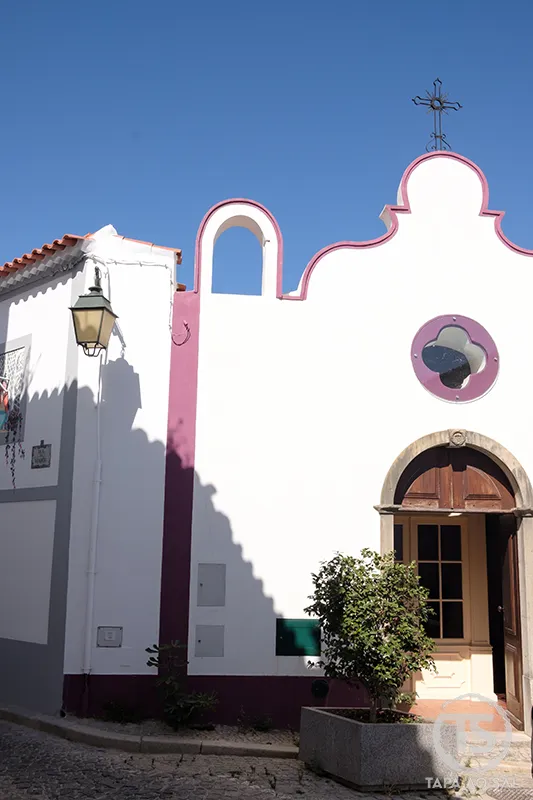
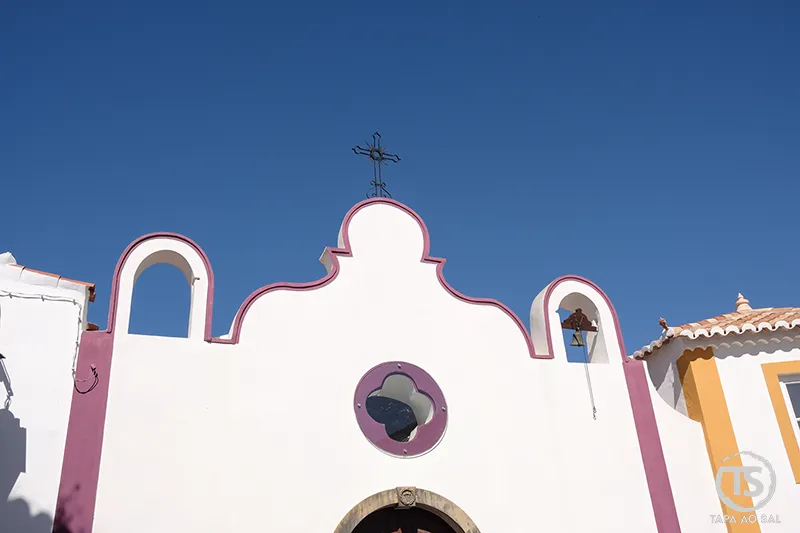
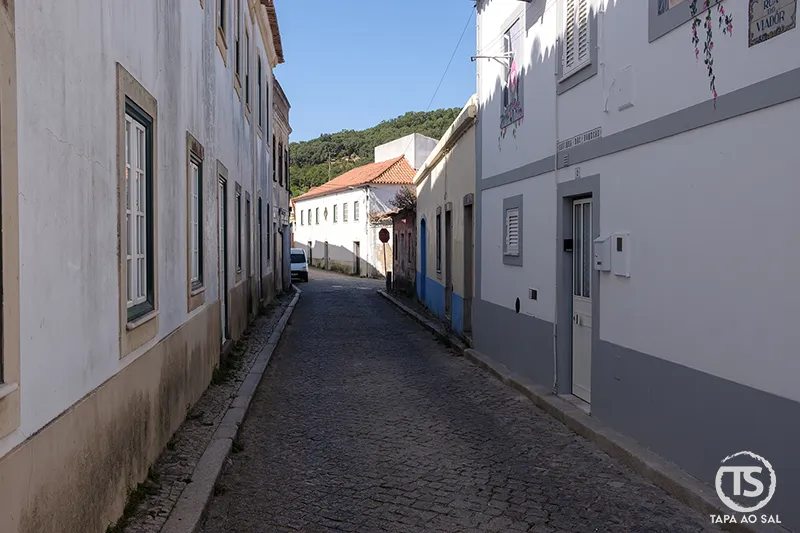
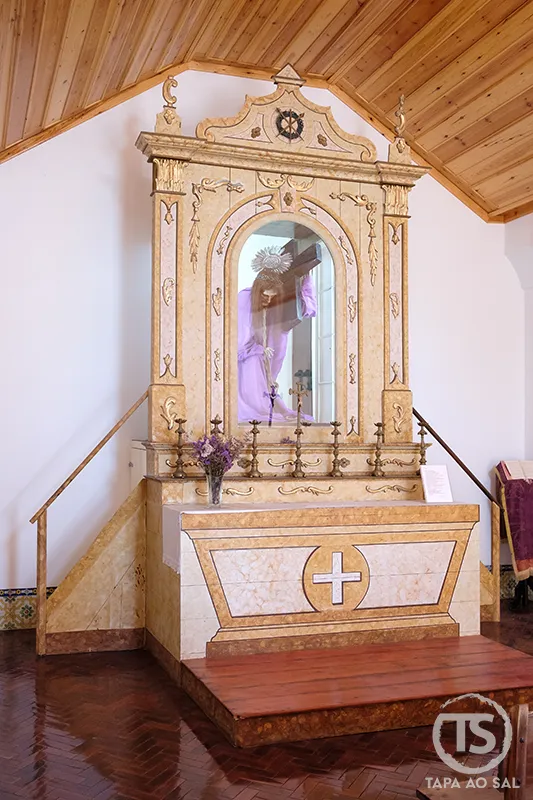
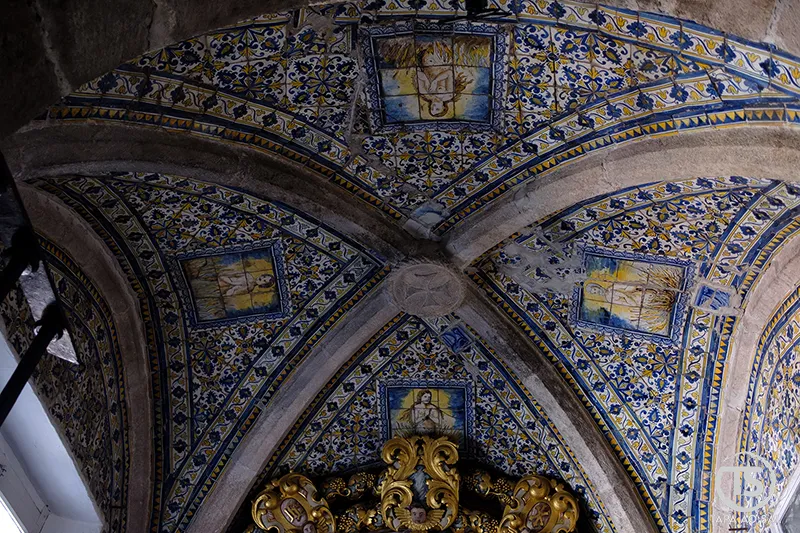
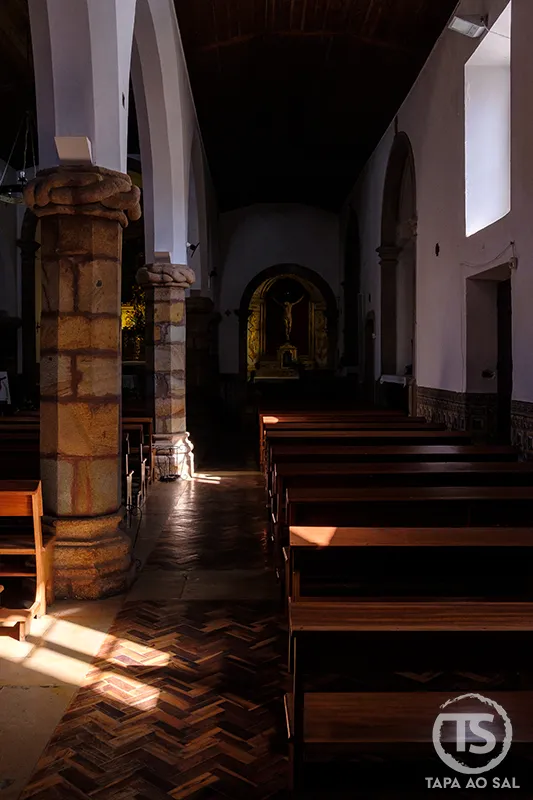
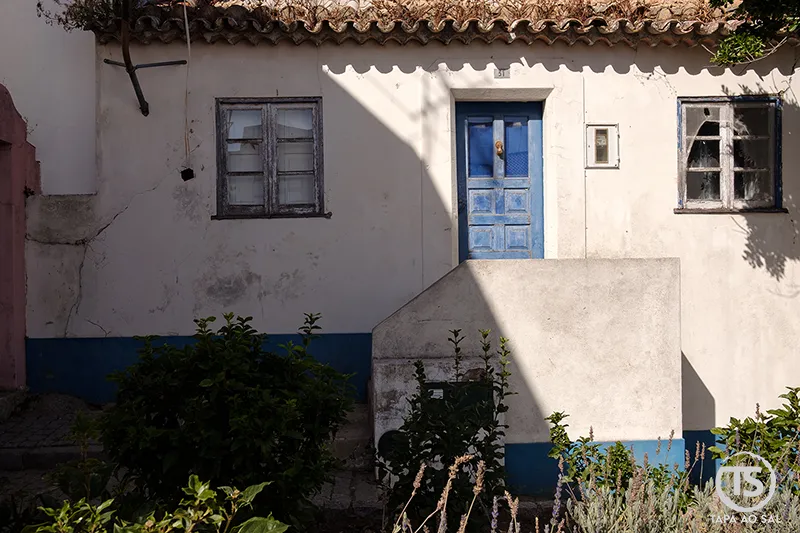
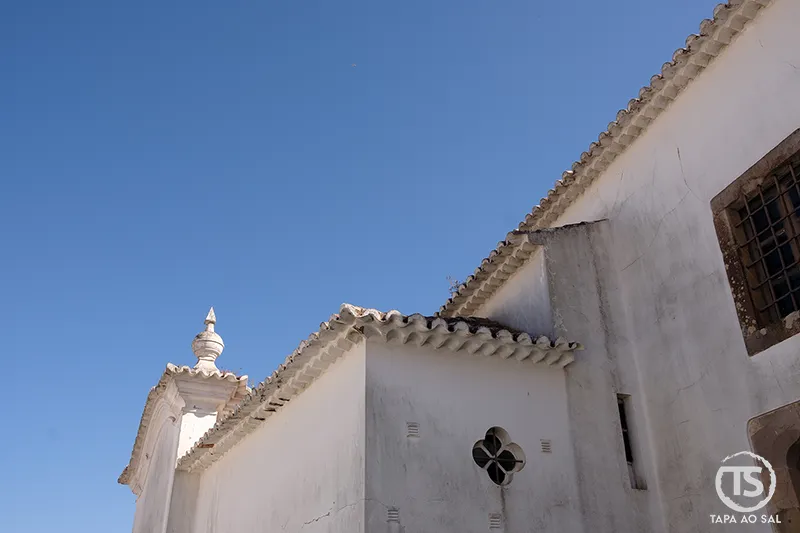
Monchique image gallery
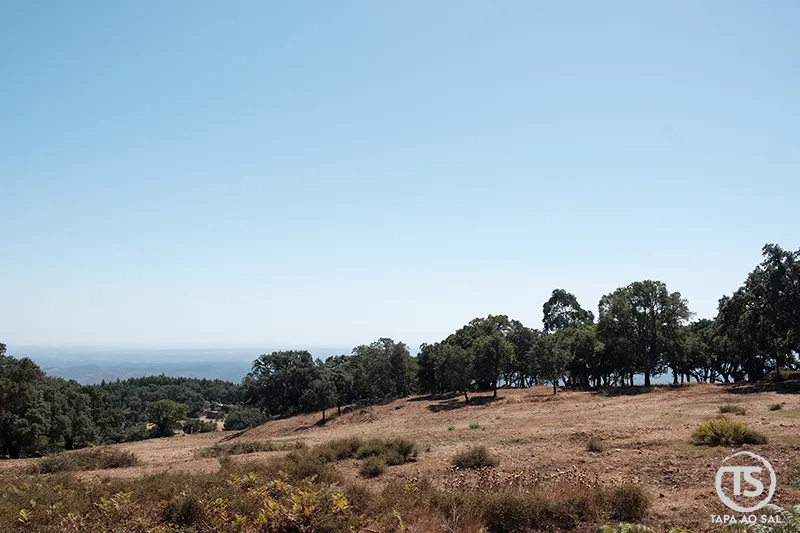
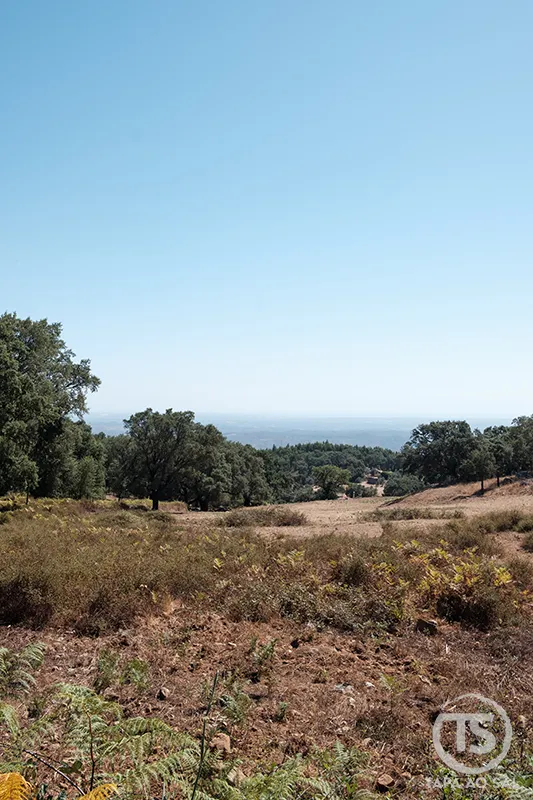
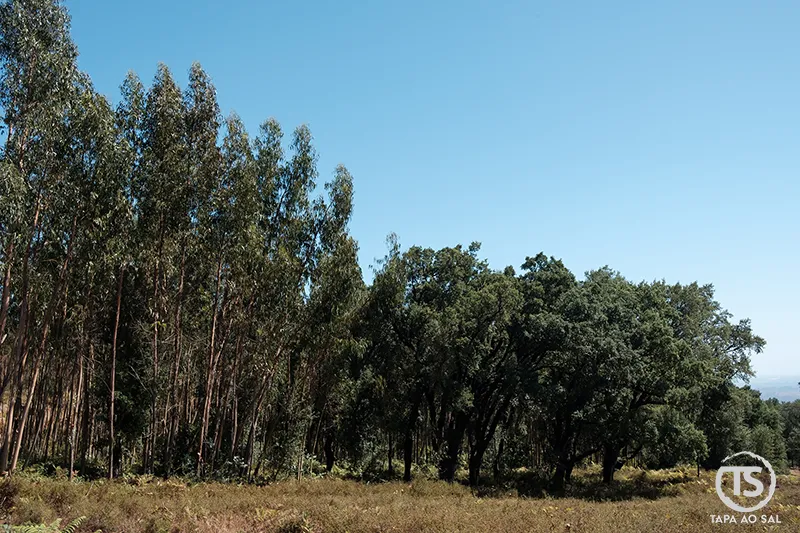
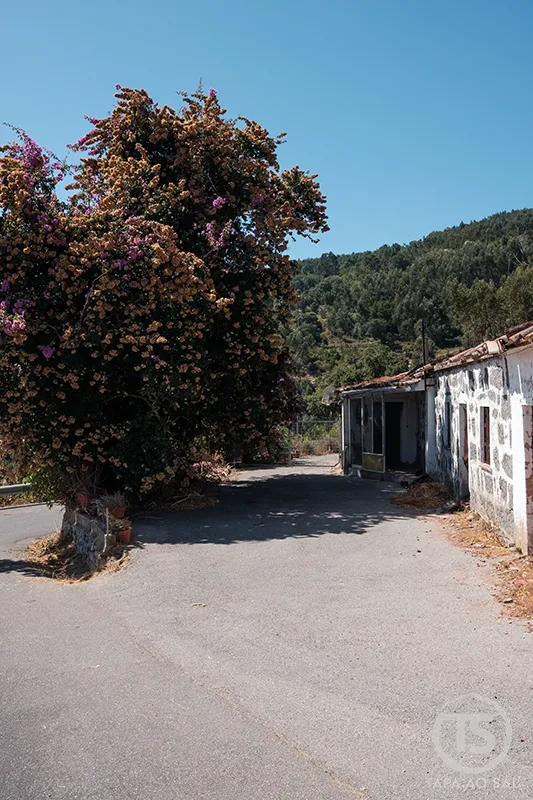
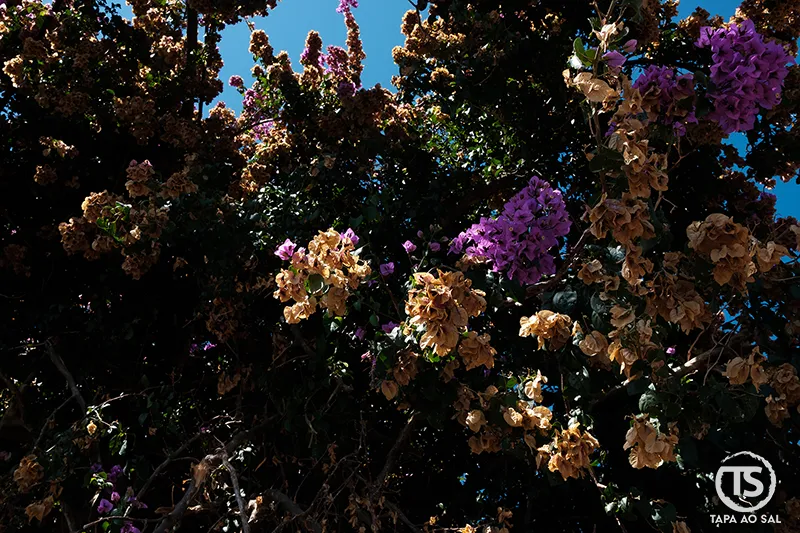
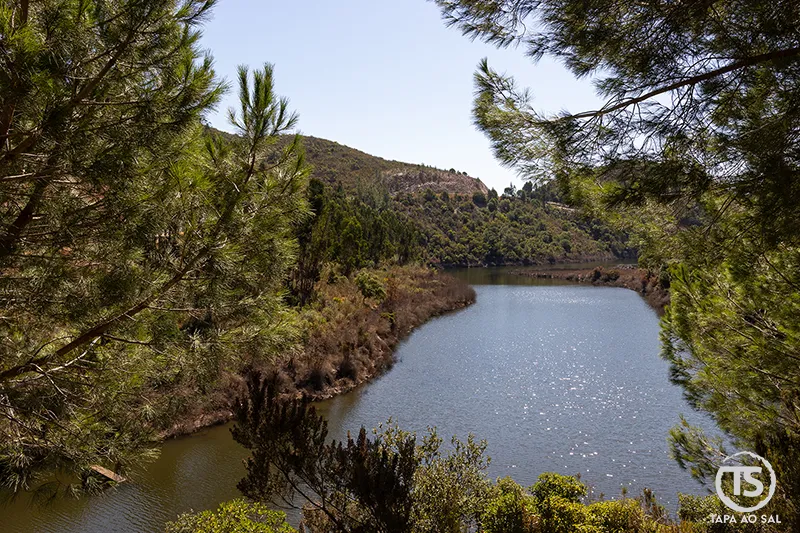
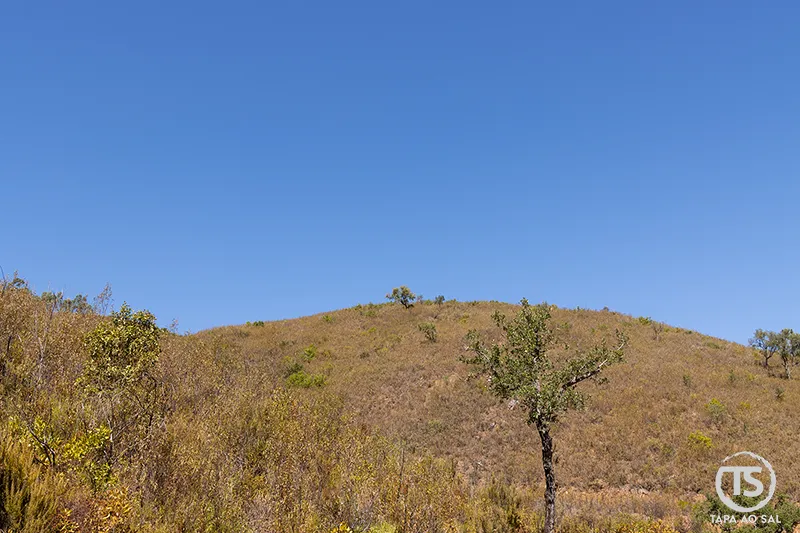
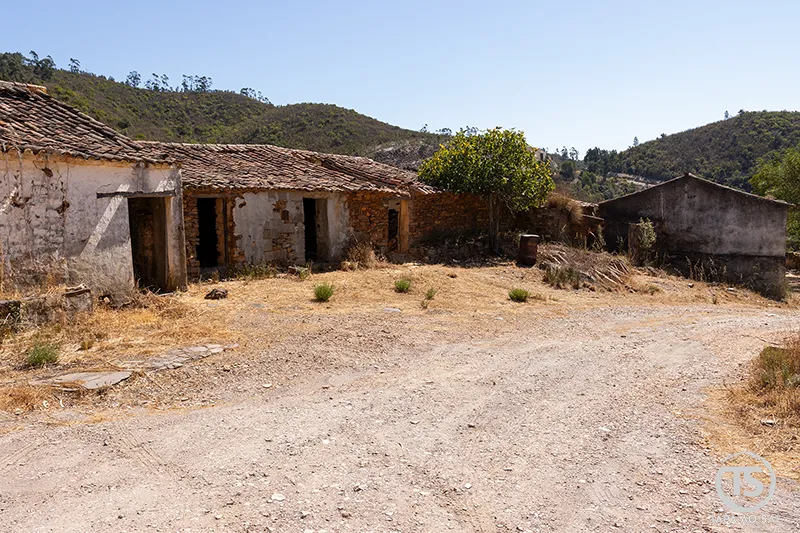
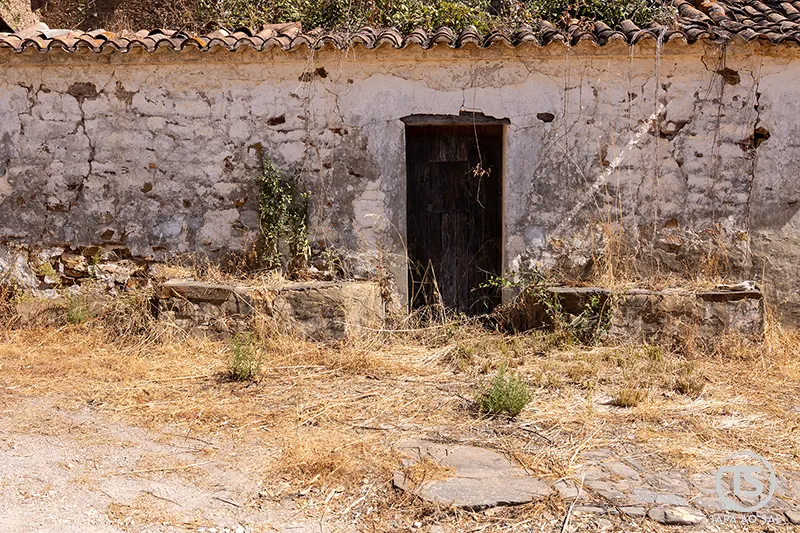
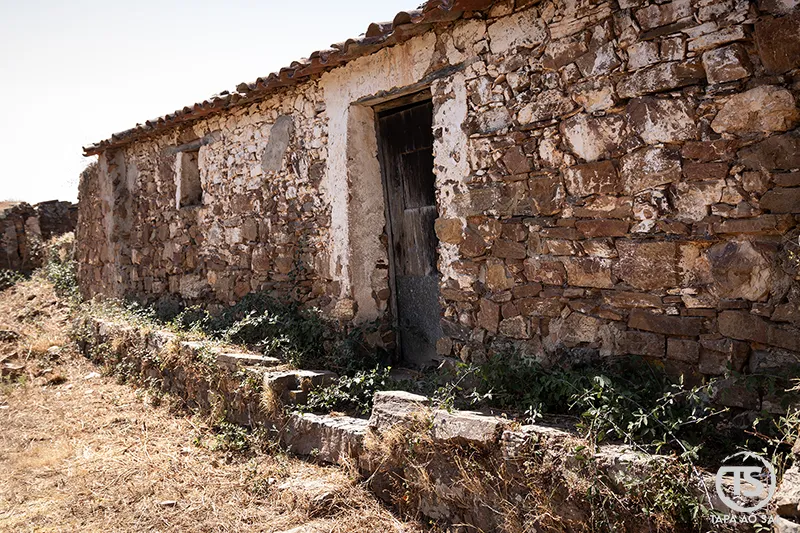
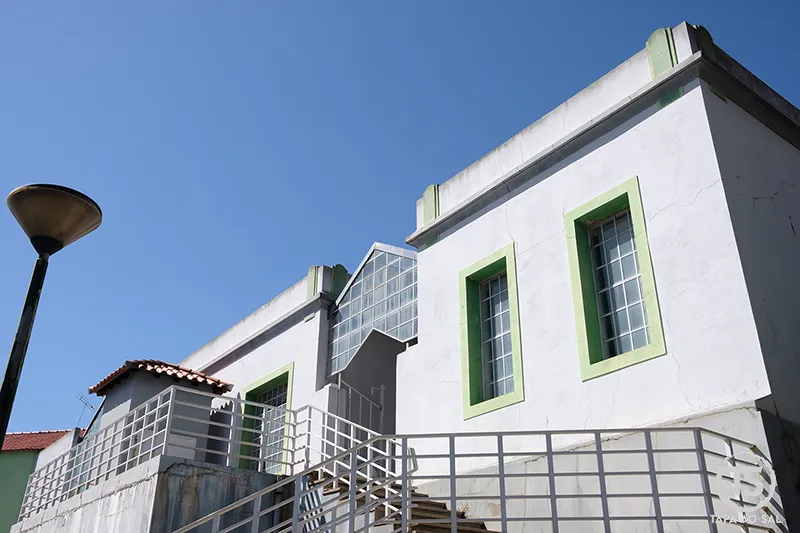
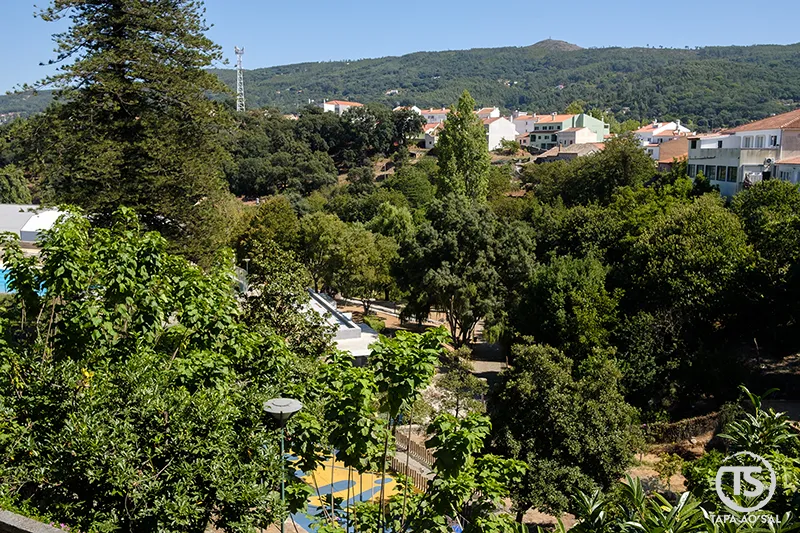
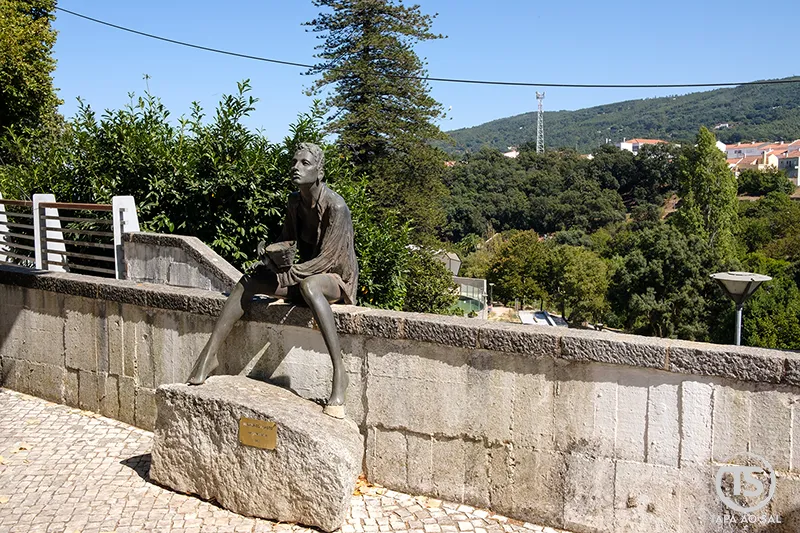
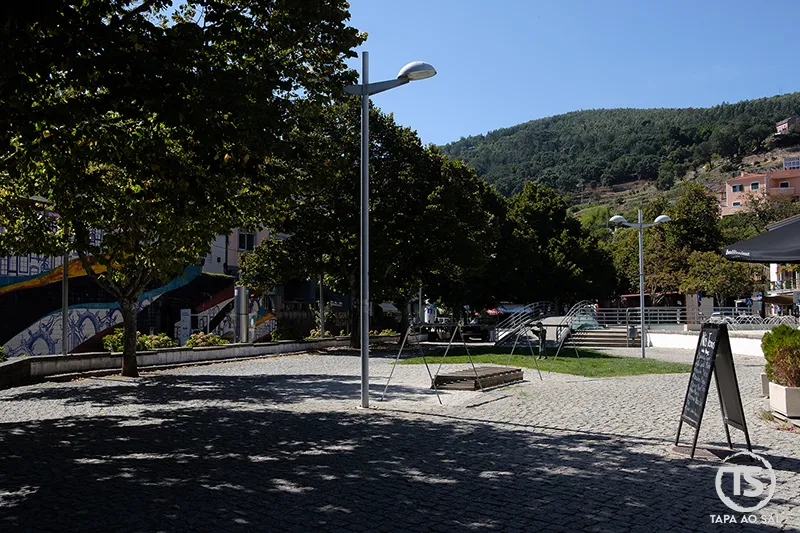
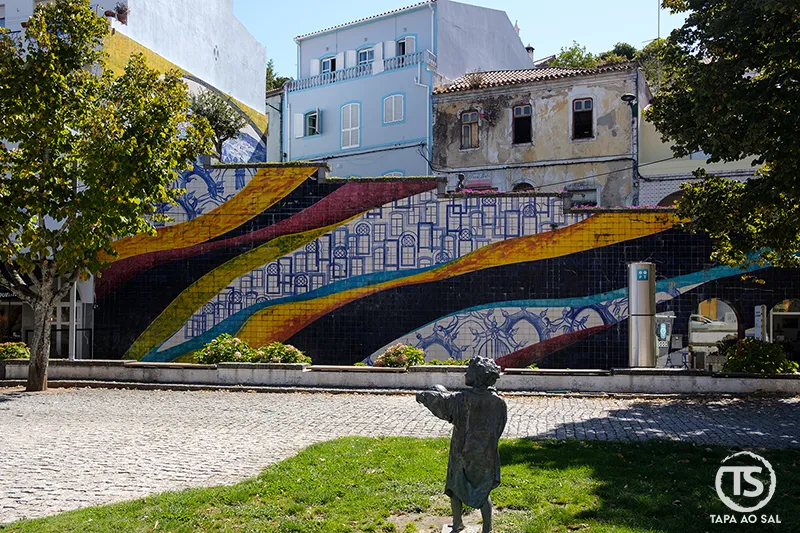
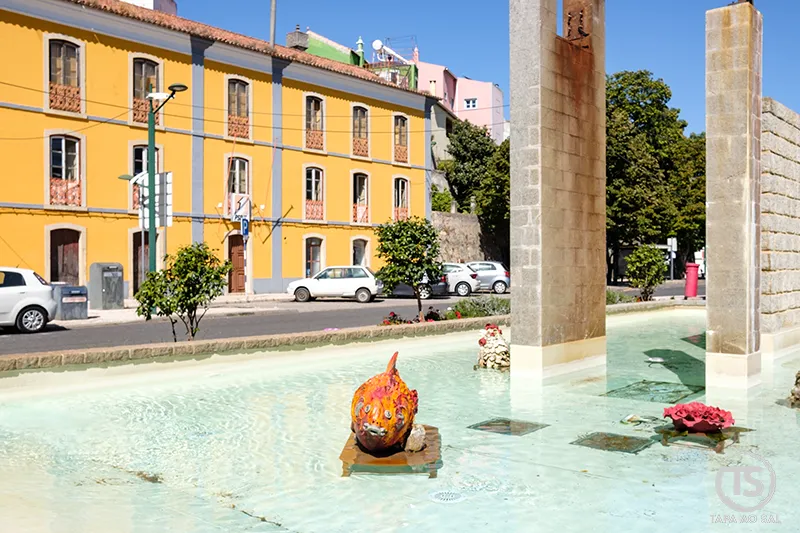
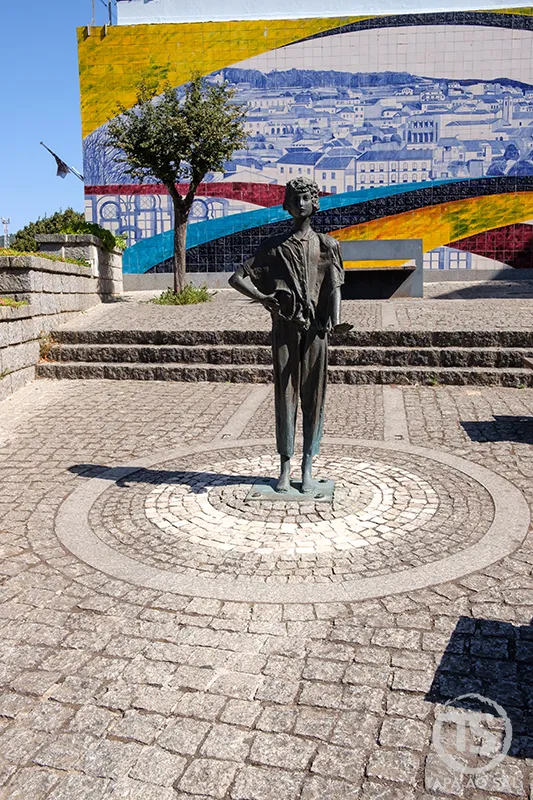
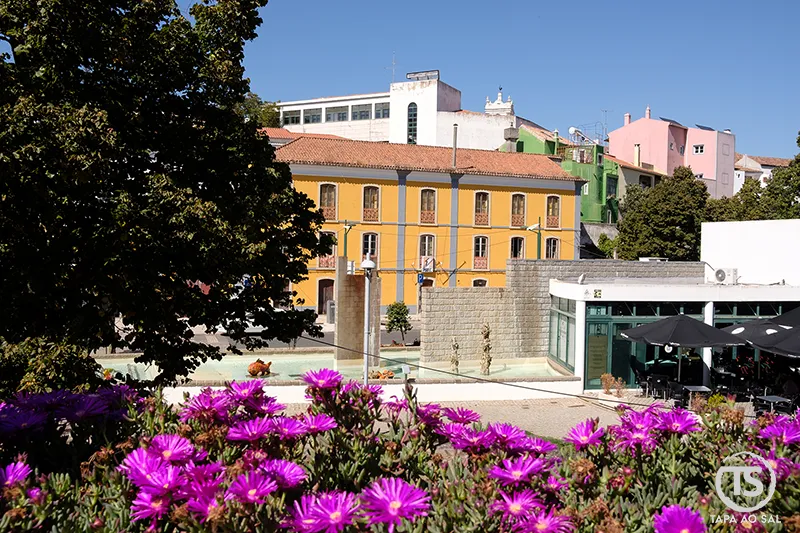
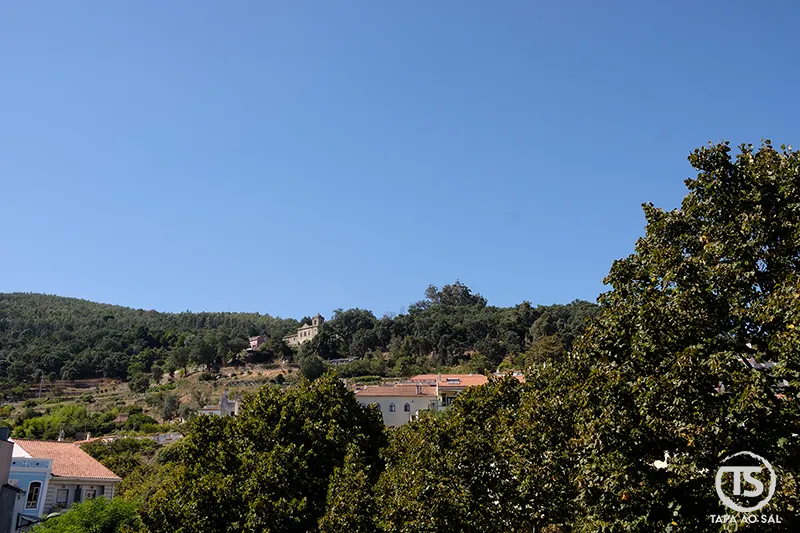
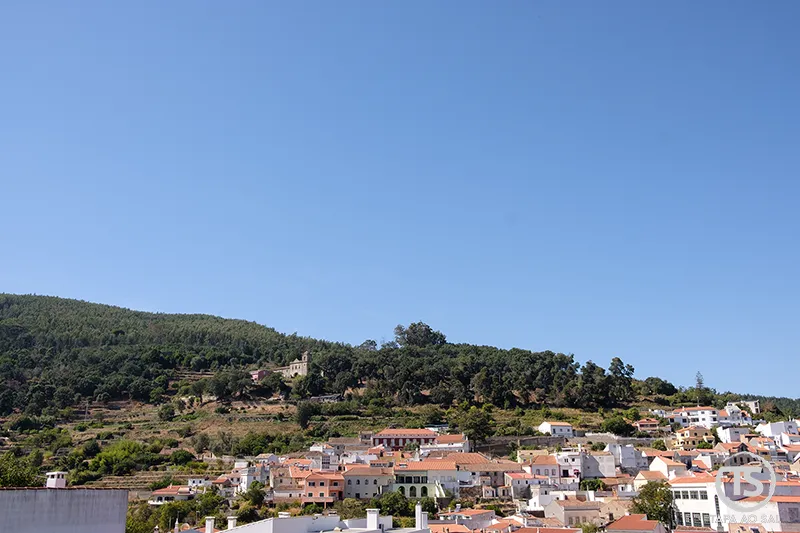
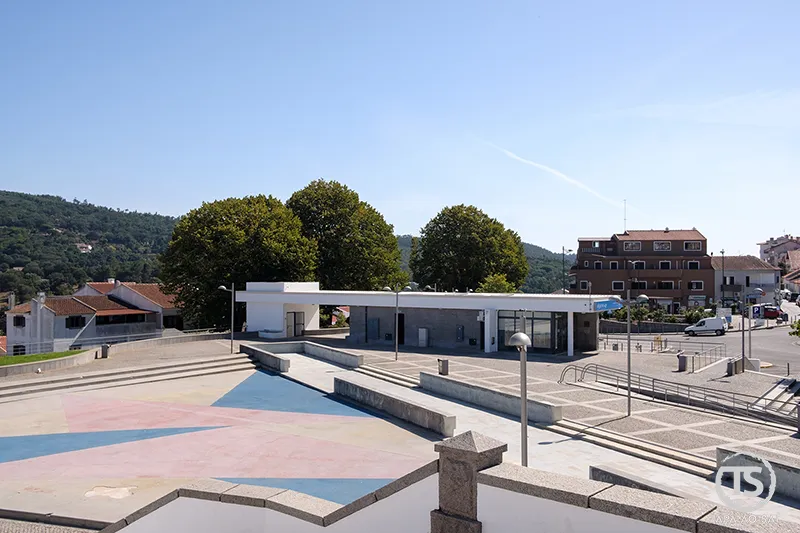
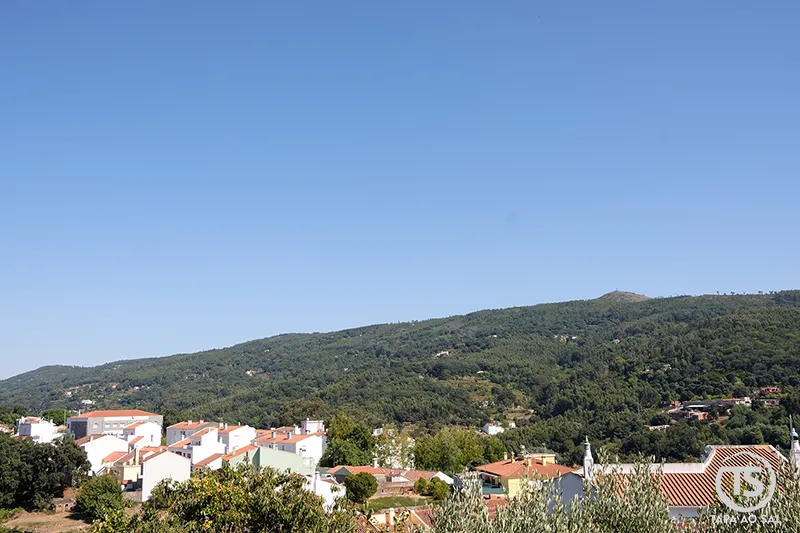
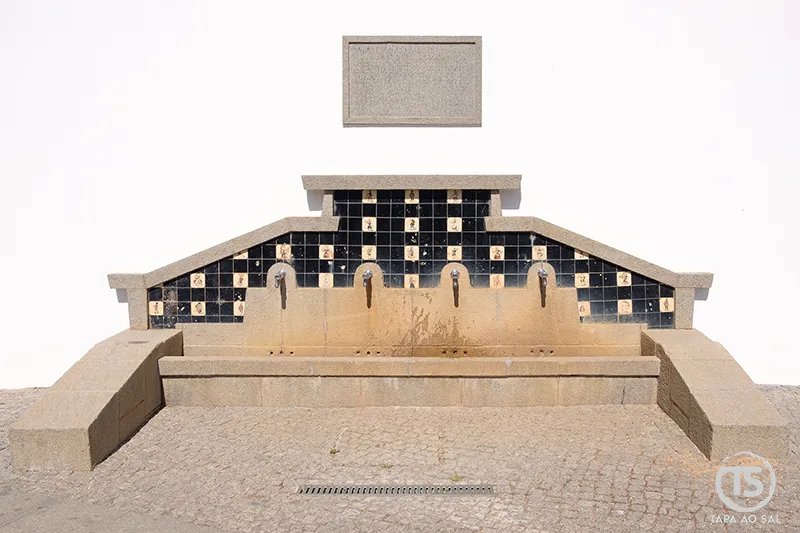
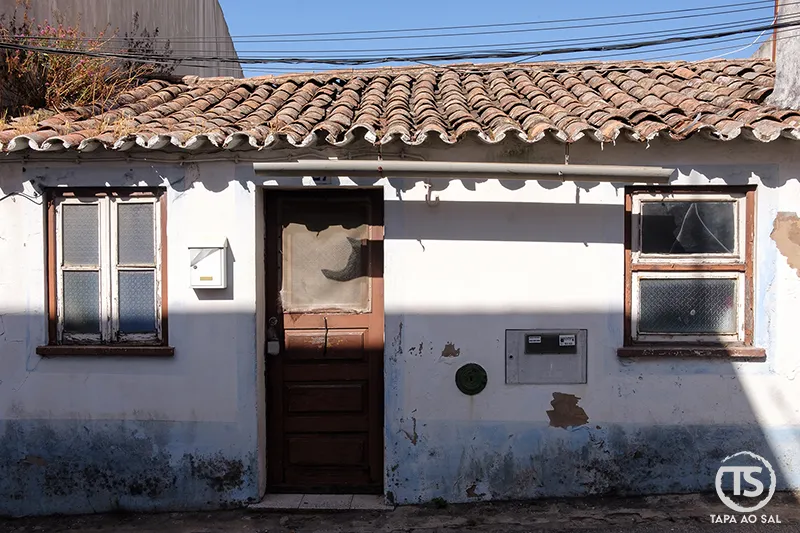
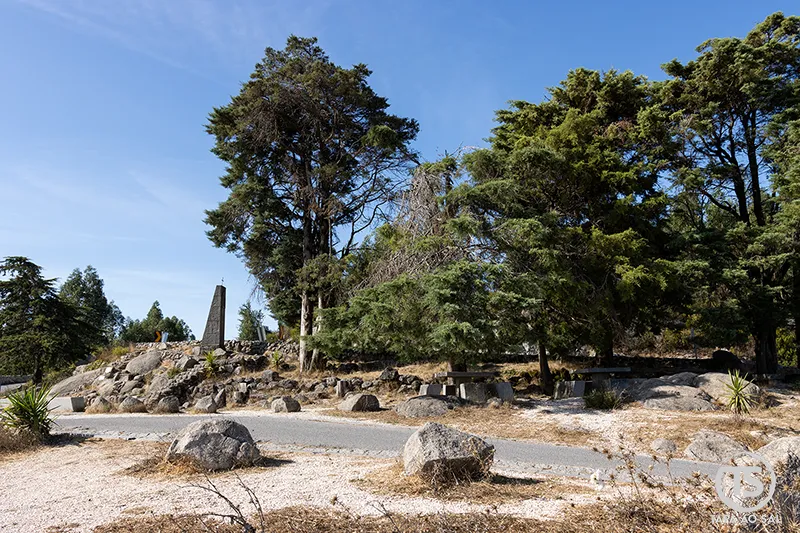
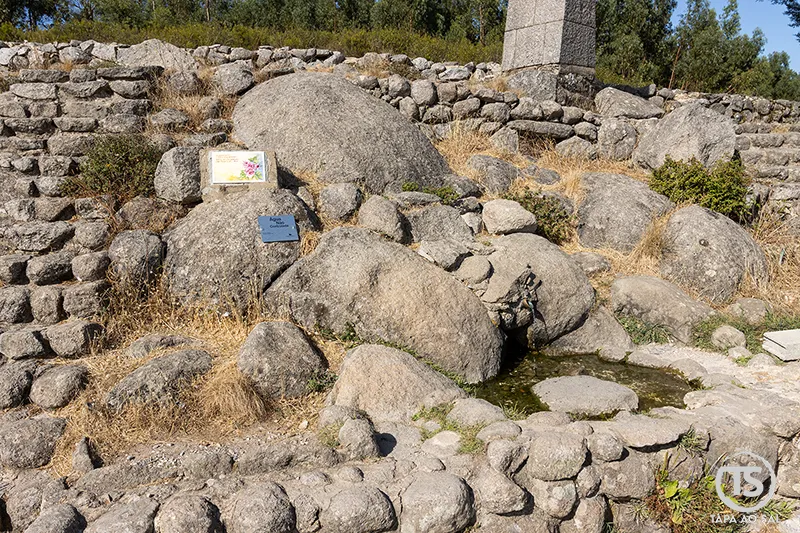
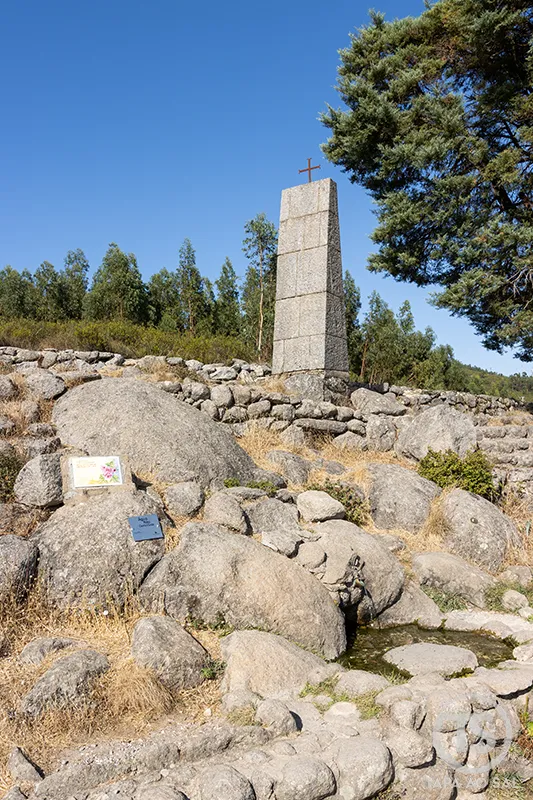
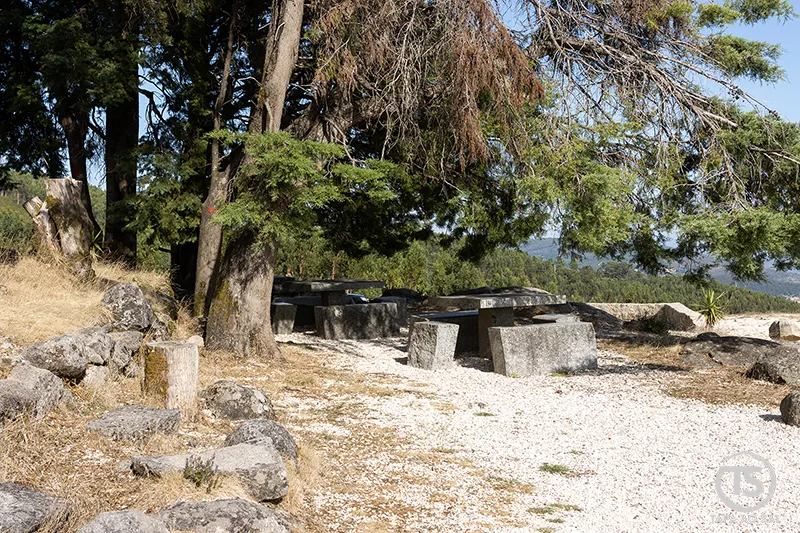
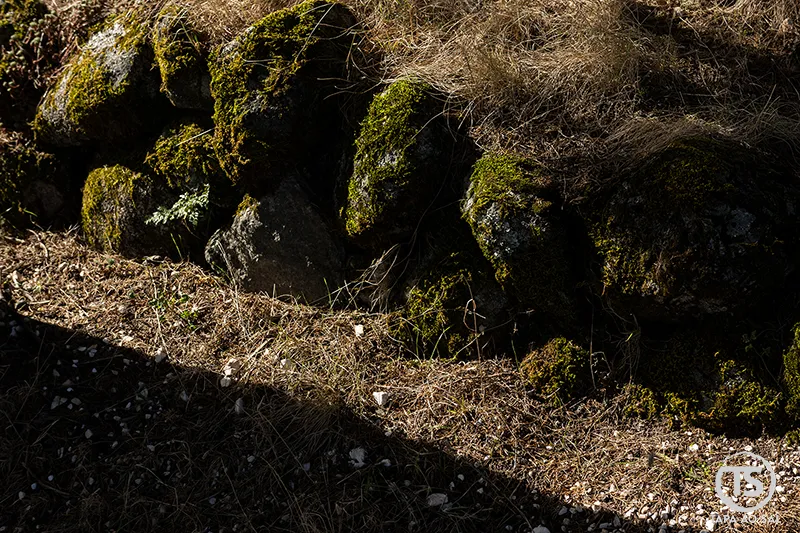
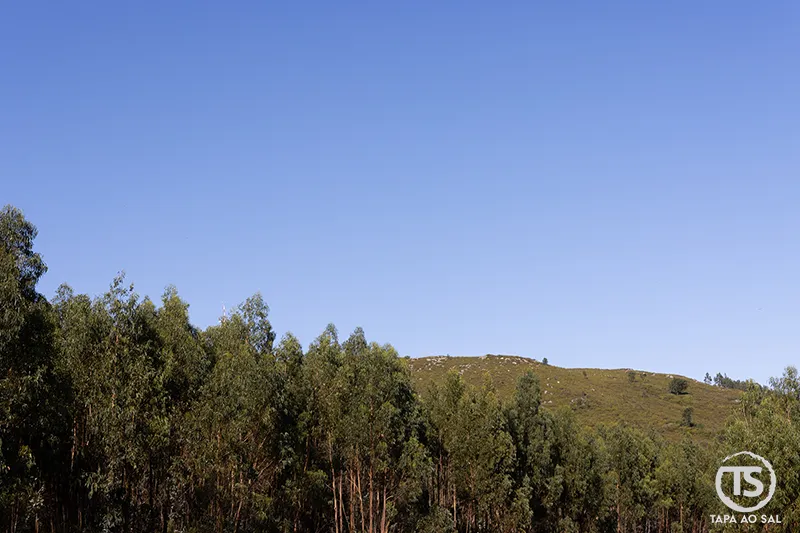
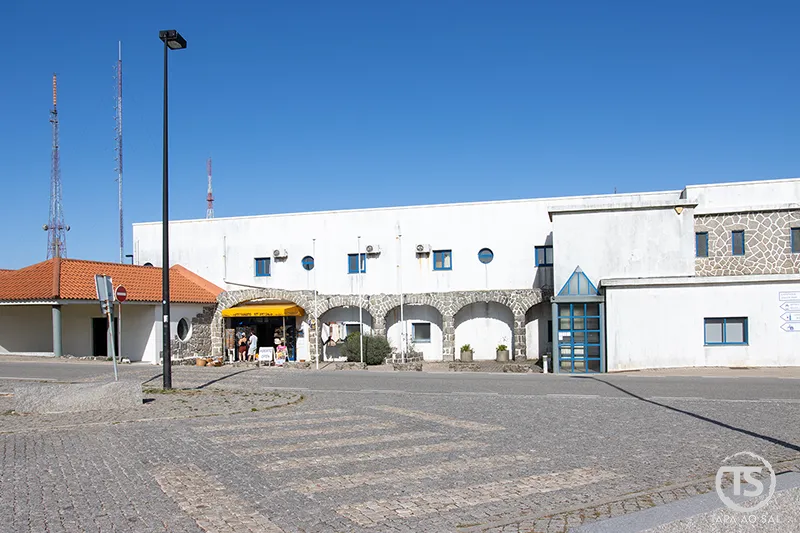
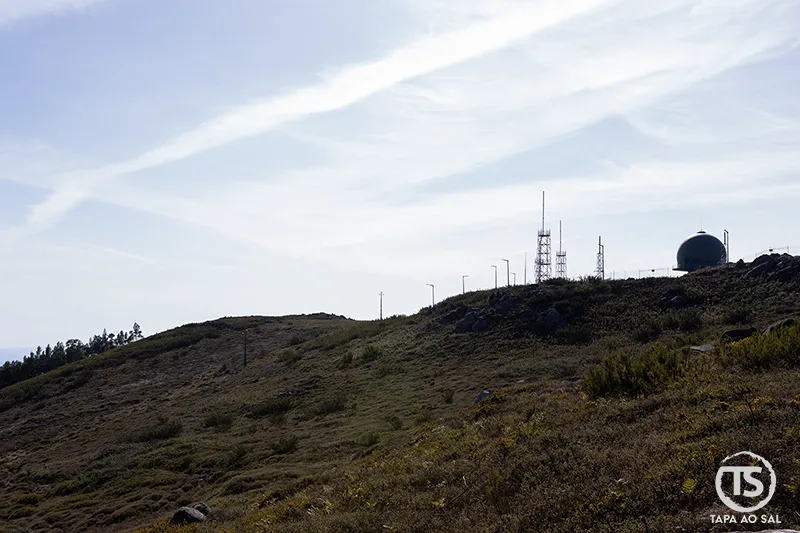
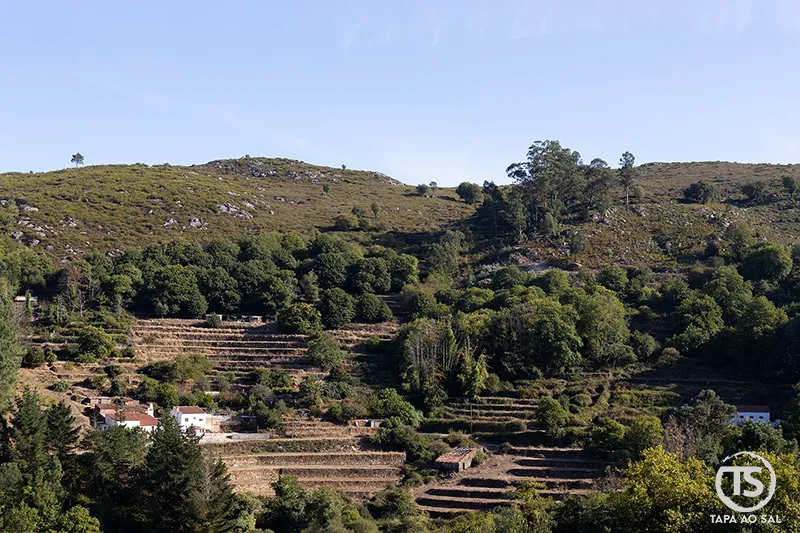
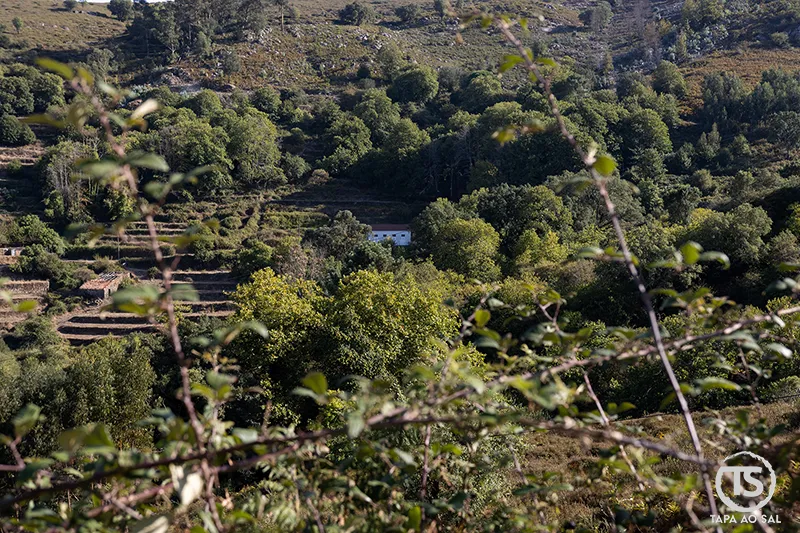
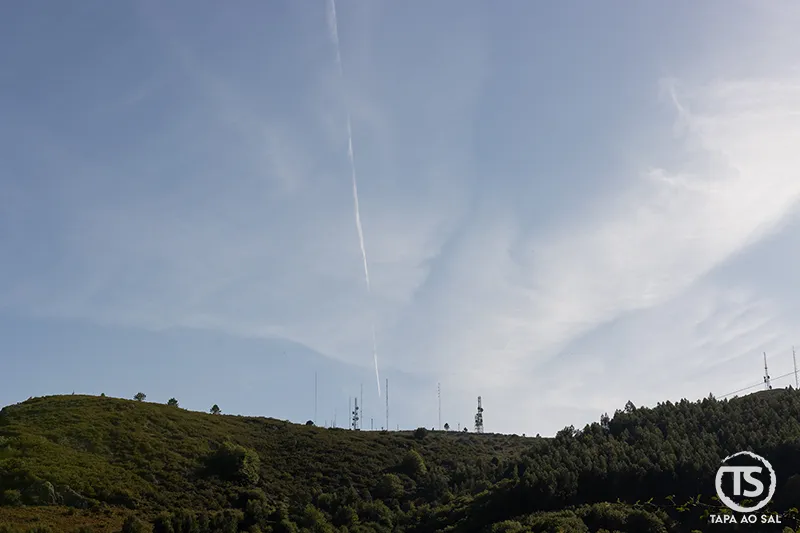
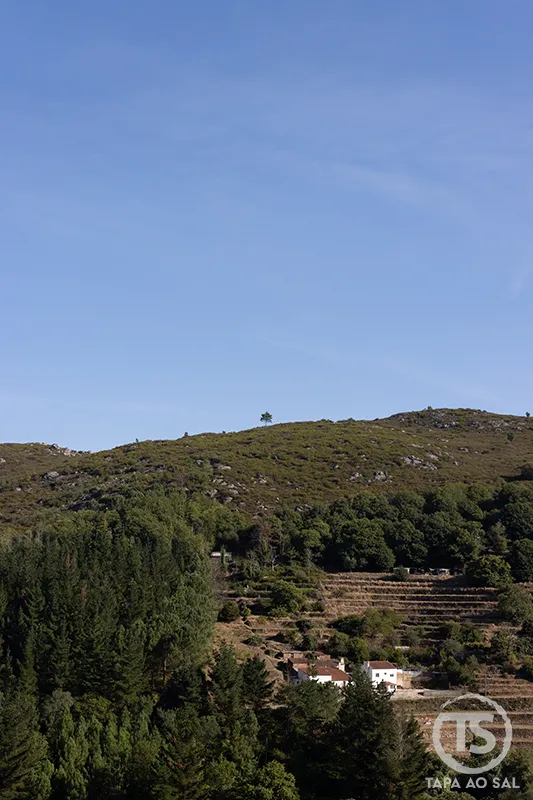
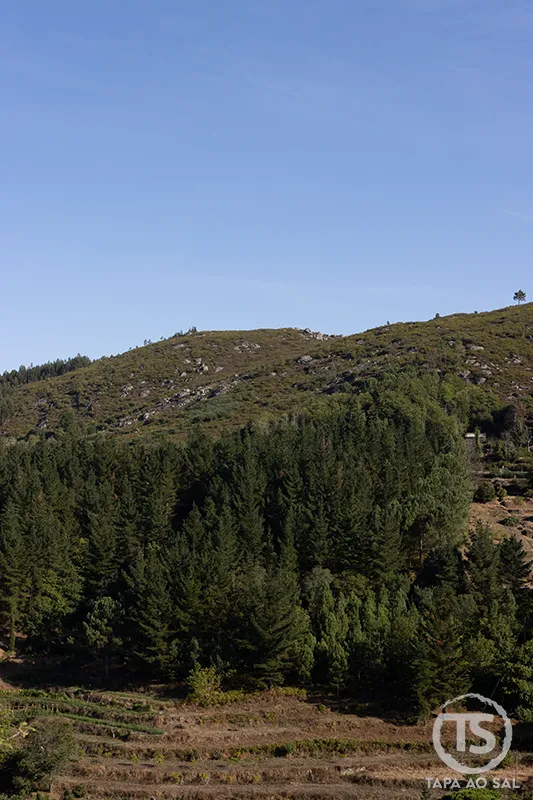
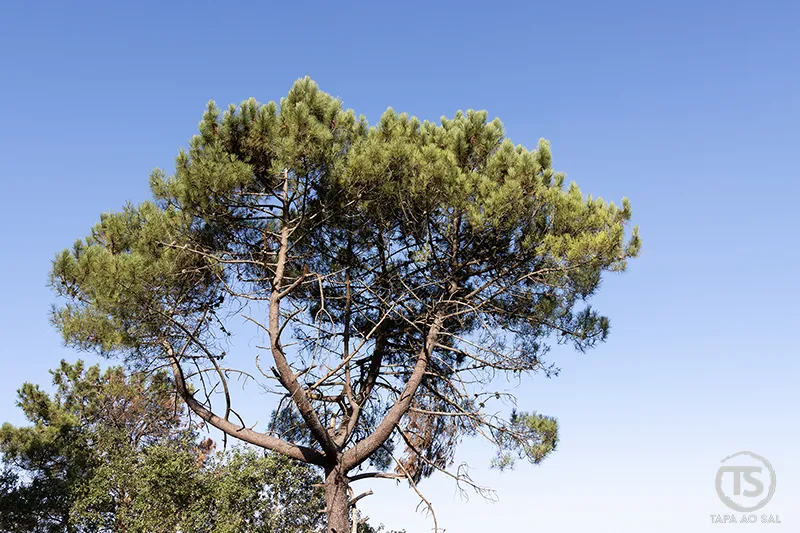
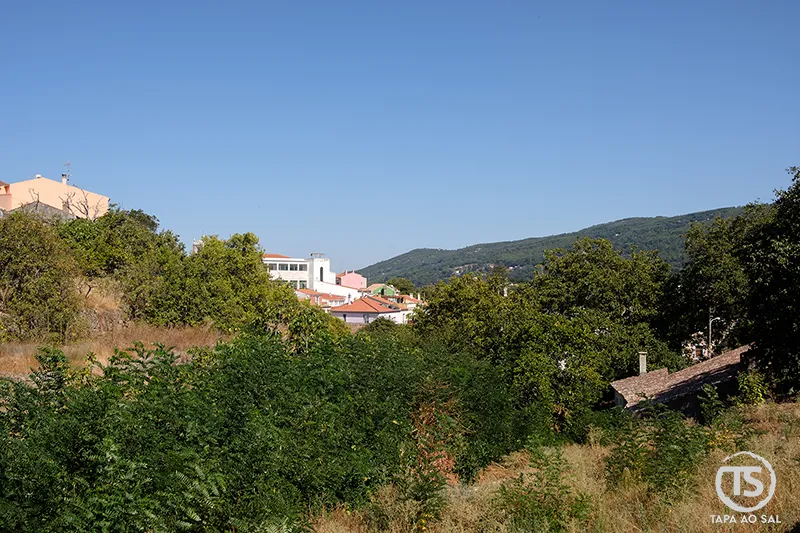
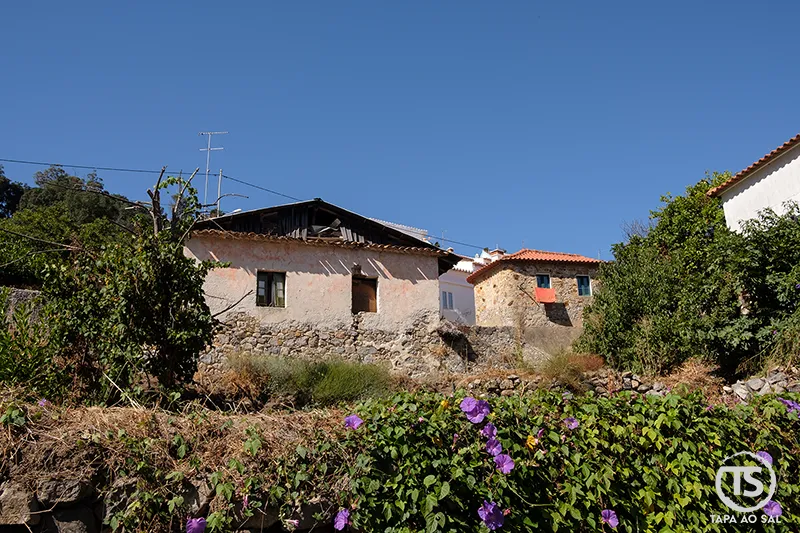
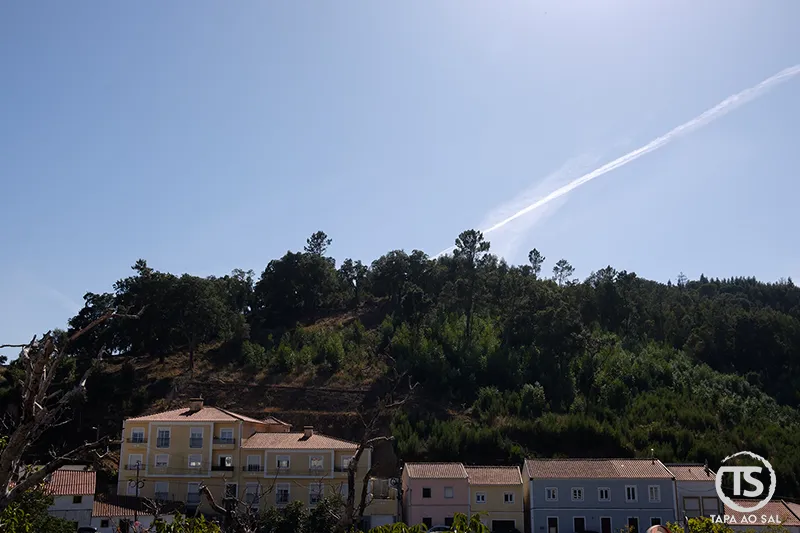
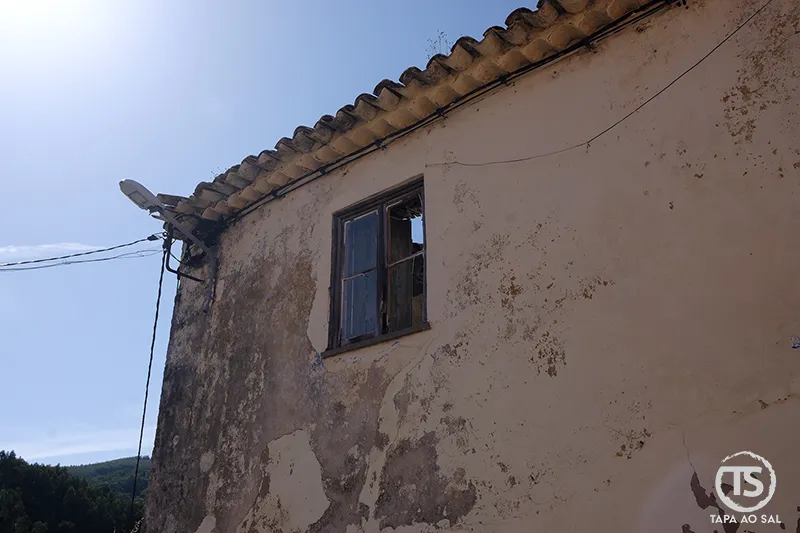
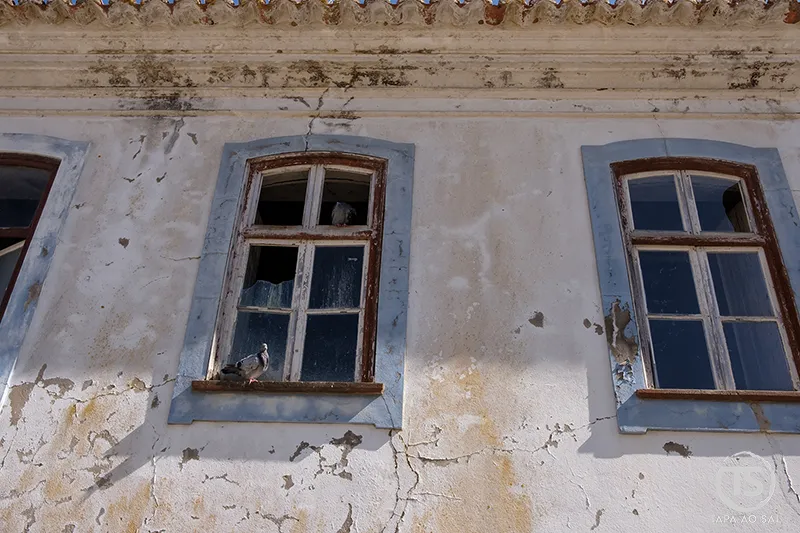
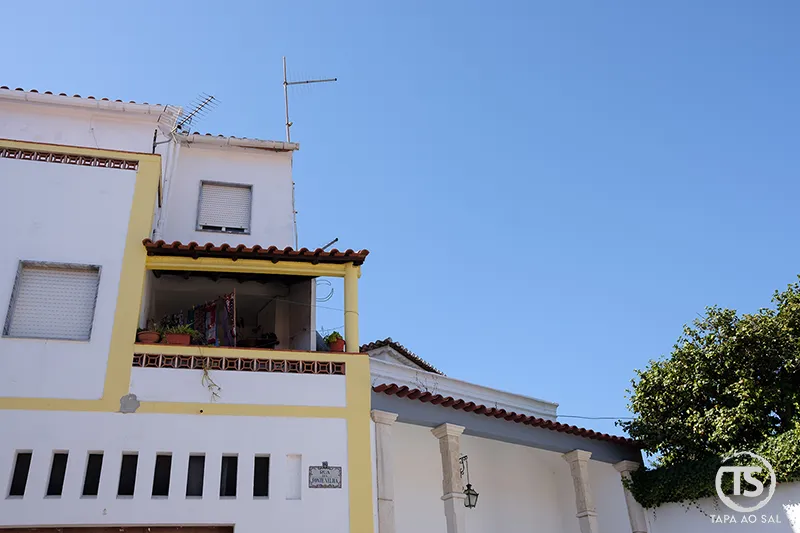
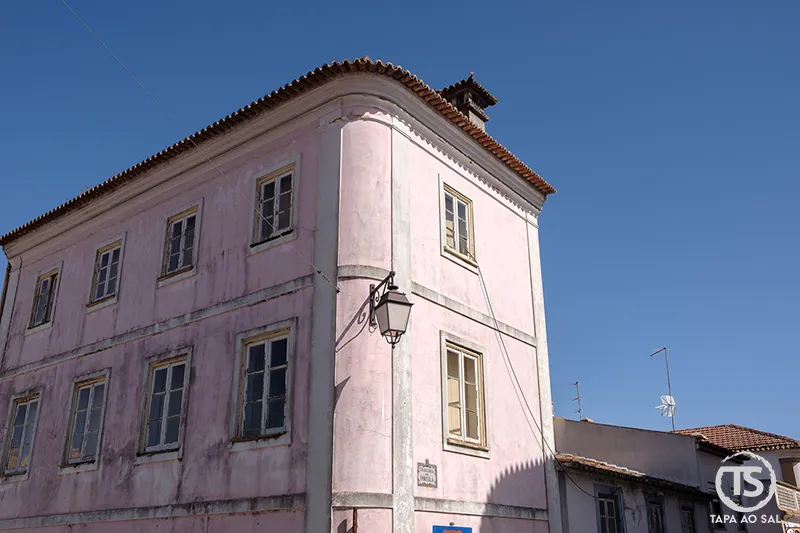
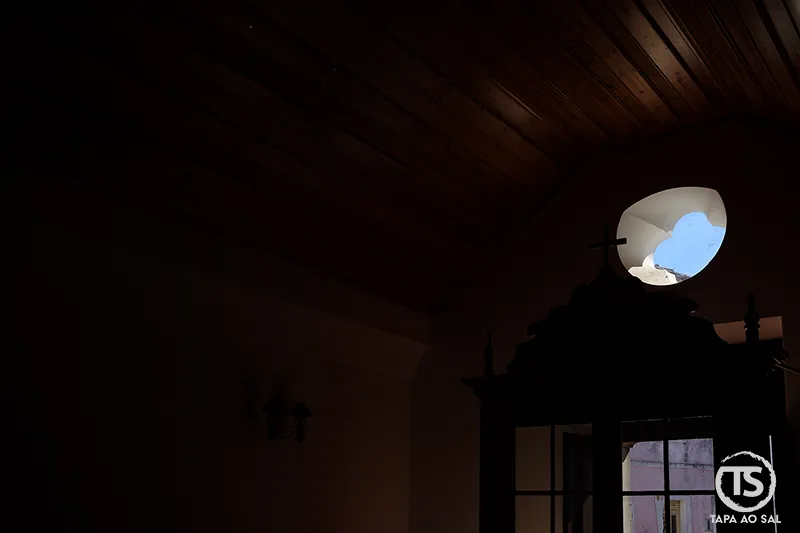
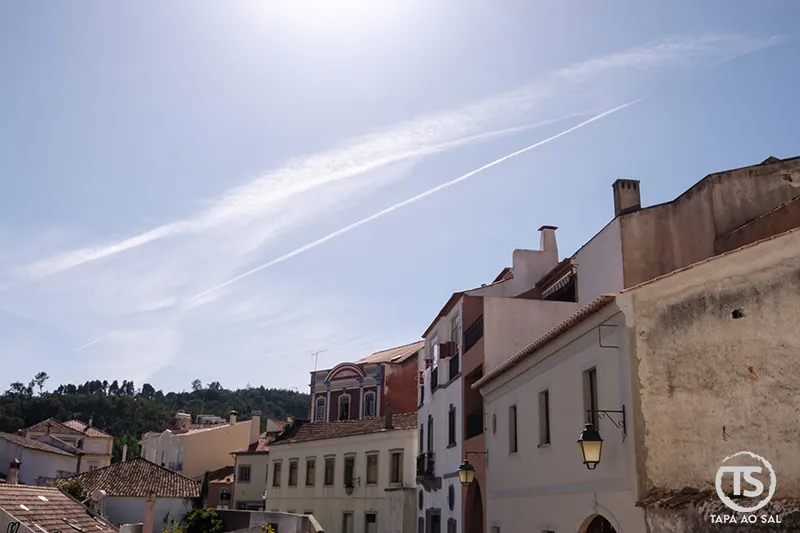
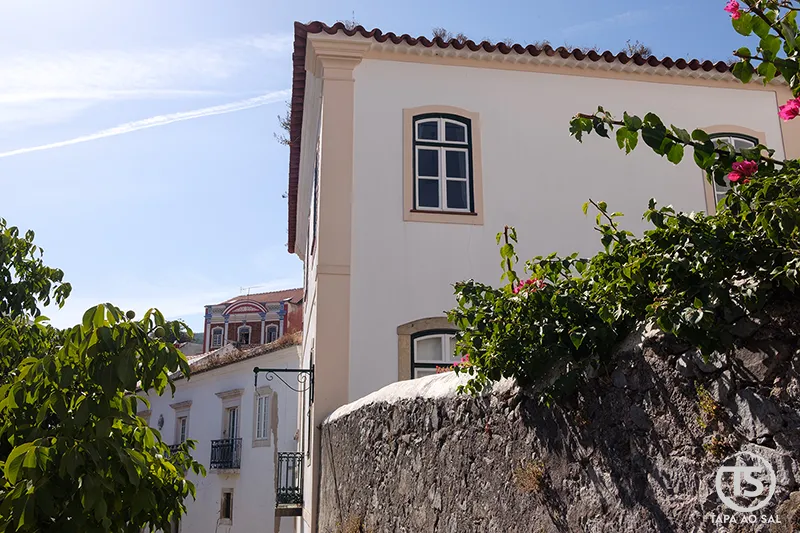
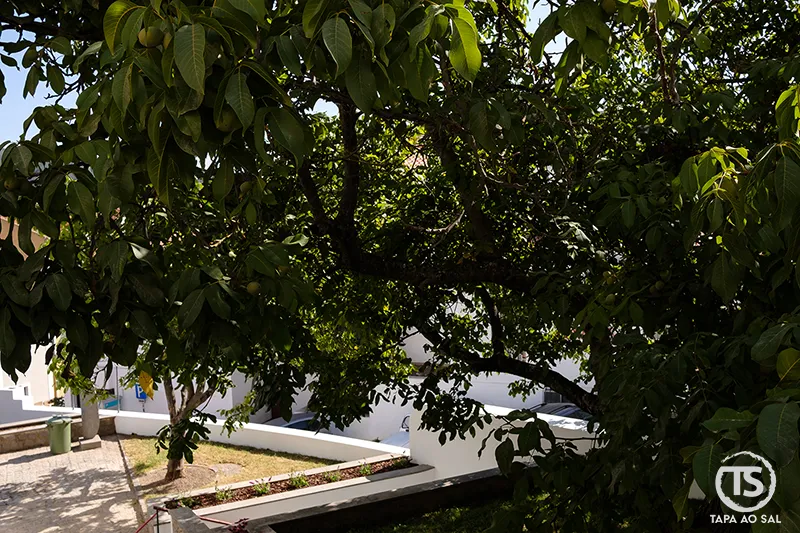
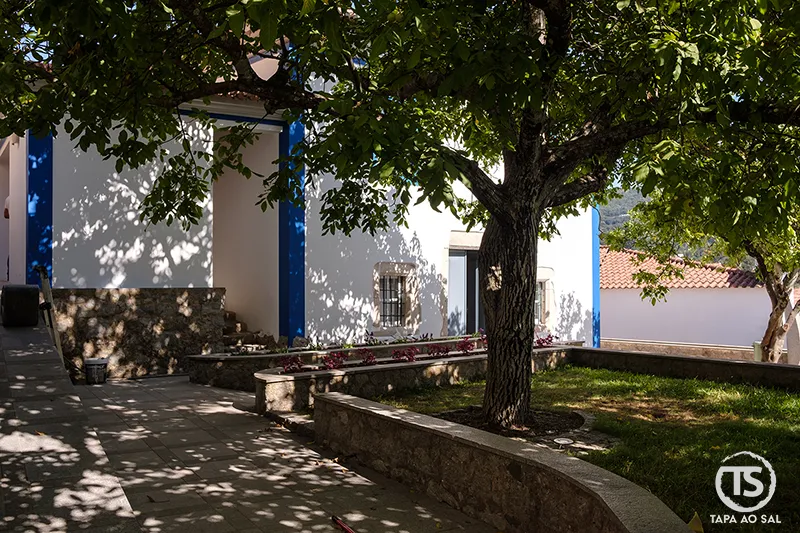
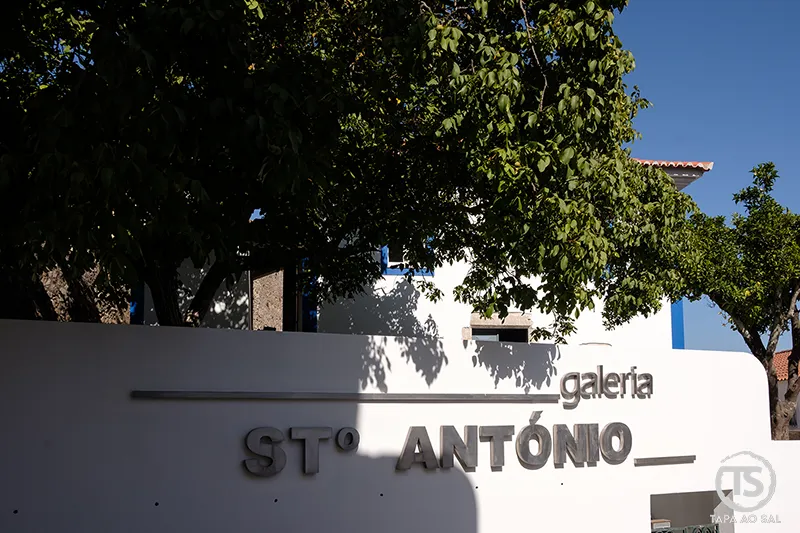
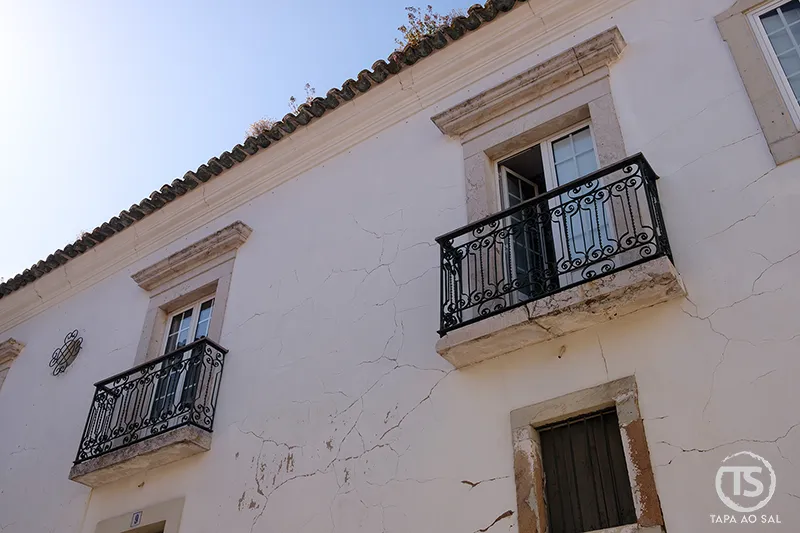
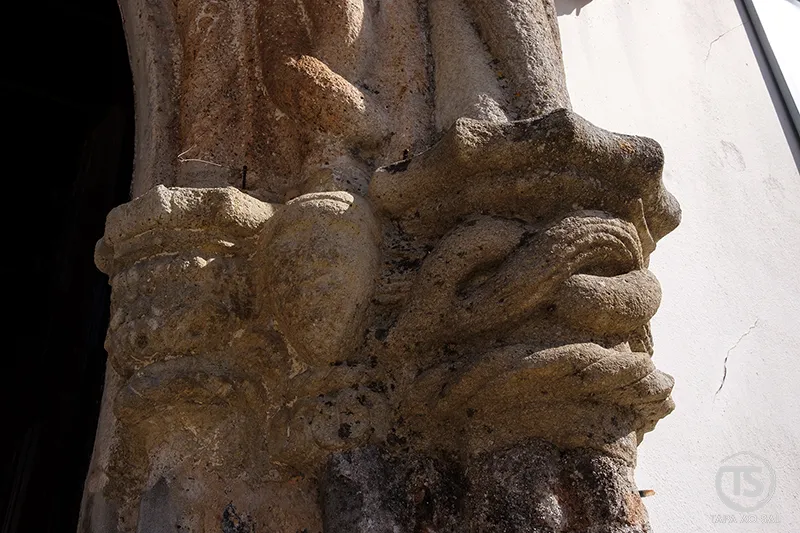
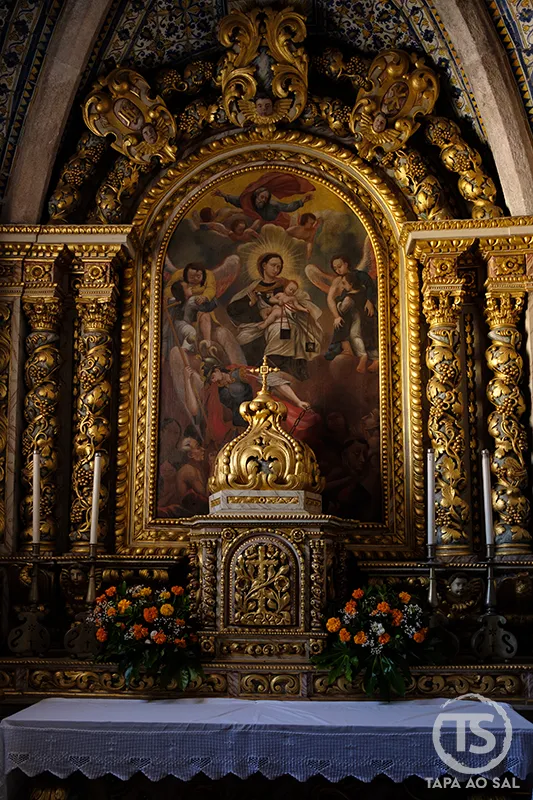
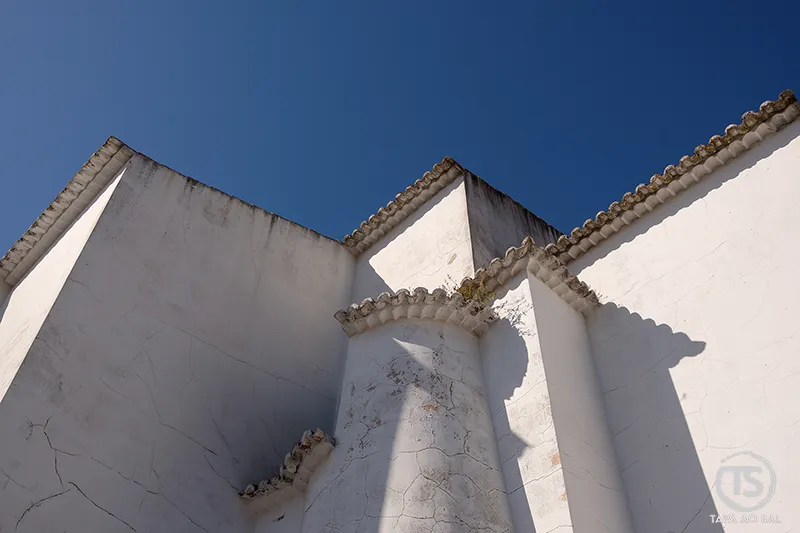
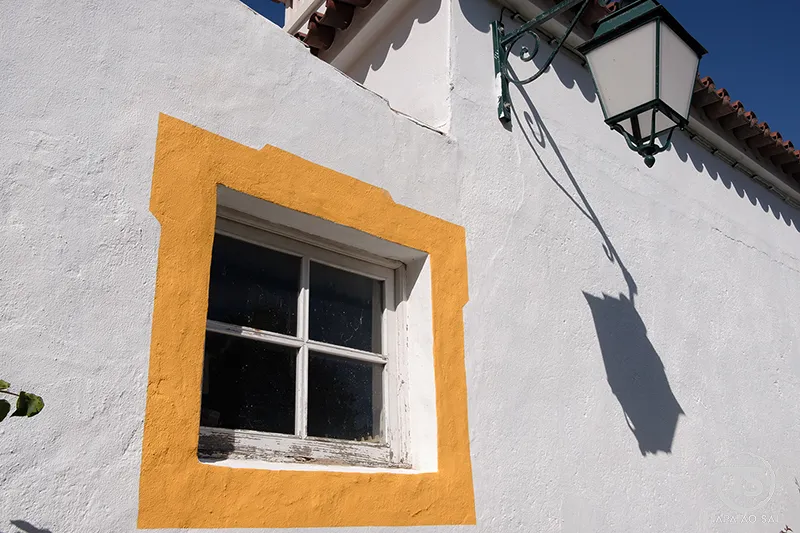
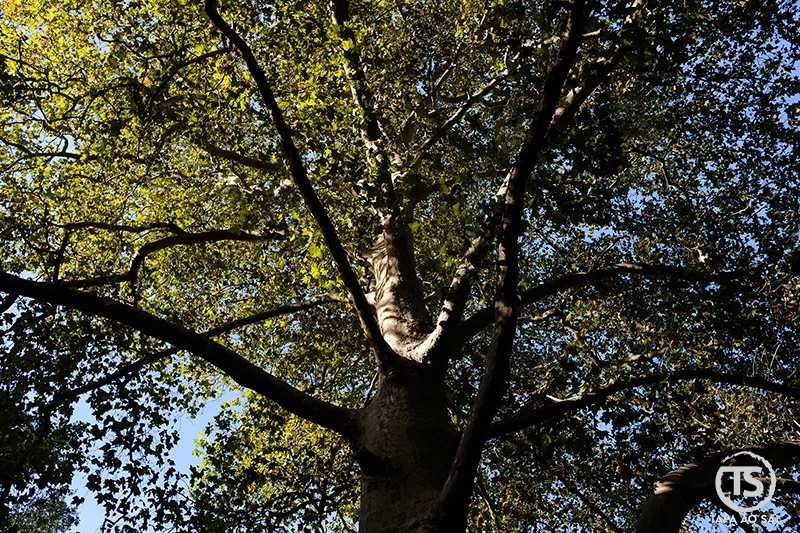
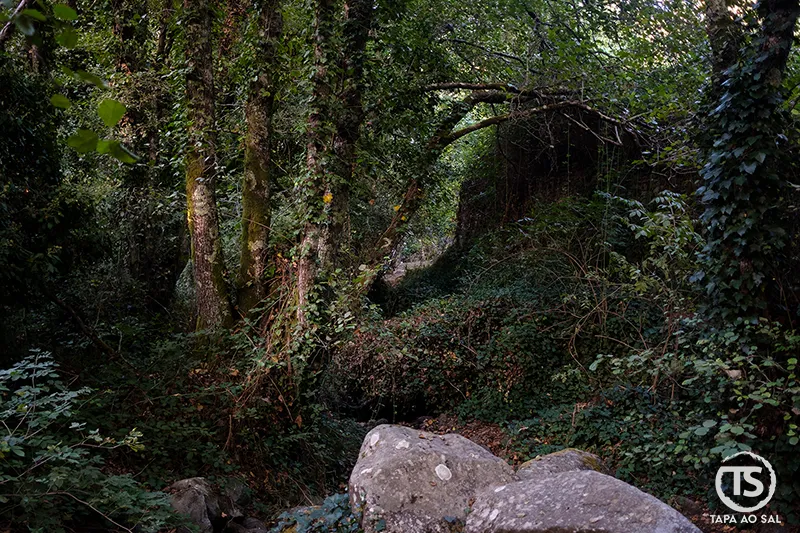
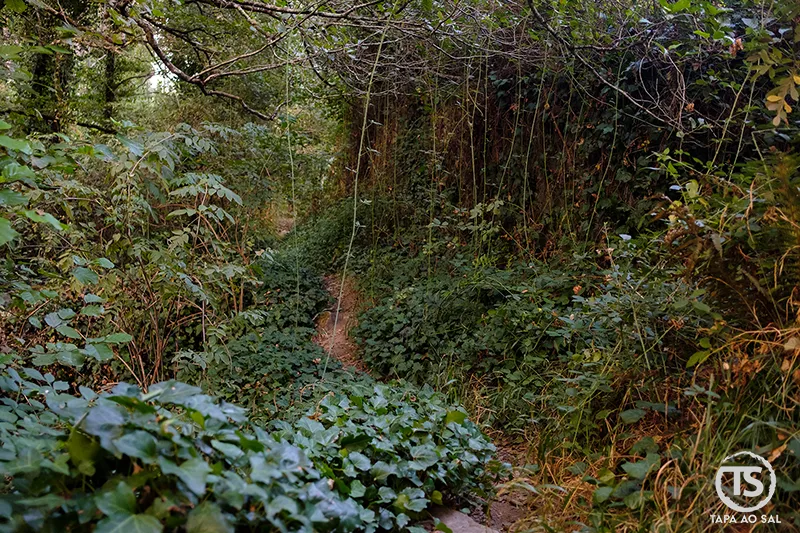
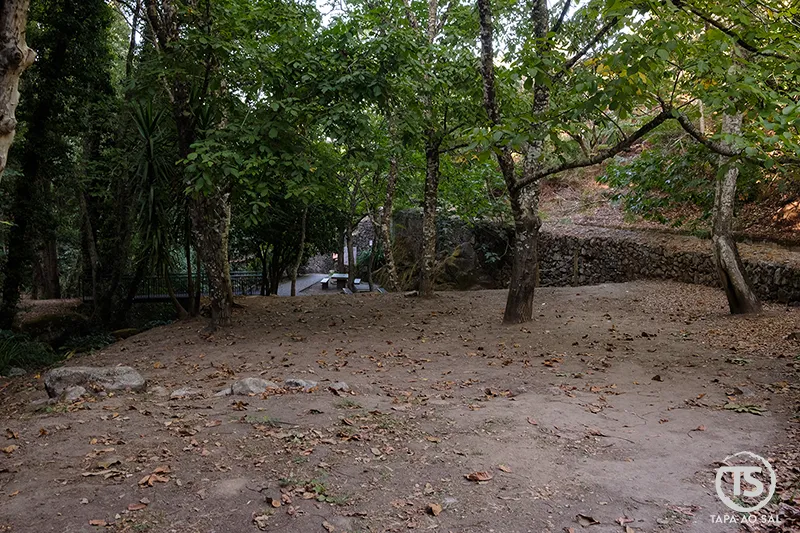
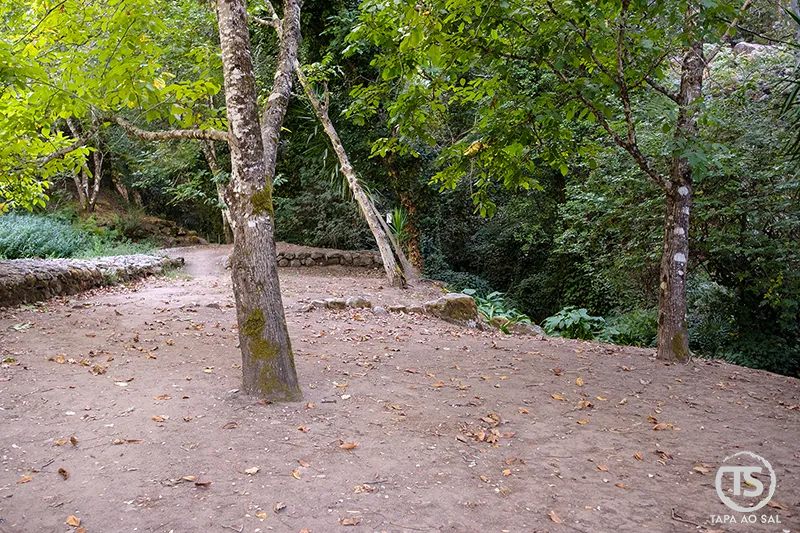
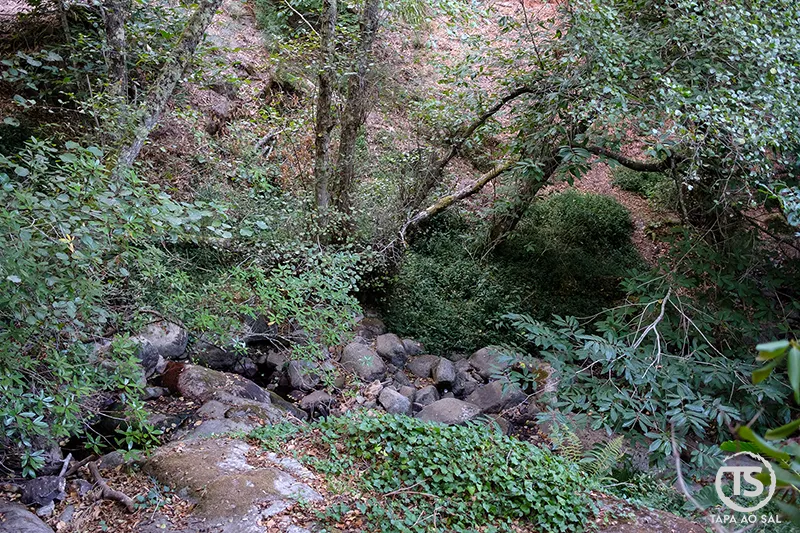
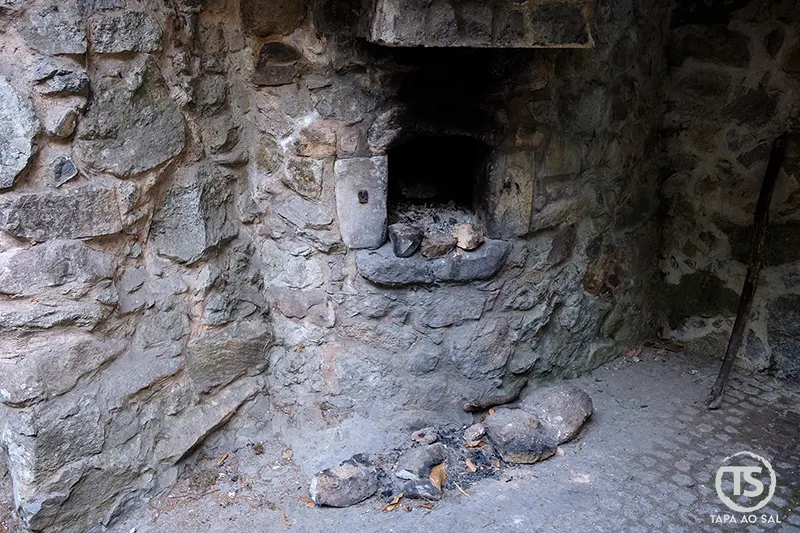
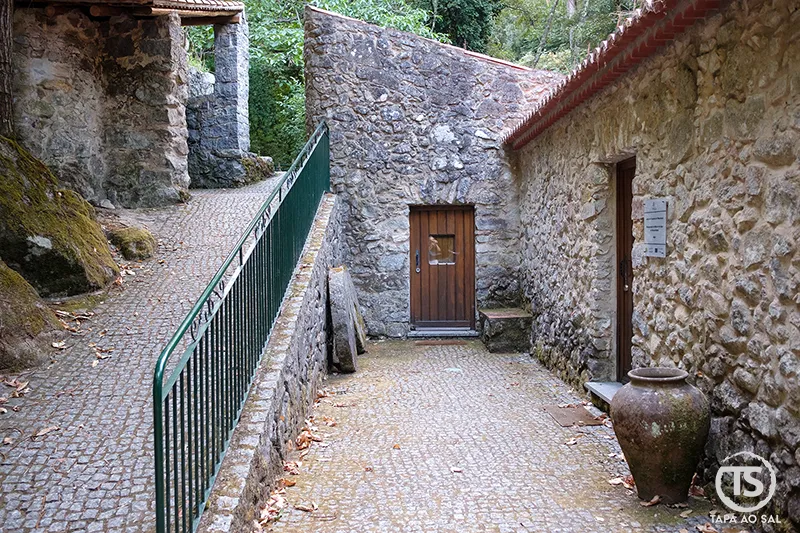
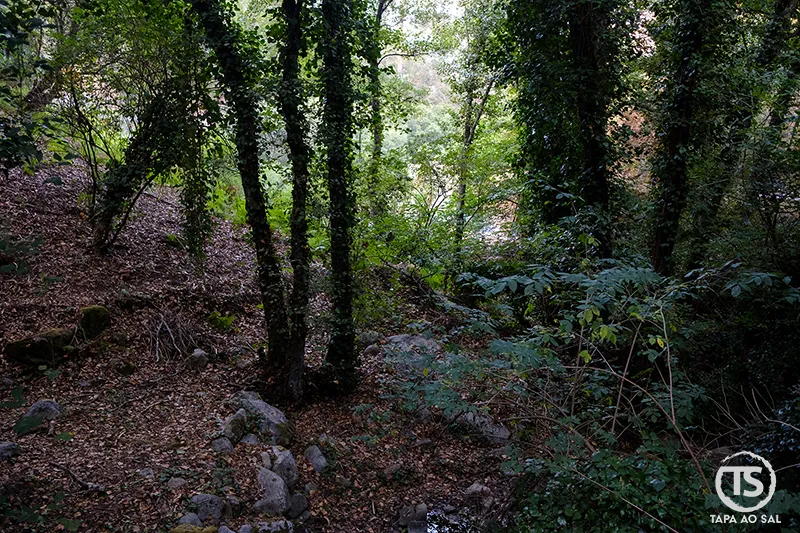
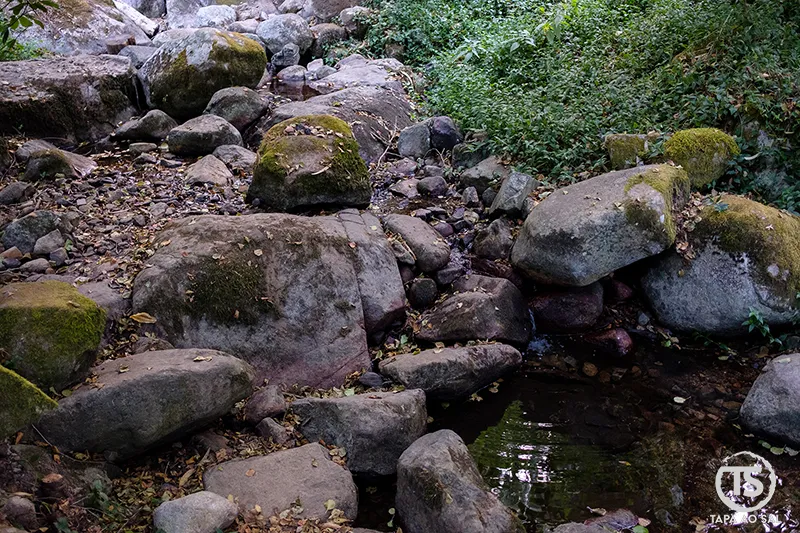
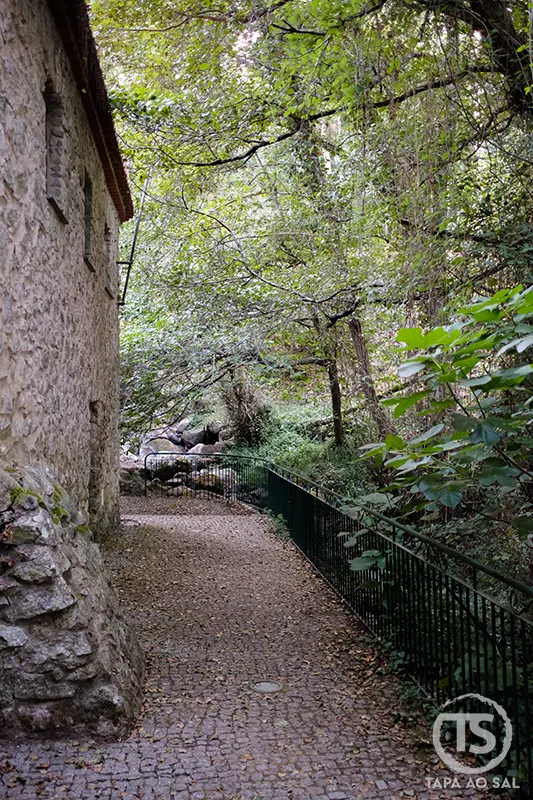
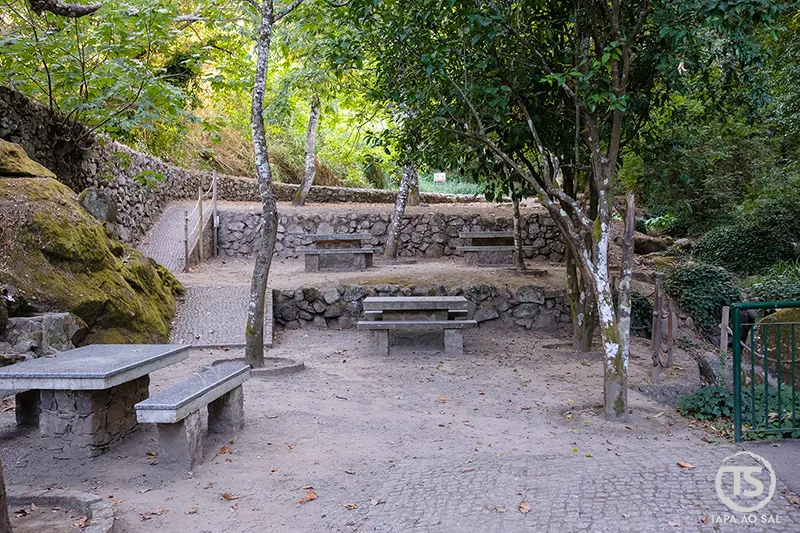
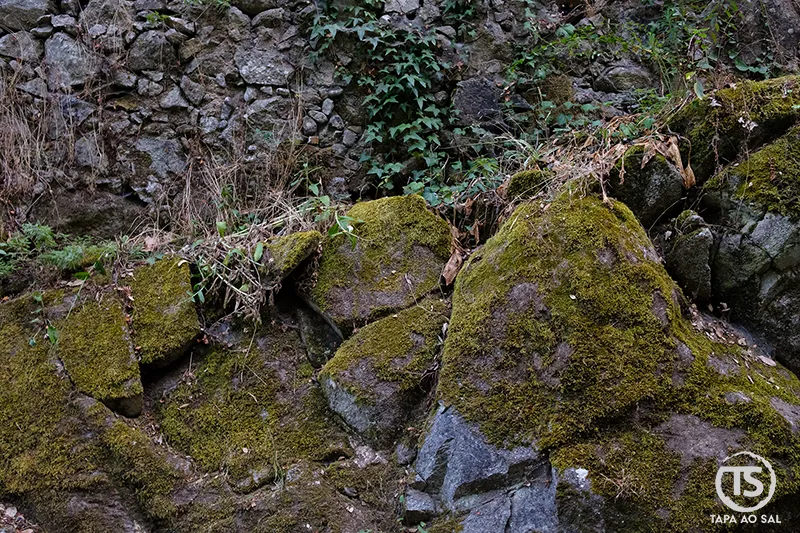
Photographs tell what words cannot fully reach. The Serra de Monchique cannot be contained only in sentences; it must be seen in the deep green of the valleys, the shimmer of the waterfalls, the simplicity of the villages and the warmth of abundant tables. Each image is a fragment of the journey, a piece of the mountains that remains preserved.
This gallery is, in essence, an invitation to walk slowly along the same trails, to listen to the same murmur of water and to feel the mountains as if they were right before your eyes.
FAQ — Things to do in Monchique
To help you prepare your trip, we have gathered here some of the most common questions about Monchique. These are short and practical answers, designed for those looking for useful information before exploring the mountains, the villages, the thermal springs and the trails that make it one of the most authentic destinations in the Algarve.
What should you not miss in Monchique?
Climbing to Fóia, the highest point in the Algarve, is unmissable. A visit to the Caldas de Monchique, the waterfalls of Barbelote and Pomba, and a walk through the streets of the village complete the experience.
Is Caldas de Monchique worth visiting?
Yes. Beyond its thermal history, the architectural ensemble and the peaceful atmosphere make the Caldas a special place. The visit can be combined with a stay in spa hotels and access to thermal treatments.
What are the best hiking trails in Monchique?
The waterfalls trail is one of the most popular, ideal for those who enjoy walking along streams and dense vegetation. The Via Algarviana crosses the mountains and offers accessible sections, while the climb to Picota rewards visitors with wilder views.
How many days do you need in Monchique?
In a single day it is possible to explore the village, climb to Fóia and visit the Caldas. To discover waterfalls, villages and trails at a relaxed pace, at least a weekend is recommended.
What to do in Monchique in winter?
Winter brings mist and mysterious landscapes. The thermal springs become especially appealing, along with short trails through the mountains. Restaurants with fireplaces and hearty dishes complete the experience.
Share your experience… inspire others to discover the Serra de Monchique!
Did you hear the silence of the waterfalls echoing between the rocks? The intense scent of medronho warming the cold mountain mornings? Or the endless view from Fóia, where the sky and the sea seem to meet?
Every detail of your visit to Monchique can be more than a memory — it can inspire other travellers to explore this mountain refuge.
Tell us in the comments how you experienced Monchique. Your perspective, whether simple or detailed, may reflect a moment worth sharing.
If this article inspired you, share it with those looking for authentic destinations in Portugal — places that are measured not only in kilometres, but also in sounds, flavours and emotions.
The Serra de Monchique does not ask for haste. It asks for contemplation.
This article may contain affiliate links. If you make a reservation through one of these links, Tapa ao Sal may receive a small commission at no additional cost to you.
Thank you for supporting this independent project, which grows slowly — just like the mountains themselves — preserving traditions and stories that still echo today in the valleys and springs of Monchique.