
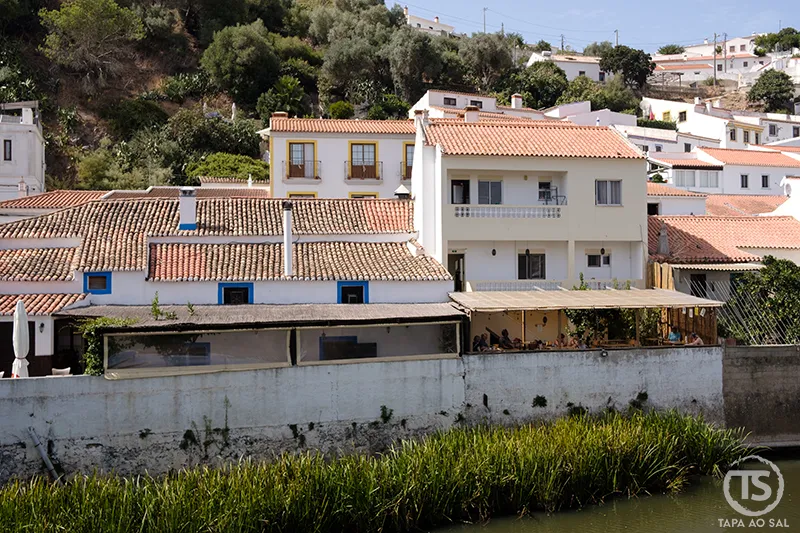

We arrived in Aljezur at the end of a hot day, the kind where the sun seems to hang over the landscape and time slows down without asking. We came from Portimão, still carrying the rhythm of the busier coastline, and the change was felt as soon as we entered the village. The valley opened before us — green and silent — with white houses following the river and the castle watching from above, as if it were used to seeing travellers arrive without haste.
The heat did not disappear, but it stopped feeling heavy. In Aljezur, even the light feels different — softer, longer — reflected on pale walls and in streets that invite you to walk slowly. It was in that contrast that we began to understand the true meaning of searching for Aljezur what to visit: it is not just about points marked on a map, but about the feeling of stepping into an Algarve that still holds silence and identity.
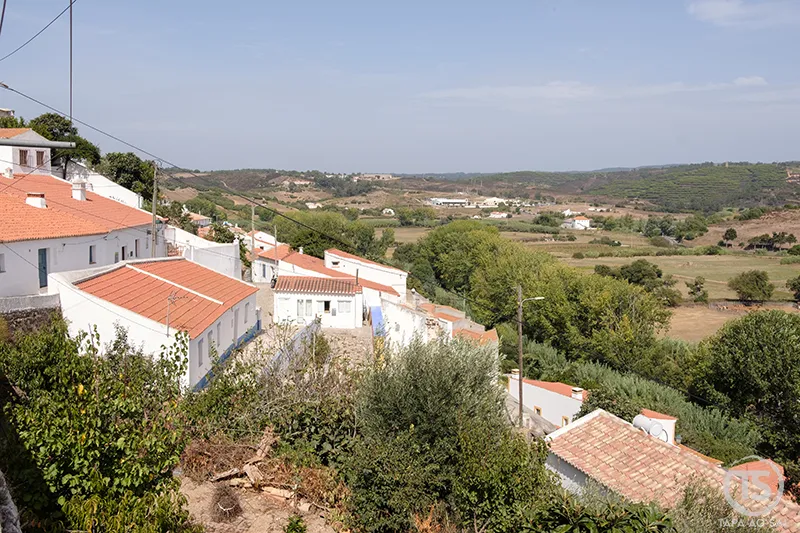
Our first walks through the village brought an unexpected calm. The distant sound of water, the short shadows beside old doorways, the faint scent of sun-warmed earth. Everything seemed shaped for those who arrive without a fixed plan, willing to discover gradually what makes Aljezur different — between the river that follows your steps, the castle that guides your gaze, and the constant closeness of the Atlantic.
This guide is born precisely from that experience. A lived journey where inspiration walks side by side with practical usefulness. Throughout the article, we explore the historic centre, climb to the castle, look towards the wild coastal beaches and understand how to integrate Aljezur into a wider Algarve itinerary — always with the same calm rhythm with which the village welcomed us on that warm late afternoon.
Is Aljezur worth visiting? Where it is and why it feels different in the Algarve
Aljezur lies in the far northwest of the Algarve, already leaning into the Costa Vicentina, where the ocean becomes wilder and the landscape begins to breathe differently. The road that brought us here seemed to slowly move away from the faster Algarve, leaving behind the movement of Portimão and drawing us closer to a more raw scenery shaped by open valleys, Atlantic wind and silence. Arriving in Aljezur village is realising that the Algarve does not have a single identity — its rhythm shifts as you travel west.
Perhaps that is what makes visiting Aljezur so special. There are no wide avenues or visible rush in the streets. The castle watches over the valley with the calm of someone who has witnessed centuries of history, while the river follows local life at a slower pace. Here, the heat feels different. It does not weigh as heavily as in more touristic areas, maybe because the eye always finds space in the horizon, in the green slopes or in the shadows hidden between white houses.
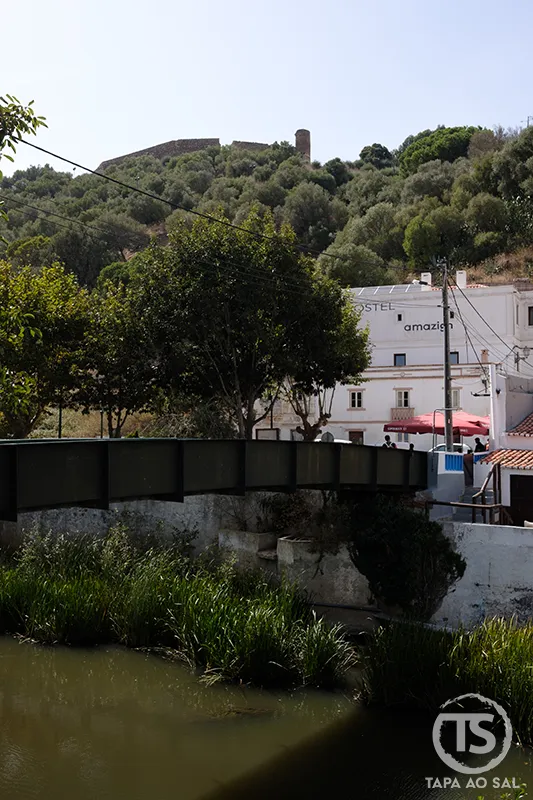
For those arriving after exploring destinations like Portimão or Lagos, the feeling is almost like turning a new page. The coastline stops being only about beaches and becomes territory, culture and preserved nature. And if the journey comes from the mountains, like Monchique, Aljezur appears as a natural continuation — a bridge between the interior and the Atlantic that reinforces the diversity of the Algarve.
It is precisely in this geographic position between mountains, valley and sea that the strength of this place lies. Aljezur does not try to compete with more popular destinations; it simply offers another way of experiencing southern Portugal. An Algarve that does not reveal itself instantly, but unfolds slowly, as if each step through the village opened another layer of silence, landscape and history.
How to reach Aljezur and explore the Costa Vicentina region
Reaching Aljezur is part of the experience itself. The roads that lead here gradually move away from the more urban Algarve and approach a landscape where time seems to run at a different speed. In our case, arrival came after days along the busier coastline, and it only took a few kilometres to feel the change — less traffic, more horizon and a constant sense of open space.
The most practical way to visit Aljezur remains by car. Not only to reach the village, but to explore everything around it — the beaches of the Costa Vicentina, small rural roads and viewpoints where the Atlantic suddenly appears. There are public transport options, but the flexibility that a car provides makes the experience far more fluid, especially if you plan to integrate Aljezur into a wider Algarve itinerary.
For those arriving by plane, renting a car at Faro Airport is usually the simplest option. The drive to Aljezur crosses different landscapes of southern Portugal, passing through historic areas and natural scenery that help reveal the diversity of the region. Alternatively, it is also possible to rent a car in Aljezur, an interesting option for those already staying nearby who decide to extend the journey along the roads of the Costa Vicentina.
During the journey, we realised that the true beauty of this territory often lies in unexpected detours. Small bends that reveal views over the ocean, secondary roads leading to lesser-known beaches, and paths where wind and light completely transform the scenery. It is a region that asks for freedom of movement, and the car becomes a natural extension of the journey.
If you’re planning to explore Portugal by car, discover our complete guide about renting a car in Portugal before you travel.
If you are planning to explore other parts of the country, it may also be helpful to consult the guide dedicated to renting a car in Portugal, where we gathered practical tips about vehicle choices, insurance and small details that make a difference along the road. Because in places like Aljezur, the path itself becomes part of the memory you carry home.
Aljezur map — historic centre, beaches and viewpoints
This interactive map gathers the main places to visit in Aljezur and its surroundings, organised simply to help guide your journey along the Costa Vicentina.
Here you will find points connected to the historic centre, natural viewpoints, beaches such as Praia da Arrifana and extensions that make sense to include in your itinerary. The idea is not to follow a rigid route, but to better understand distances, the relationship between the village and the coastline, and adjust the pace of discovery.
Use it as a complement to the guide: to visualise the valley where the village sits, plan the walk up to the castle, explore nearby natural areas or save locations to return to later with more time.
Click the top right corner of the map to open it in full screen and save your favourite places before continuing your journey through Aljezur.
Aljezur old town — river valley, white houses and slow Algarve atmosphere
There are places that reveal themselves slowly, as if asking for a gentler pace to be understood. In this part of the journey, Aljezur village stops being just a point on the map and becomes a lived landscape, shaped by narrow streets, shadows drawn by pale façades and a silence that seems to follow every movement. It is here that the rhythm truly slows down, between the green valley and the white houses that rise towards the castle, showing that visiting Aljezur is also about learning to observe without hurry.
Aljezur historic centre — walking through the old town
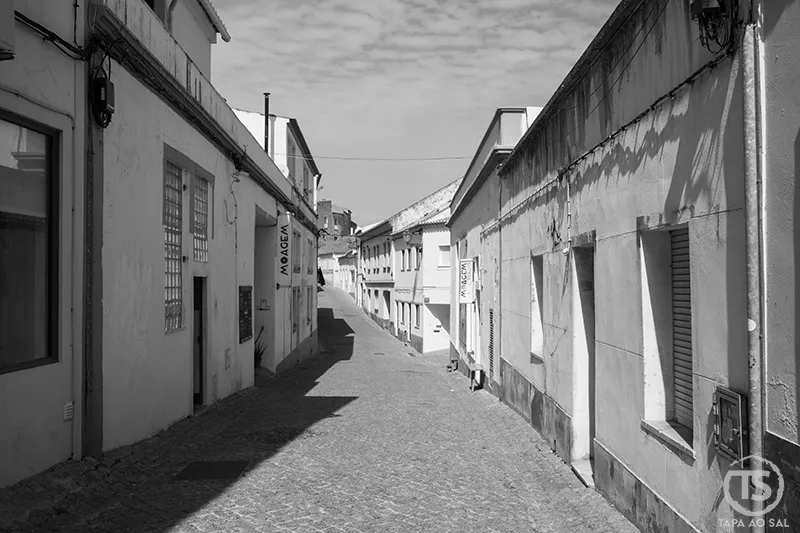
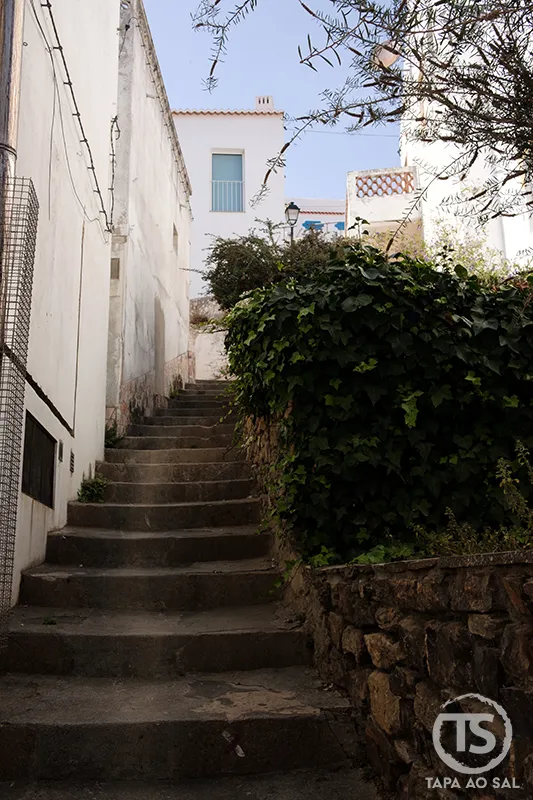
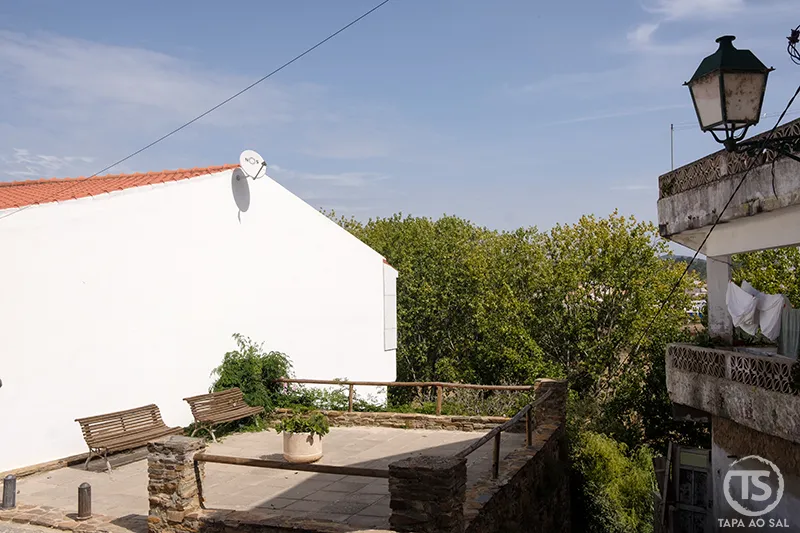
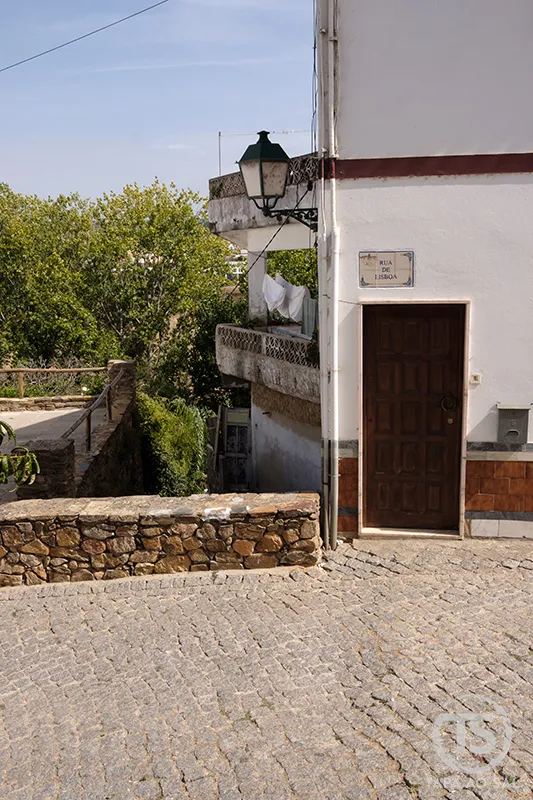
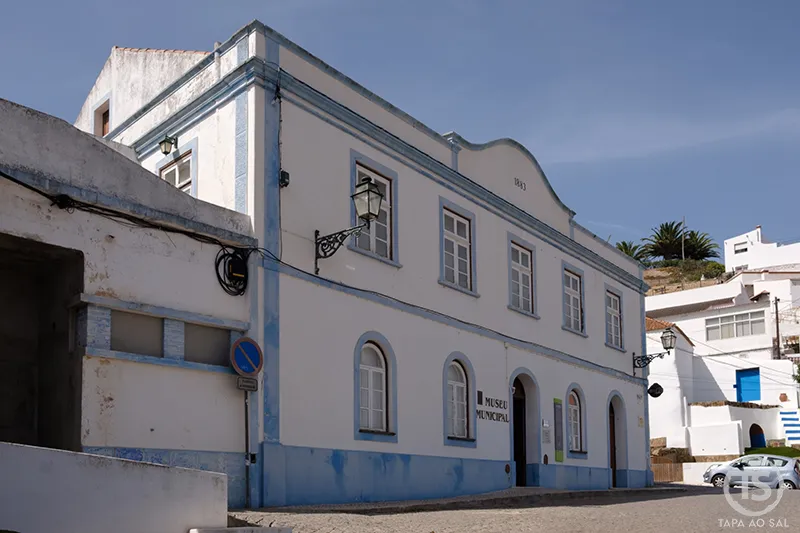
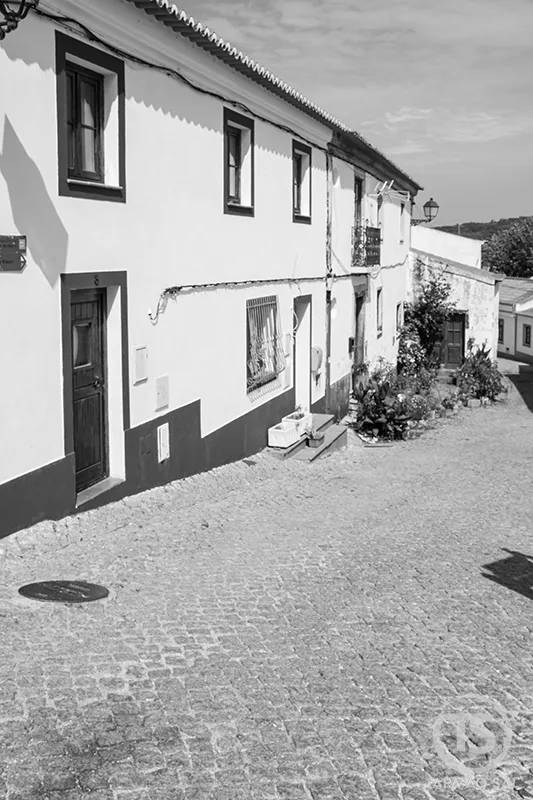
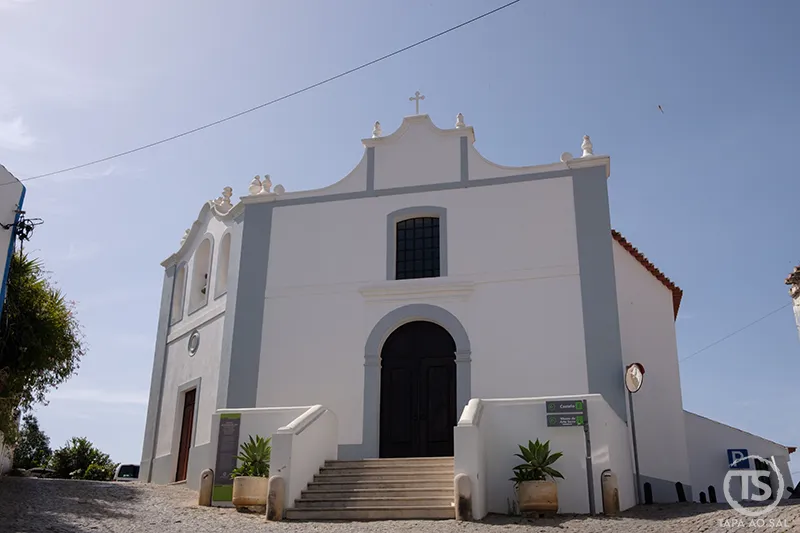
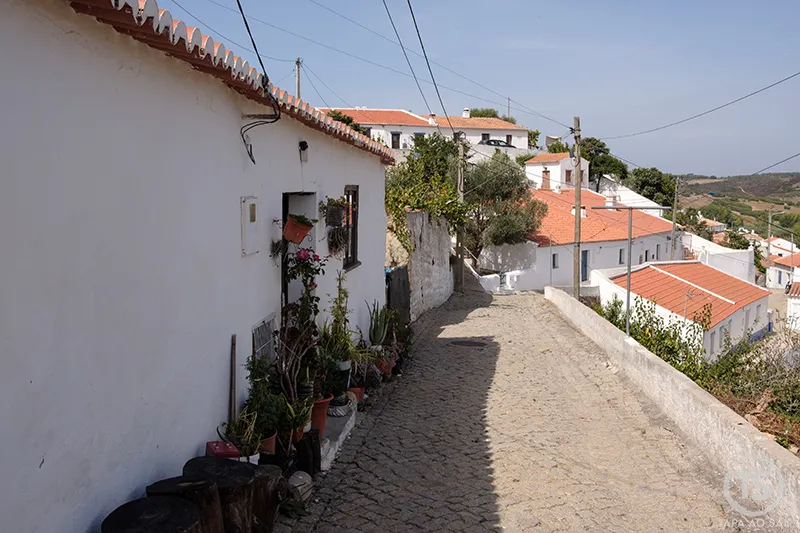
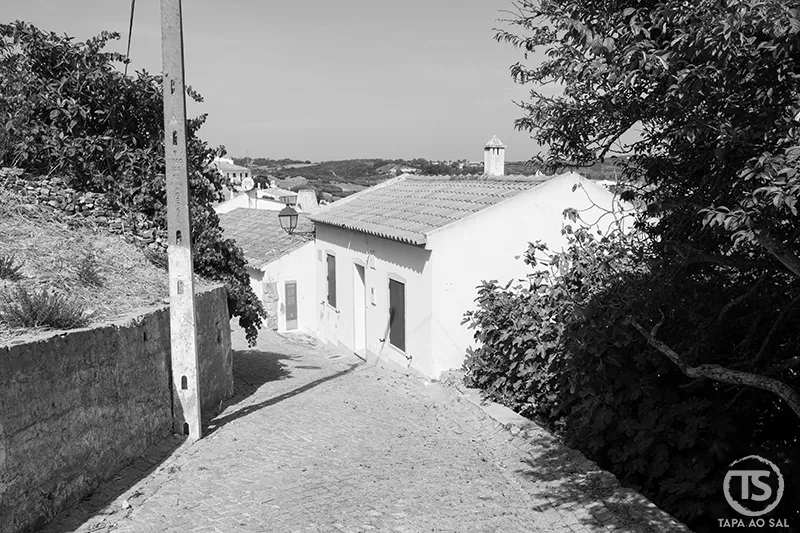
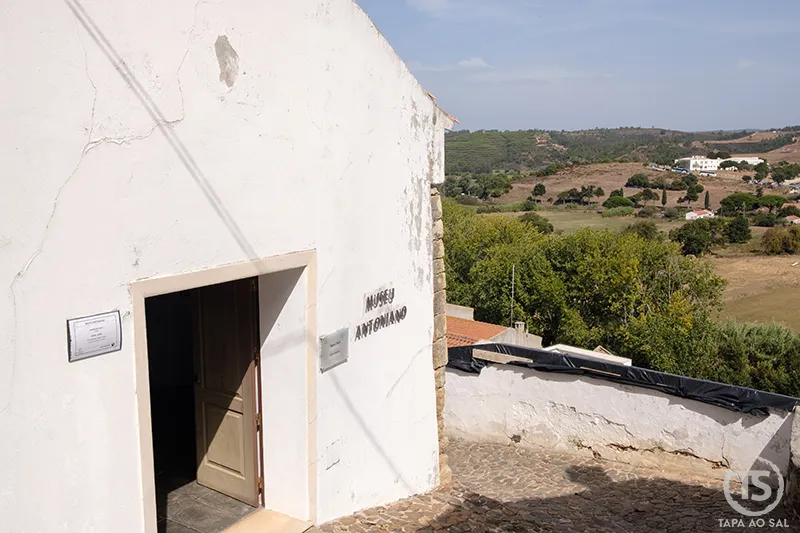
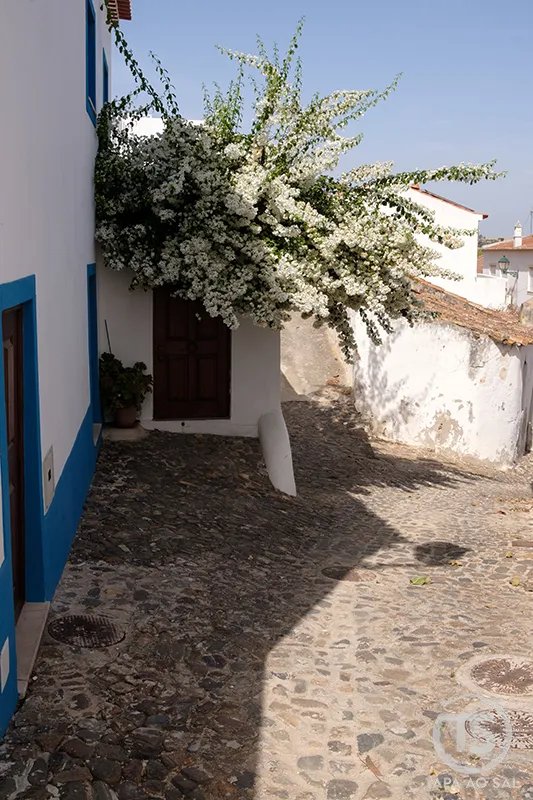
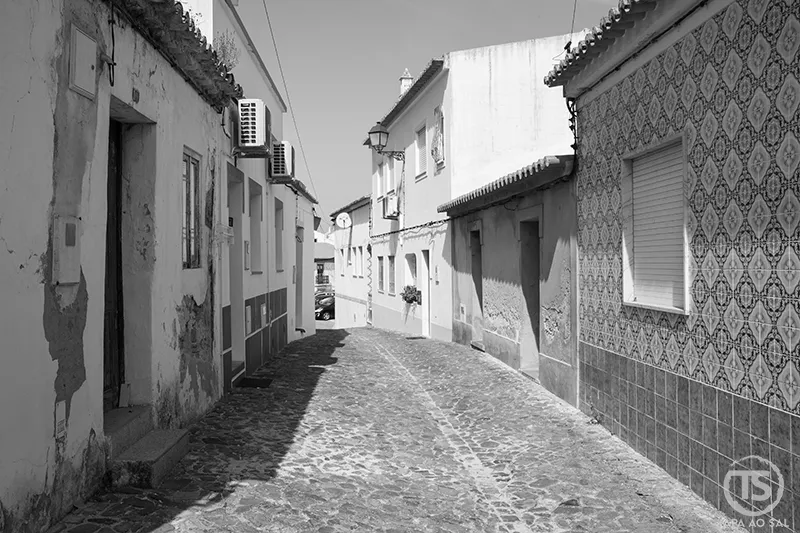
Walking through the Aljezur historic centre begins almost without noticing. Streets appear in soft curves, cobblestones reflect the late-afternoon light and old doors seem to hold stories that do not need to be explained. We walked without a fixed destination, letting the village itself guide the route — sometimes through a narrower street, sometimes into a small square where time feels suspended. Among discreet signs and quiet façades, cultural references emerge only for those who slow down: Museu Antoniano, Igreja da Misericórdia or Casa Museu José Cercas appear almost like well-kept secrets, naturally woven into the daily life of the village.
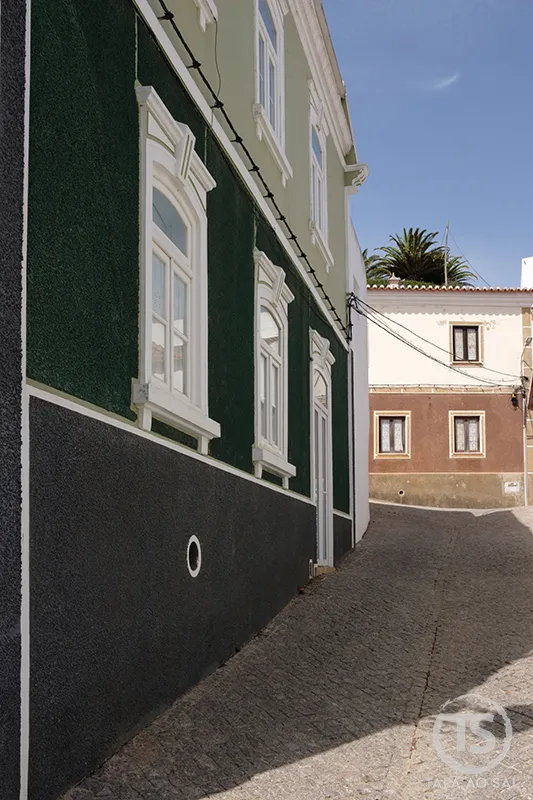
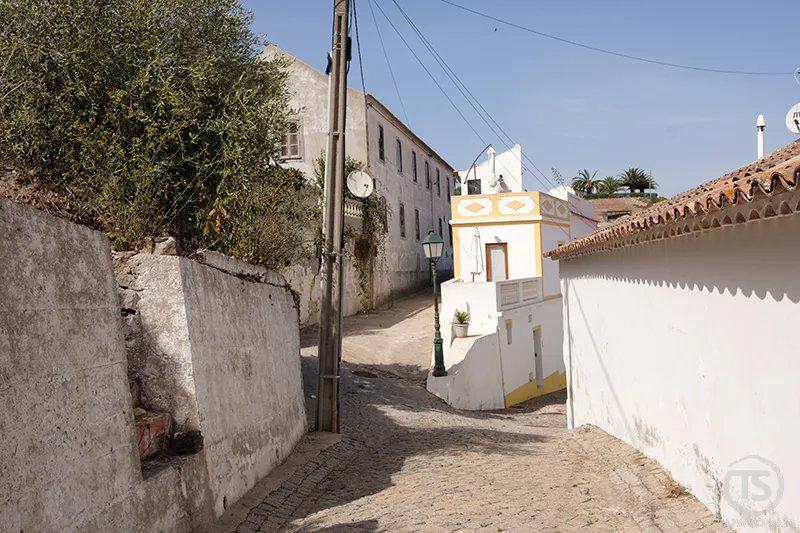
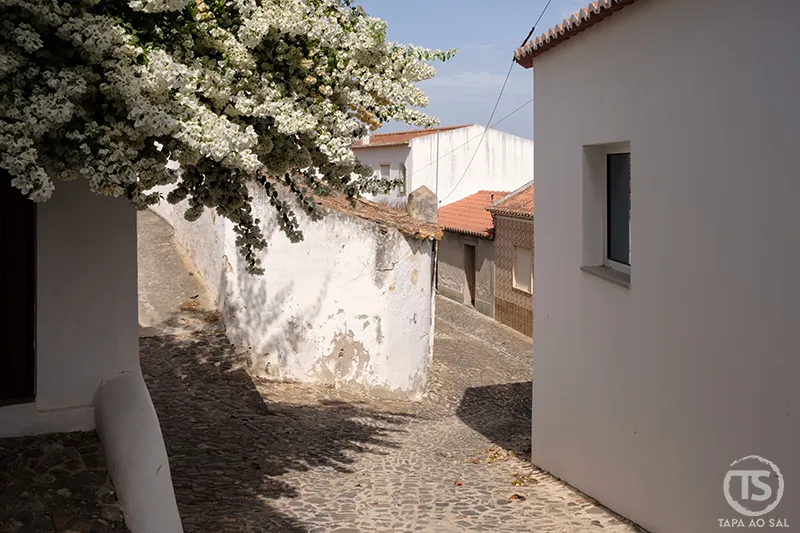
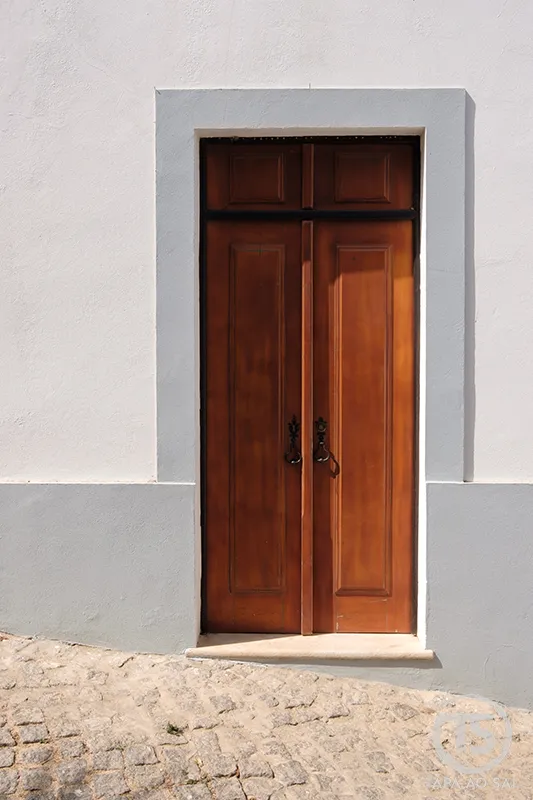
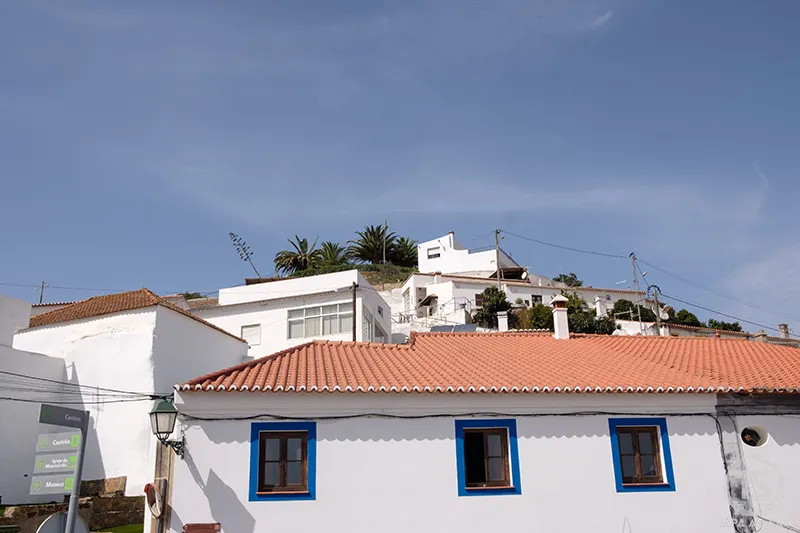
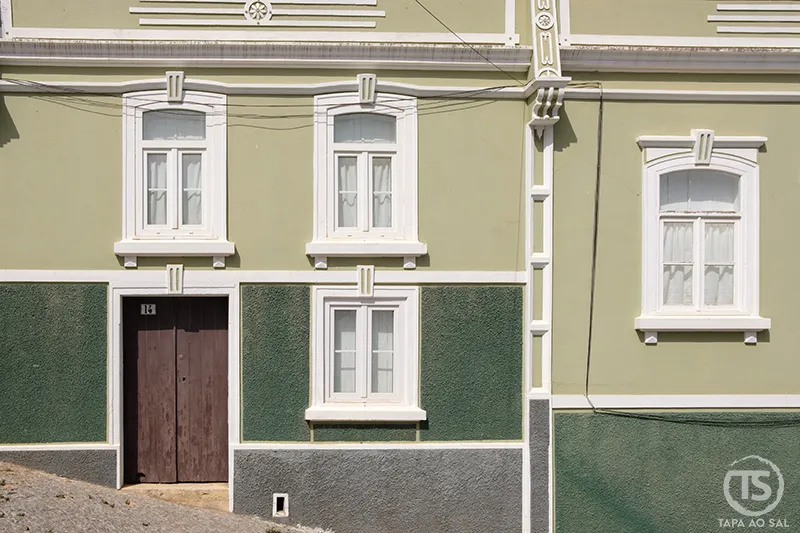
The white houses, many of them simple, create a visual continuity that calms the gaze. There is no rush in the open windows or in the distant echoes of conversation. Here, every detail — an uneven staircase, a low wall, a shadow cast across a façade — helps explain why Aljezur is not visited only for its landmarks, but for the way it allows itself to be lived. Small historical plaques recall former churches and vanished buildings, adding silent layers to the walk without breaking the tranquillity of the place.
As we moved forward, the heat of the day seemed to dissolve slowly. It did not disappear, but it became lighter, as if the architecture itself had been designed to create natural pauses. It is a historic centre that does not ask for rushed photographs; it asks for presence, attention to detail and enough time for the village to reveal what cannot be found on maps.
Aljezur river valley and surrounding landscape
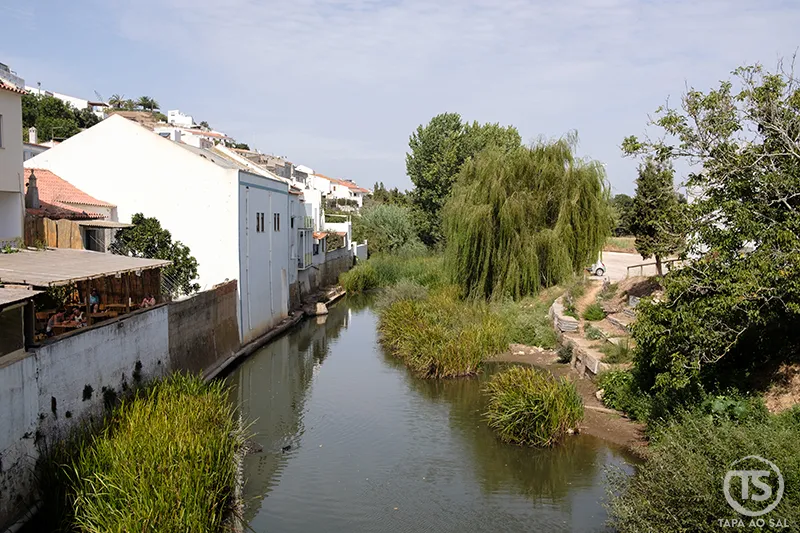
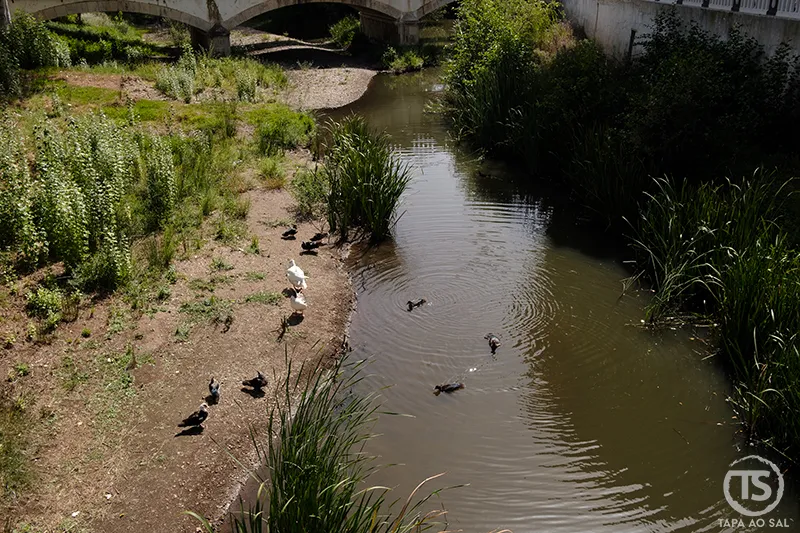
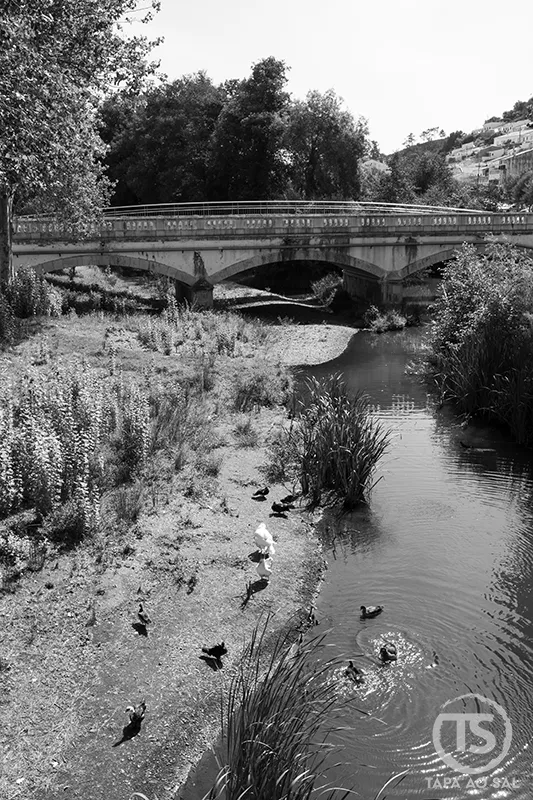
In Aljezur, the river is more than a geographical feature. It is a quiet presence that accompanies the village and softens the landscape. At several moments along the walk, simply looking out across the valley created a sense of visual freshness — an unexpected contrast with the intense heat still lingering on the skin.
We paused more than once just to watch the light reflecting on the water. The green riverbanks, the slow movement of the current and the surrounding silence create a balance that is difficult to describe. Perhaps that is what gives the village its identity: the way nature and architecture coexist without competing.
As we walked, it became clear that the river shapes both space and perspective. It guides the rhythm of the village like an invisible line connecting past and present. And it is within this dialogue between water, valley and white houses that Aljezur gains depth — a landscape that does not impose itself, but lingers quietly, naturally preparing the path towards the castle and the closer encounter with the Atlantic that awaits in the next stages of the journey.
Aljezur Castle — history, views and a key thing to do in Aljezur
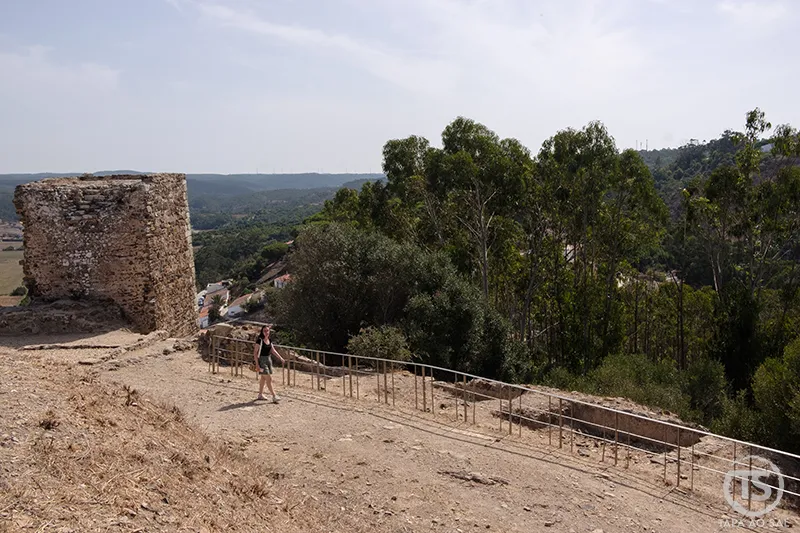
The climb to Aljezur Castle unfolds slowly, almost as if the path itself asks for time to adjust your gaze. Streets grow steeper, the white houses fade behind you and the valley begins to open little by little. The heat that lingered below follows each step, yet a light breeze starts to move between the old stones, bringing a gentle freshness that signals the approach to the top.
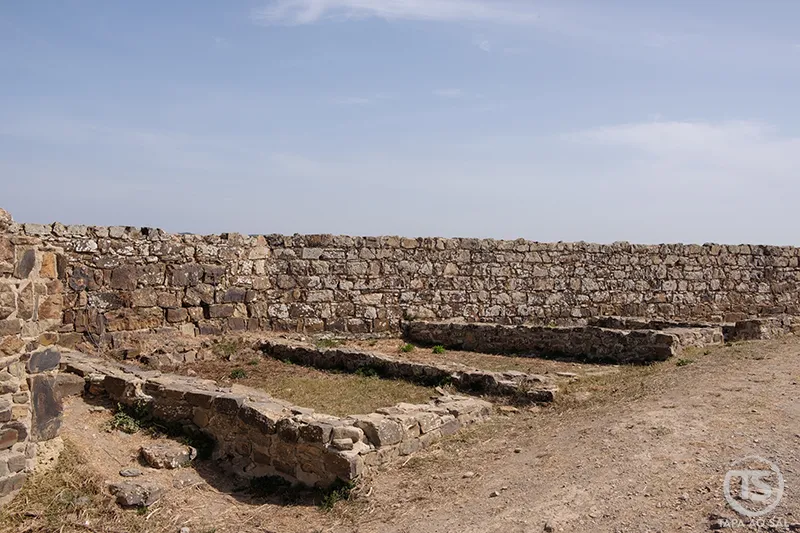
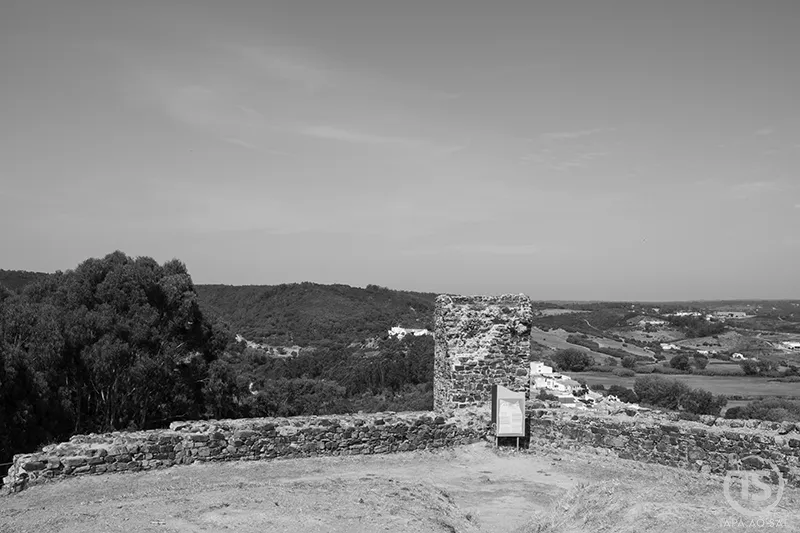
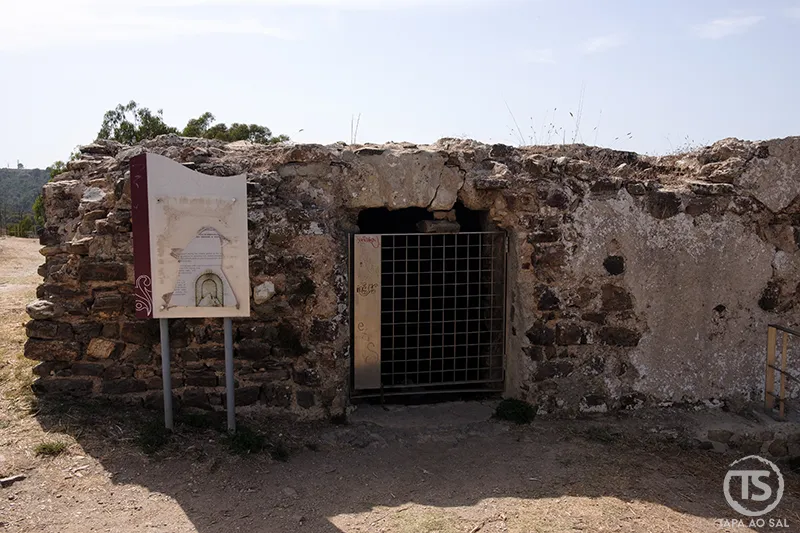
It is not a grand fortress in the classical sense, but that very simplicity is what makes the place special. The castle dates back to the Islamic period, when Aljezur stood as a strategic point between the interior and the Atlantic coast. Over the centuries, its walls have resisted the silence of time more than great battles, and perhaps that is why the atmosphere up here feels more contemplative than imposing.
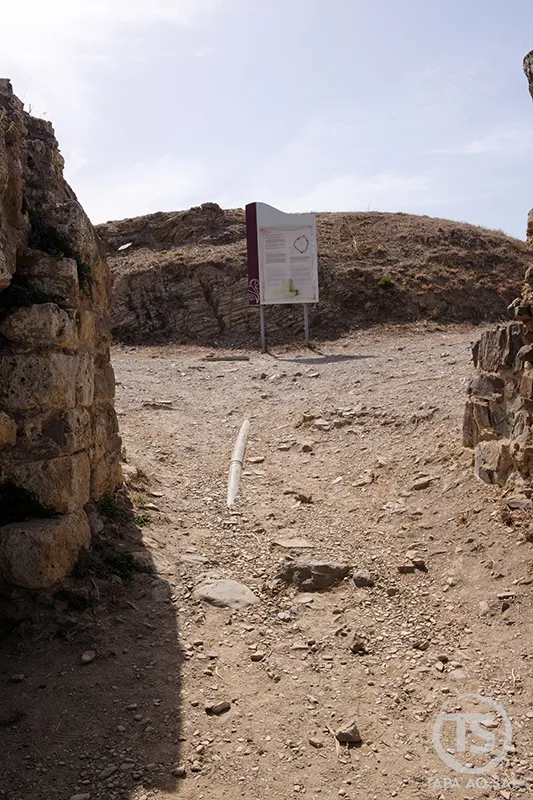
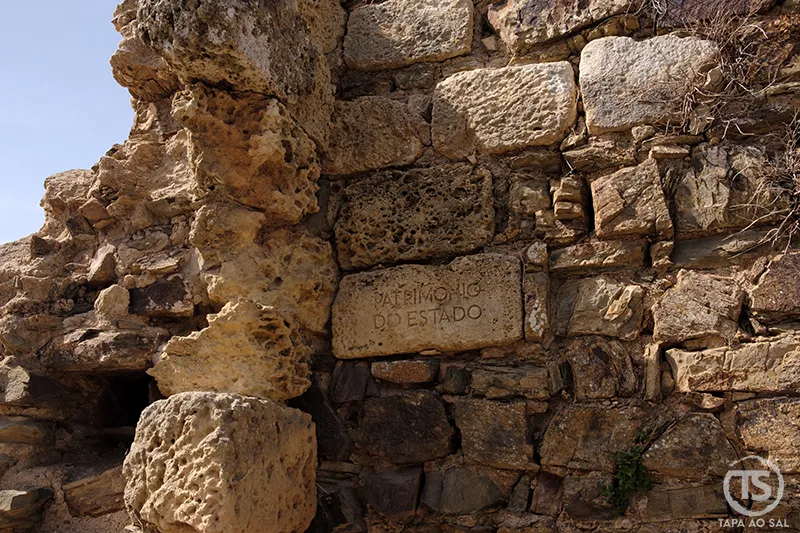
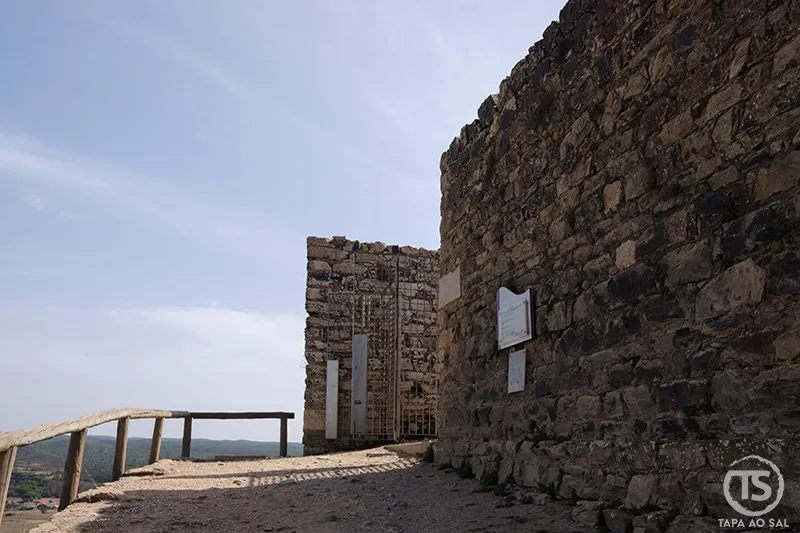
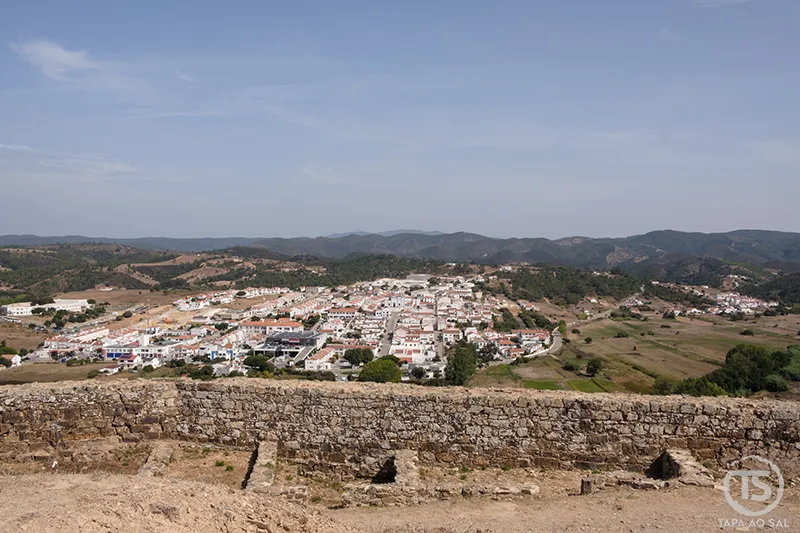
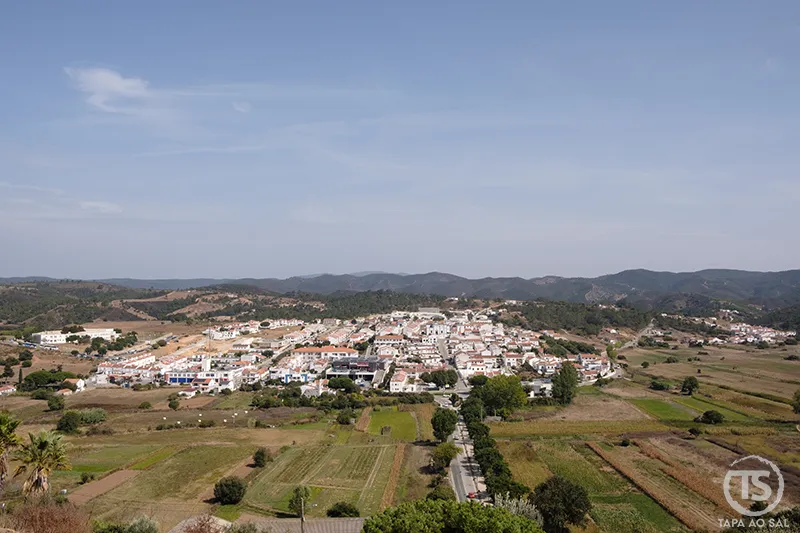
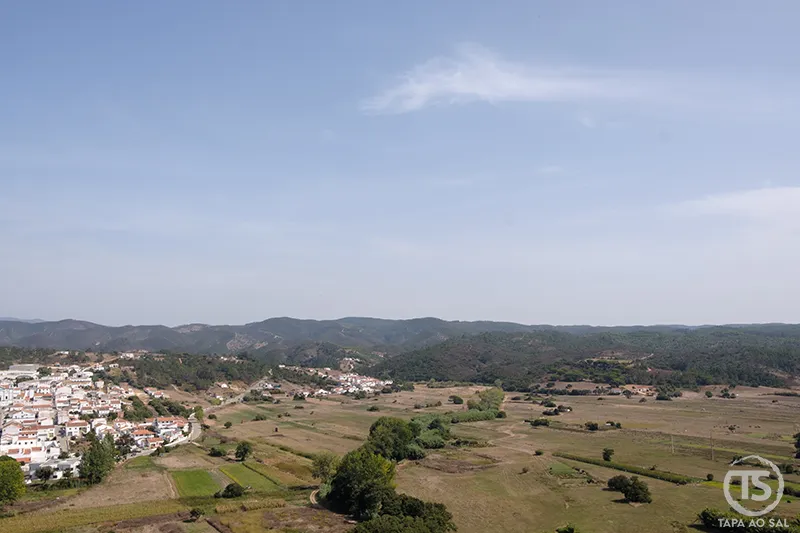
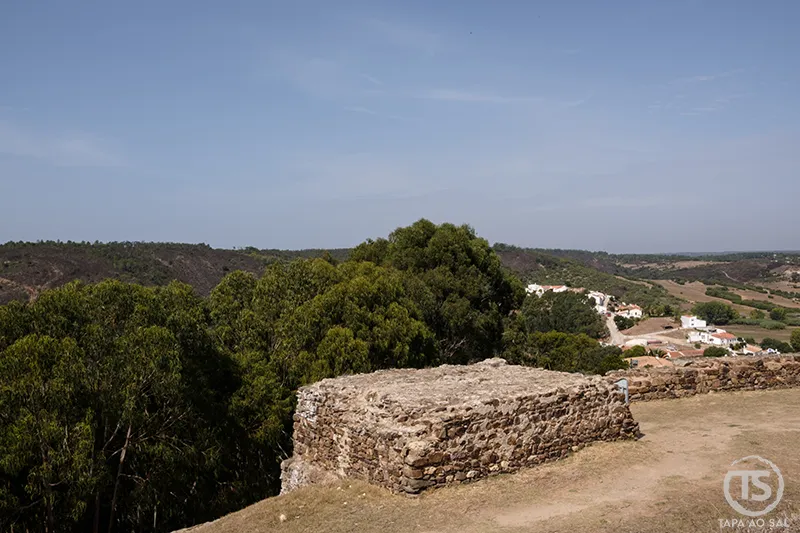
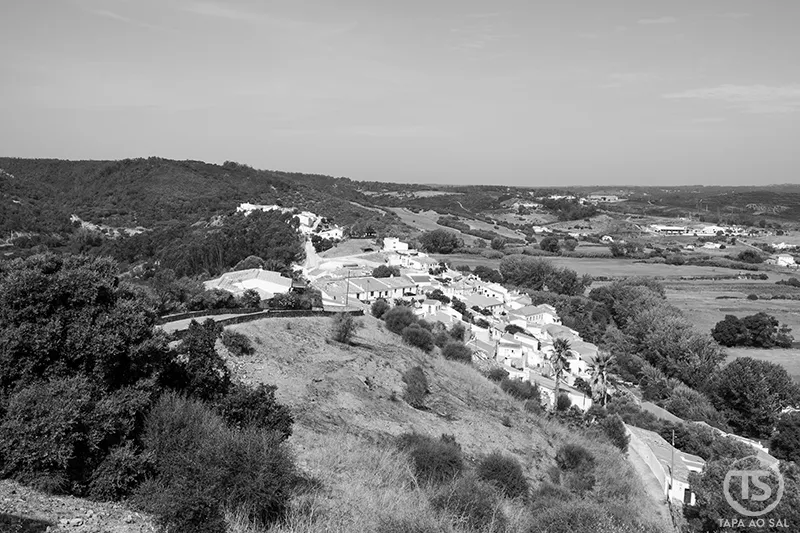
When we reached the summit, the first instinct was to pause. Not to take photographs immediately, but to observe. The valley stretched out in shades of green and gold, the river winding quietly between its banks while the village of Aljezur seemed to settle naturally into the landscape. Far in the distance, almost imperceptible, you could feel the presence of the Atlantic — not visible, yet present in the light and the wind.
There is something unexpectedly peaceful about this place. The sound of footsteps on stone blends with the open silence of the hills, creating a sense of distance from the more hurried parts of the Algarve. It becomes easy to understand why this stop feels like one of the most memorable moments for anyone visiting Aljezur with time and attention.
We stayed there for a few minutes, unhurried, allowing the view to organise the memory of the village we had just explored. From the castle, everything finds its scale: the historic centre walked at ground level, the river guiding the landscape and the roads leading towards the wild beaches that appear later in the journey. It is a meeting point between history and horizon — a place where the past does not weigh heavily, it simply watches.
Things to do in Aljezur slowly — what to visit beyond the obvious
Some destinations reveal themselves quickly, while others ask for a kind of inner slowing down. Aljezur clearly belongs to the second group. When thinking about what to visit in Aljezur, you will not find an extensive list of monuments or must-do experiences, but rather a sequence of moments that gain meaning when lived slowly — walking through whitewashed streets, climbing to the castle, quietly discovering small cultural spaces and letting your gaze drift across the valley before reaching the Atlantic.
During our visit, we realised that the village does not impose itself; it allows itself to be discovered. The historic centre does not demand a rigid route, and perhaps that freedom is what makes everything feel more authentic. It is enough to follow the rhythm of the streets, let the heat slow your steps and allow the landscape to guide you naturally from one place to another. Among historic plaques and old doorways appear references such as Museu Antoniano, Igreja da Misericórdia and Casa Museu José Cercas — details that add depth to the experience without breaking the serenity of the place.
The castle, explored in the previous section, works as a point of orientation. From above, the relationship between the village and its surrounding territory becomes clearer — the way the valley protects Aljezur and how the light shifts throughout the day. It is also a moment of pause, where history meets silence and the simple feeling of being present in that place, with no rush to descend.
Yet visiting Aljezur goes beyond its urban limits. Just a few kilometres away, the landscape opens into wild beaches and sculpted cliffs that contrast with the calm of the village. This connection between inland and coast creates a complete experience, where each stage complements the previous one. Walking through the village prepares the eye for the Atlantic horizon; feeling the sea breeze helps you understand the slow rhythm of the old streets.
Perhaps that is why Aljezur does not work as a rushed stopover. It is a place that asks for time — to observe, to pause and to return to the same spots under a different light. Instead of trying to “see everything”, it is better to let the atmosphere guide the journey, because here, more than collecting places, what matters is absorbing the unique feeling of an Algarve that reveals itself slowly.
Aljezur beaches and the Atlantic — wild coast and natural energy
Leaving the village behind and heading towards the sea feels like a natural continuation of the journey through Aljezur. The landscape changes slowly: the green of the valley gives way to dramatic cliffs, the air grows cooler, and the horizon gains a stronger presence. It is here that you begin to understand how the beaches around Aljezur are part of the region’s identity — not as a tourist extension, but as a constant force shaping the rhythm and character of this part of the Costa Vicentina.
The Atlantic appears without filters, rawer and more authentic. After the quiet streets and the contemplative atmosphere of the castle, meeting the ocean brings a different kind of energy. The wind, the sound of the waves and the open light create a feeling of freedom that is hard to find in the more crowded areas of the Algarve. This connection between village and ocean transforms the visit into a complete experience, where nature and culture move side by side.
Praia da Arrifana — cliffs, surf culture and Aljezur beaches
Arrifana feels almost like a revelation after driving along winding roads through rolling hills. The descent towards the beach opens into a vast landscape dominated by dark cliffs and the deep blue of the Atlantic. Below, the sandy shoreline curves gently, sheltered by the slopes, while the waves draw steady lines that attract surfers from different parts of the world.
During our visit, the atmosphere felt suspended between calm and movement. Surfboards leaned against walls, quiet conversations drifted from cafés, and a relaxed rhythm contrasted with the silence of the village. Arrifana does not try to impress with grandeur; it wins you over through authenticity. It is easy to see why many choose this place to learn surfing — the beach offers natural conditions that welcome both beginners and those already familiar with the sea.
For those wanting to dive deeper into the experience, there are organised surf lessons on the beach, ideal for feeling the Atlantic up close. And if the goal is simply to absorb the landscape, sunset walks in Aljezur reveal another dimension of the coastline, with golden light transforming cliffs and horizon into something almost cinematic.
From here, the West Coast stretches towards other wild landscapes, and guided excursions from Lagos allow you to explore the region with more time and context. Even so, nothing replaces the feeling of arriving at Arrifana after walking through the village and climbing to the castle, as if each step had prepared your gaze for this direct encounter with the sea.
We stayed there for a while, simply watching the movement of the waves and the way the light shifted across the rocks. The wind carried the salty scent of the Atlantic, and for a moment it felt as though all of Aljezur was present there — the calm of the village, the silent history of the castle and the living energy of the ocean.
What to visit near Aljezur — Costa Vicentina and nearby villages
Exploring Aljezur rarely ends within the limits of the village itself. The roads that leave the valley seem to invite you to keep moving, opening the way to beaches, small villages and landscapes where the Algarve reveals a rawer and less predictable side. In this section, the reader discovers natural extensions to the journey — places that expand the experience without breaking the calm rhythm that defines the region.
Looking at the map, it becomes clear that Aljezur works almost as a balance point between inland and coast. Just a few kilometres away, the scenery shifts: cliffs open to the Atlantic, small settlements where time feels suspended, and trails that follow the line of the horizon. It is a logical continuation for anyone wanting to explore Aljezur more deeply, without turning the trip into a rushed checklist of destinations.
Aljezur to Odeceixe — river beach and Atlantic landscapes
Heading towards Odeceixe is one of the most natural extensions after exploring the village. The road crosses gentle landscapes until, suddenly, the territory opens onto a beach where the river meets the sea. This connection between Aljezur and Odeceixe creates an interesting contrast: on one side, the quiet interior of whitewashed streets and green slopes; on the other, the open energy of the coast, where wind and waves take centre stage.
Along the way, the transition feels seamless. The same sense of authenticity remains — only the setting changes. Odeceixe offers a different experience, closer to the water, yet with the same relaxed spirit that defines this part of the Costa Vicentina. It is the kind of place that extends the journey naturally, as if the trip simply continues at its own pace.
Costa Vicentina near Aljezur — cliffs, trails and wild Algarve scenery
Aljezur is part of a wider region where the Algarve reveals a less obvious identity. The Costa Vicentina stretches south with dramatic cliffs, expansive beaches and small villages that maintain an intimate relationship with the sea. Within this context, natural connections begin to appear with places like the Fortaleza de Sagres, reinforcing the idea of a wilder, more contemplative Algarve.
At the same time, the journey can unfold in other directions. Heading towards the central coastline leads to villages such as Ferragudo and Carvoeiro, where the sea takes on a different presence — brighter, closer to golden cliffs. Inland, Silves reveals a historical dimension that contrasts with the Atlantic landscape, showing how the Algarve is made of multiple layers that complement each other.
These extensions help to understand that visiting Aljezur is not an isolated moment, but part of a broader journey through southern Portugal. Each detour adds a new perspective on the territory — sometimes more historical, sometimes more maritime — always guided by the same thread: a slow discovery of places that reveal themselves best when explored without hurry.
Aljezur with children — a peaceful family destination in the Algarve
Some destinations feel designed for restless family trips, while others invite you to slow down — Aljezur clearly belongs to the second group. During our time in the village, the constant feeling was one of safety and space. The streets do not carry the intense movement found in other parts of the Algarve, creating a lighter atmosphere for those travelling with family. Thinking about Aljezur with children is imagining unhurried walks, pauses in the shade, and the freedom to let your gaze follow the valley without too many distractions.
The historic centre, already described earlier, offers a calm environment that is easy to explore on foot. There are no large crowds or constant traffic, only narrow streets and small squares where time seems to stretch. Even during the hottest hours of the day, the rhythm of the village makes the experience more comfortable — something that becomes especially noticeable when travelling with children and there is no need to follow tight schedules.
In the surrounding area, nature opens new possibilities. Nearby beaches, such as Arrifana, offer wide stretches of sand and landscapes that spark curiosity while maintaining a sense of safety. The sound of the waves, the constant wind and the open space create a setting where every element seems to invite discovery. It is not a destination filled with theme parks or loud activities; instead, the landscape itself becomes the experience.
Still, it is worth adjusting expectations. Aljezur does not offer instant entertainment or infrastructure designed exclusively for families. What it offers is something different: tranquillity, connection with nature and an environment where the journey can be lived more fully. For many travellers, that becomes its greatest appeal — an Algarve where children can explore without rush and where adults find room to breathe.
At the end of the day, the feeling that remains is simple: Aljezur does not try to impress through excess. It simply offers an honest and serene setting, where a family trip is built through small moments — a walk through the historic centre, a pause by the river, an afternoon of wind and open light along the Atlantic coast.
Where to stay in Aljezur — village stays and coastal retreats
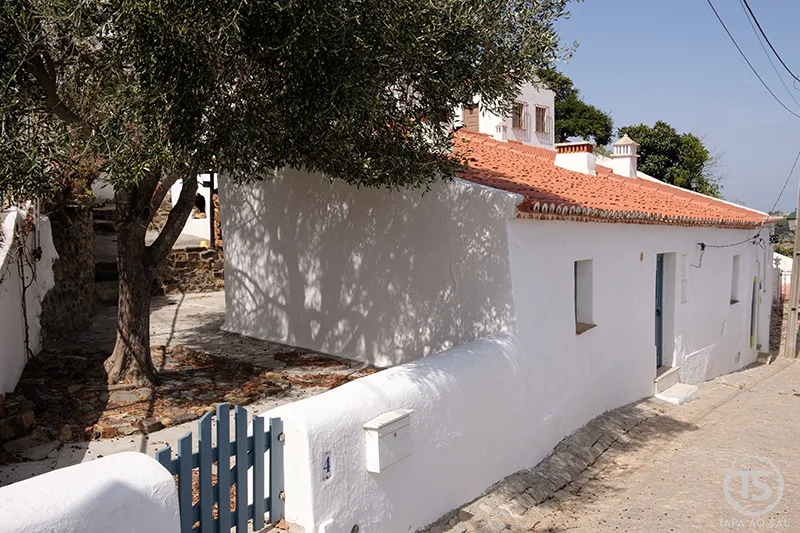
Choosing where to stay in Aljezur is often about deciding the rhythm of the journey itself. Some travellers look for the silence of the village, where the nights seem to extend the calm of the whitewashed streets, while others prefer to wake up already close to the distant sound of the sea, near the cliffs and the Atlantic energy. In this section, we gather suggestions that reflect different ways of experiencing Aljezur, always with the same idea in mind: staying here is a continuation of the experience, not just a place to sleep.
The surrounding landscape allows for very different options. Between traditional houses in the historic centre, nature-surrounded retreats and coastal refuges, each choice shapes how the territory is lived. That is why it is worth exploring the available accommodation in Aljezur carefully and understanding which one best fits the journey you imagined.
Staying in Aljezur old town — quiet accommodation in the village
Sleeping in the heart of the village is a way to prolong the silence already felt while walking through its streets. By late afternoon, when movement fades and the light softens, the atmosphere gains a particular calmness. Waking up here means beginning the day without rush, with the valley accompanying your gaze and the castle always present on the horizon.
There are several options in the historic centre and quieter areas of Aljezur village, from renovated houses that preserve local identity to small accommodations that maintain a strong connection with the landscape. For those seeking a comfortable stay integrated into the region’s atmosphere, FlorAL or Aljezur Villas stand as examples of places where architecture and the rhythm of the village meet.
If you wish to explore other alternatives, you can also check the complete list of accommodation in Aljezur, a simple way to compare locations and choose the one that best matches your itinerary.
Where to stay near Arrifana — coastal stays near Aljezur beaches
For travellers who prefer to feel the Atlantic more closely, the Arrifana area and its surroundings offer a different atmosphere. Here, the day begins with the sea breeze and often ends with sunset light over the cliffs. The mood is more relaxed, shaped by surf culture and the constant presence of nature.
Casa Nook Arrifana is an example of accommodation that reflects this spirit well: simple, close to the ocean and aligned with the calm energy of the coast. Staying in this area transforms the experience, bringing the journey closer to the wild beaches explored earlier and creating a more direct connection with the Atlantic.
Regardless of the choice, the most important thing to understand is that staying in Aljezur is not merely a practical decision. It is a natural extension of the visit, a way to prolong the calm the village transmits and to wake up, the next day, still immersed in the same landscape that makes this part of the Algarve so special.
Discover more places to stay in the region
If you prefer to explore other accommodation options, there are many welcoming stays available nearby. From countryside houses to hotels close to the coast, you can find some of the best places to stay near this destination on Booking.
Integrating Aljezur into an Algarve itinerary — slow travel along the coast
There are places that work best as final destinations, and others that gain even more meaning when they become part of a wider journey. Aljezur clearly belongs to the second group. Set within the Costa Vicentina, the village becomes a natural pause between different landscapes of the Algarve, a point of balance where inland scenery, coastline and history meet without hurry.
During our trip, that feeling was constant: Aljezur does not appear isolated, but as a chapter within a more authentic Algarve. After the movement of Portimão, where the coastal rhythm feels more intense, arriving here brought an almost immediate change in atmosphere. And if the journey continues south, destinations like Lagos extend the connection to the sea, yet with a different light and scale.
This continuity helps reveal the Algarve as a diverse territory, where each place adds another layer to the experience. Along the central coast, historic villages and golden cliffs create a narrative very different from the one lived along the Costa Vicentina. Further inland, quieter routes emerge, where time seems to slow even more. It is within this dialogue between regions that Aljezur finds its place, not as an exception, but as part of a wider path.
For those looking to organise the journey more clearly, it is worth exploring the Destinations section, where different regions of the country and ideas for continuing the discovery come together. The main guide Things to do in Portugal helps frame Aljezur within a broader vision of the territory.
Ultimately, integrating Aljezur into an Algarve itinerary means accepting that the journey does not need to follow only the line of the beach. It can begin along the coast, climb towards the interior, return to the Atlantic and end at an old castle quietly watching over the valley. It is this fluid movement between places and atmospheres that transforms the route into a continuous experience, where each destination prepares the eye for the next.
Things to do in Aljezur — a quiet Algarve that stays with you
When we left Aljezur, the heat of the day still lingered in the air, but the feeling was different from the moment we arrived. There was a kind of silence that remained, as if the village had left a discreet mark, difficult to explain. It was not a place that tried to impress through grandeur; it revealed itself slowly, between the distant sound of the river, the wind crossing the cliffs and the soft light that settles over the valley at the end of the afternoon.
Perhaps that is what truly defines what to visit in Aljezur: not just points on a map, but the way each space invites you to pause. The historic centre explored without hurry, the castle watching over the territory in silence and the Atlantic present even when it is not visible. Everything seems connected by a slower, almost timeless rhythm.
Throughout this guide, we discovered a village that fits within a different Algarve — quieter, more contemplative. A place where the journey is not measured by the number of locations visited, but by the intensity of small pauses: a white street illuminated by the sun, an open view across the valley, the sound of the waves in Arrifana as evening approaches.
Aljezur does not demand that you stay long to be understood, but it does ask for attention. It is the kind of destination that remains present even after moving on to other places in the south of the country. And perhaps that is why it stays so clearly in memory — because while the Algarve passes quickly before your eyes, Aljezur chooses to remain.
Explore more destinations in Portugal
From coastal towns to quiet villages and mountain landscapes, explore travel guides organised by region and continue your journey through Portugal at your own pace.
Aljezur image gallery — old town, castle views and wild coast
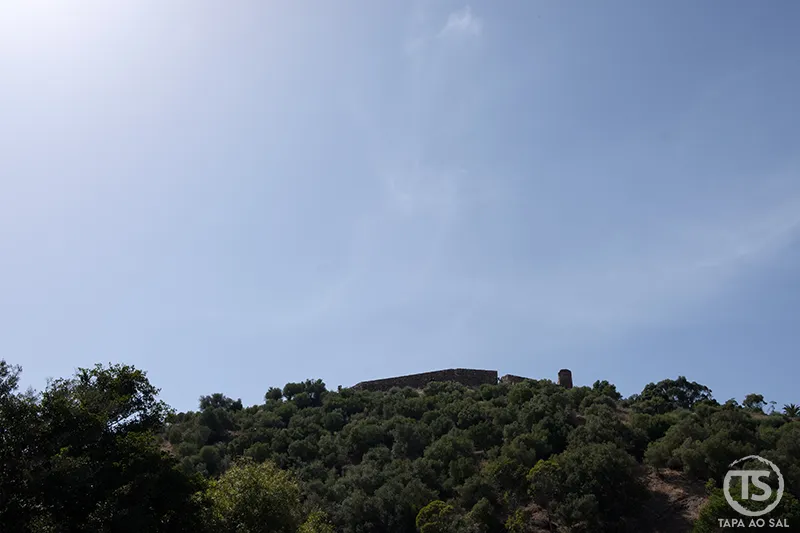
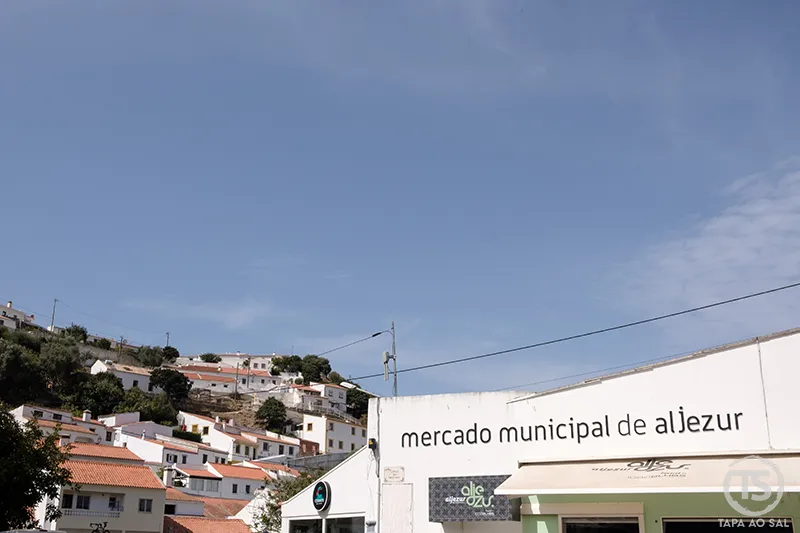
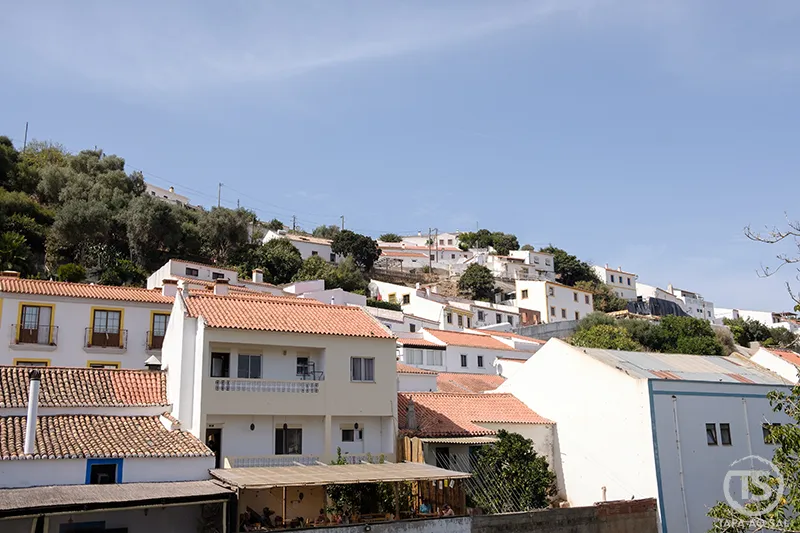
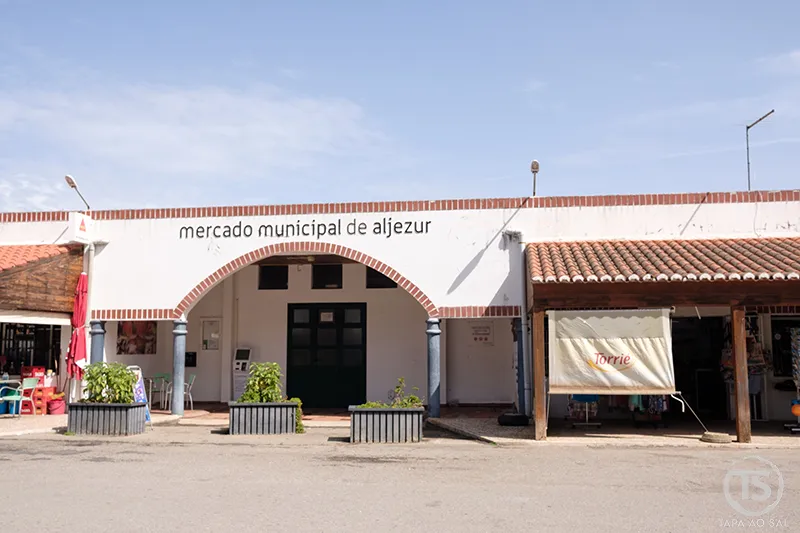
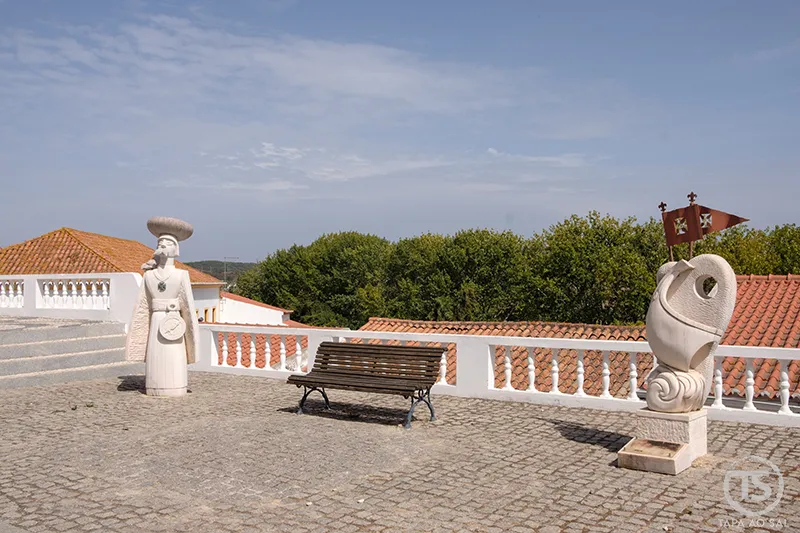
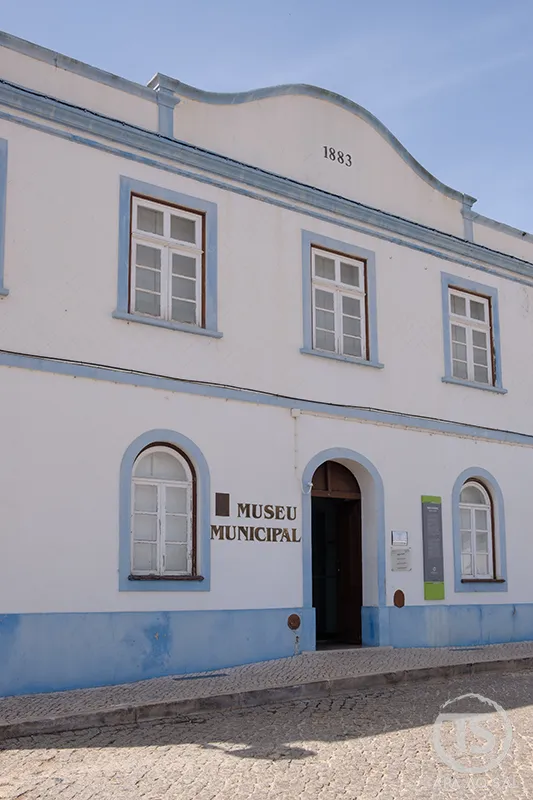
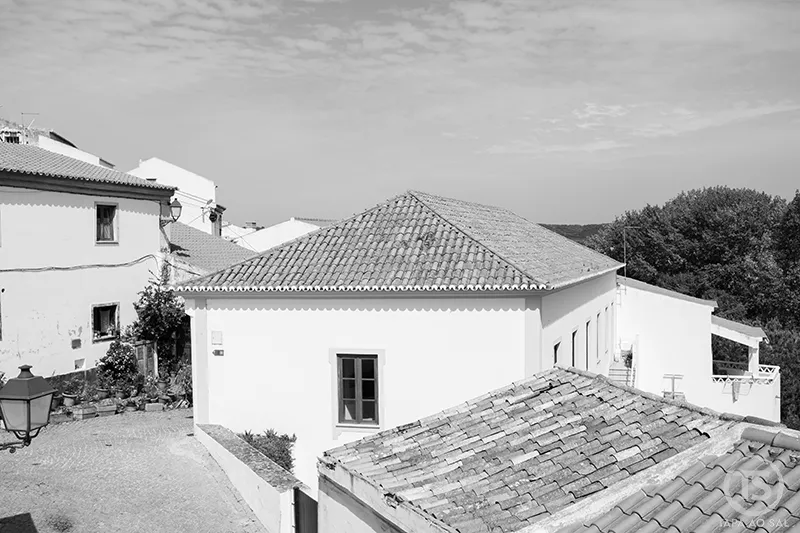
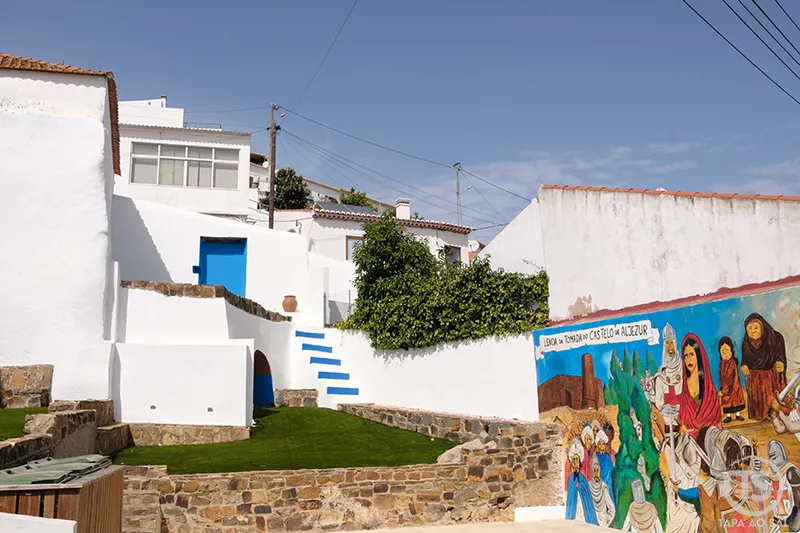
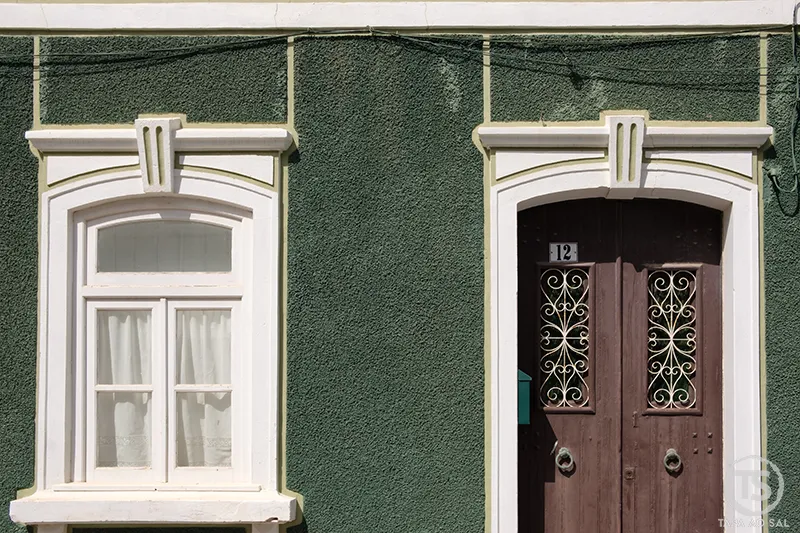
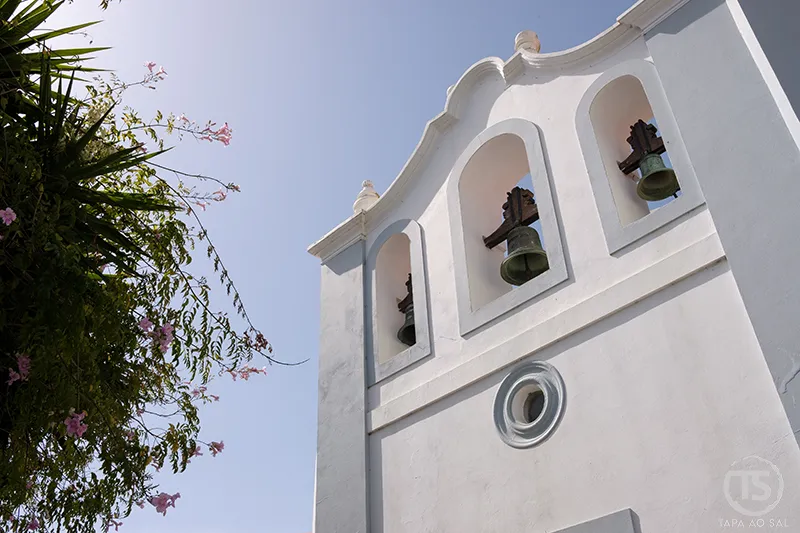
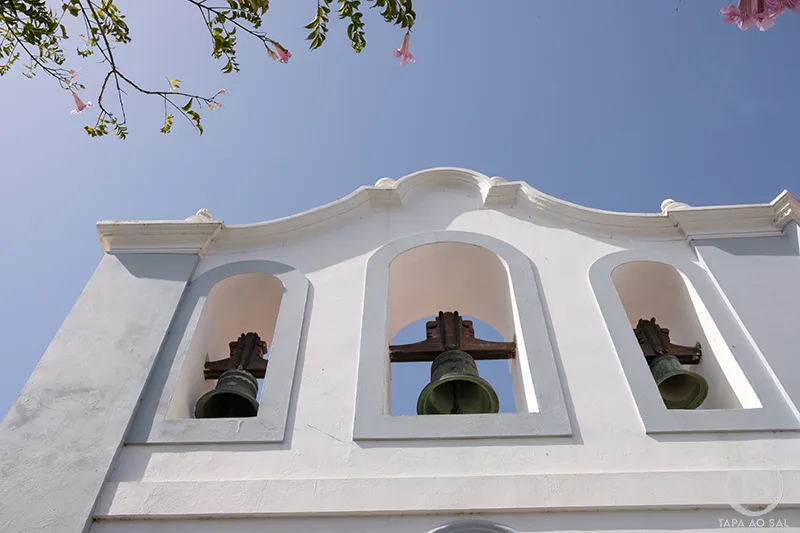
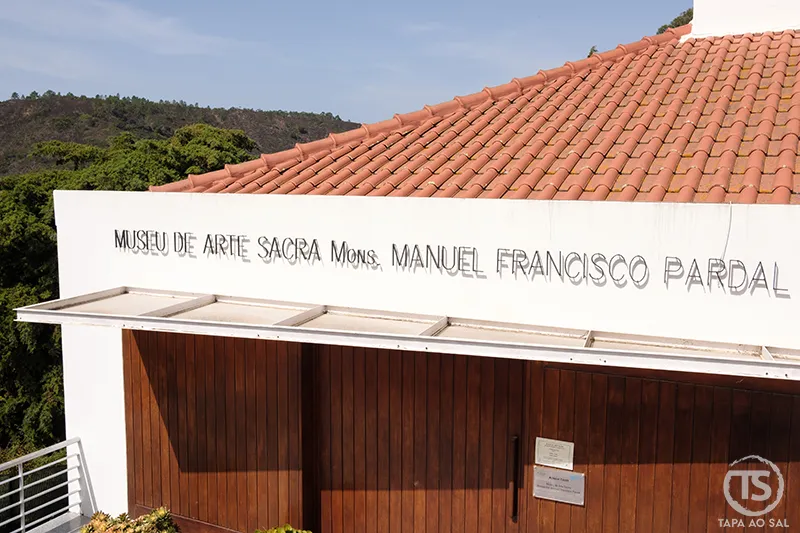
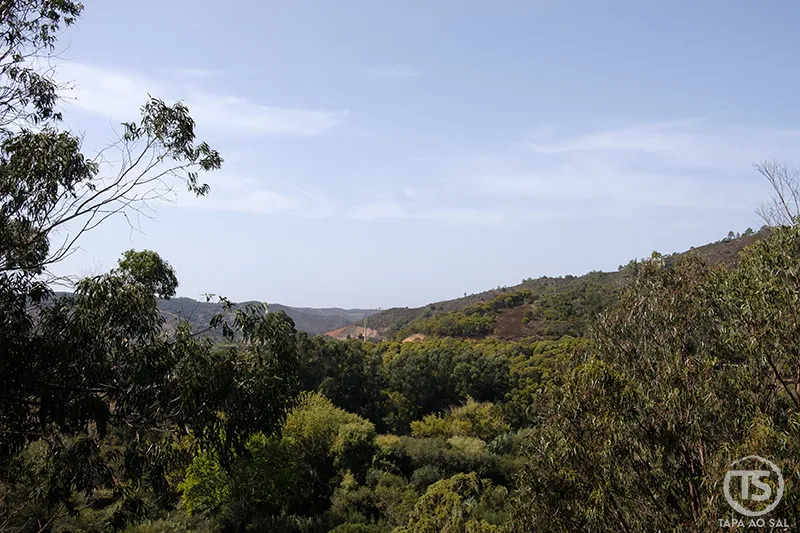
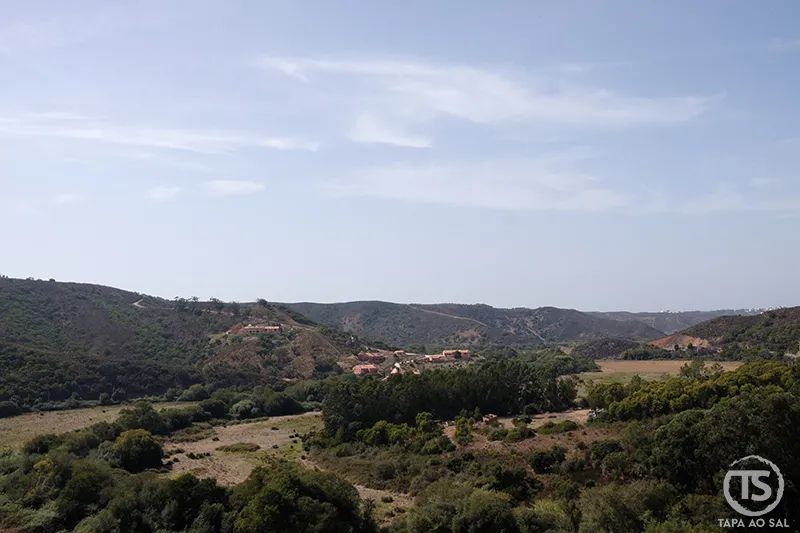
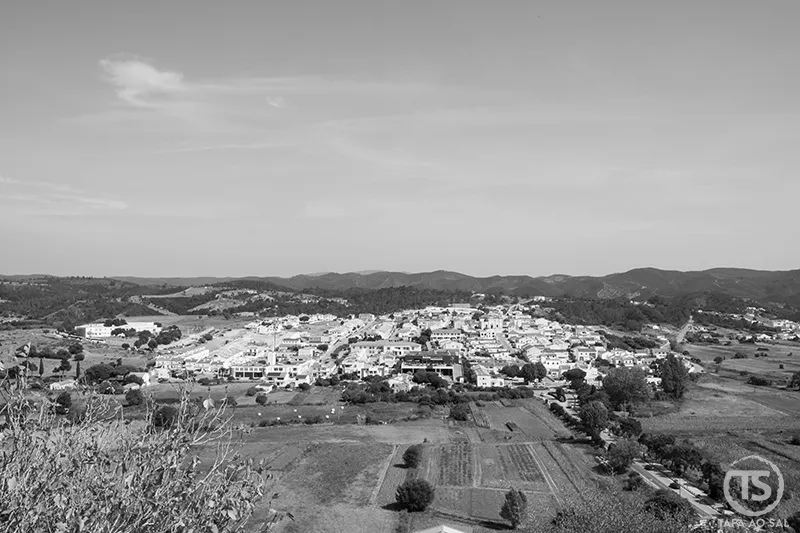
There are places that reveal themselves best through the lens. In Aljezur, photography follows the rhythm of the walk: capturing the light over the whitewashed houses, the open views from the castle and the quiet details of the village.
This gallery brings together real moments from the visit — small fragments that help convey the calm atmosphere of those who choose to visit Aljezur without rushing.
Below, a selection of images that move through the historic centre, the valley and the landscapes that make Aljezur so distinct within the Algarve.
Things to do in Aljezur — FAQ about beaches, old town and visiting tips
This section brings together some common questions from those trying to understand what to visit in Aljezur and how to organise their visit at a slower pace. These are short, practical answers designed to help you plan your time in the village and explore the Costa Vicentina more meaningfully
Is it worth visiting Aljezur?
Yes, especially for those looking for a calmer and more authentic Algarve. The combination of the historic centre, the castle and the proximity to the Atlantic creates an experience that feels different from the more touristic areas. It’s a destination that works best for travellers who appreciate a slower rhythm and natural landscapes.
How much time do you need to visit Aljezur?
Half a day is enough to explore the essentials of the village and walk up to the castle without rushing. If you want to include nearby beaches such as Praia da Arrifana or Odeceixe, it’s best to plan a full day. With more time, it becomes an excellent base for exploring the Costa Vicentina.
Which beaches are closest to Aljezur?
Praia da Arrifana is one of the most well-known and sits just a few minutes away by car. Odeceixe lies a little further north, offering the contrast between river and sea. Both are among the most sought-after beaches for visitors to the region.
Is Aljezur only a summer destination?
No. While summer highlights the beaches, the village keeps a peaceful atmosphere throughout the year. Autumn and spring are great seasons to walk through the historic centre and enjoy the landscapes without crowds.
Can you visit Aljezur without a car?
It is possible to arrive by bus, but mobility becomes quite limited. To explore beaches, viewpoints and nearby places, having a car makes the experience much easier. Travellers who want full freedom to explore the region usually choose to rent a car in the Algarve.
Share your experience… inspire others to discover Aljezur.
Did you feel the silence settling over the valley, the contrast between whitewashed houses and the surrounding green landscape, or the Atlantic breeze arriving slowly after the heat of the day? Aljezur is experienced in layers — through quiet streets, ancient history and landscapes that shift with the rhythm of the light.
Tell us in the comments how your time in Aljezur felt. A slow walk through the historic centre, the climb up to the castle, a quiet moment by the river or a coastal escape to Arrifana. Your perspective can help other travellers discover the village beyond the obvious.
If this guide inspired you to set off — or to return — share it with those looking for a more authentic Algarve. A place where time slows down and every detail becomes part of the journey.
Aljezur isn’t rushed. It’s lived.
This article may contain affiliate links. If you make a booking through one of these links, Tapa ao Sal may receive a small commission at no additional cost to you.
Thank you for supporting this independent project, created with time, care and respect for the places we share — just like the best way to experience Aljezur.