

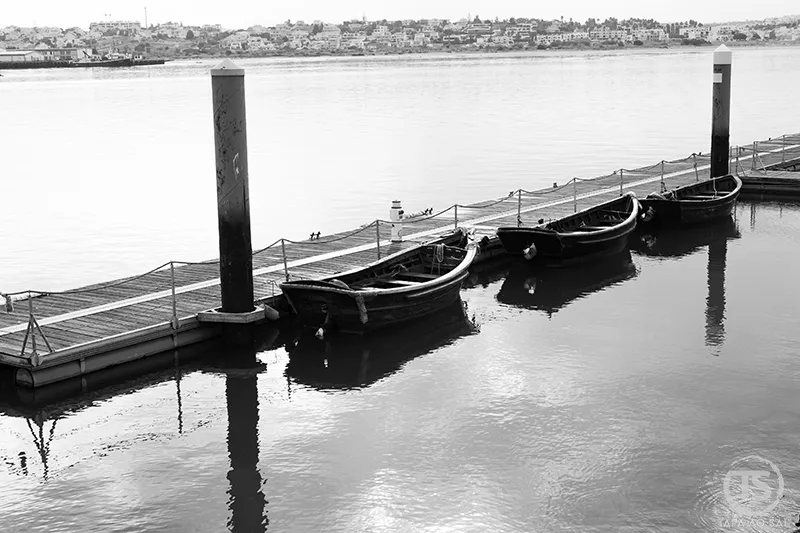
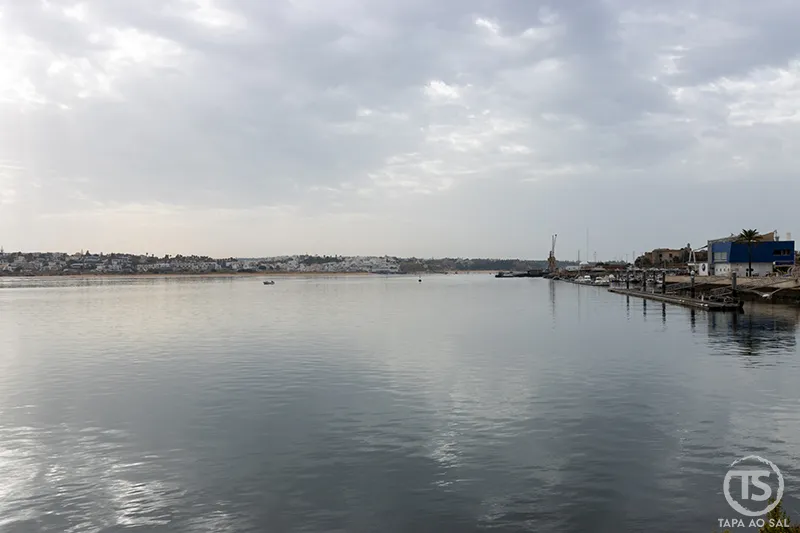
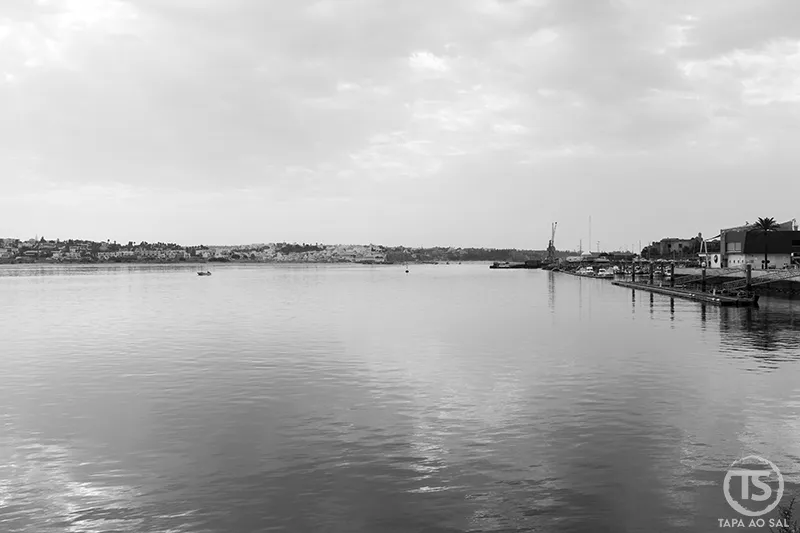
Arriving in Portimão at the end of the day feels like stepping into a light filtered by the river. The Arade flows wide and calm, reflecting pale façades, boat masts, seagulls drifting in slow circles. There is a salty scent in the air, mixed with the distant smoke of grills where sardines crackle and perfume the city. Along the waterfront, people walk without haste. Some return from the sea, others simply watch, as if Portimão first asked for silence before conversation.
It was here, beside the water, that I best felt the city’s layered nature. Portimão is not only beach, nor only harbour. It is urban and maritime, popular and touristic, shaped by layers that reveal themselves gradually. Between the Marina and the historic centre, between a museum set inside a former factory and a fort facing the Atlantic, the city presents itself as a place of passage that learned how to stay. A meeting point between the inward Algarve and the Algarve open to the world.
Visiting Portimão means accepting this hybrid rhythm. In the morning, the city feels almost everyday, made of markets and cafés, boats coming and going. In the afternoon, light shifts everything towards the beaches, the cliffs, the blue horizon. And at dusk, when the sun lowers over the river, Portimão becomes a city again, of slow walks, full terraces and conversations that linger.
This guide was born from the experience of crossing Portimão without haste, attentive to what exists beyond the most familiar postcards. Throughout the article, we gather the essentials about Portimão: what to visit, combining emblematic places, small discoveries, practical suggestions and natural connections to other points of central Algarve. An invitation to visit Portimão not as someone ticking off an itinerary, but as someone entering a territory and staying long enough to understand it.
How to Get to and Move Around Portimão
Getting to Portimão is simple. What changes is the way you choose to enter the Algarve and, above all, how you decide to move once you arrive. The experience of the city and its surroundings depends greatly on this detail. A direct route shortens distances; a freer choice broadens horizons.
For those arriving by plane, Faro Airport is the main gateway. From there, Portimão is about an hour away via the A22. The journey is quick and predictable, crossing a landscape that gradually changes tone until the sea imposes itself again. Buses and trains connect the two, but time and flexibility vary according to schedules and seasons.
Renting a car remains the most practical option for anyone wanting to visit Portimão freely. Not only for the city itself, but for the natural extensions of the journey: more remote beaches, neighbouring villages, the Monchique mountains and the Algarve interior. Having a car allows you to adjust your pace, leave early, return late, and change plans without depending on fixed timetables. For those who prefer to arrange everything in advance, platforms such as DiscoverCars make it easier to compare prices and pick-up points both in Faro and Portimão.
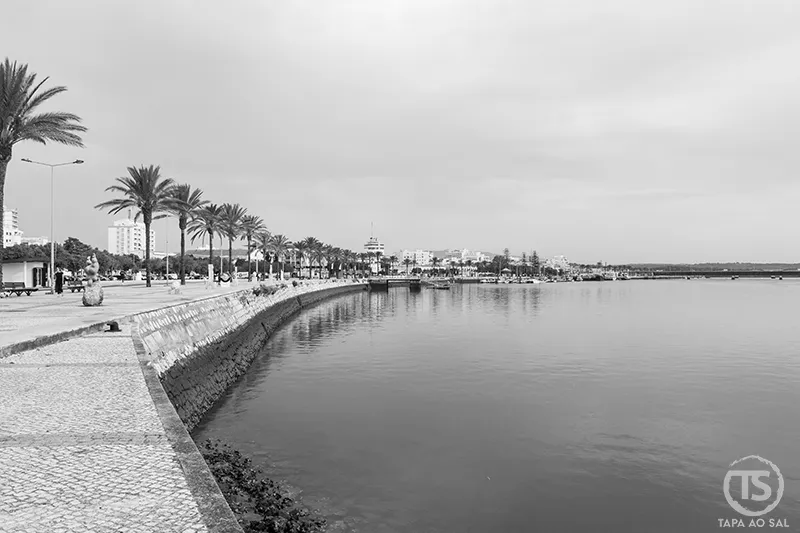
Within the city, mobility is relatively simple. Many areas, such as the historic centre, riverside front and marina, are best explored on foot. Walking is part of the experience, especially at the end of the day, when the heat softens and the city becomes more liveable. For longer distances, there are taxis, ride-hailing services and a network of urban buses that cover the main axes, although less frequently outside the high season.
In short, Portimão adapts to different types of travellers. It can be experienced in a compact, walkable way, or used as a base to explore central Algarve more broadly. How you arrive and move around is not just logistics; it is part of how the city reveals itself along the journey.
If you’re planning to explore Portugal by car, discover our complete guide about renting a car in Portugal before you travel.
Interactive Map of Portimão
This interactive map brings together the main places to visit in Portimão and its surroundings, organised in a practical way to help you plan your trip.
Here you will find cultural points of interest, beaches, natural areas, gastronomic suggestions and nearby extensions, allowing you to quickly understand distances, relationships between locations and possible routes.
Use it as a complement to the guide: to orient your day, adjust the pace of your visit or save references to return to later.
Click on the top right corner of the map to open it in full screen and save your favourite places.
Portimão: Identity, History and the City’s Soul
Before becoming a destination, Portimão was a trade. For decades, the city woke to the rhythm of river and sea, in a choreography of low boats, wet nets drying in the sun and sirens marking the beginning of shifts in the canning factories. Even today, walking along the Arade, it is easy to imagine that past: the metallic smell of fish, the contained urgency of men returning from the sea, the constant noise of a city that lived from what the Atlantic allowed.
The canning industry shaped not only the economy but also the urban landscape. Many of the buildings that now house museums, cultural spaces and riverside areas were once created to process sardines, sealing them in tins that travelled from here to the world. That past has not disappeared. It is embedded in the walls, in the collective memory, in the simple gestures of those who still speak of the sea as if it were a close relative. That is why the sardine is not only a dish; it is symbol, identity, living heritage.
Over time, Portimão opened itself to new horizons. Beaches began attracting holidaymakers, the riverside transformed, the city gained hotels, marinas and new centres. Tourism brought another light, another rhythm, another way of inhabiting space. Yet unlike many places that fade into display windows, Portimão kept a recognisable backbone. Between a museum installed in an old factory and a market where fish still arrives early, tourist landmarks coexist with the real life of a city that never stopped working.
It is within this coexistence that the soul of the place resides. Portimão is made of transitions: from river to sea, from industry to leisure, from memory to experience. Walking its streets reveals that the attractions in Portimão did not arise from emptiness, but grew from a concrete history, sometimes rough, deeply tied to water. Understanding that root changes how one looks at what is visited today: a fort facing the ocean, a luminous marina, a silent museum, all chapters of the same body in constant transformation.
Things to Do in Portimão: What to Visit
Some cities are best understood from a map. Portimão is best understood on foot. Walking. Following the course of the river, entering and leaving streets, letting the salt of the sea and the warmth of stone guide the rhythm. The places to visit in Portimão do not impose themselves at once; they reveal themselves gradually, in layers, as if the city asked for time to be read.
Between water and houses, between industrial memory and touristic life, a natural path emerges linking some of the most emblematic sights in Portimão. It is this simple, walkable, lived thread that guides this first crossing of the city.
Riverside Area and Marina
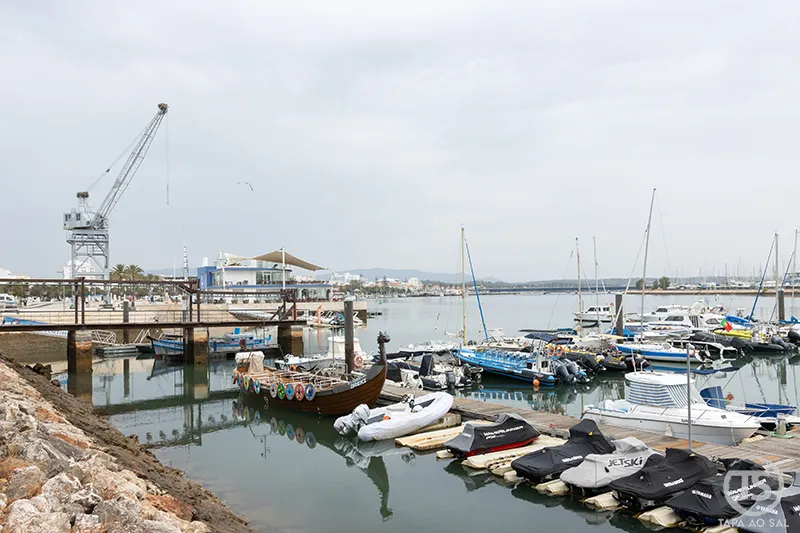
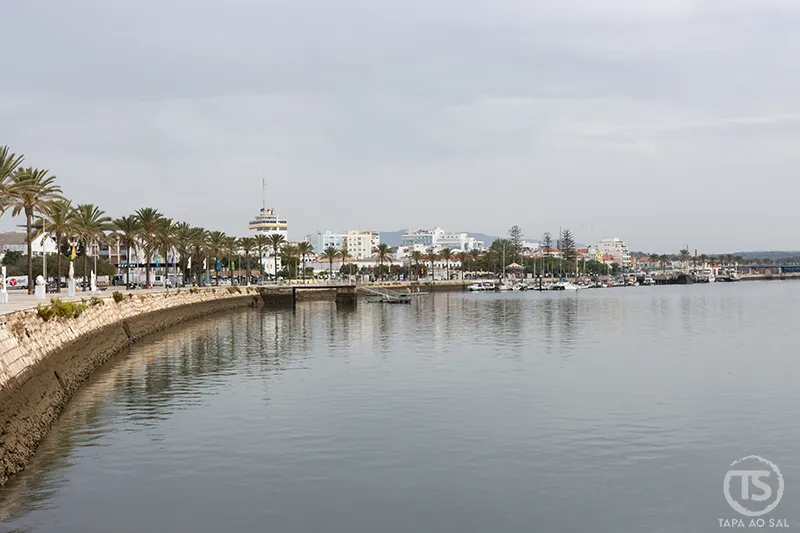
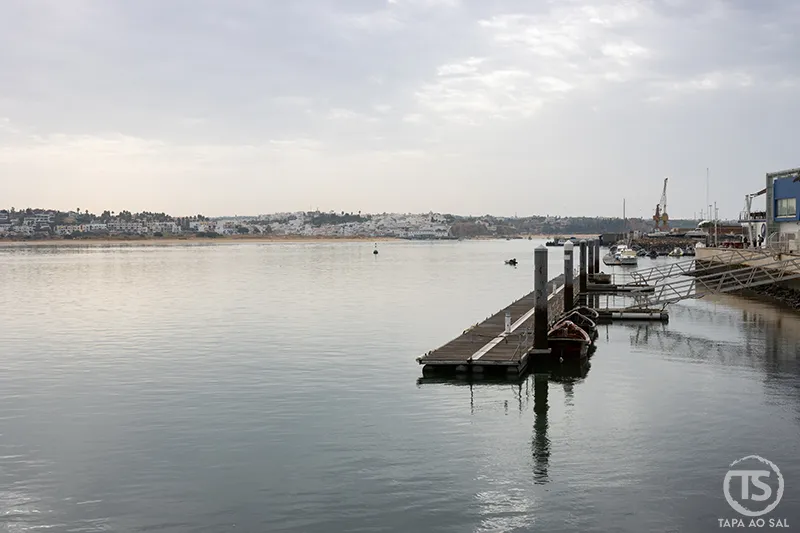
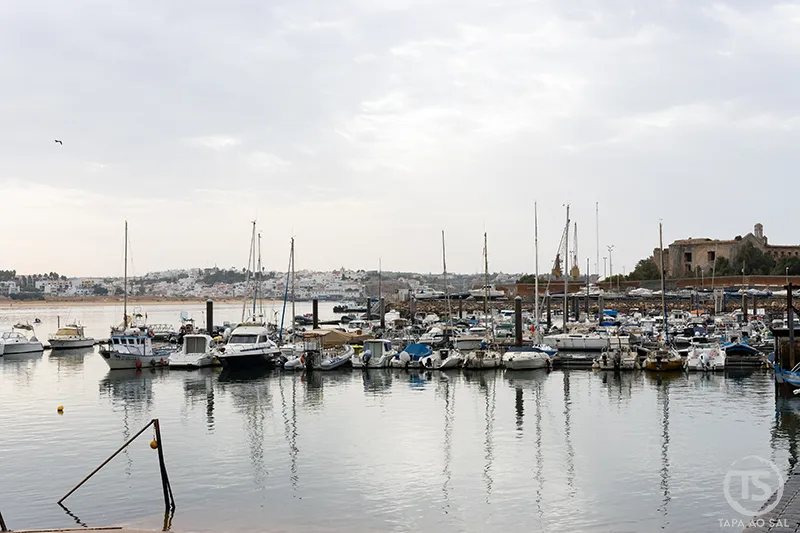
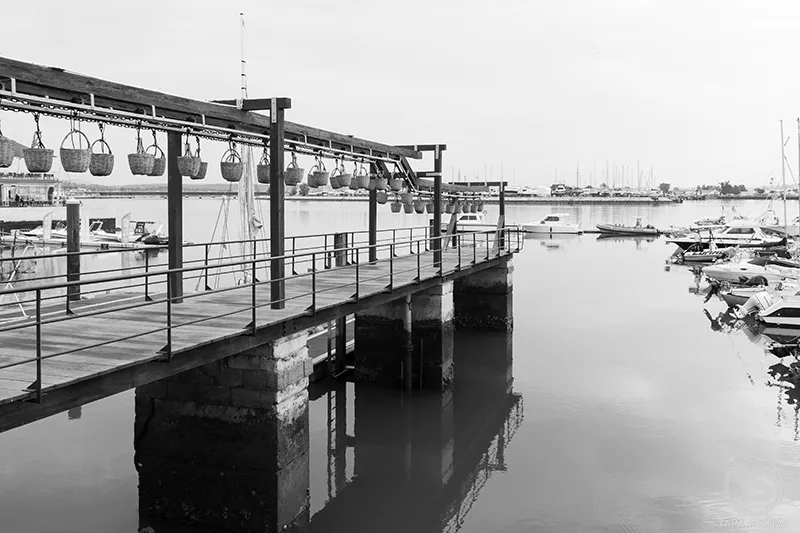
Walking along Portimão’s riverside means following a continuous, almost hypnotic movement. The Arade flows wide, with a deceptive serenity, reflecting masts, pale façades and drifting seagulls. On one side, former industrial buildings reinvented; on the other, fishing boats still returning early and leisure vessels announcing departures. The walk happens without hurry. Terraces smell of freshly brewed coffee, restaurants receive fresh fish through side doors, garden benches invite you simply to observe.
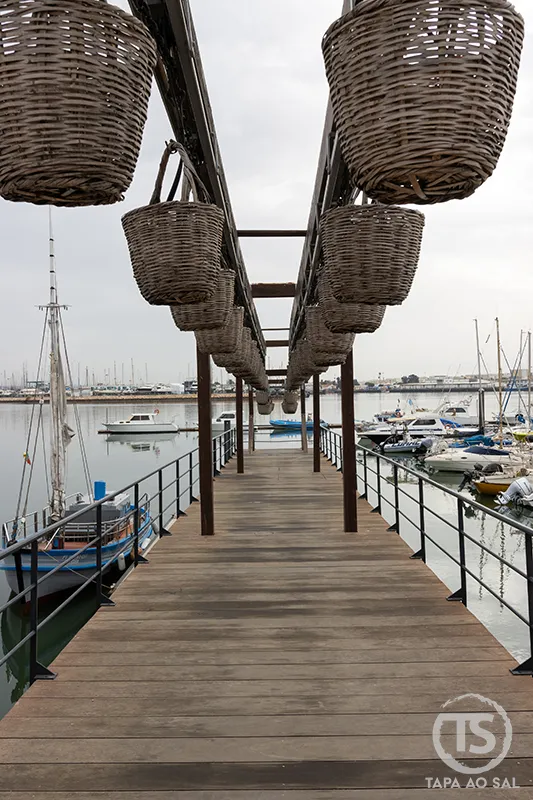
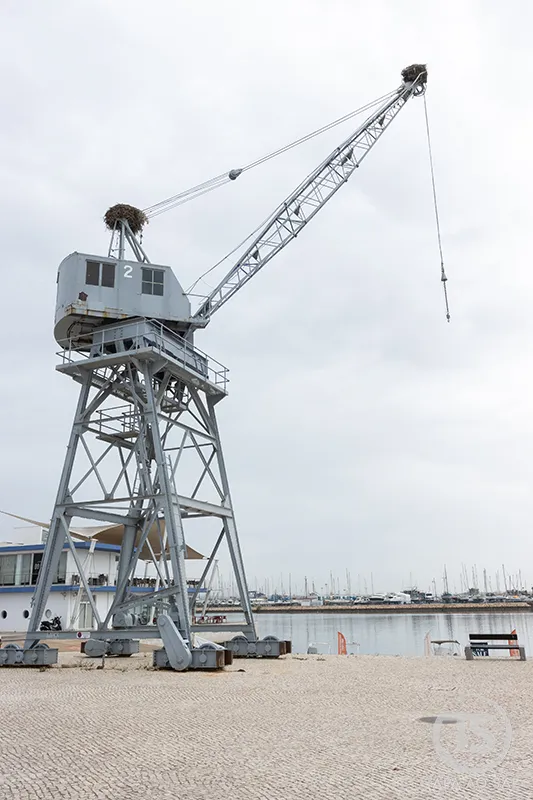
The Marina extends this atmosphere. More open, more luminous, more oriented towards the horizon. Here, the city seems to expand. Boats line up as if permanently displayed, and the murmur of conversation mixes with the creak of ropes and the soft sound of water against hulls. It is also from here that Portimão launches itself towards the sea. Many boat tours depart from this riverside front: quick trips to the Benagil caves, themed cruises along the coast, offshore outings to observe dolphins. Even for those who do not board, the constant movement of departures and arrivals gives the waterfront a feeling of perpetual beginning.
Portimão Museum
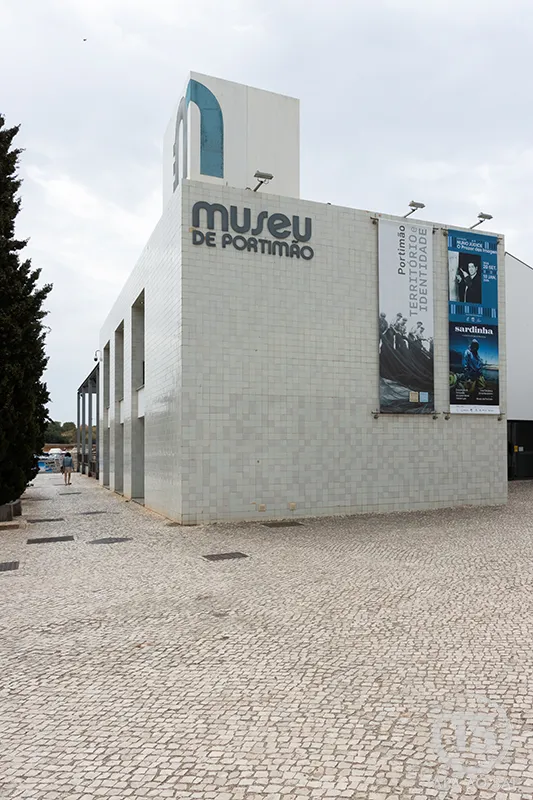
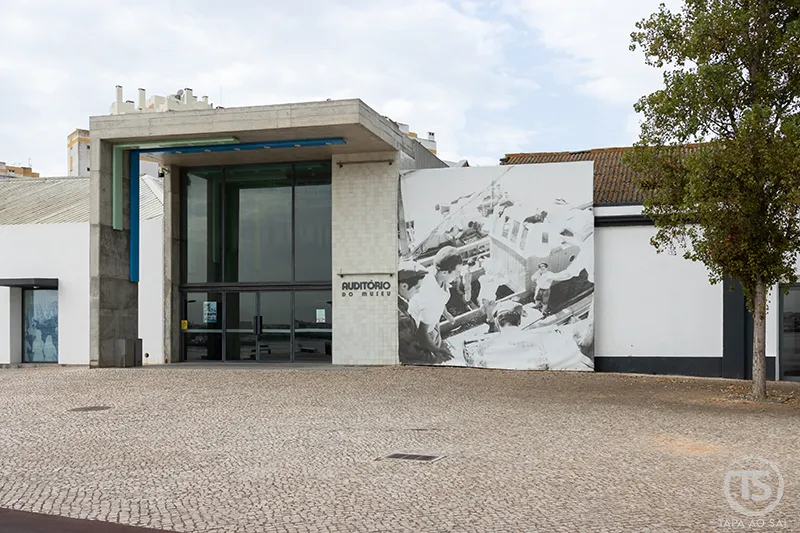
Few buildings translate the transformation of the city as clearly as the Portimão Museum. Installed in a former canning factory, it retains something raw in its presence: thick walls, industrial volumes, a silence that is not empty but dense. Stepping inside changes the temperature. The noise of the street stays outside. So does, in a way, the present.
Inside, the path unfolds through archaeological pieces, fishing instruments, traditional boats and testimonies of the canning industry that shaped Portimão for generations. While observing an old machine or a photograph of workers, it is easy to imagine the strong smell of fish, the hot steam, the repetitive rhythm of production lines. The museum is not only informative; it is atmospheric. That is why it becomes an excellent answer for those wondering what to do in Portimão on rainy days, or simply seeking a quieter pause between beaches and walks.
Parish Church and Historic Centre
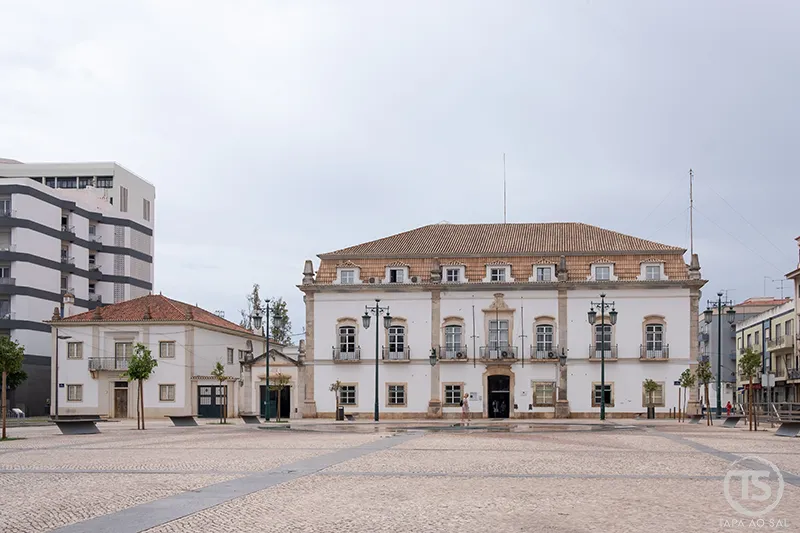
A few minutes from the riverside, the scenery changes. Streets narrow, façades draw closer, sound disperses. In the historic centre, Portimão reveals another scale. The Parish Church appears without theatricality, integrated into the urban fabric, as if it had always belonged to that fold of the city.
Outside, Algarve light is direct, almost raw. Inside, it is filtered. Cool. Silence gains density, interrupted only by footsteps and breathing. The walls hold centuries of devotion, small marks of continuous use, candles leaving a subtle scent of wax and smoke in the air. Entering here is a simple way to understand what to see in Portimão beyond the obvious: places where the city slows down and recognises itself.
Forte de Santa Catarina
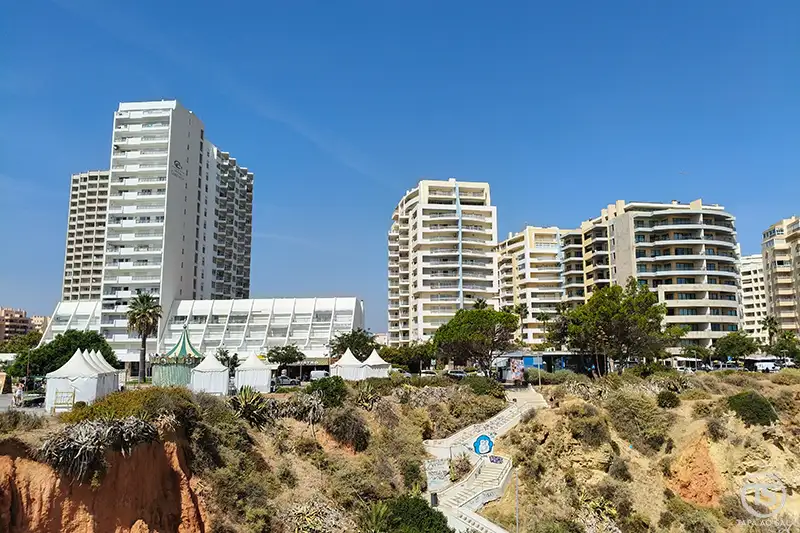
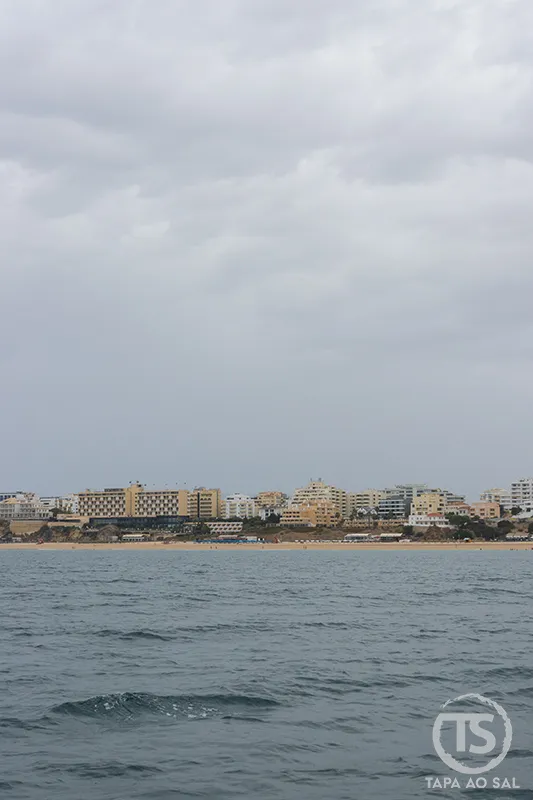
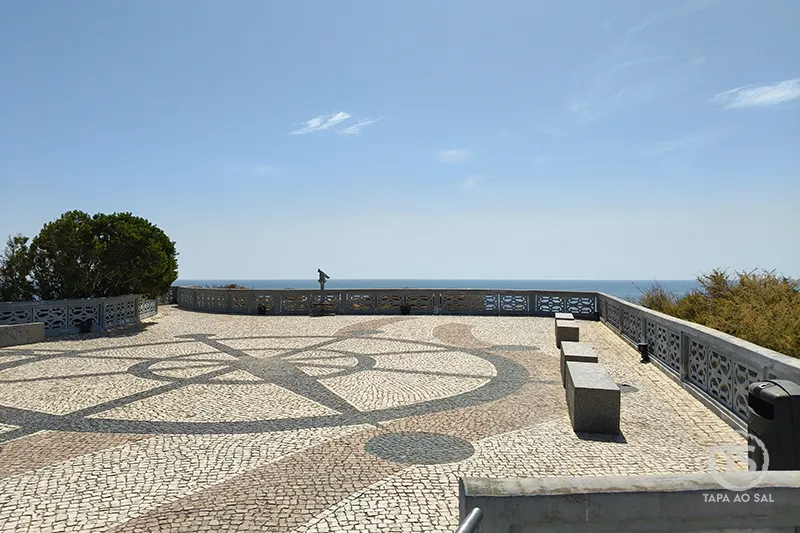
Moving closer to the sea again, Forte de Santa Catarina imposes itself without excessive grandeur, yet with authority. Built to guard the mouth of the Arade and protect the city’s entrance, its role has changed but its strategic position remains. From the walls, the gaze opens over Praia da Rocha, the cut of the cliffs, the shifting line of the Atlantic.
There is always wind here. A wind that carries salt, clears the air, amplifies sound. The fort invites more to remain than to explore. To sit. To observe. To understand how Portimão has always lived facing this unstable border between river and ocean.
Old bridge over the Arade
The old bridge connects shores, but also connects times. Seen from afar, it is structure. Crossed on foot, it becomes a place. Traffic passes but does not dominate. Someone is always stopped halfway, leaning on the railing, watching a boat, the waterline, the slow change of light.
At the end of the day, the bridge turns into a privileged observatory. The sun lowers over the city, the river turns copper and gold, and Portimão seems suspended for a moment. It is the most precise time to cross it: when the heat softens, when the city breathes, when the postcard stops being an image and becomes experience.
Beaches of Portimão: What to See by the Sea
In Portimão, the sea marks an immediate change of rhythm. Approaching the cliffs leaves the city behind and everything becomes more physical: stronger wind, harsher light, the constant sound of waves. Beaches are not merely scenery; they are natural pauses between walks, visits and discoveries. Each has its own character, its own ideal moment of the day, its own way of being experienced.
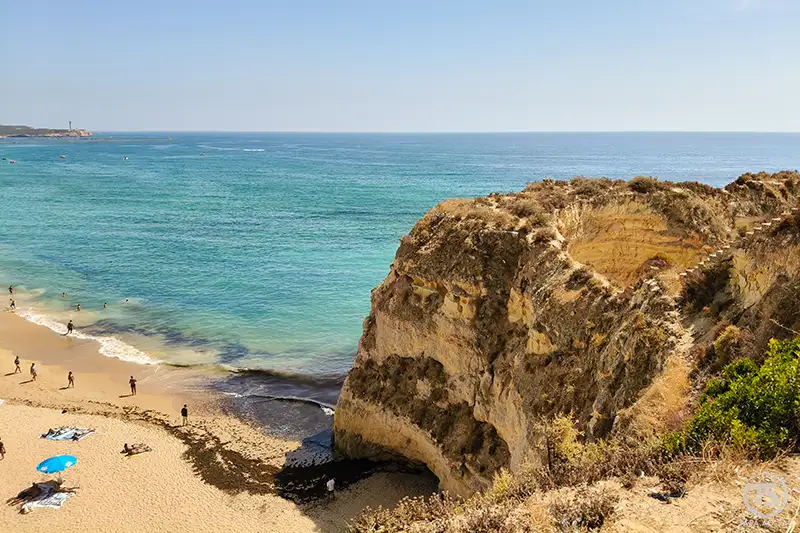
This overview gathers some of the most emblematic beaches for those wanting to quickly understand the different coastal environments of Portimão, without exhausting the subject.
Praia da Rocha
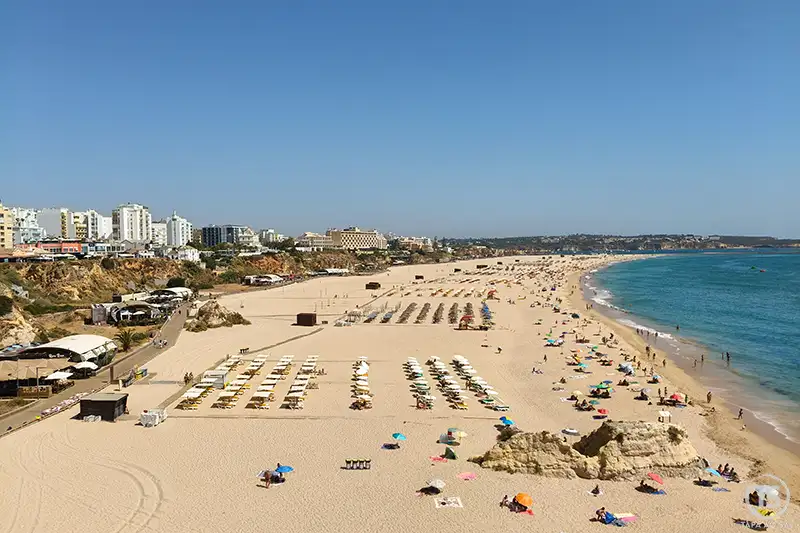
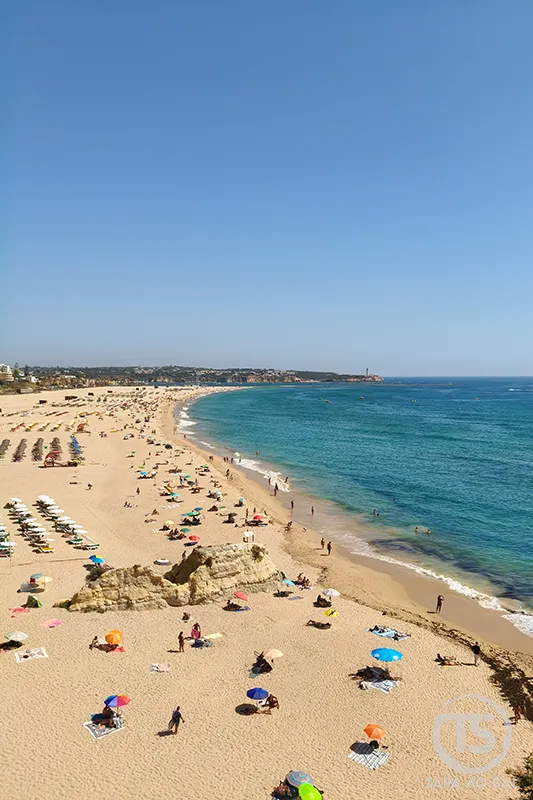
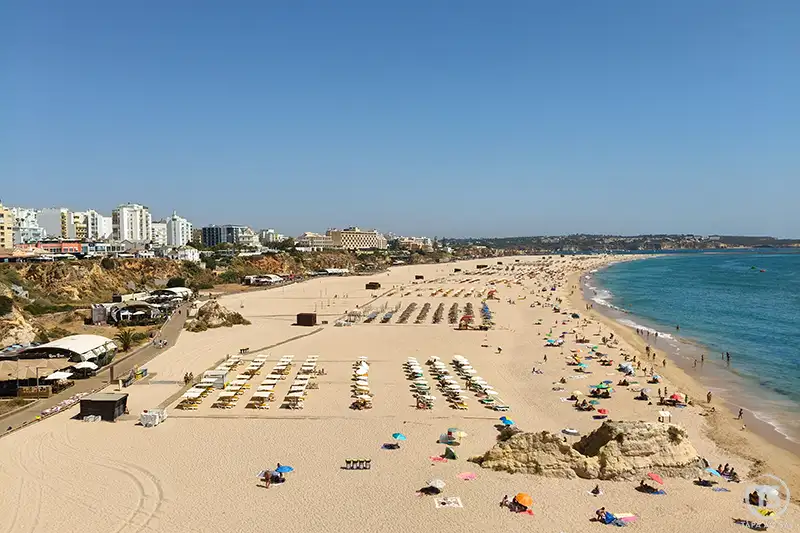
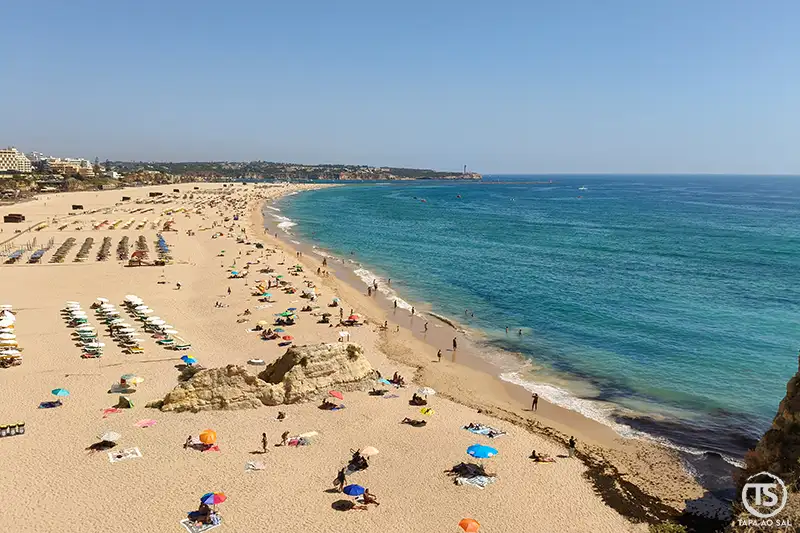
Arriving at Praia da Rocha is always an impact. The stretch of sand opens wide, almost excessive, framed by golden cliffs that seem to hold the horizon. There is constant movement: people walking by the water, boards under arms, voices lost in the wind. Early morning belongs to the attentive, soft light, cool sand, less noise. At sunset, the beach becomes an open stage, the sun lowering slowly as Rocha reveals its most vibrant side.
Três Castelos
Just beyond, the atmosphere changes. At Três Castelos, the beach fragments into shapes and shadows. The cliffs carve irregular volumes, creating small refuges where the sound of the sea arrives more muted. It is a beach that invites walking, exploring passages between rocks, stopping to photograph. The best moment comes when the sun begins to drop, drawing strong contrasts between light and stone.
Praia do Vau
More sheltered, Praia do Vau carries a different atmosphere. Access is simple, the sand more contained, the sea usually calmer. Here, the rhythm feels more familiar, less dispersed. Nearby restaurants, natural shade by the cliffs and a sense of permanence invite you to stay longer. It works well in the middle of the day, when the sun has warmed but not yet grown heavy.
João de Arens / Praia do Alemão
Reaching João de Arens or Praia do Alemão requires a small detour. The path follows trails along the cliffs, with the sea always present yet not always visible. The environment feels wilder, less organised, more silent. Small coves appear almost unexpectedly, protected, with clear water and a rare sense of isolation so close to the city. Here, care becomes part of the experience: observing the terrain, choosing the right path, respecting the place and the rhythm of the sea.
Três Irmãos (Alvor)
Closer to Alvor, Praia dos Três Irmãos combines openness and detail. The sand is wide yet cut by rock formations that create small beaches within the beach. Open areas alternate with more intimate corners. Morning feels calm and luminous; at the end of the day, a golden tone transforms the landscape. It also acts as a natural transition between Portimão and other coastal territories waiting to be discovered.
These beaches help explain why Portimão is far more than a seaside destination. Each offers a distinct environment, an ideal time of day, a different way of being by the sea. For those wishing to go deeper into access, differences, services and safety, that path continues elsewhere, an open invitation to explore, with time, our dedicated guide to the best beaches of Portimão.
Experiences in Portimão: Sea, Culture and Local Traditionso
There is a clear difference between observing the sea from land and entering it. In Portimão, that transition happens naturally, almost inevitably. After walking through the city and its beaches, curiosity emerges to see the coast from another angle, to understand how the cliffs are drawn when perspective changes. Sea experiences are not only tourist activities; they are a natural extension of the relationship the city has always had with the Atlantic.
Boat Tours, Benagil Caves and Dolphin Watching
The moment the boat leaves the marina is discreet yet decisive. The engine rises, the hull moves away from the river and, little by little, the urban scene dissolves. As the coast approaches, the cliffs reveal another scale: higher, rougher, more raw than they appear from above. The sea strikes them with a dry, repetitive sound, and the wind carries a strong scent of salt and warm stone.
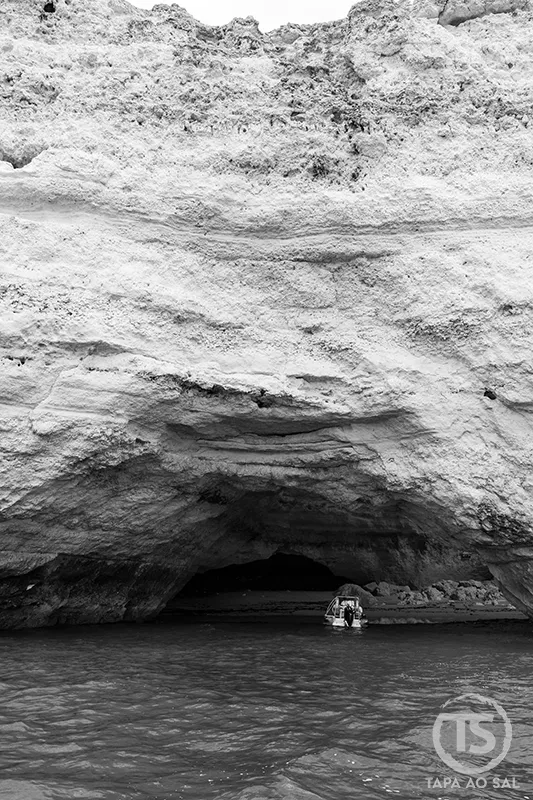
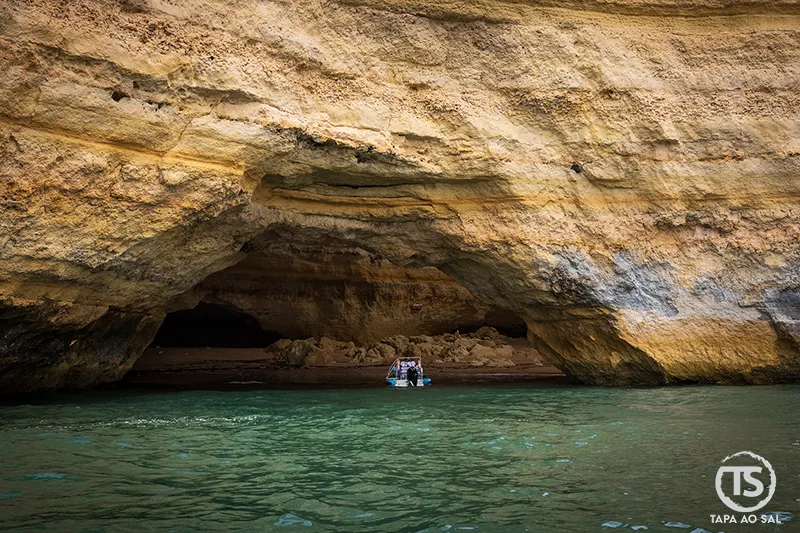
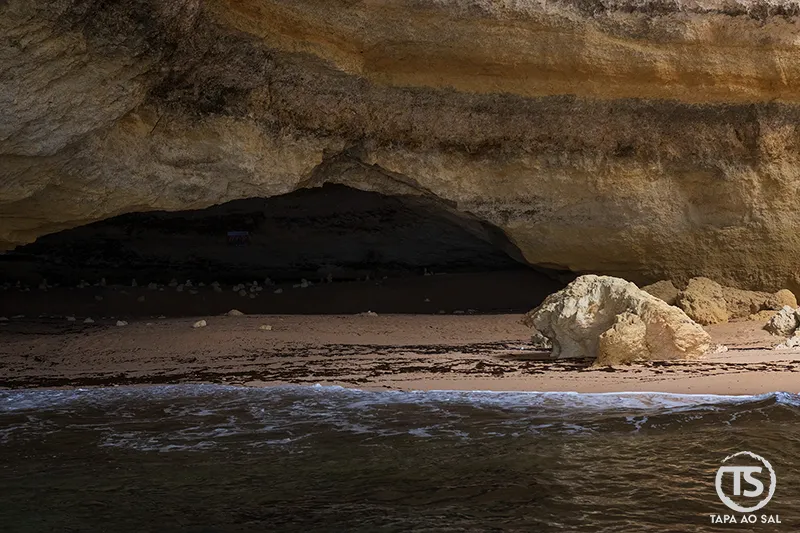
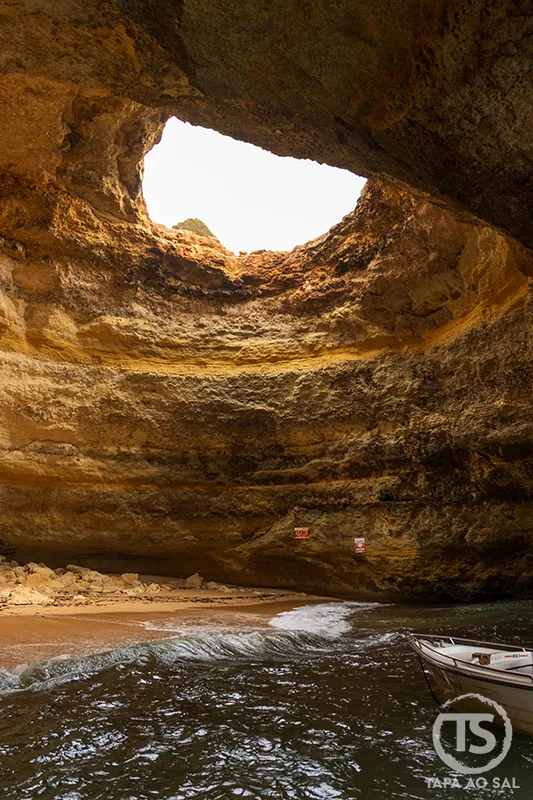
Entering the Benagil caves feels almost silent. The light suddenly changes, becoming filtered, greenish. Rock walls appear damp, alive, marked by thousands of years of erosion. Inside, the engine’s echo mixes with the breathing of the sea. There is always a suspended moment, as if time opened briefly before returning the boat outside. It becomes easy to understand why these caves have become one of the most sought-after experiences for anyone who decides to visit Portimão.
Further offshore, the rhythm changes again. The sea opens, the horizon deepens, and attention shifts to the water’s surface. Dolphin watching carries an unpredictability unlike any other experience. There is waiting, expectation, attentive silence. And then, suddenly, movement. A back breaking the water, two, three. The sound of impact, brief, followed by an elegant glide. Not a rehearsed show, but a fleeting encounter that constantly reminds who truly rules this territory.
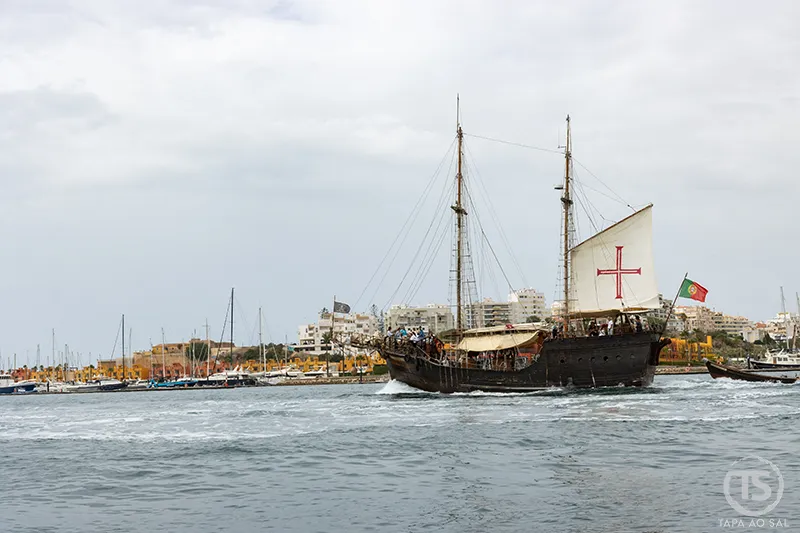
Exploring Portimão from the sea completely changes the perspective
Exploring Portimão from the sea completely changes the perspective.
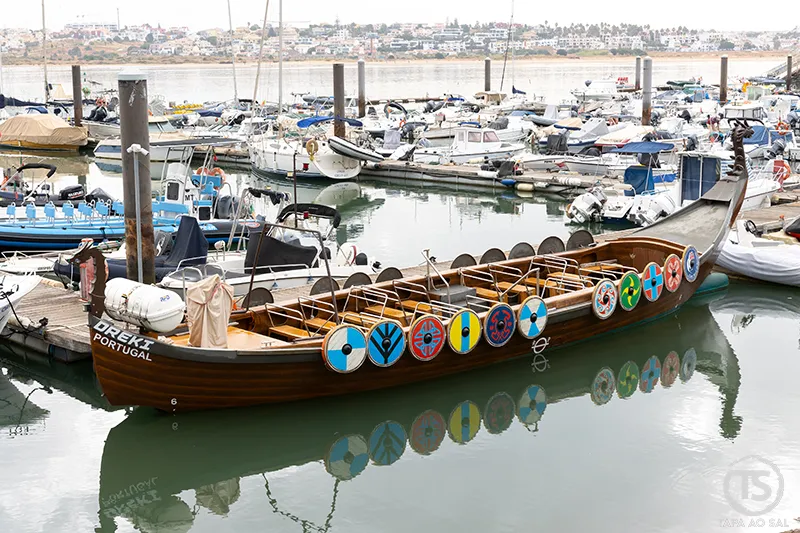
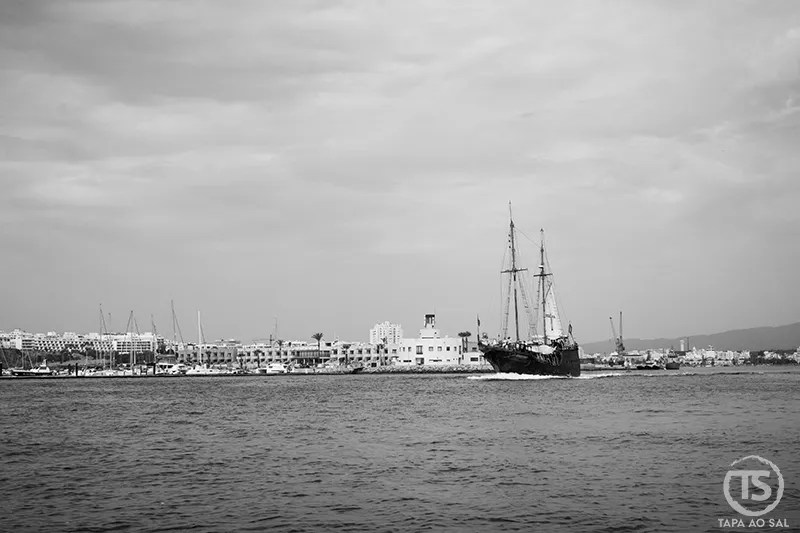
On board a historic-inspired pirate ship, sail along the Algarve coastline, pass the golden cliffs of Praia da Rocha and continue towards hidden caves and quiet coves that reveal themselves only from the ocean. The sound of the hull cutting through the water and the salty breeze on your face turn the journey into a small maritime adventure.
A light and memorable way to see Portimão — ideal for families, couples or anyone looking to combine nature and fun in a single experience.
These outings depart directly from Portimão and fit naturally into the city’s rhythm. Whether on a fast boat to the caves, a themed cruise along the coast or a dedicated dolphin-watching trip, the sea offers a complementary reading of the place, a way to understand attractions in Portimão not as fixed points on a map, but as moving experiences shaped by light, wind and the unpredictability of the Atlantic.
Gastronomy and sardine traditions
In Portimão, gastronomy begins before the dish reaches the table. It begins with scent. Smoke rising from improvised grills on warm summer streets, mixing salt, charcoal and fresh fish. There is a moment in the year when the city seems to revolve around a simple ancestral ritual: sardines over fire, turned by hand, eaten almost without ceremony. The Sardine Festival is not only an event; it is the most direct expression of an identity built by the sea.
Walking through Portimão during those days means following an invisible trail. Conversations spread through the streets, music hums in the background, glasses strike tables, plates arrive full. Sardines crackle on the grill, releasing an intense smell that lingers on clothes and memory. They are eaten with fingers, bread absorbing olive oil, salt still present on the skin. A shared gesture that transforms a meal into a social act.
Even outside the festival calendar, sardines remain present. On menus, in restaurant windows, in the respectful way people speak of fish. In Portimão, eating extends the relationship with the sea, recognising that the city was also built at the table. For those seeking to understand Portimão, gastronomy is not an isolated attraction but a thread connecting past and present, work and pleasure, firelight and warm evenings.
Nightlife in Portimão
When the sun fades in Portimão, the city does not close, it transforms. The accumulated heat of the day dissipates and Praia da Rocha gains another texture, shaped by artificial light, distant music and slower footsteps. The sand disappears into shadow, yet the sound of the sea remains constant, now mixed with laughter and the rhythmic pulse of night settling in.
Along the promenade and nearby streets, bars and terraces fill without urgency. There is no single centre, only several small points of life. People sit facing the dark ocean, glasses collecting condensation, conversations stretching beyond expectation. Music emerges in layers: a stronger beat from one bar, something almost imperceptible from another, creating an irregular soundtrack that follows those who pass by.
The contrast with daytime is clear. Where there was strong sun and bright sand, there is now half-light and reflection. Where heat dictated rhythm, the night breeze takes over. For those wondering what to do in Portimão at night, the answer is rarely a single place. It lies in wandering, stopping here and there, choosing a terrace without hurry, feeling the city breathe in a quieter but more continuous tone. Night in Portimão does not impose itself; it invites.
Where to eat in Portimão
In Portimão, eating is not merely satisfying hunger between activities. It is part of the journey. At the table, the city reveals another layer of character: closer, slower, deeply tied to the sea and the seasons. Restaurants, taverns, markets and terraces reflect this diversity, offering very different experiences depending on time of day, area and mood.
Here, a meal can be a long ritual or a simple quick gesture. Both make sense. Both tell a story.
Traditional Algarve cuisine
The base of Algarve cuisine in Portimão is clear and direct: grilled fish, steaming cataplanas, cuttlefish, xerém, razor-clam rice. Dishes that ask for little artifice and rely above all on freshness. Flavours are clean, seasoning restrained, olive oil present without dominating.
Eating traditional cuisine often means sitting in a space without much staging, where the dish arrives still sizzling, accompanied by bread and conversation. Prices vary by area and season, but outside peak summer they remain surprisingly balanced for the quality served.
Seafood houses and petiscos
Seafood restaurants celebrate what the sea offers in smaller scale: clams, cockles, coastal shrimp, goose barnacles when available. Meals unfold slowly, almost in chapters. One plate leads to another, glasses are refilled, time stretches naturally.
In petisco spots, the atmosphere is more informal. Small tables, constant sharing, dishes arriving and leaving quickly. A good option for extended late afternoons or warm nights, when the goal is not a structured meal but a moment of conviviality.
Traditional taverns
There are still places in Portimão where eating feels like stepping into daily routine. Taverns serving dish-of-the-day menus, handwritten boards, simple choices changing according to the morning’s catch. The environment feels functional, almost quiet, attention centred on the plate.
Particularly interesting outside high season, both for price and authenticity. Meals are quick, honest, leaving the sense of having touched the real city beyond the most visible tourist layer.
Restaurants with a view
By the river or above the sea, restaurants with views add a visual layer to the experience. Lunch with the Arade flowing slowly beside you or dinner with the Atlantic darkening ahead changes how the dish is perceived. Not because the food is necessarily more elaborate, but because context becomes part of the meal.
Prices tend to be higher, especially in summer, but in return there is time, space and a landscape that invites lingering. Ideal for slow meals at specific moments of the day, such as late afternoon.
Vegetarian and lighter options
In recent years, Portimão has gained lighter and more contemporary options. Vegetarian dishes, refined salads, bowls and balanced proposals that contrast with the robustness of traditional cuisine. These places suit those seeking variety, lighter meals or simply adjusting to hotter days.
They work well as pauses between beach and walk, or as alternatives when the heat asks for freshness rather than weight.
Regional sweets
Algarve sweets appear discreetly yet memorably. Dom Rodrigo, morgado, fig and almond cakes, dense flavours often served in small portions. Not desserts for every day, but for specific, almost ceremonial moments.
Found in traditional pastry shops and some restaurants, they function as a natural closing note to a longer meal.
Municipal Market
Portimão’s Municipal Market is a good starting point to understand the foundation of all this. In the morning, the space fills with voices, boxes of fish, fresh vegetables and ripe fruit. It is there that one senses what is in season and what will reach kitchens that day.
Even for those not buying, the visit is worthwhile for the atmosphere, the quick rhythm, the scent of the sea, the feeling that gastronomy begins long before it reaches the plate.
Portimão through different perspectives
Portimão does not present itself the same way to everyone. The city adapts to who arrives, to the time available, to the season and to the rhythm of each journey. There is a calmer, more functional Portimão, another more contemplative, and another condensed into a single well-lived day. Seeing the city through these lenses helps understand how to visit Portimão without frustration, adjusting expectations to what one truly seeks.
Portimão with children
With children, Portimão reveals a particularly accessible side. Distances are short, many routes are walkable, and the rhythm allows frequent pauses without stress. Beaches with easy access and wide sands become natural spaces of freedom, where time slows. On calmer days, the sea invites simple repeated play without the need for constant stimulation.
Beyond the beach, the Portimão Museum becomes a good alternative, especially on unpredictable days. The large space, traditional boats and clear connection to the sea capture younger attention. Walking along the riverside at the end of the day, with boats arriving and departing, is another easy and intuitive moment requiring little planning.
Portimão in winter or with rain
In winter, Portimão changes tone but not interest. The city becomes quieter, closer, less pressured by the tourist calendar. Wind feels stronger, the sea more expressive, and indoor spaces gain importance. For those seeking what to do in Portimão during winter or rainy days, alternatives appear that go unnoticed in summer.
The Portimão Museum again plays a central role. Restaurants become warm refuges where meals extend naturally. Walking along the Arade on cloudy days offers another reading of the city, more introspective, with softer colours and a slower rhythm. A Portimão less photogenic at first glance, yet more honest in how it reveals itself.
Portimão in one day
Visiting Portimão in just one day requires clear choices. It is not about seeing everything, but building a coherent path. A morning between the historic centre and riverside helps understand the city’s identity. A slow lunch, ideally with river or sea view, creates a necessary pause. In the afternoon, approaching the beaches, even briefly, completes the experience.
At the end of the day, returning to the promenade or crossing the bridge over the Arade at sunset closes the circle. For those wondering what to visit in Portimão in a short time, this simple sequence offers a balanced reading: city, sea, memory and present, without rush or excess.
These perspectives do not compete; they complement one another. Portimão holds the rare ability to adapt to the traveller, whether hurried, accompanied or seeking a slower pace.
Nature and things to see near Portimão
When the gaze moves away from the coastline, Portimão reveals a broader and unexpected territory. Landscapes where salt gives way to green, where silence replaces the noise of beaches and time follows another cadence. These surroundings work as natural alternatives for different days, when curiosity asks for another scale or when the Algarve shows it is more than its most famous postcard.
Ria de Alvor and boardwalks
Just minutes from the centre, the Ria de Alvor opens as a transitional territory. Here, water no longer carries the urgency of the ocean. It moves slowly between low banks, reflecting sky and reeds. Boardwalks allow effortless walking, almost in silence, following birds and the soft sound of the tide rising and falling.
A space that invites pause. Rhythm slows naturally, light becomes more diffuse, and the Algarve reveals a calmer expression, ideal for long walks or simply observing without haste.
Megalithic Monuments of Alcalar
Further inland, the Megalithic Monuments of Alcalar transport visitors to a completely different timescale. Silence feels deeper. The landscape opens into gentle hills and a sense of isolation contrasting with the proximity of the city.
Walking among these prehistoric remains becomes an exercise in imagination. Stones placed with intention thousands of years ago speak of ancient communities and rituals. A brief yet dense visit that adds historical depth for anyone wishing to understand Portimão beyond the immediate present.
Algarve International Circuit
In a completely different register, the Algarve International Circuit appears unexpectedly within the rolling landscape. Here, silence gives way to engine sound, asphalt vibration and the precise geometry of a track designed for speed.
Even for those not following motorsport, it offers a curious alternative, especially outside beach season, showing another facet of the territory.
What to see near Portimão: Extensions to your visit
Portimão works well as a starting point. The city lies at the centre of a compact territory where short journeys open landscapes, rhythms and stories very different from one another.
Alvor
Alvor feels like a gentle transition. Just minutes away, the atmosphere becomes lower, more horizontal, tied to the calm water of the ria. The former fishing village keeps its own rhythm of narrow streets, discreet terraces and slow daily life.
Ferragudo
Crossing the river towards Ferragudo changes both shore and scale. White houses climb the hillside towards the church, creating an almost intact Algarve village image. Everything feels closer: tables, conversations, the sea.
Silves
Heading inland reveals another layer of Algarve. Silves stands out through history. Its castle dominates the landscape, reddish walls cutting against the sky, recalling a past when this region was a centre of power and culture.
Lagos
Lagos presents a more vibrant and cosmopolitan Algarve. The historic centre is compact and lively, with churches, walls and pedestrian streets leading quickly to cliffs and beaches that made the town famous.
Monchique
Climbing towards Monchique changes the scenery completely. Air becomes cooler, green denser, silence deeper. The mountains offer a clear pause from the coastal Algarve, a complementary extension worth exploring slowly.
These extensions show that Portimão is not an isolated destination, but a central point connecting different worlds across Algarve.
Handicraft and local products
Travelling also means carrying something home that does not fit into a photograph. In Portimão, that material memory appears in simple objects shaped by use, time and territory.
Palm weaving is perhaps the clearest example, baskets, hats and utilitarian pieces born from patient knowledge repeated across generations. Porches ceramics add another visual layer, strong colours and repeated patterns carrying Algarve light indoors. Cork and wood complete this quieter universe, small functional products often found in markets and neighbourhood shops.
Municipal markets, small stores and seasonal fairs remain the best starting points, not for variety, but for authenticity.
Where to stay in Portimão
Choosing where to stay in Portimão is largely choosing the rhythm of your stay. The city offers distinct areas, each with its own relationship to river, sea and urban life.
Staying in the centre or near the riverside allows a walkable experience. Cafés in the morning, evening walks, restaurants reachable without a car. Praia da Rocha concentrates a more touristic offer, hotels and apartments designed for those wanting the sea as a constant neighbour. Quieter residential areas offer balance between accessibility and silence.
Discover more places to stay in the region
If you’d like to explore other stays, there are many welcoming options across the region. From countryside houses to nearby hotels, you can find some of the best accommodation deals around this destination on Booking.
Tapa ao Sal Choices
Vista Marina Apartamentos Turísticos stands out for its proximity to the river and apartment autonomy, ideal for longer stays.
Rochavau Hotel offers a modern and functional environment, practical for exploring beaches and surroundings.
Jupiter Marina Hotel – Couples & Spa focuses on rest and contemplative stays, with privileged views over the Arade.
Conclusion: Portimão between the river, the sea and what remains to be discovered
Leaving Portimão does not leave a single image, but a sequence: the river at dusk, light touching façades, the distant scent of grilled fish returning with the wind. Some cities are visited in fragments; Portimão is crossed as a continuous path where each step leads naturally to the next.
As a gateway to central Algarve, the city opens paths from sea to mountains, from beach to history, from movement to silence. The Atlantic is not merely scenery here, but a constant presence shaping rhythm and identity. Understanding Portimão means accepting these layers without trying to exhaust them all at once.
Something always remains to be discovered: a street left unexplored, a beach seen only from afar, a detour saved for another day. Perhaps that is its greatest strength. Portimão does not demand urgency. It invites return, a new gaze, and the continuation of the journey with the river behind, the sea ahead, and the Algarve waiting to be crossed.
Explore more destinations in Portugal
From coastal towns to quiet villages and mountain landscapes, explore travel guides organised by region and continue your journey through Portugal at your own pace.
Image Gallery — Moments from a Visit to Portimão
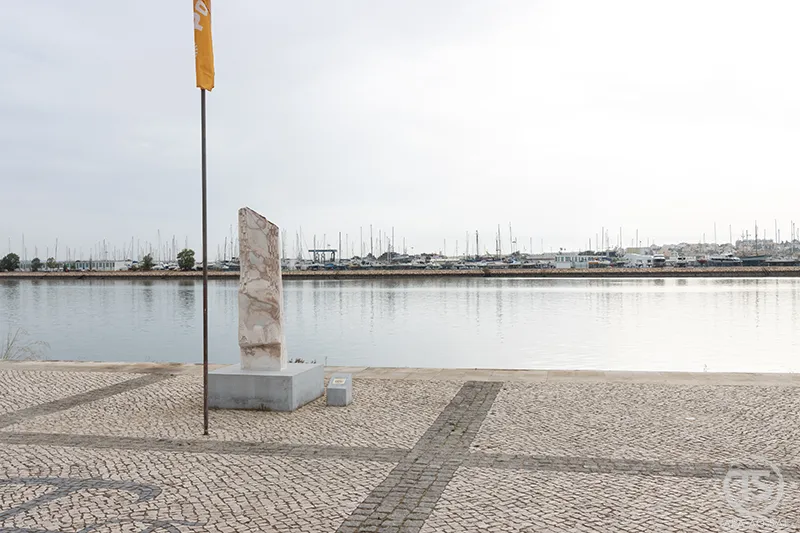
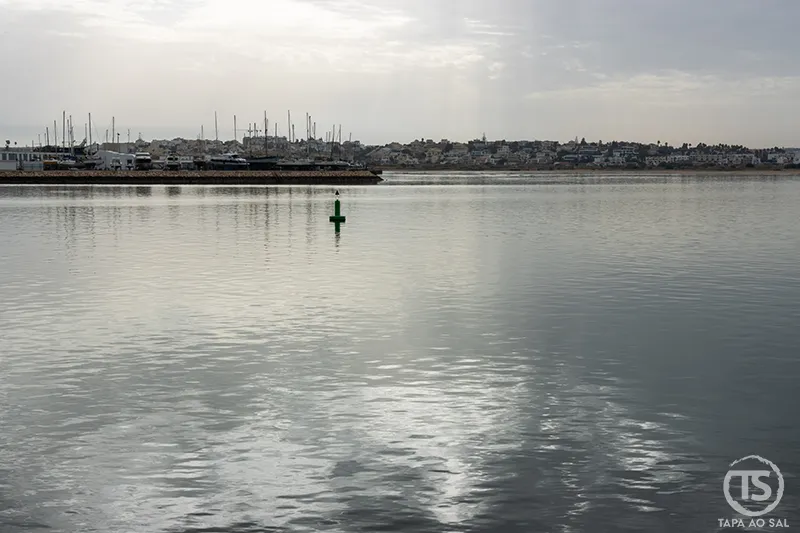
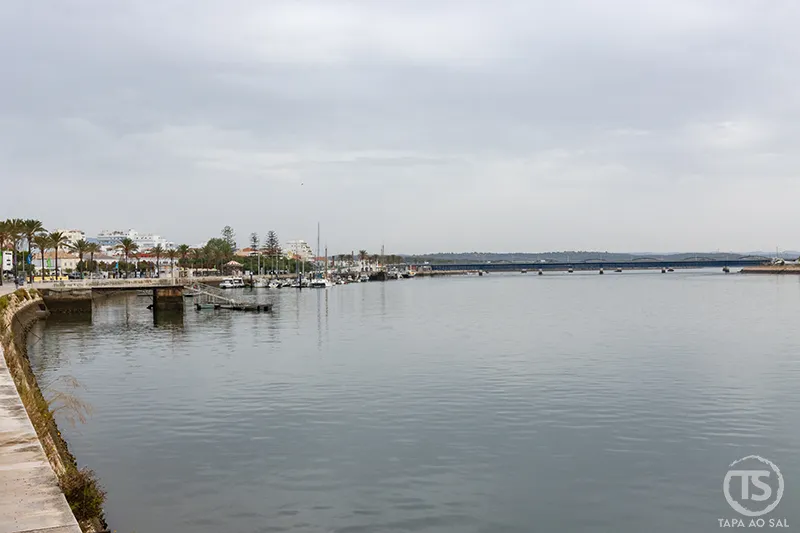
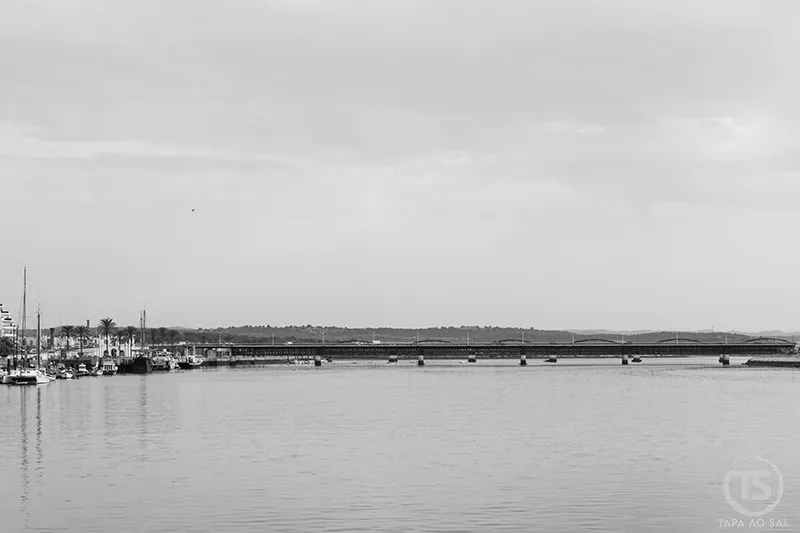
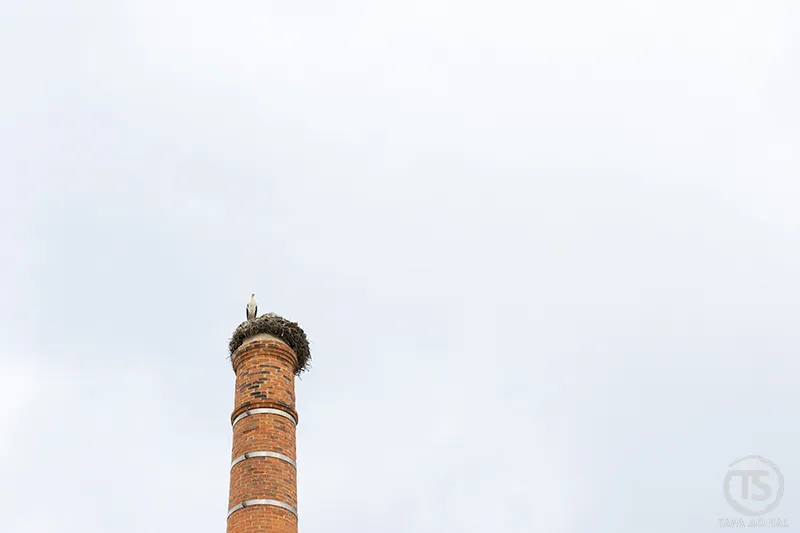
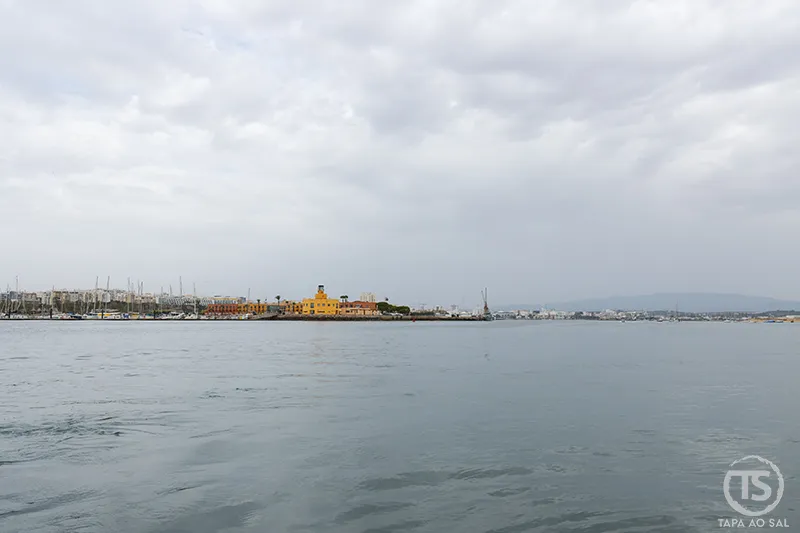
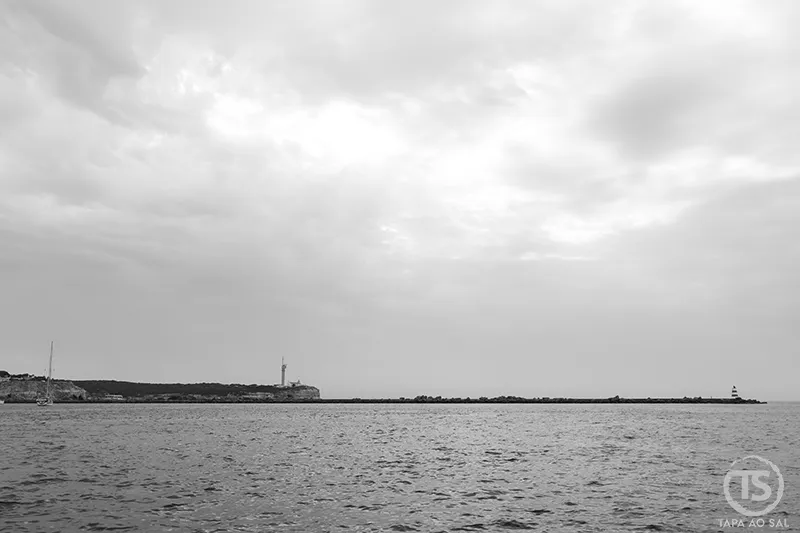
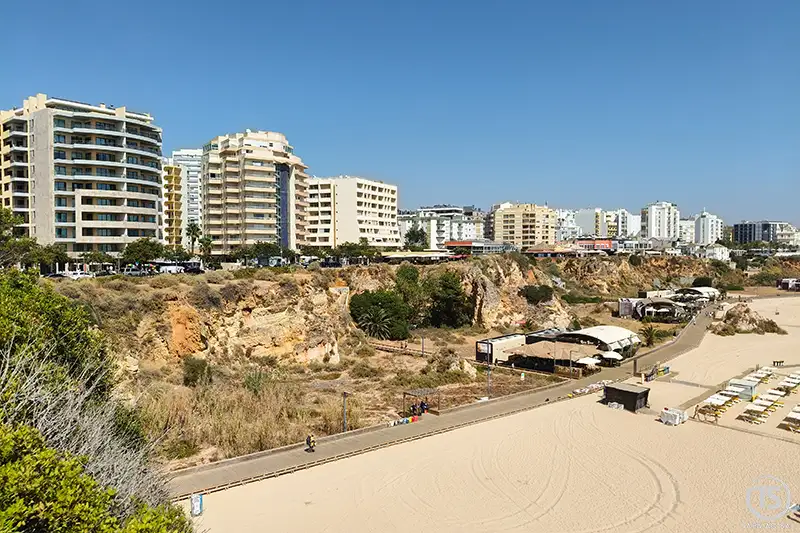
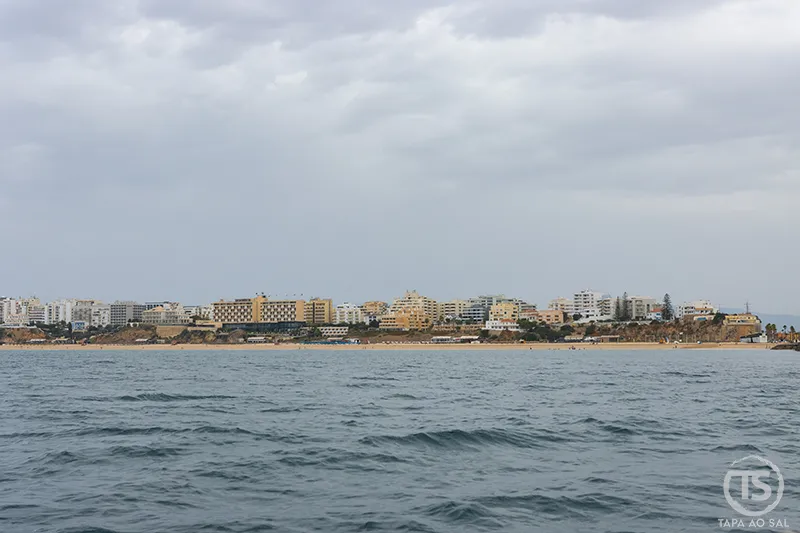
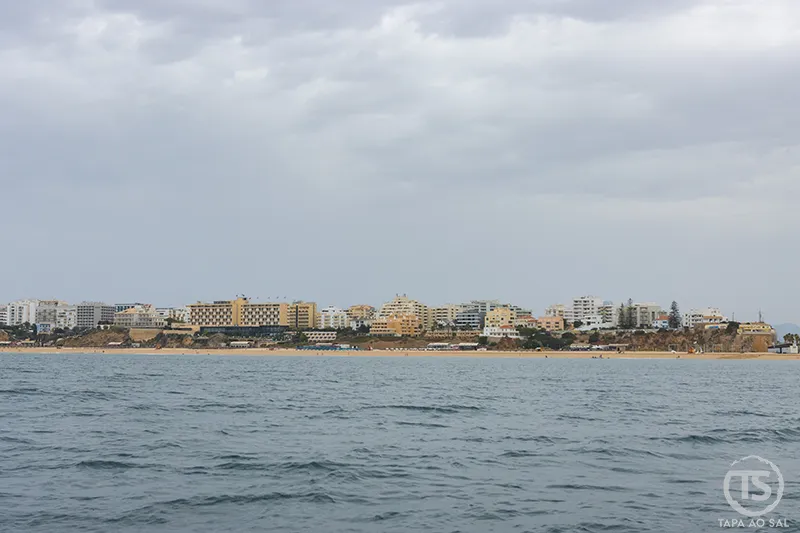
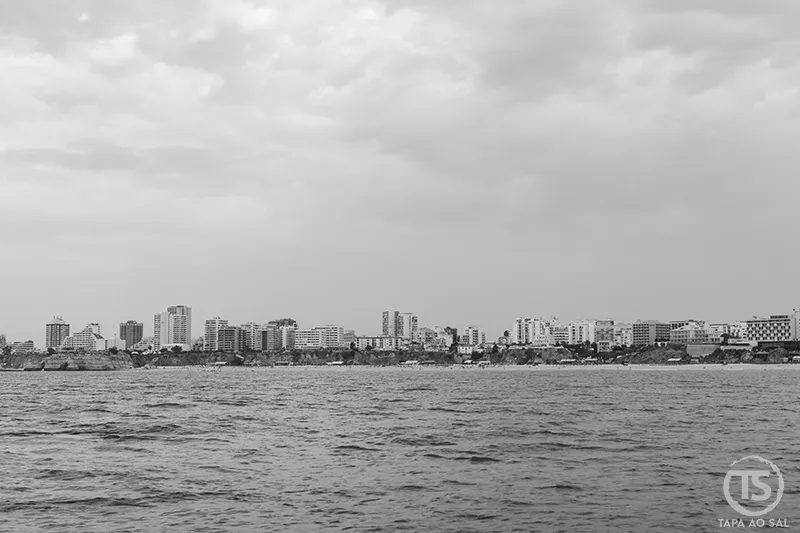
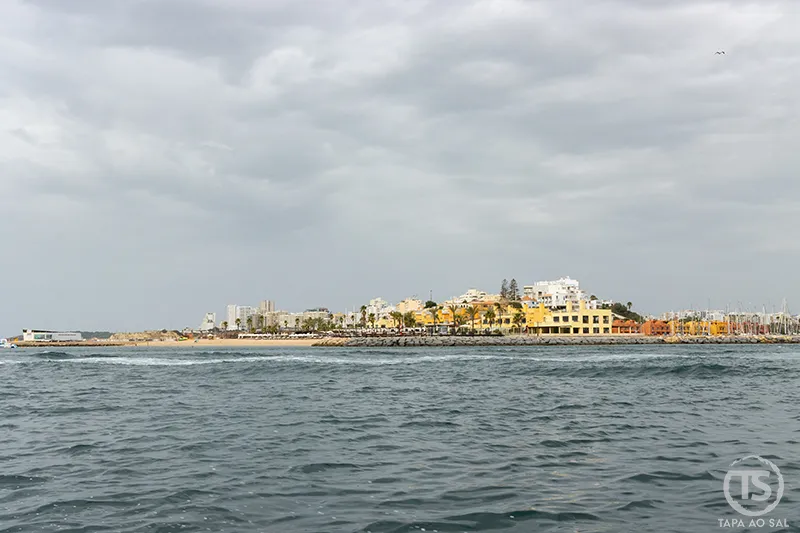
Some places can be explained with words. Others ask for silence and image. In Portimão, photography becomes an extension of the journey: capturing the shifting light throughout the day, the texture of sun-warmed stone, the slow movement of the river and the constant presence of the sea. This gallery is not meant to summarise the city, but to accompany it — like turning the pages of a travel journal made of moments.
Below, a selection of images revealing different perspectives of the Algarve coast and Portugal’s most famous sea cave:
Frequently Asked Questions about what to visit in Portimão
This section gathers some of the most common questions from those planning to visit Portimão for the first time or returning with more time. These practical answers are designed to help organise your trip and better understand what to expect from the city and its surroundings.
What can you do in Portimão for free?
Walk along the riverside promenade, cross the bridge over the Arade, explore the historic centre and its churches, visit beaches such as Praia da Rocha or Três Castelos, and follow the wooden walkways of the Ria de Alvor. The city offers many points of interest at no cost.
What to visit in Portimão in one day?
Start in the historic centre and the Portimão Museum, continue to the riverside area and the Marina, enjoy lunch overlooking the river and end the afternoon at Praia da Rocha or Forte de Santa Catarina. At sunset, the bridge over the Arade brings the day full circle.
Is Portimão worth visiting in winter?
Yes. In winter, Portimão feels calmer, ideal for walks, cultural visits, good gastronomy and time in nature. It’s a great season for those looking for things to do in Portimão without the crowds.
What to visit near Portimão?
Alvor, Ferragudo, Silves, Lagos and the Serra de Monchique are all within easy reach. These nearby destinations are simple extensions that add variety to any visit and reveal different landscapes of the central Algarve.
Is Portimão good for families?
It’s a great option. Beaches are easy to access, the city is walkable and there are activities for different ages. Museums, outdoor walks and riverside areas make Portimão practical and comfortable for family travel.
Share your experience… inspire others to discover Portimão.
Did you notice the changing light along the Arade River, the scent of the sea mixed with grilled sardines, or the unexpected silence of an old street far from the beach? Portimão is lived in layers, and each visit holds details that never appear on maps.
Tell us in the comments what your experience in Portimão was like. A slow walk, a beach discovered outside peak hours, a simple meal overlooking the river — your perspective may help other travellers discover the city beyond the obvious.
If this guide inspired you to travel, or to return, share it with those looking for authentic destinations in Portugal — places measured not only in beaches, but also in rhythms, memories and small discoveries.
Portimão isn’t rushed. It’s experienced.
This article may contain affiliate links. If you make a booking through one of them, Tapa ao Sal may receive a small commission, at no extra cost to you.
Thank you for supporting this independent project, created with time, care and respect for the places — just like the best way to experience Portimão.