
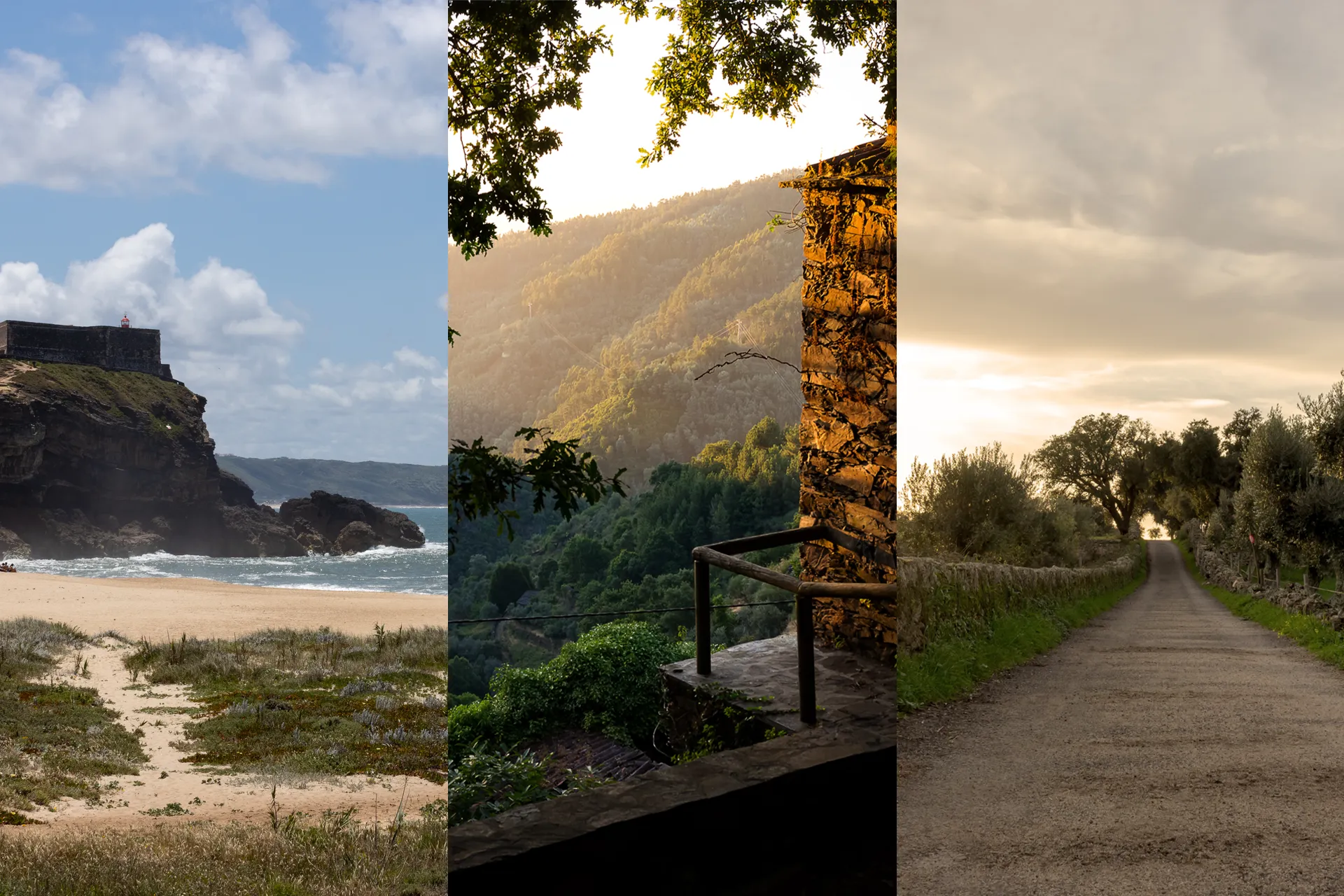

Travelling in Portugal is not only about visiting places; it is a way of listening to the country. It is the time-worn stones of a village pavement, the distant sound of a bell, the unexpected scent of burning wood on a winter afternoon.
If you are looking for what to visit in Portugal, this guide is for you. We have gathered destinations we explored at the pace of those who walk, observe and photograph. We do not offer you only locations; we offer senses, stories and atmospheres.
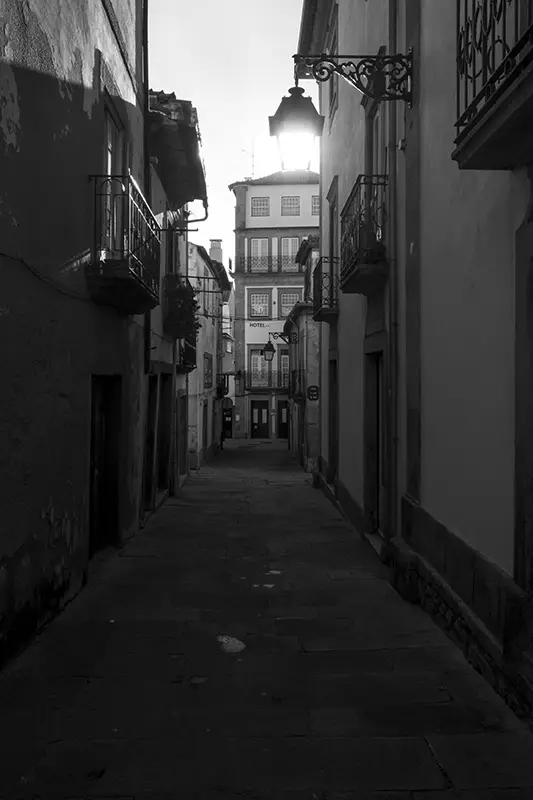
And because before leaving it is important to feel, we also invite you to read this reflective article: “Senhor, falta cumprir-se Portugal… O orgulho de ser português!”. Because it is in pride that the journey begins.
We have divided the country by regions, by seasons of the year and by ways of travelling. May this itinerary be more than just a list of places, but an invitation to listen to Portugal with attention, just as we have done — from north to south, island to island, step by step.
Things to Do in Portugal by Region
Portugal does not end in Lisboa or Porto. It is a country that reveals itself slowly, as you travel along secondary roads, listen to different accents, and discover that, between mountains, valleys and plains, there are several countries within this country.
Each region has its own light, its own silences and its own rhythm. Minho does not speak like Alentejo, nor does Madeira breathe like the Centro. What connects everything is the shared Portuguese ground, and the feeling that each place holds a piece of us, even before we have been there.
If you’re planning to explore Portugal by car, discover our complete guide about renting a car in Portugal before you travel.
Below, we leave you the living map of the places we have already travelled through. And because every journey continues, this guide will keep growing as the country reveals itself and allows itself to be walked.
North of Portugal
In the north, the country rises in stone and mist. The mountains are not only landscape, they are memory. You walk among oaks and broom, where silence carries weight, and each village seems to guard an ancient secret. Granite shines in the rain, rivers run swiftly, and the espigueiros challenge time with the dignity of those who have witnessed much pass by.
Here, every step is a crossing between untamed nature and ancestral culture. You do not simply visit the north — you live the north.
Central Portugal
The Centro is the backbone of Portugal, a territory where mountains embrace rivers, villages resist high on the slopes, and time seems to follow another rhythm. Here you find memories carved in xisto and legends wrapped in mist, where the cold of the mountains contrasts with the gentleness of the thermal waters, and where each turn in the road reveals a scene that could be a poem.
It is a region for those who enjoy discovering slowly, without hurry, because nothing here reveals itself all at once.
Lisbon region
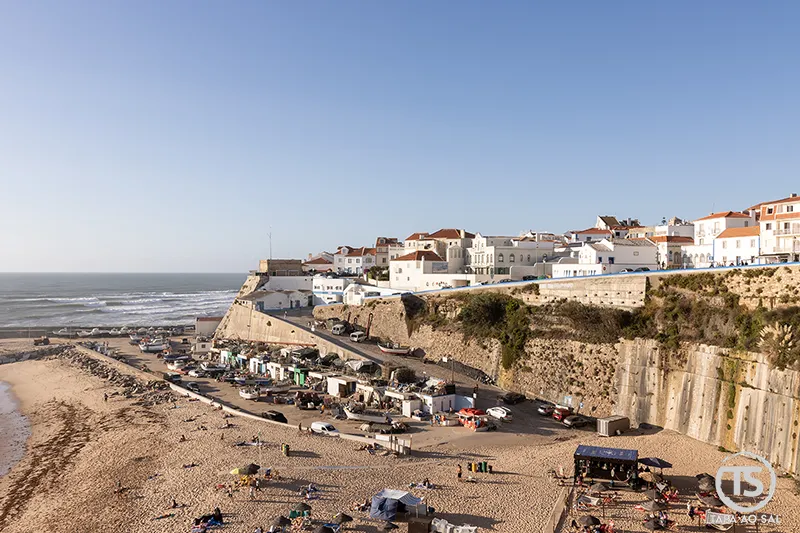
In this region, the country blends past and present with almost effortless elegance. Lisboa glimmers between hills, with trams winding through stone streets and the Tejo setting the rhythm of tides and lives. Yet step a little away from the capital and you will find vineyards, ancient cork oaks, forgotten convents and villages that still understand what a quiet day feels like.
Lisbon region are both gateway and crossing. Much of our history begins here — and much of our journey too.
Alentejo
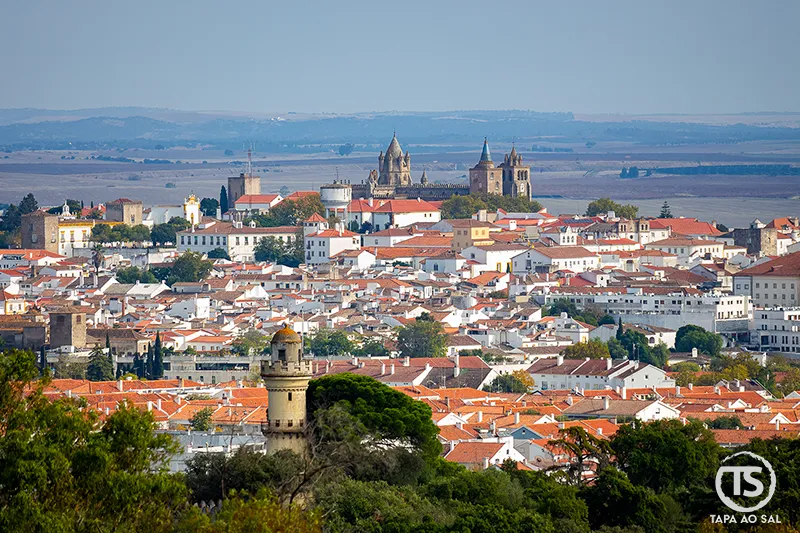
Alentejo is not a place to visit in haste. Here, time moves slowly — and that is exactly how it should be. Silence runs deep, the plains stretch beyond the horizon, and villages rest beneath the heat of long afternoons. It is a land of wide horizons, unhurried conversations and flavours that warm the soul.
Each village seems to tell a story spoken softly. Each whitewashed stone holds centuries of sun. Alentejo does not impose itself — it whispers.
Algarve
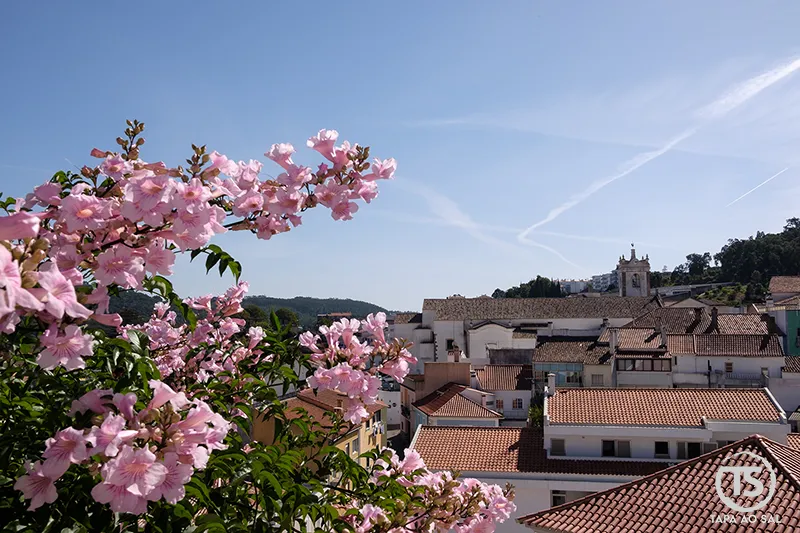
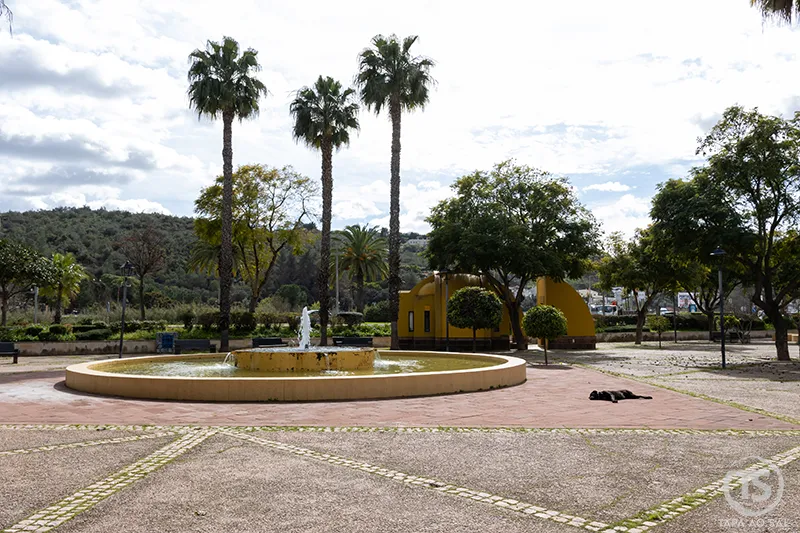
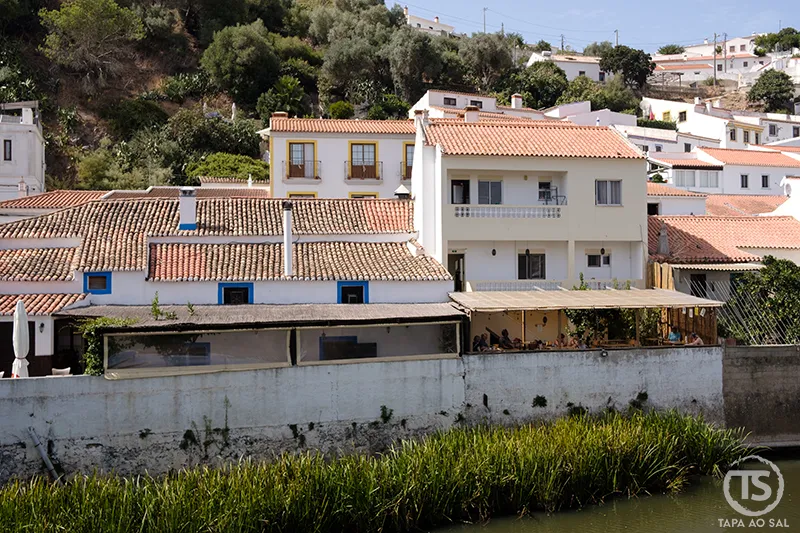
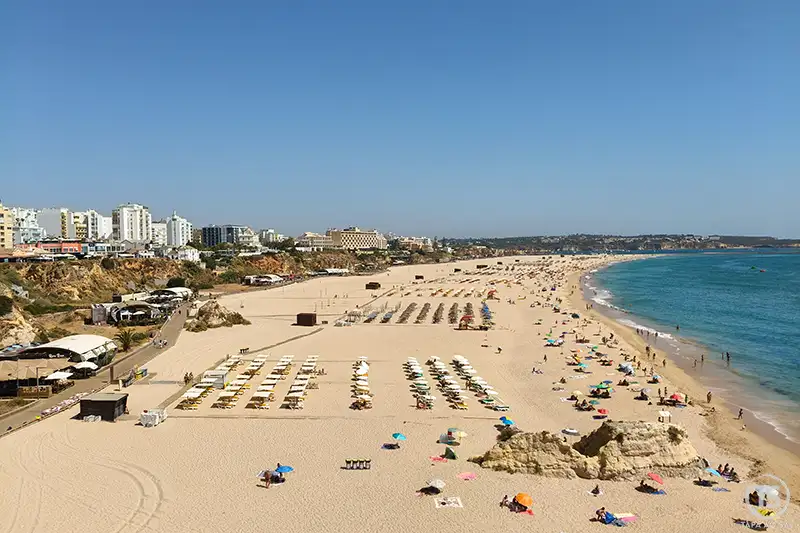
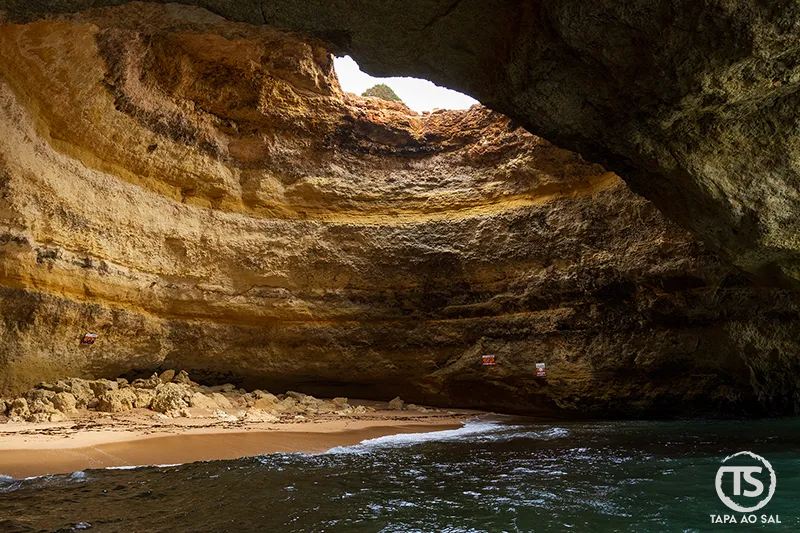
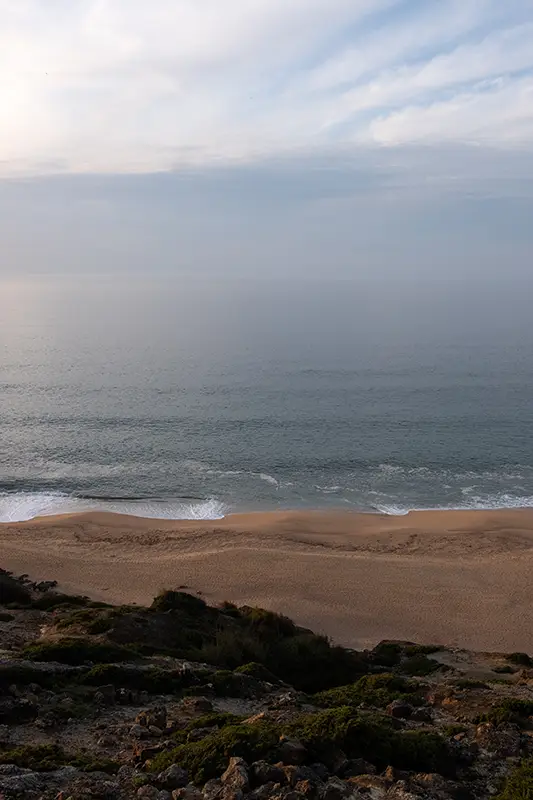
When people speak of Algarve, many imagine the blue of the sea and beaches carved between golden cliffs. But there is another Algarve — higher, drier, slower — where hills shelter almost forgotten villages, where medronho is gathered by hand and paths disappear among rockrose and silence.
It is a land of contrasts: between the bustle of coastal towns and the quiet of the mountains, between the salt of the sea and the sweetness of the fig tree. Here, winter is gentle, the light is clear, and time sometimes seems to pause just long enough for us to notice more closely
Madeira
Madeira is pure green vertigo. The levadas wind along the slopes, between hand-carved tunnels and flowered cliffs that welcome only those who trust their step. The laurissilva forest covers humid valleys, while high above, Pico do Areeiro touches the clouds with fingers of basalt.
From Funchal to Ponta de São Lourenço, from the dizzying view of Cabo Girão to the terraces of Santana, every part of the island invites you to stop — not to rest, but to absorb
- Funchal — the living heart of the island, with markets, gardens and a natural amphitheatre over the Atlantic.
- Santana — thatched houses, living tradition and a landscape shaped by hand tools
- Pico do Areeiro — a sunrise that feels as if it rises from within the earth
- Ponta de São Lourenço — a walk along dramatic cliffs to where the island ends.
- Curral das Freiras — a refuge between mountains, dense silence and deep memorie
- Cabo Girão — an abyss with a glass floor and the soul of a precipice.
- Paul da Serra — a plateau suspended above the clouds.
- Porto Moniz — natural pools, wild sea and rest that arrives with the salt
Azores
The Azores belong to another time. Lagoons hide inside mist-covered craters. Hydrangeas paint the paths in improbable shades of blue. And the green — that deep green — never seems to repeat itself. The land breathes, the sea surrounds, and the rain, when it comes, is simply part of the landscape.
Each island has its own rhythm, its own voice. And walking through them feels like listening to a book being read softly into your ear.
- São Miguel –
– Lagoa das Sete Cidades – a legendary mirror between blue and green.
– Furnas – steaming calderas, hot baths and cozido that rises from the earth.
– Ribeira Grande – a youthful city with the soul of an old village. - Terceira –
– Angra do Heroísmo – World Heritage and a heart of basalt stone.
– Algar do Carvão – descending into a sleeping volcano. - Pico –
– Montanha do Pico – climbing to Portugal’s highest point and seeing the world from 2,351 metres.
– Lajes do Pico – whaling tradition and an endless sea. - Faial –
– Caldeira – a crater covered in mist and pasture.
– Marina da Horta – a passing point for those who sail the Atlantic - São Jorge –
– Fajã da Caldeira de Santo Cristo – a suspended world between tides and cliffs. - Flores –
– Poço da Ribeira do Ferreiro – waterfalls flowing through absolute green - Corvo –
– Caldeirão – the rounded silence of an island that fits within a single village - Graciosa e Santa Maria – still to be explored, yet already present in spirit on the Tapa ao Sal map.
Things to Do in Portugal by Season
Portugal changes its face with the seasons. Not only in the landscape, but in the light, the scents, the festivities, and in the way people live their days. Travelling in rhythm with the year is like discovering the entire country piece by piece, as if it were a book whose pages reveal themselves only at a certain moment.
🌱 Spring
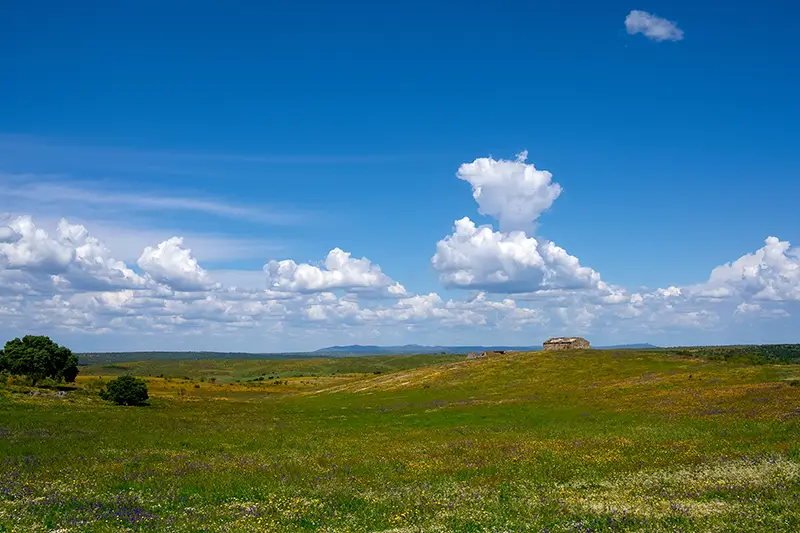
The fields begin to release their freshest green, and flower-filled villages seem to grow from the hillsides as if made from the same matter as the trees. It is a time for walking: along shaded trails, between streams and cherry blossoms, or on mountain paths that open once again to the gentle warmth of the first long days.
The gastronomy follows the season: wild asparagus, snow peas, roasted lamb and smoked folares arrive at the table like promises of what is to come. It is the ideal moment to discover the interior, and to rediscover Portugal with open senses.
☀️ Summer
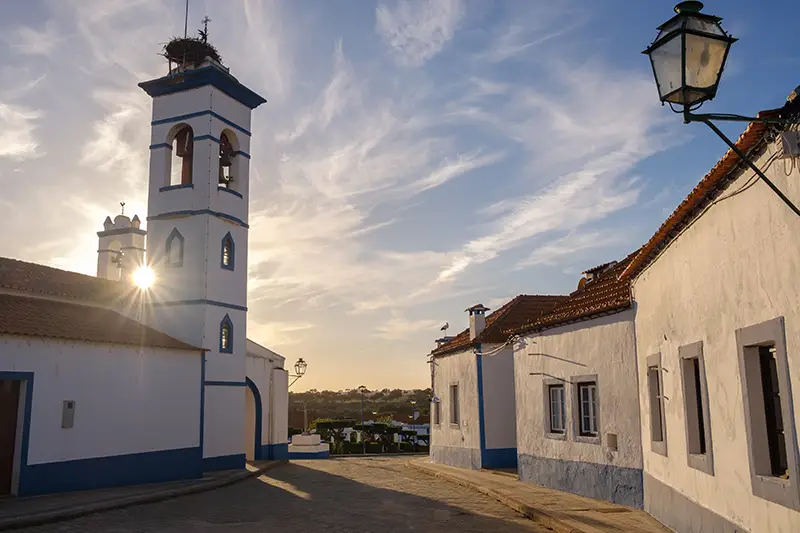
The light grows dense, the blue of the sky pushes the horizons outward, and the entire country moves closer to the sea. Beaches — Atlantic, river or hidden between rocks — come alive, yet many escape instead to the coolness of the mountains, to quieter villages where the nights still call for a blanket.
In the towns, popular festivities return: dances in open squares, sardines grilling over coals, street celebrations with lights hanging between windows. In Lisboa, neighbourhoods fill with music and the scent of manjerico, in a celebration that moves through streets and hearts alike. If you wish to immerse yourself in that atmosphere, take a look at our article dedicated to the Santos Populares de Lisboa.
It is the season to travel through Portugal with joy in your steps and salt in your hair, from north to south, without hurry to return.
🍂 Autumn
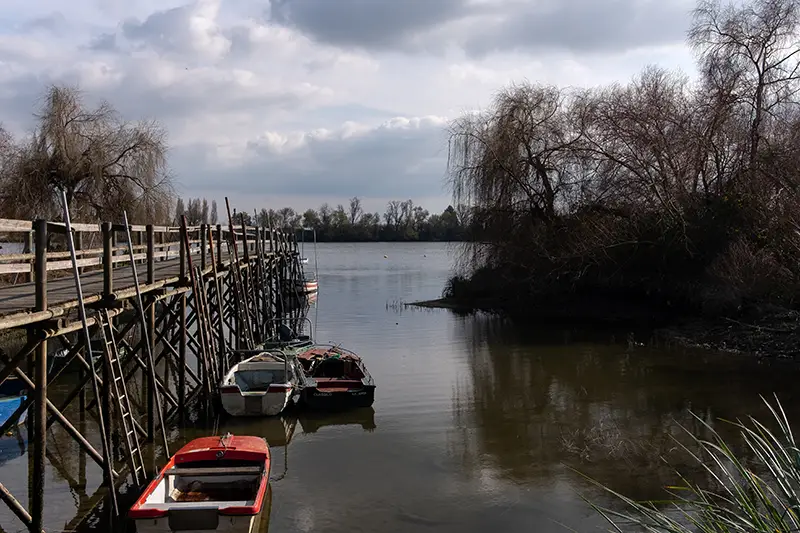
The country dresses itself in gold. Vineyards colour the valleys, chestnut trees release their fruit, and the air deepens, scented with damp earth and smoked delicacies. It is a time for local fairs, harvests, magustos and old markets, where tradition sits at the table with those who arrive.
Thermal towns gain a new charm, with warm waters contrasting the coolness of the afternoons. It is a season for slowing down, for travelling along national roads, sleeping in stone houses, photographing mist, tasting young wines and listening to the silence of mature landscapes.
❄️ Winter
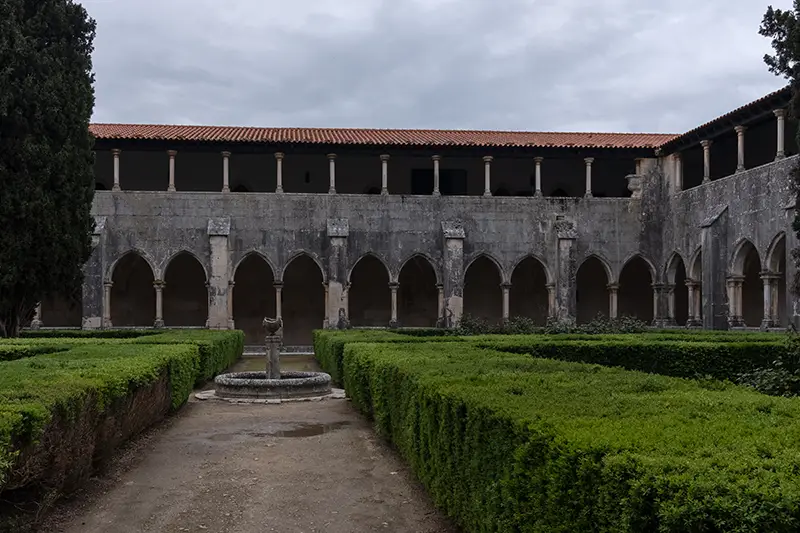
At the top of Serra da Estrela, snow covers the paths and transforms the scenery. But winter is not felt only in the mountains. There are lit fireplaces in the villages, blankets over shoulders and pots on the fire that warm both body and soul.
It is a season for cultural escapes, museums without queues, cafés overlooking empty squares and slow walks through ancient cities. The cold invites retreat, but also discovery: of stories, of flavours, of hidden corners that often go unnoticed in summer.
By Travel Style
Not everyone travels in the same way, and Portugal adapts to almost every rhythm, circumstance and desire. Whether it is a family adventure, a getaway for two or a solitary discovery with a backpack on your shoulders, there is always a place waiting for whoever seeks it. Here are practical and heartfelt suggestions, organised by travel style.
Things to do in Portugal with kids
Travelling as a family is discovering the world through the eyes of the youngest. And Portugal is full of places where imagination runs free: at Portugal dos Pequenitos, in Coimbra, where you step into a miniature country; in historical villages such as Soajo, where there are espigueiros and easy trails by the river; in Aldeia José Franco, in Mafra, where clay replicas of traditional crafts and the smell of bread with chouriço fresh from the oven delight both children and adults; or in places like Dornes, with its magical peninsula over the Zêzere and safe walking paths.
Thermal towns also find their place here — warm waters, calm spaces and accommodation designed for all ages.
Things to do in Portugal without a car
Not having a car is not an obstacle for those who want to explore Portugal. Cities such as Lisboa, Porto or Évora offer direct train and bus connections, and almost everything can be done on foot or by public transport. These are places rich in history, culture and urban life, perfect for those who prefer to set down their backpack and simply follow the rhythm of the streets.
If you wish to step away from the usual pattern, there are towns well served by transport such as Caldas da Rainha or Guimarães, ideal for getaways without a steering wheel.
Things to do in Portugal on rainy days
When the sky closes, another door opens — that of welcoming interiors. Museums, monasteries, castles with covered rooms and even natural caves such as those of Mira de Aire become perfect refuges. A rainy afternoon becomes an excuse to enter a small café with a view, visit an old bookshop or immerse yourself in history within stone walls.
Rain in Portugal rarely ruins plans — it simply redirects them.
Romantic things to do in Portugal
Portugal holds many places that seem designed for two. Stone streets beneath moonlight, windows filled with flowers, viewpoints that ask for silence and hands held together.
Monsanto, with its houses wedged between rocks, is a setting of rural romance. Mértola, by the Guadiana, enchants with its white houses and Moorish memories. Vila Viçosa, with its palace and quiet squares, offers rest and beauty in equal measure. And if time allows, a night in rural accommodation with a fireplace makes everything else fade away.
Fora dos circuitos turísticos
For those who seek the other side of the map, there are places where tourism remains discreet, where tradition survives without performance.
Nisa, with its embroidery and gentle landscapes, welcomes with authenticity. Caldas da Felgueira, between the mountains, offers rest and thermal waters without queues. Sistelo, known as the “little Portuguese Tibet”, is made of terraces, dirt paths and ancient silence.
In these places, time stretches, and stories do not arrive in brochures.
Off-the-Beaten-Path Places in Portugal
Sometimes, you do not need to go far to feel that you have stepped away from the familiar. A long weekend, four well-counted days, and Portugal becomes an entire country waiting to be discovered, in small chapters. Here are a few ideas for short escapes with a beginning, a middle and the desire to return.
3 days in the Alentejo region
Évora → Vila Viçosa → Mértola
Whitewashed streets, wrought-iron windows, silence broken by a distant bell tower. From the imposing heritage of Évora to the marble squares of Vila Viçosa, ending on the banks of the Guadiana in Mértola. This is an itinerary of long pauses, slow flavours and wide horizons.
3 days in Central Portugal
Dornes → Sertã → Serra da Estrela
Between calm rivers, pine forests and mountains with snow or shade, this route proposes a balance between spirituality, nature and comfort. It begins in the tranquil waters of Dornes, passes through the dense forests of Sertã and climbs towards Serra da Estrela, where every bend reveals a new landscape.
4 days in the North
Sistelo → Soajo → Arcos de Valdevez → Lindoso
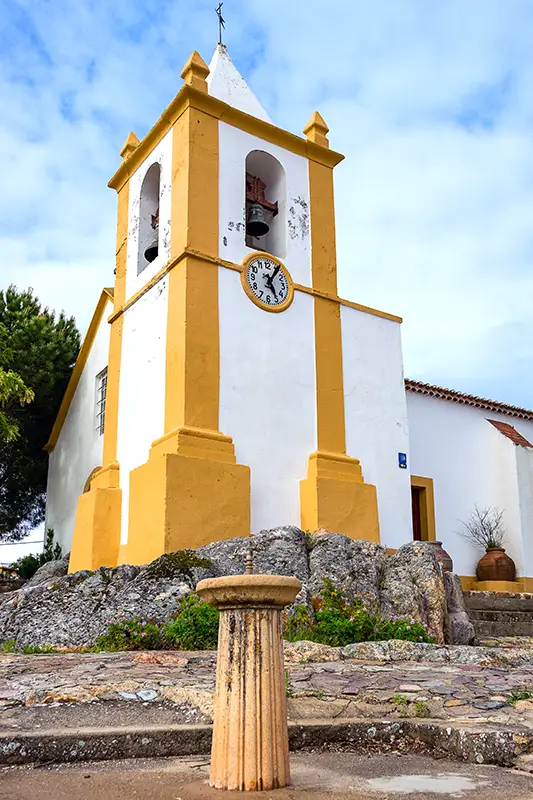
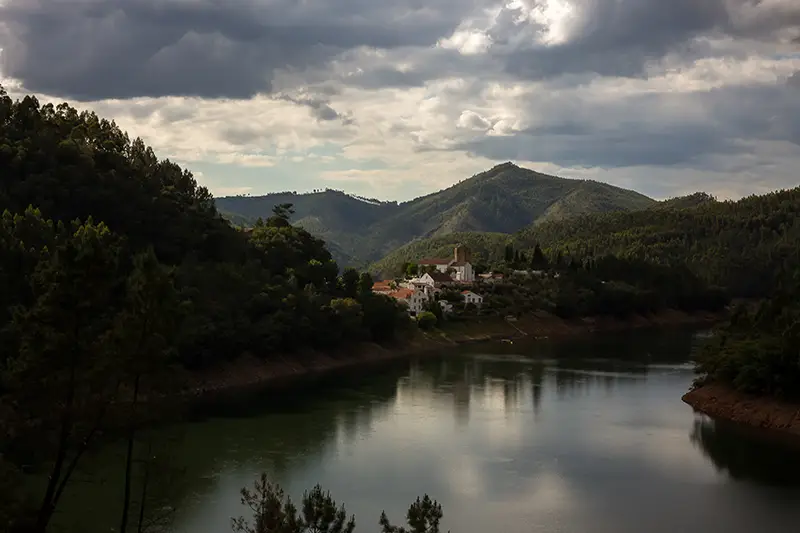
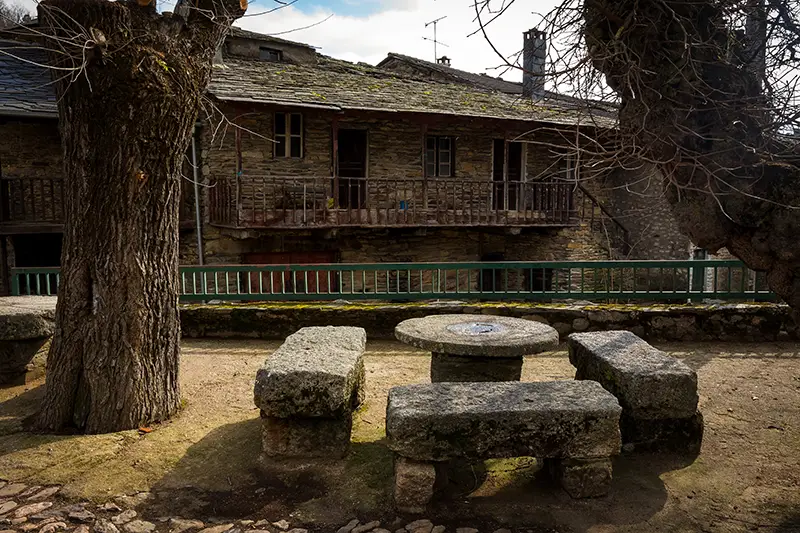
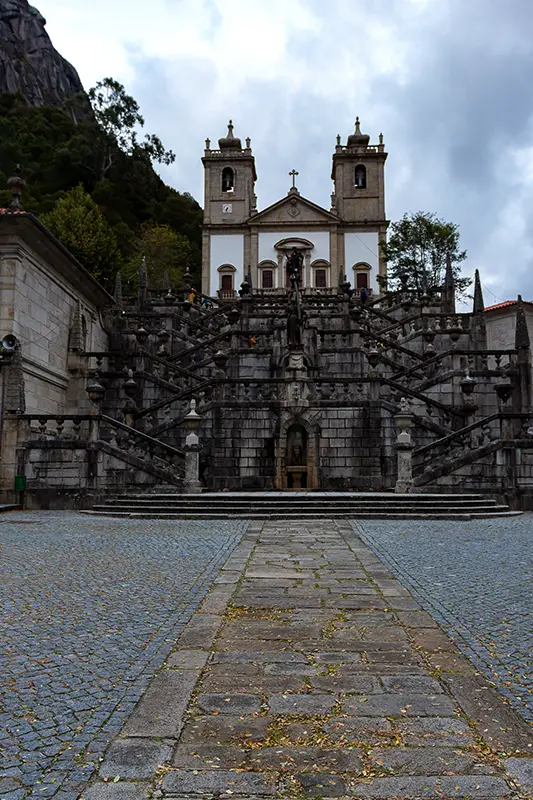
Green terraces like fixed waves on the land, granite villages, cold and pure rivers. This itinerary explores the most rural side of Alto Minho, where ancient paths still connect people, memories and traditions. Ideal for those who wish to walk, observe and breathe deeply.
4 days in the Algarve
Silves → Alte → Tavira → Cacela Velha
An Algarve beyond the sand — castles, springs, whitewashed houses and villages with soul. Silves holds the history, Alte the freshness of its springs, Tavira the reflections of time and Cacela Velha an open horizon towards the sea. A route that blends authenticity and beauty, without haste.
3 days in Madeira
Funchal → Pico do Areeiro → Câmara de Lobos
From the city to the heights and back to the sea. A journey between colourful markets, trails above the clouds and fishing villages scented with poncha. In three days, Madeira reveals itself as intense, diverse and forever green.
4 days in the Azores
Sete Cidades → Lagoa do Fogo → Furnas → Nordeste
Lakes within craters, vapours rising from the earth, hydrangeas stretching beyond sight. This itinerary proposes a loop around the island of São Miguel, where nature sets the pace and every detour is worth it.
What You Can’t Miss in Portugal
There are places that are not only beautiful — they are experiences. Not just stops on a map, but moments that stay with you. This selection brings together well-known cities and surprising villages, corners where history, nature and authenticity can be felt in the air.
If you find yourself wondering what you can’t miss in Portugal, here is a top 10 designed to leave a mark — on the eye, in the memory and in the return.
1. Évora
A museum-city in the heart of Alentejo. Cobbled streets, Roman columns, chapels lined with bones. A place where time lingers and details ask to be noticed.
2. Dornes
A forested peninsula in the middle of the river Zêzere, with a Templar tower watching over the waters. Small, discreet and deeply poetic.
3. Monsanto
The most Portuguese village in Portugal, where houses fit between giant rocks. A place where the strength of the land has shaped the human trace.
4. Mértola
By the Guadiana, it preserves Arab echoes and streets that still whisper of other eras. At every corner, a story carved into stone and lime.
5. Serra da Estrela (Covão da Ametade)
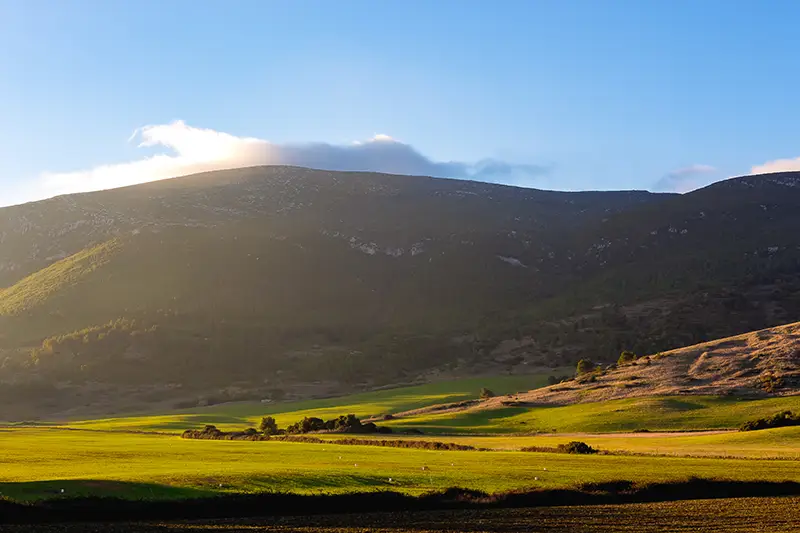
More than the highest mountain, it is a refuge of silence, seasonal snow and poplars that change colour. One of the most serene places in Portugal.
6. Tavira
The jewel of the eastern Algarve. Alleys lined with azulejos, bridges over the Gilão and beaches reached by boat. A beauty that does not shout, yet enchants.
7. Arcos de Valdevez
A Minho town by the river Vez, surrounded by nature, rich gastronomy and a quiet charm that reveals itself slowly.
8. Nisa
More than embroidery and pottery, Nisa is a gateway to a more mountainous Alentejo, shaped by streams, rocky outcrops and authenticity.
9. Sintra
Where imagination rises in the form of palaces, forests, mist and eccentricity. Visiting Sintra feels like stepping into a story still being written.
10. Belver
A castle high above, facing the Tejo. A living museum that protects the riverbanks, traditions and landscapes of the Alto Alentejo.
The Wonders of Portugal
Portugal is made of wonders — some official, others discovered only with feet on the ground and time in your hands. These are places that condense centuries, where stone, landscape and memory intertwine. Here we gather ten that left a deep impression on us, not because they are famous, but because they made us stop, listen and feel.
1. Monsanto
At the top of a hill, among colossal rocks, a village was born that seems to challenge nature itself. Houses fitted between stones, views that stretch endlessly, and a sense of resilience that crosses generations.
2. Convento de Mafra
Majestic, excessive, absolutely singular. A monument where architecture, art and books meet on an almost unimaginable scale. The library is a sanctuary of knowledge.
3. Castelo de Belver
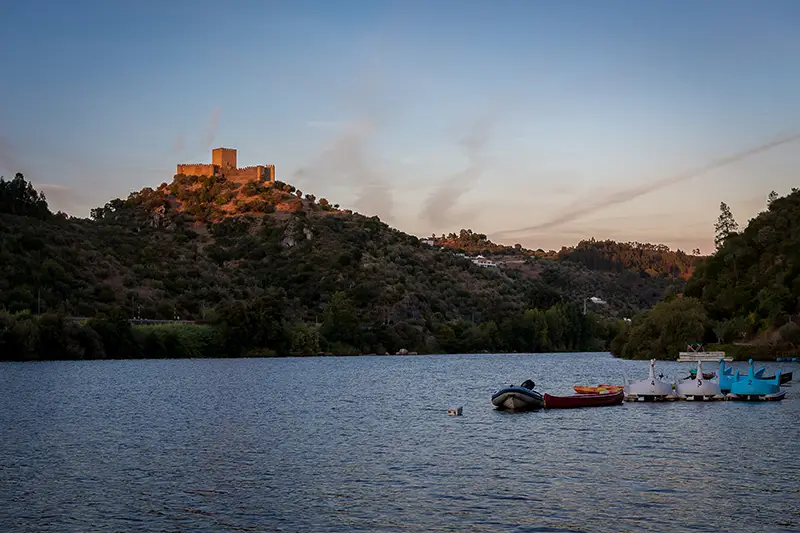
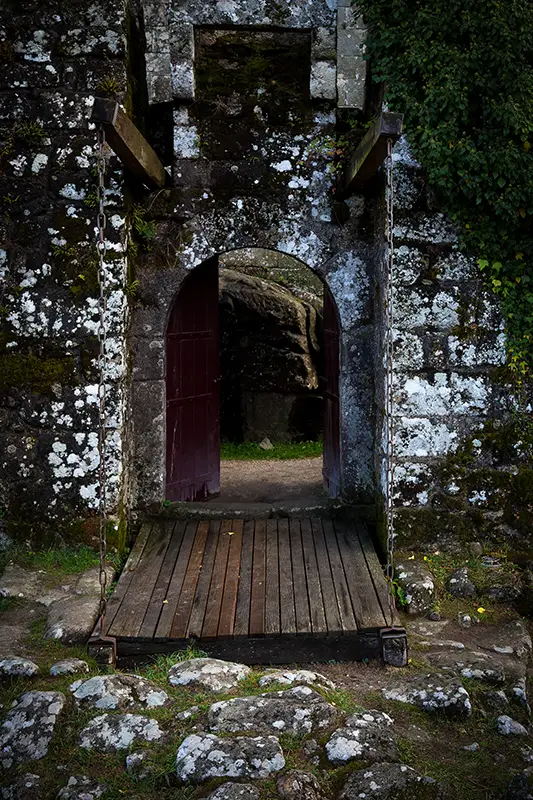
A sentinel of the Tejo, it is one of the best-preserved castles in Portugal. Its walls guard not only history, but also the view, the silence and the beauty of a riverside village.
4. Évora e o Templo Romano
In the heart of Alentejo, an entire city breathes history, with a Roman temple that has survived time and stands proudly among whitewashed streets and cool shadows.
5. Muralhas de Elvas
A UNESCO World Heritage Site, these star-shaped fortifications are a feat of military engineering and a journey through the defensive strategies that shaped the country.
6. Aldeia de Rio de Onor
Divided between Portugal and Spain, this communal village preserves ancient customs and a shared way of life. Here, time has not stopped — it simply walks slowly.
7. Castelo de Marvão
High in the mountains, a castle that seems to float above the clouds. The landscape is vertiginous, and the walls form a stone embrace protecting one of the most enchanting villages in the country.
8. Ponte da Ucanha
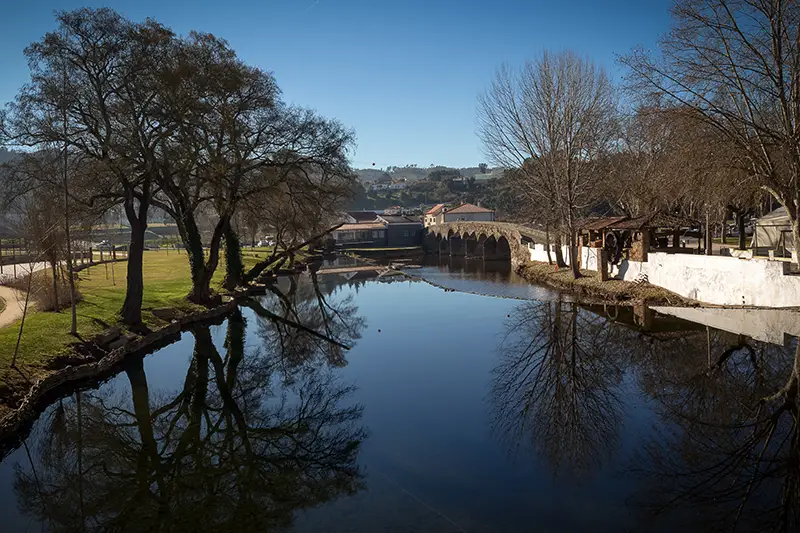
A medieval bridge with a fortified tower over the river Varosa. A rare, beautiful and functional construction, symbol of passage and control in a time of monasteries and pilgrims.
9. Vila Viçosa
More than a village, an open-air museum. Palaces, marble squares and a heritage linked to the Casa de Bragança that still lingers in façades and gestures.
10. Santuário da Peneda
Nestled between the cliffs of Serra da Peneda, it is a place of faith and wonder. The monumental staircase and the natural setting create a feeling of both introspection and grandeur.
Portugal has hundreds of castles, dozens of monasteries and countless villages that could have earned a place on this list. This selection is an invitation, not a verdict. And the best part? There is still so much left to discover — with you.
Continue the Journey Through Portugal
Portugal is not discovered all at once — it reveals itself little by little, curve by curve, season by season. This guide is a starting point, not a destination. A compass for those who wish to know the country from within, with time, curiosity and eyes attentive to detail.
At Tapa ao Sal, we share only the places we have truly lived — with trail-dust on our boots or hands still carrying the scent of freshly baked bread. For that reason, this article will be updated whenever we return to the road with a camera on our shoulder and a notebook in our backpack.
Save this guide to your favourites, come back whenever you are planning a trip — whether a weekend escape or a grand route across the country — and follow us on social media so you do not miss any new discoveries.
Until the next stop.
Frequently asked questions about what to visit in Portugal
If you’re planning what to visit in Portugal, here you’ll find quick answers to some of the most common questions — from the best time of year to go, to places to discover, ways to get around and different travel styles across the country.
What is the best time of year to visit Portugal?
Portugal is a pleasant destination in every season. Spring and autumn offer mild temperatures and vibrant landscapes, ideal for exploring the interior and walking trails. Summer is perfect for beaches and local festivities, while winter invites you to the warmth of mountains, villages and thermal spas.
Do I need a car to explore Portugal?
It depends on the region. Major cities and some historic towns (such as Lisboa, Porto or Évora) are well connected by public transport. But to reach remote villages, natural parks and less-touristic trails, having a car is often the best option.
Which lesser-known places in Portugal are worth visiting?
Places like Nisa, Sistelo, Dornes, Belver or Caldas da Felgueira offer authenticity, peaceful landscapes and an experience beyond typical tourist routes — ideal for those seeking a more genuine side of Portugal.
What are the most photogenic places in Portugal?
Portugal is naturally photogenic. Highlights include Covão da Ametade in Serra da Estrela, Monsanto, Ponte da Ucanha, Santuário da Peneda, Tavira, as well as the levadas of Madeira and volcanic craters in the Azores.
How much time do I need to explore Portugal?
It depends on your goals. With 7 to 10 days you can explore one or two regions well. To discover the country from north to south (including the islands), it’s best to plan several trips over time. Portugal may be small, but it is incredibly rich.
What can I visit on rainy days in Portugal?
Museums, monasteries, historic centres, castles, thermal spas or natural caves are great options when the weather turns grey. It’s also the perfect excuse to explore local gastronomy in a traditional restaurant.
What can I do differently in Portugal?
Beyond the main cities, Portugal offers remote villages, lesser-known walking routes and unique traditions. Explore trails like Barca da Amieira, villages such as Rio de Onor, or take part in local festivities like the Reis de Alenquer or the Santos Populares in Lisboa.
What is the most beautiful city in Portugal?
That’s a matter of taste. Lisboa and Porto are the most iconic, but cities like Braga, Tavira, Évora or Guimarães charm visitors with their authenticity, human scale and architectural beauty
Share your experience… inspire others to discover Portugal.
Did you notice the light shifting between mountains and plains, the scent of the sea mixed with warm earth, or the unexpected silence of a village far from the rhythm of the cities? Portugal is lived in layers, and every journey holds details that never appear on a map.
Tell us in the comments how your experience across the country felt. A trail walked without hurry, a village discovered by chance, a viewpoint where time seems to slow down. Your perspective may help other travellers discover Portugal beyond the obvious.
If this guide made you want to set off — or return — share it with someone looking for authentic destinations in Portugal. Places that are not measured only in landscapes, but also in rhythm, memories and small discoveries.
Portugal is not meant to be rushed. It is meant to be lived.
This article may contain affiliate links. If you make a booking through one of these links, Tapa ao Sal may receive a small commission, at no extra cost to you.
Thank you for supporting this independent project, created with time, care and respect for the places we visit.