
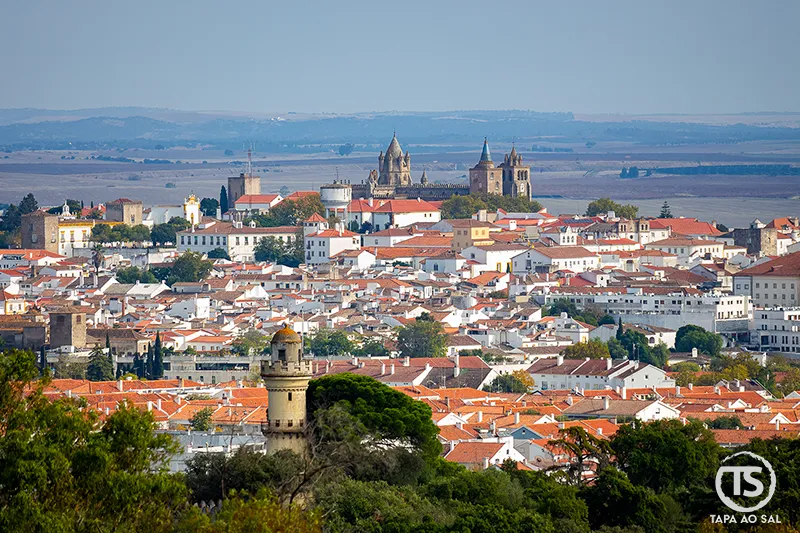

The road approaches Évora slowly, crossing the open plains of Alentejo. For several kilometres, the horizon is shaped by golden fields, scattered cork oaks, and a silence that seems to stretch as far as the eye can see. Suddenly, the city walls appear, discreet, almost blending into the landscape, and behind them, the white houses rise gently above the plain.
Entering Évora is like crossing a threshold between the present moment and a history that remains alive in the stones of its streets. The medieval walls still set the rhythm of the city, and it only takes a few steps to realise that everything moves differently here. The streets are narrow, the façades simple, and the most constant sound is the echo of footsteps on ancient cobblestones.
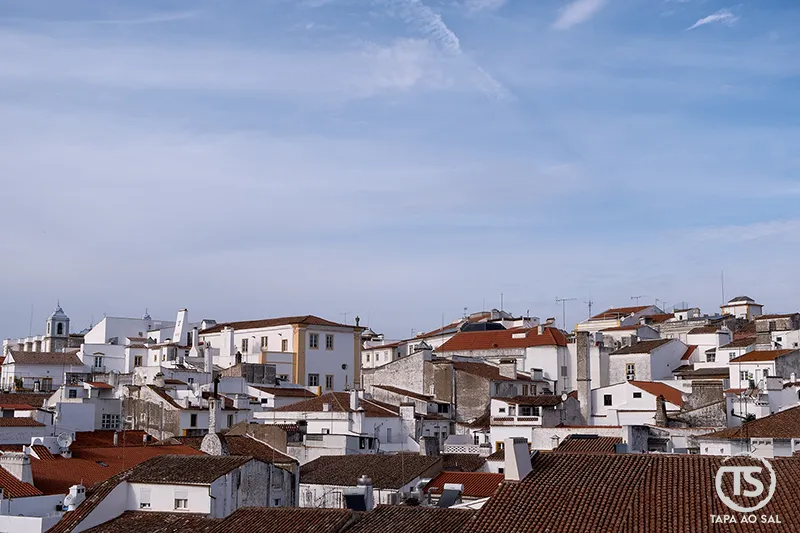
Walking through the historic centre, it quickly becomes clear why Évora was classified as a UNESCO World Heritage Site. Within just a few streets, centuries of history intersect: Roman columns, Gothic churches, Renaissance palaces, and small squares where the city continues to live unhurriedly.
That is also what makes discovering Évora what to visit so special. Many of its monuments are concentrated within the old walls, allowing you to explore the city step by step, letting each street reveal a new detail—a Manueline doorway, a hidden courtyard, a cool patch of shade between whitewashed walls.
Throughout this guide, we will walk through the city’s main landmarks, from its most emblematic monuments to a few experiences that help you better understand the Alentejo identity. Between Roman temples, historic churches, and quiet streets, Évora reveals itself gradually, like a city that does not show itself all at once, but rewards those who take the time to discover it slowly.
Things to do in Évora — a city in a few words
In the heart of Alentejo, surrounded by wide plains and cork oak landscapes stretching to the horizon, Évora emerges as a city that seems to have grown slowly over the centuries, without ever losing its human scale. About an hour and a half from Lisbon, this ancient urban centre preserves one of the most well-preserved historic ensembles in Portugal.
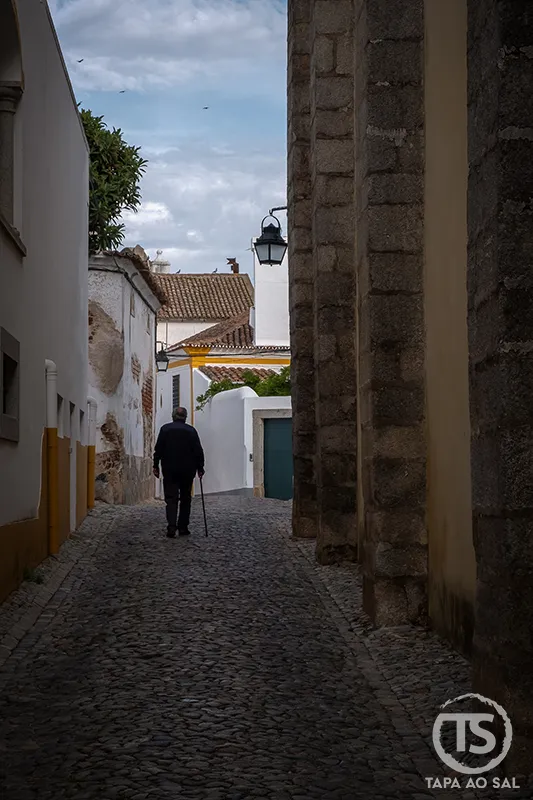
Among narrow streets, old churches and small squares where time seems to move more slowly, it quickly becomes clear why the historic centre was classified as a UNESCO World Heritage Site. Many of the main landmarks are concentrated within the old walls, making it possible to discover Évora what to visit simply by walking, street after street, among stones that hold centuries of history.
There are cities that impress by their size. Évora does the opposite: it wins you over through its intimacy, through the silence of its streets in the early morning, and through the way each monument appears almost naturally along the way.
Évora in numbers and characteristics:
Location
In the interior of Alentejo, around 130 km from Lisbon, in a region defined by agricultural plains, vineyards, and cork oak landscapes.
History
The historic centre of Évora was classified as a UNESCO World Heritage Site in 1986, thanks to the extraordinary preservation of its urban heritage.
Urban scale
A compact historic centre, easy to explore on foot, where many monuments are located just a few minutes from one another.
Type of destination
An ideal city for cultural getaways, journeys through Alentejo, and weekends dedicated to history, gastronomy, and the unhurried rhythm of the interior.
Visiting experience
The visit brings together historic monuments, Alentejo gastronomy, and quiet streets, where each corner reveals an architectural detail or a trace of the past.
These elements help to quickly understand Évora what to visit, before exploring in greater detail the monuments and places that make the city one of the most fascinating historic destinations in Portugal.
How to get to Évora and where it is located
There are cities you find on a map. And then there are those you discover in time. Évora clearly belongs to the latter, yet getting there is surprisingly simple.
About an hour and a half from Lisbon, in the heart of Alentejo, the city appears almost as a transition: the pace slows down, the landscape opens into wide plains, and suddenly the walls emerge as an invitation to step into another time. It is from here that the experience truly begins.
Where Évora is
Évora is located in Central Alentejo, in a strategic position that over the centuries has made it a place of passage, power, and culture.
It lies around 130 km from Lisbon, accessible enough for a short escape, yet distant enough to feel like another world. The surrounding landscape is shaped by open fields, cork oaks, and a very particular light—softer, slower, more dense.
This location helped shape the city’s identity. Between Roman, medieval, and Alentejo influences, Évora is not just a destination: it is a crossroads of histories that have settled into the stones and streets we walk today.
How to get to Évora
Getting to Évora is simple, but the way you make the journey can completely change the experience.
By car, from Lisbon, the journey takes around 1h30 and is, without a doubt, the most flexible option. It allows you to stop along the way, leave the main routes behind, and, above all, explore the surroundings — such as Monsaraz or the Cromeleque dos Almendres — with greater freedom.
If you are looking for that kind of autonomy, it may be worth considering renting a car in Évora.
Renting a car in Portugal: a practical guide to planning your trip
We’ve created a complete guide to renting a car in Portugal, where we explain when it’s worth it, how much it costs, what to watch out for, how to avoid common mistakes, and how to use a car to reach villages, beaches, and mountain areas beyond the usual tourist routes.
There is also a train connection between Lisbon and Évora, offering a comfortable and direct journey. It is a practical option for those who prefer not to drive, although it limits exploration beyond the city.
Rede Expressos buses are another frequent alternative, with several daily connections and affordable fares.
Regardless of the option, there is one common point: arriving in Évora always happens gradually. The pace slows down even before you enter the city.
Map of Évora — plan your visit
Before you begin exploring, it is worth looking at Évora from above—or at least in an organised way.
In this interactive map, you can locate the main points of the guide: the Roman Temple, the Cathedral, Praça do Giraldo, the Chapel of Bones, and other places that will appear throughout the article. It is a simple way to understand how the city is laid out and how each visit connects to the next.
It also helps with planning your route, which is especially useful if you are following a 1-day itinerary in Évora or trying to optimise your time between monuments.
By observing the map, one of Évora’s greatest advantages becomes clear: almost everything can be done on foot. And perhaps that is the best way to discover it—slowly, among stone streets and shadows that stretch into the late afternoon.
Why Évora is one of the most fascinating historic cities in Portugal
There are cities whose history reveals itself slowly, layer by layer, as if each street holds an ancient memory. Évora is one of those cities. Walking through its historic centre is like travelling across nearly two thousand years of history, from the traces of the Roman world to the marks left by the Middle Ages and the Portuguese Renaissance.
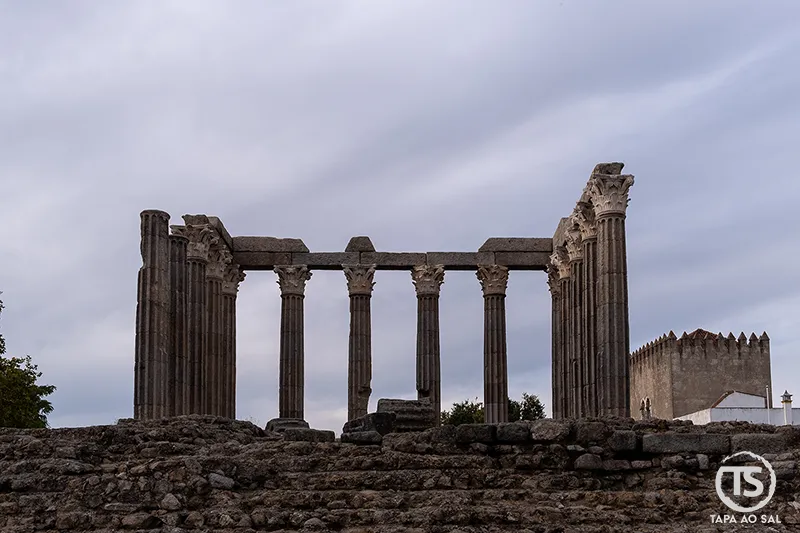
The Roman presence can still be felt in various parts of the city. The most striking example is the Roman Temple of Évora, one of the most emblematic monuments of Roman heritage in Portugal. Among ancient columns and stones worn by time, it becomes clear that this city was, many centuries ago, an important urban centre of the Roman Empire in the Iberian Peninsula.
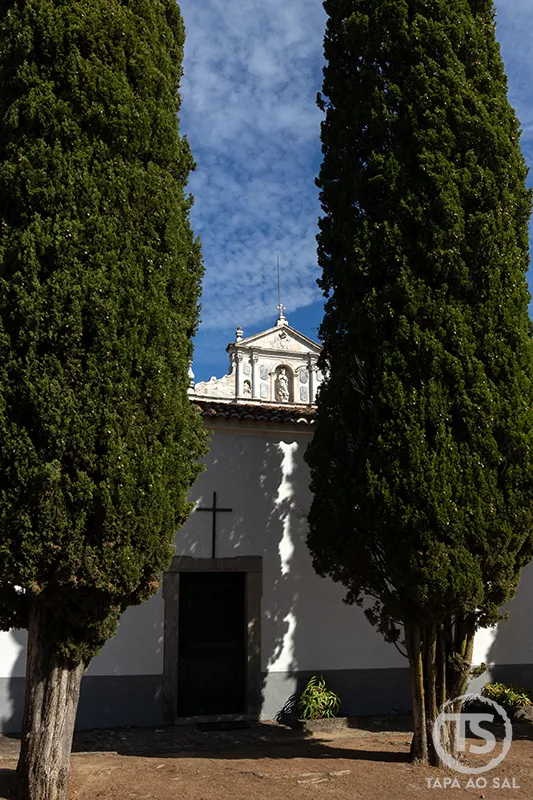
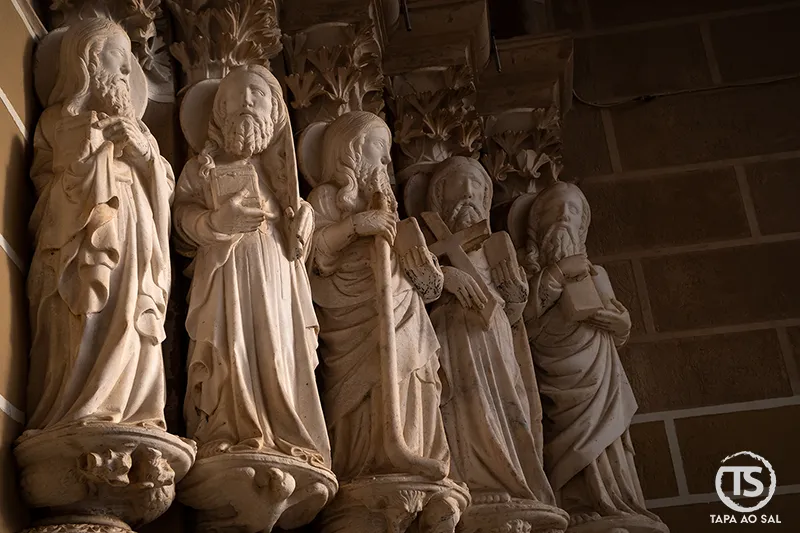
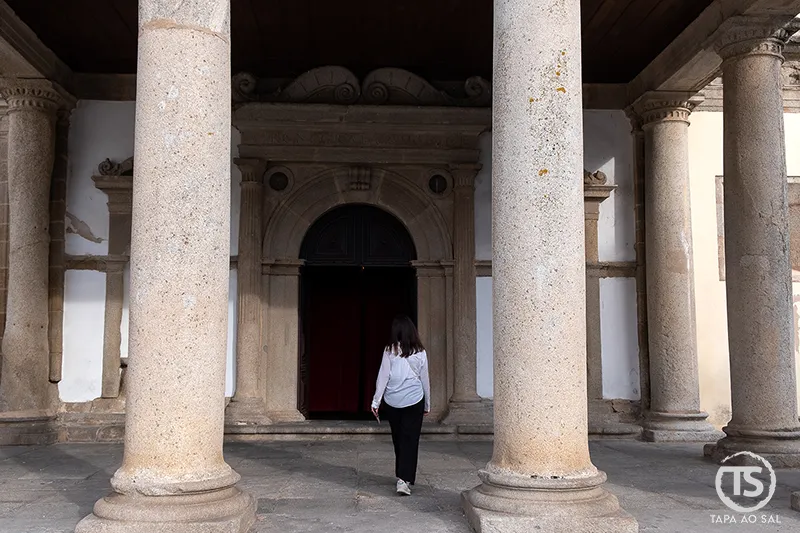
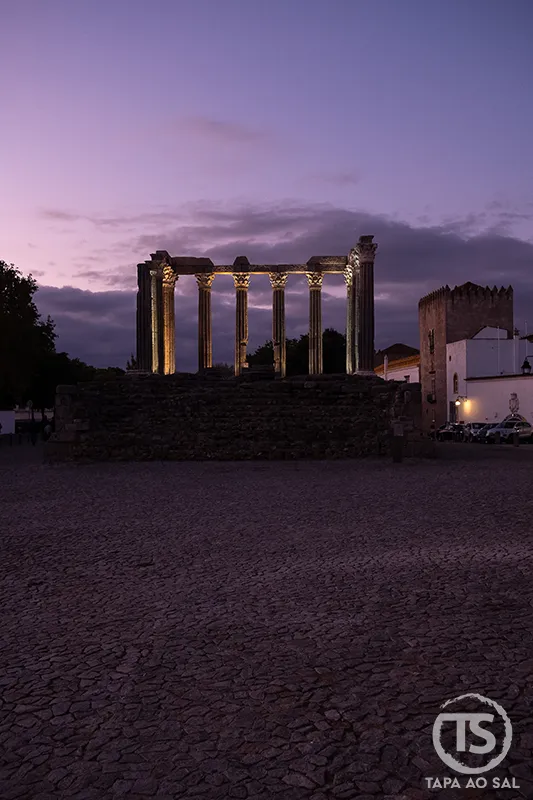
With the fall of the empire, Évora continued to transform. During the Middle Ages, it gained new strategic importance, protected by walls and marked by the construction of churches, monasteries, and palaces. Many of these structures still define the city’s profile today, especially within the historic centre, where narrow streets lead to old squares and buildings that seem to have crossed centuries without losing their identity.
It was also during this period that Évora established itself as a religious and cultural centre. Later, in the 16th century, the city gained new momentum with the founding of the University of Évora, which brought students, scholars, and an intense intellectual life to Alentejo. For a time, Évora was even one of the most important cities in the kingdom.
Today, that heritage remains visible in every detail. The churches, cloisters, palaces, and squares form an urban ensemble so well preserved that, in 1986, the historic centre was classified as a UNESCO World Heritage Site.
But perhaps what is most interesting about Évora is the way all this history coexists naturally with the present. Between quiet cafés, traditional shops, and silent streets, the city maintains a rare atmosphere, a sense of continuity, as if the past were still part of the rhythm of everyday life.
It is this blend of history, architecture, and unhurried living that makes discovering Évora what to visit so special — a city where every monument tells a story and every street seems to lead to yet another fragment of the past.
Things to do in Évora — unmissable monuments and places
Few cities in Portugal allow you to cross so many centuries of history by simply walking a few streets. In Évora, almost everything happens within the old walls, in a compact historic centre where churches, squares, and monuments appear just minutes from one another.
That is why discovering Évora becomes such a particularly pleasant experience. There is no rush and no great distances. All it takes is to follow the stone streets, cross small squares, and let the city gradually reveal its most emblematic places.
Between Roman remains, monumental churches, and quiet streets where the white façades reflect the light of Alentejo, these are some of the places that best help to understand the city’s historical and cultural identity.
Place | Type | Visit time | Highlight |
|---|---|---|---|
Monument | 10-15 min | Roman heritage | |
Cathedra | 45 min | Panoramic views | |
Experience | 30 min | Visual impact | |
Square | 15 min | City centre | |
Monastery | 30-45 min | Silence and nature | |
Experienc | 1h | Wine tasting |
This quick overview helps you plan your visit to Évora efficiently. Next, we explore each of these places in more detail.
Roman Temple of Évora
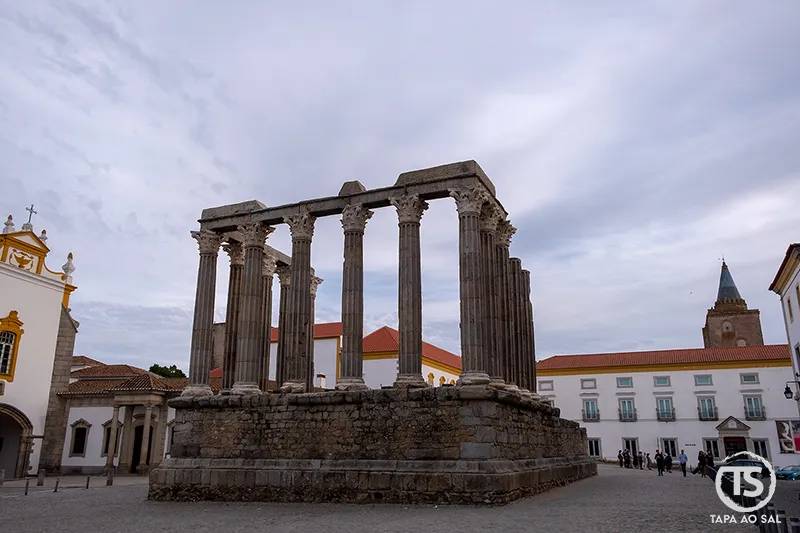
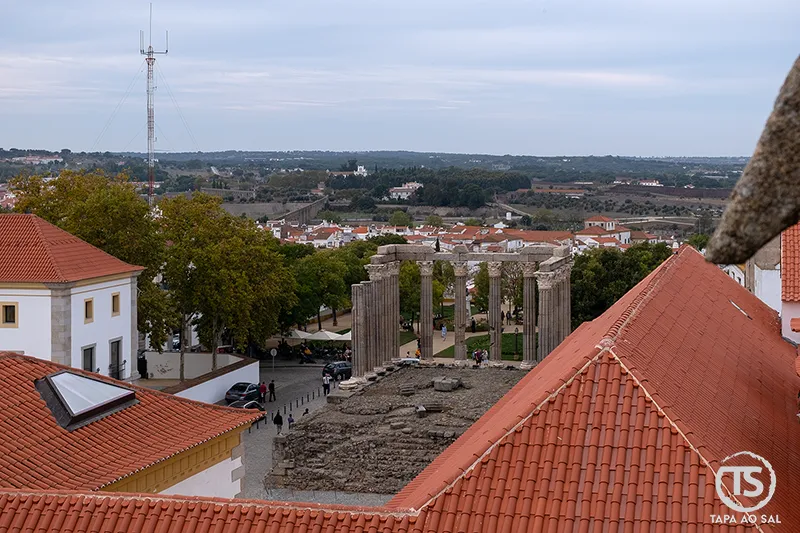
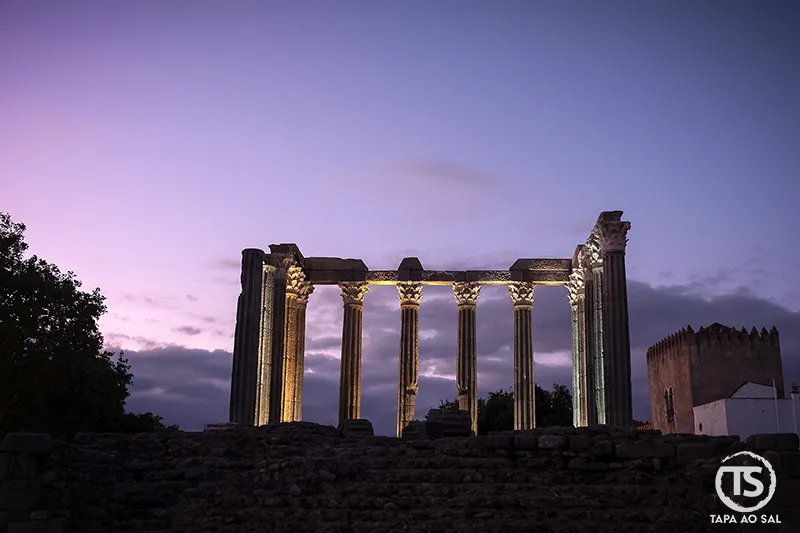
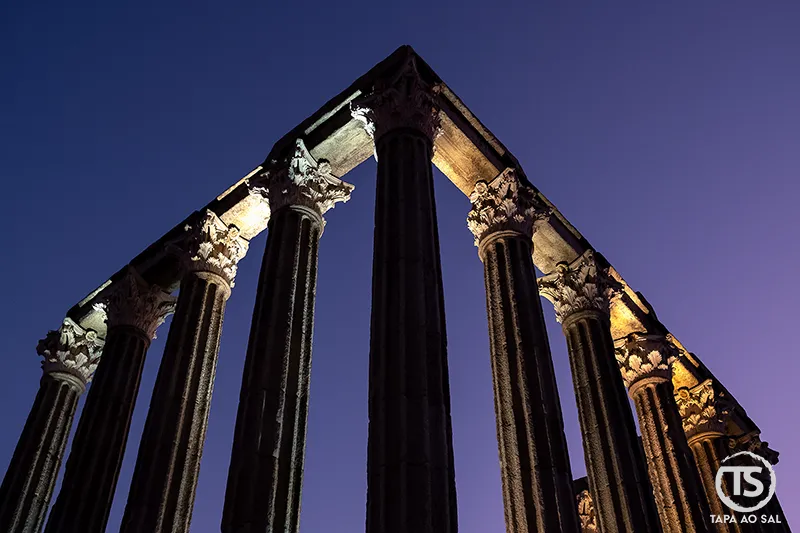
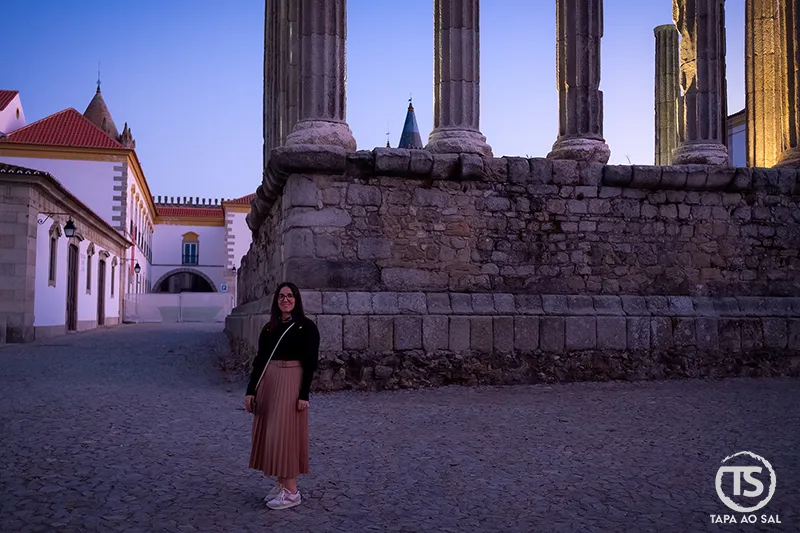
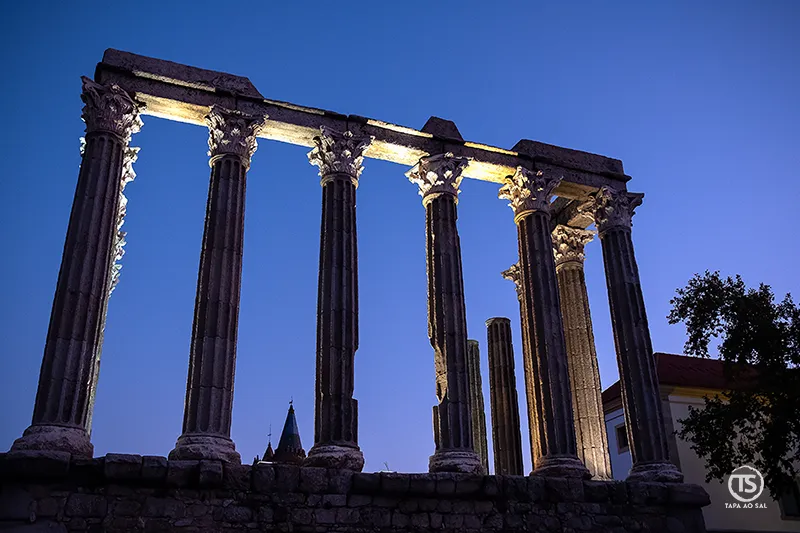
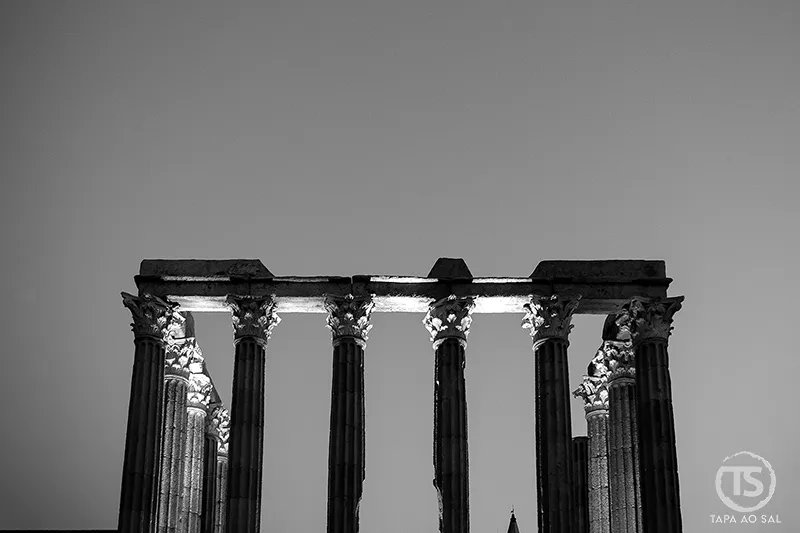
Few places evoke the city’s ancient origins as clearly as the Roman Temple of Évora. The granite columns rise with an impressive serenity, as if time had passed there without haste.
Built probably in the 1st century, during the Roman period, this temple is today one of the best-preserved Roman monuments in the Iberian Peninsula. For centuries it remained partially hidden, integrated into later constructions, until excavations in the 19th century revealed its original form once again.
The square where it stands has a particular atmosphere. Between the ancient temple, the Palácio Cadaval, and the surrounding gardens, you can feel the presence of a city that was born long before the medieval walls that define it today.
Walking here is almost like crossing two thousand years of history in a single glance.
Évora Cathedral
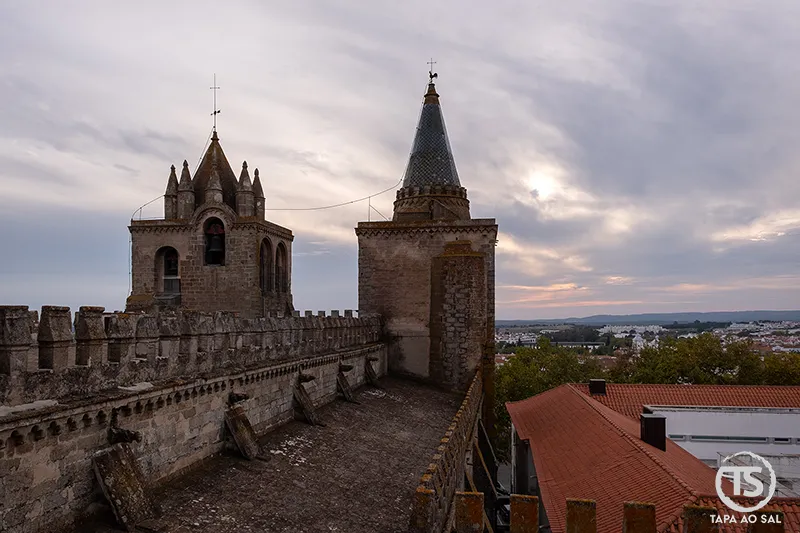
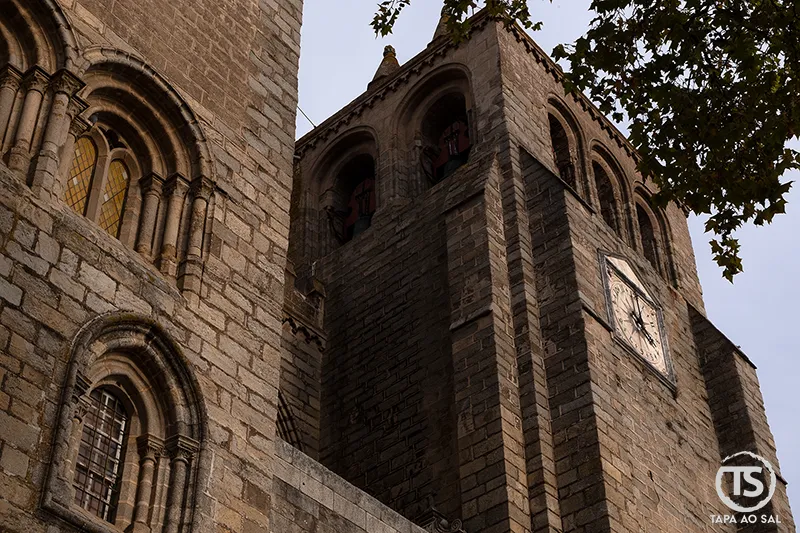
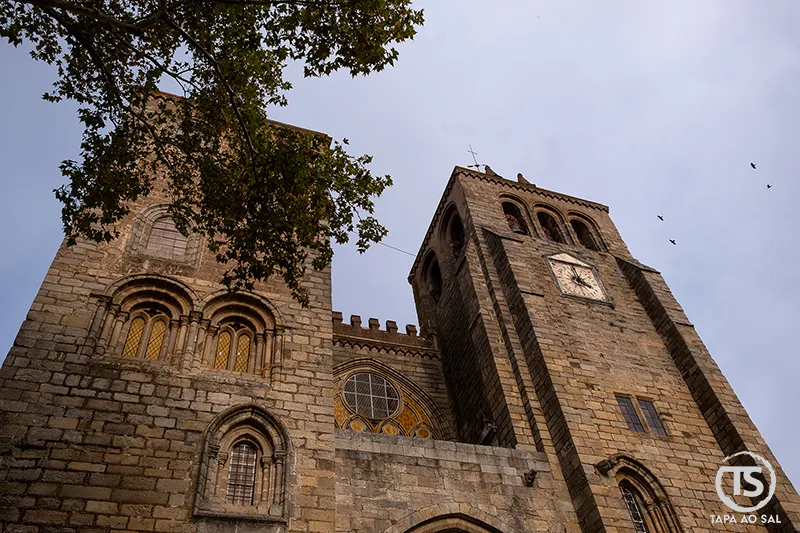
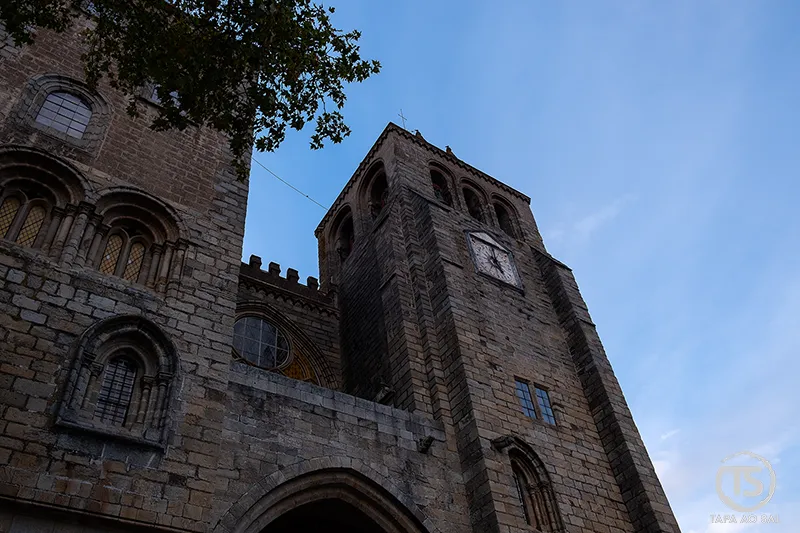
Dominating the highest point of the historic centre, Évora Cathedral asserts itself with a solid and austere presence. Its robust towers and stone façade announce a building that has crossed centuries without losing its strength.
Built between the 12th and 13th centuries, it is considered the largest medieval cathedral in Portugal. Inside, Gothic architecture reveals itself through tall columns, side chapels, and a quiet atmosphere that invites you to pause for a few moments.
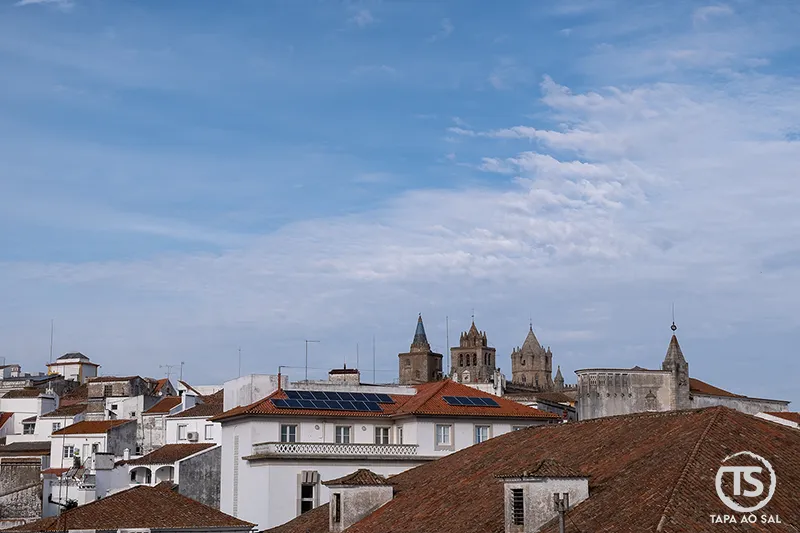
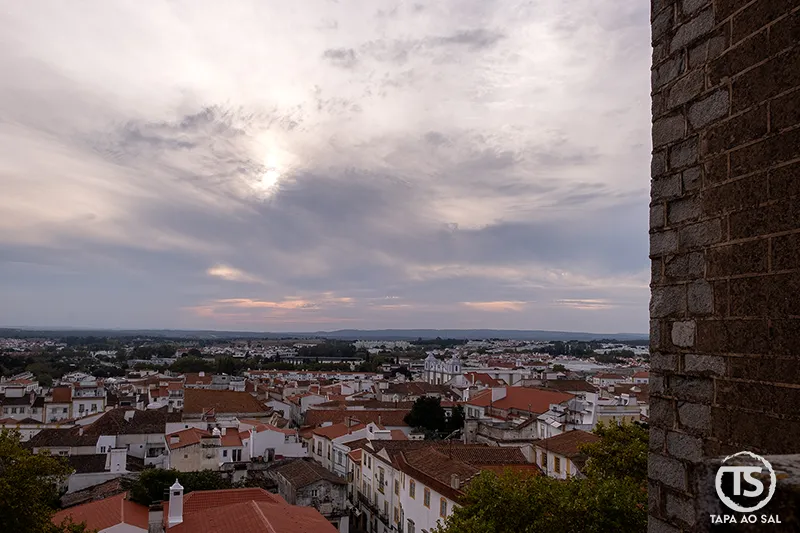
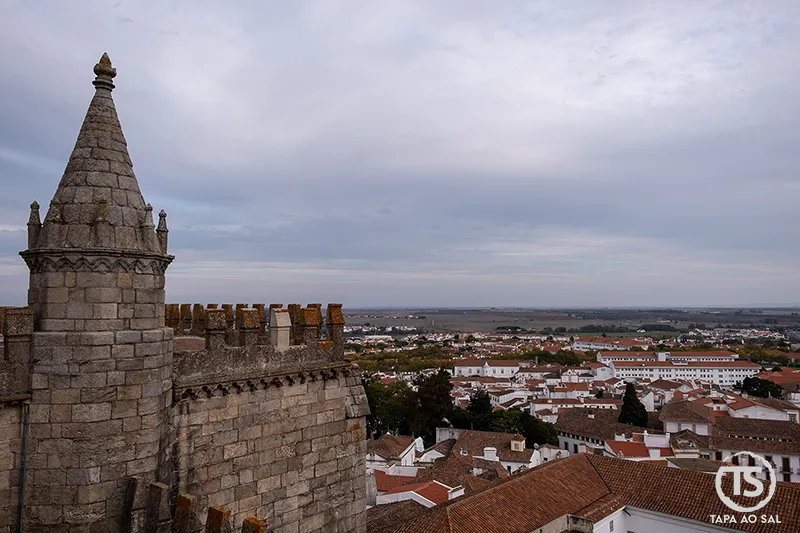
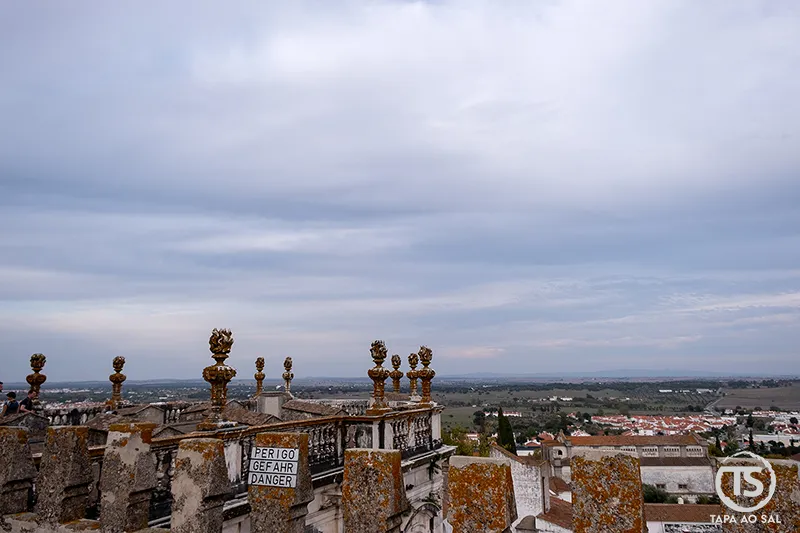
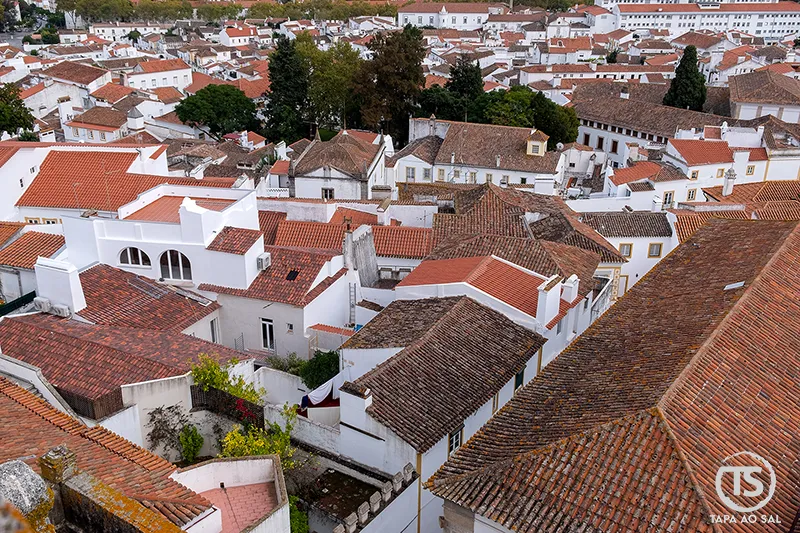
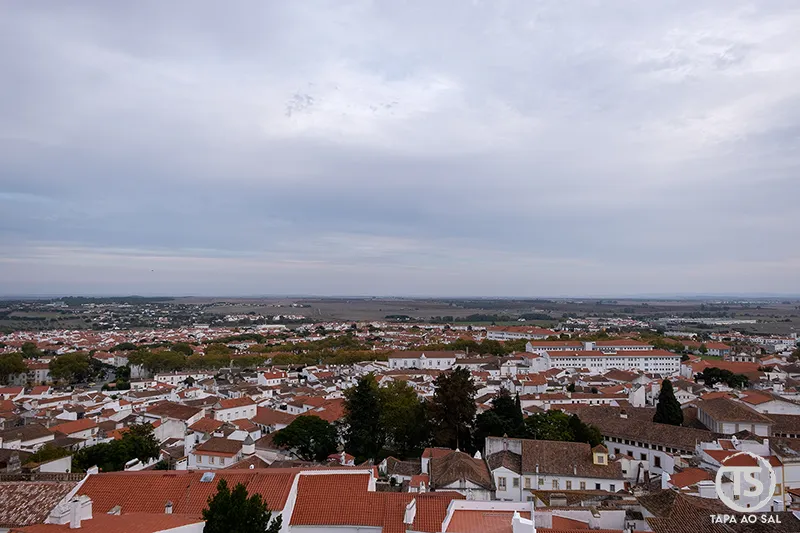
But perhaps one of the most memorable moments of the visit is climbing to the cathedral’s rooftop. From there, the view opens over Évora’s white rooftops, the towers of its churches, and the Alentejo plains stretching until they disappear into the horizon.
It is one of those places where the city’s calm scale becomes unmistakably clear.
Chapel of Bones
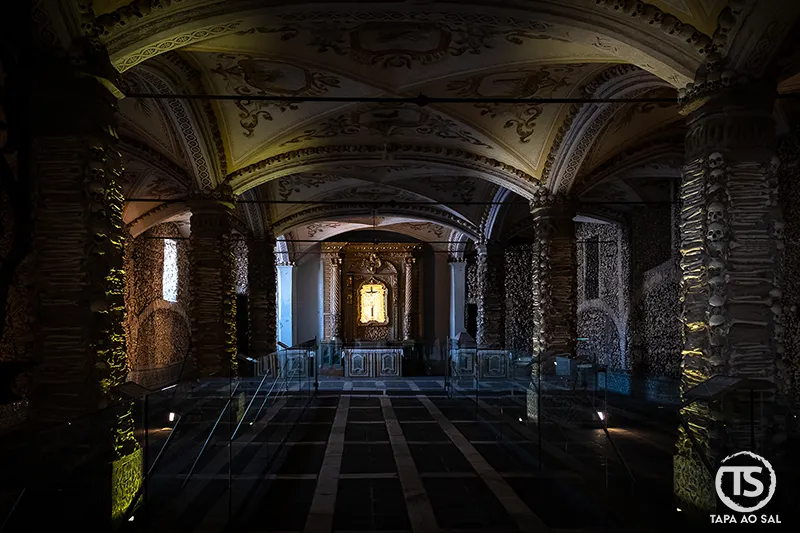
Few places in Portugal leave such an immediate impression as the Chapel of Bones in Évora.
Located next to the Church of São Francisco, this small Baroque chapel was built in the 17th century by Franciscan monks. Its purpose was simple and deeply symbolic: to remind of the fragility of human life.
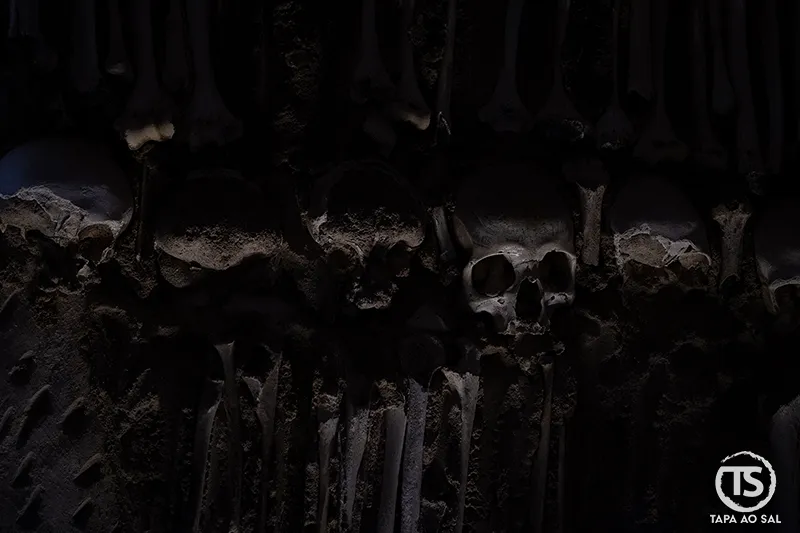
The walls are covered with thousands of human bones and skulls, arranged with an almost geometric precision. At the entrance, a sentence summarises the message that has crossed centuries:
“We bones that are here, await yours.”
Despite its visual impact, the atmosphere inside is not macabre. Instead, there is a strange serenity — a quiet invitation to reflect on time, life, and the place each of us occupies in the world.
Church of São Francisco
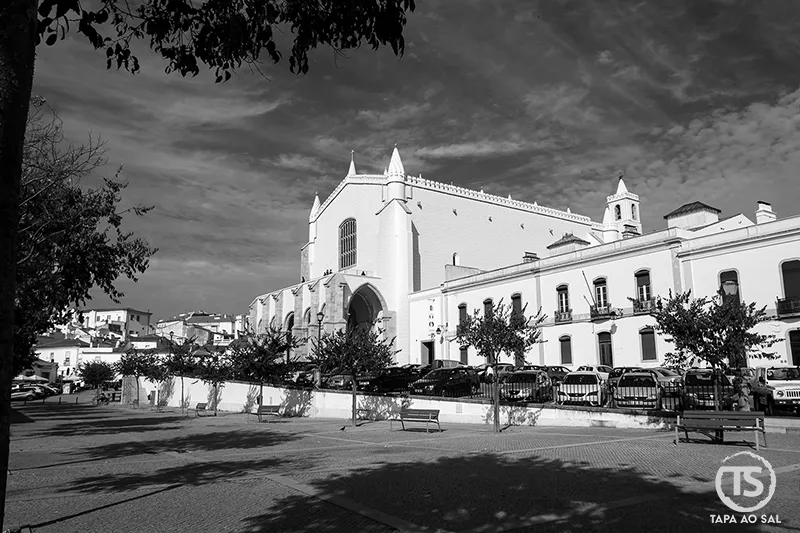
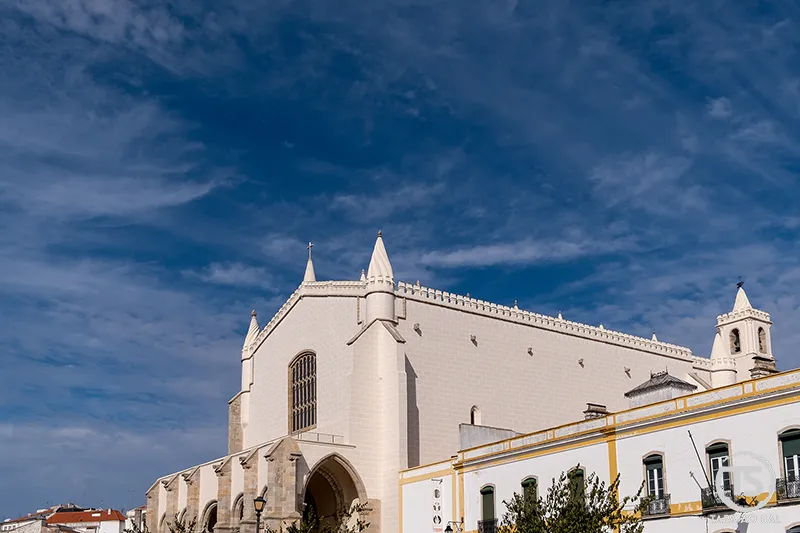
Next to the Chapel of Bones rises the Church of São Francisco, one of the most important religious buildings in the city.
Built between the 15th and 16th centuries, it combines Gothic and Manueline elements, reflecting a period of great prosperity in Portugal. The interior surprises with the scale of its nave and the decorative richness of the side chapels.
It was also here that several important religious traditions of the city developed. For centuries, this space functioned as an active spiritual centre, closely linked to the social and religious life of Évora.
Today, it remains one of the most visited monuments, not only for its architecture but also for its direct connection to the famous Chapel of Bones.
Praça do Giraldo
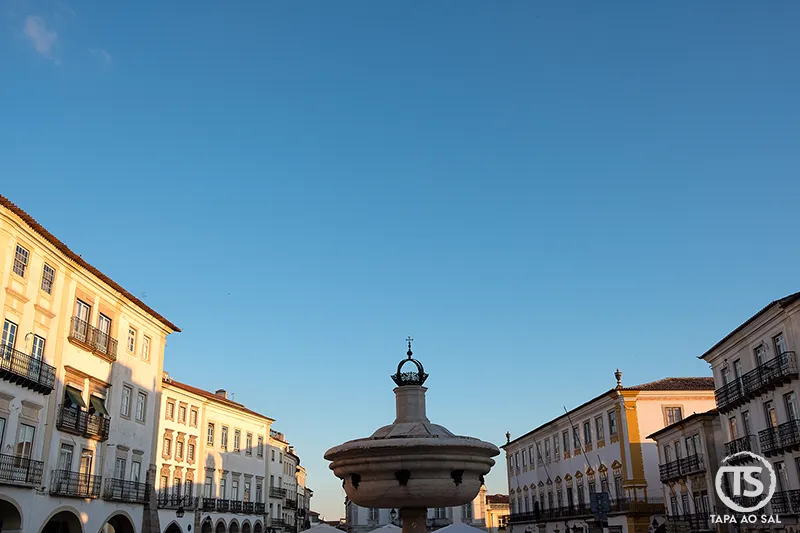
If there is a place where the everyday life of Évora reveals itself most naturally, that place is Praça do Giraldo.
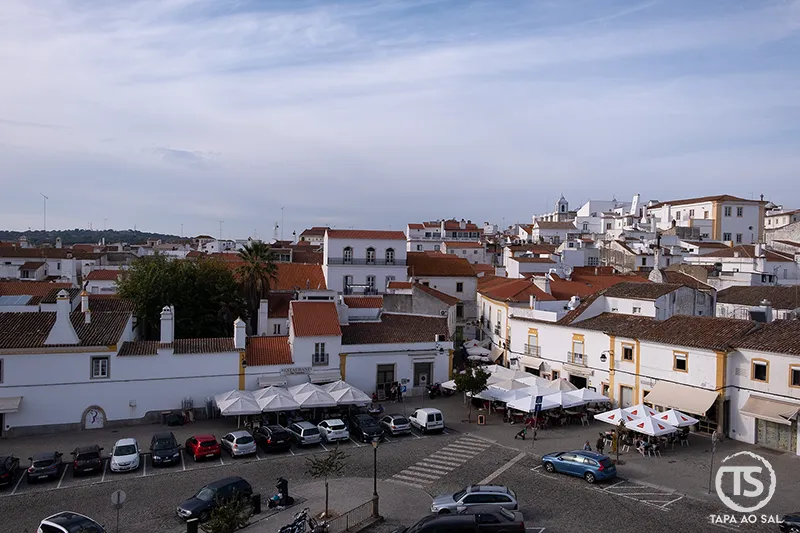
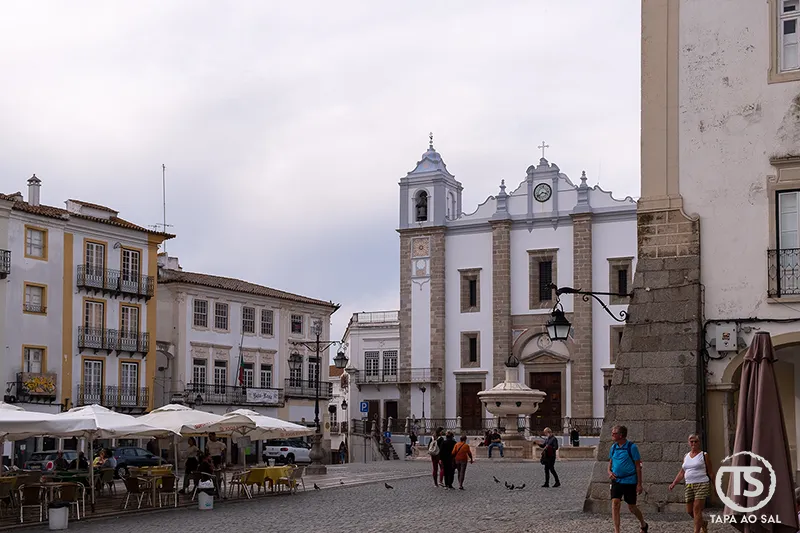
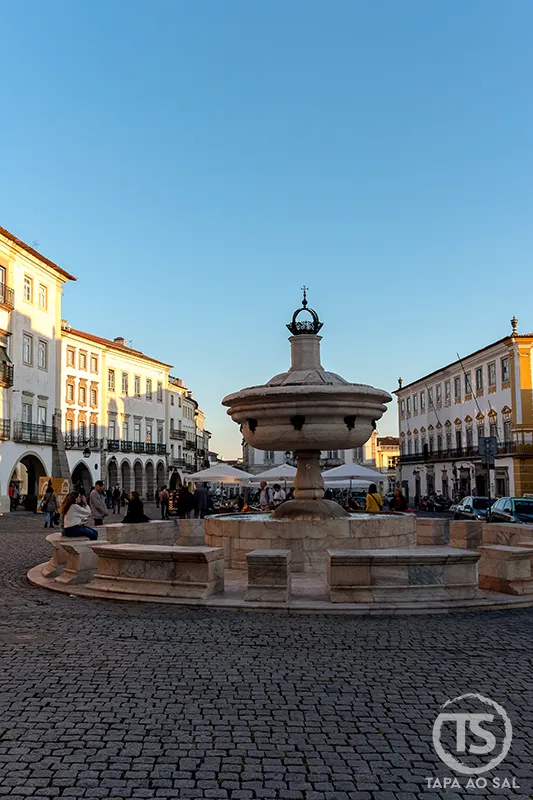
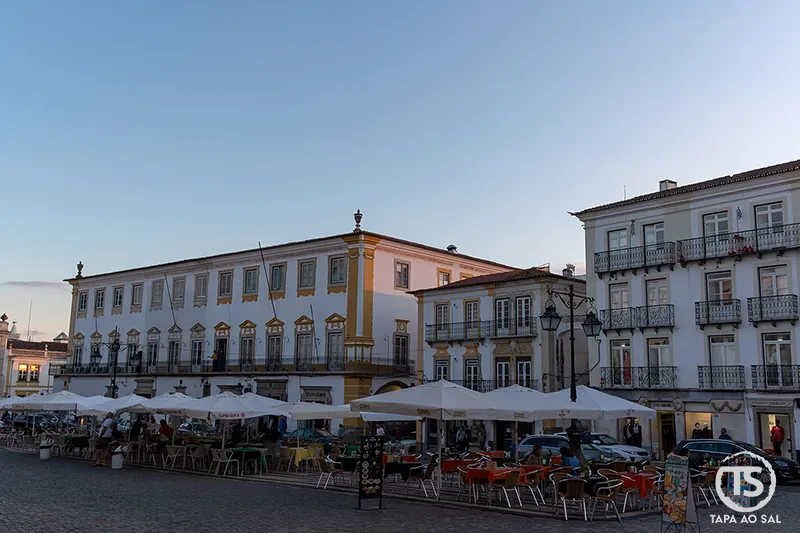
This wide square, surrounded by elegant arcades, is the true heart of the city. Throughout the day, cafés and terraces fill with quiet conversations, curious visitors, and locals who continue to use this space as a meeting point.
At its centre stands a Renaissance marble fountain, while around it the white façades reflect the intense light of Alentejo.
Sitting here for a few minutes allows you to observe the city’s rhythm. There is no rush. People walk slowly, church bells echo in the distance, and time seems to adapt itself to the region’s warm and dry climate.
Historic centre of Évora
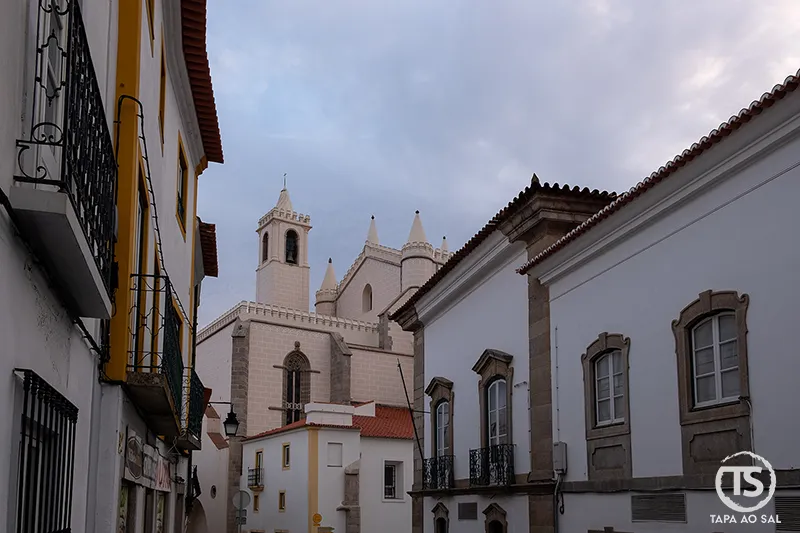
More than a collection of monuments, the historic centre of Évora is an experience discovered by walking.
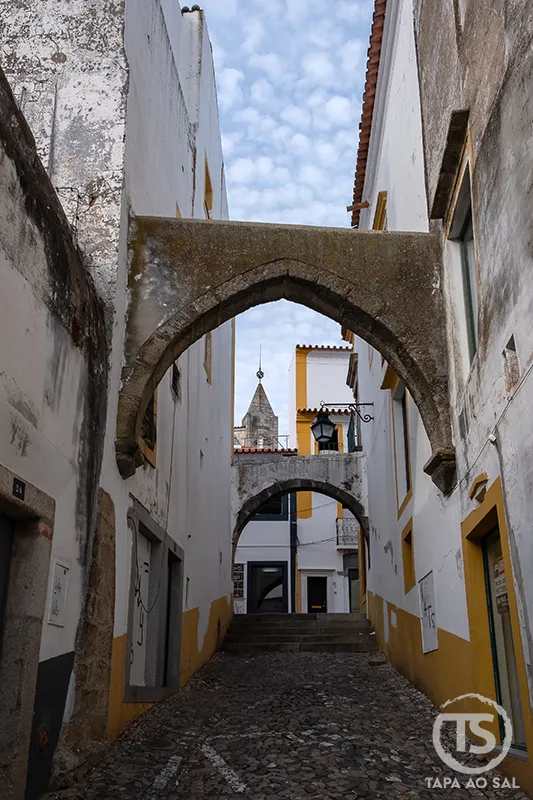
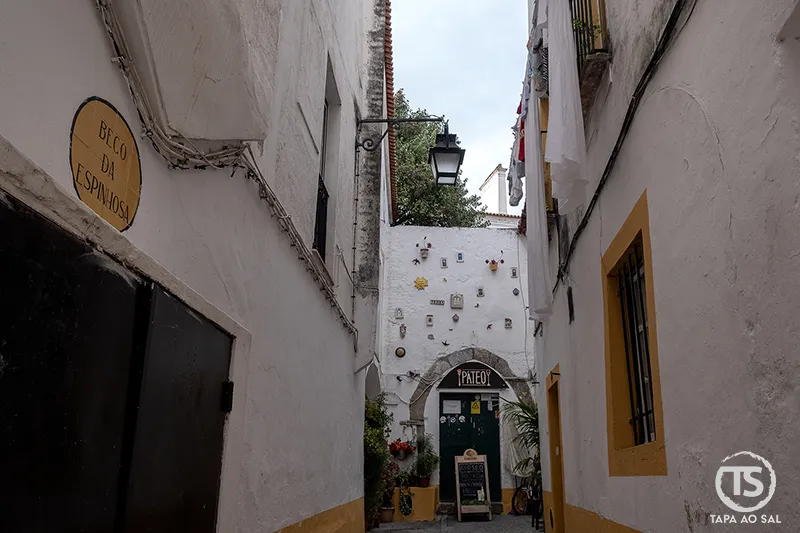
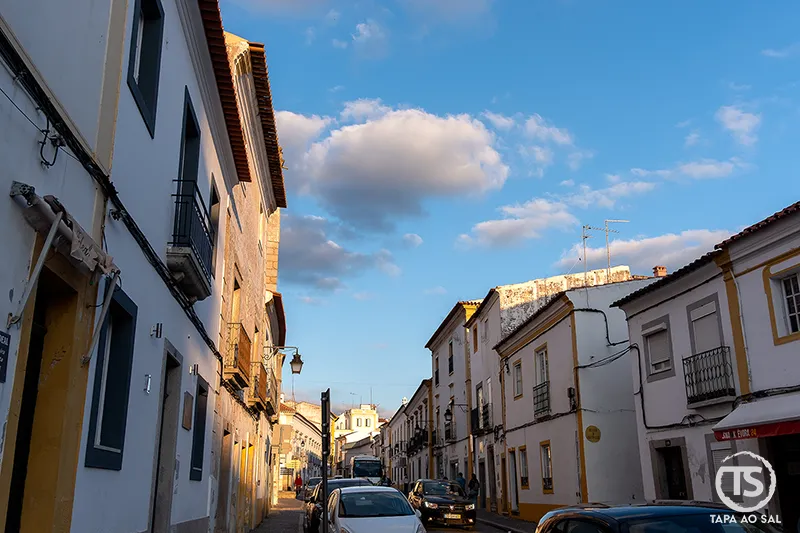
The narrow streets wind between white houses with yellow or blue details, old doors, and wrought-iron windows. At every corner, a hidden courtyard appears, a small church, or a stone arch that seems to have crossed centuries without changing its place.
Walking without a fixed destination, it becomes clear that much of the city’s charm lies precisely in these unexpected moments: a quiet street at the end of the afternoon, the cool shade of an old wall, or the distant sound of footsteps echoing on the cobblestones.
It is in this setting that Évora what to visit reveals itself most fully—not only through its famous monuments, but also through the tranquil atmosphere of a city that preserves its past without losing the calm rhythm of the present.
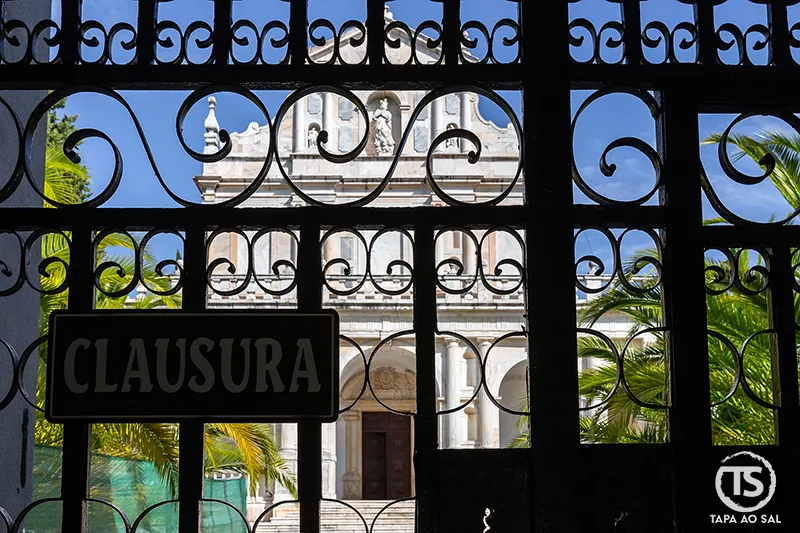
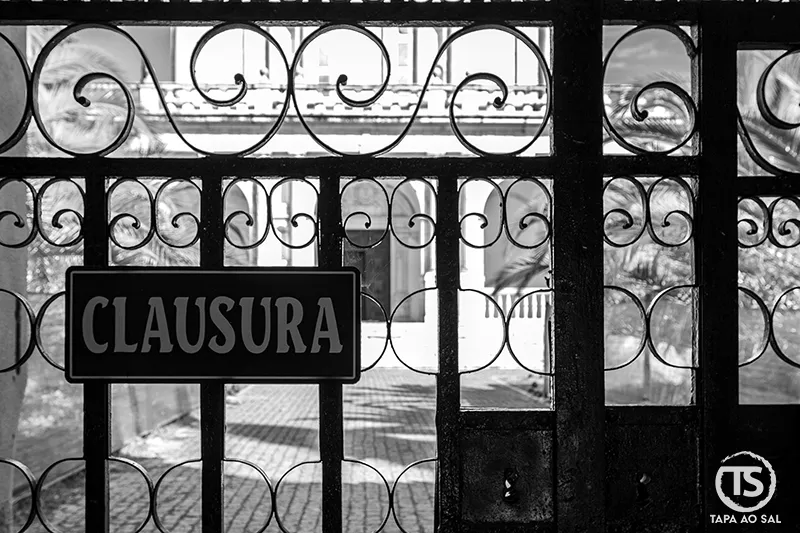
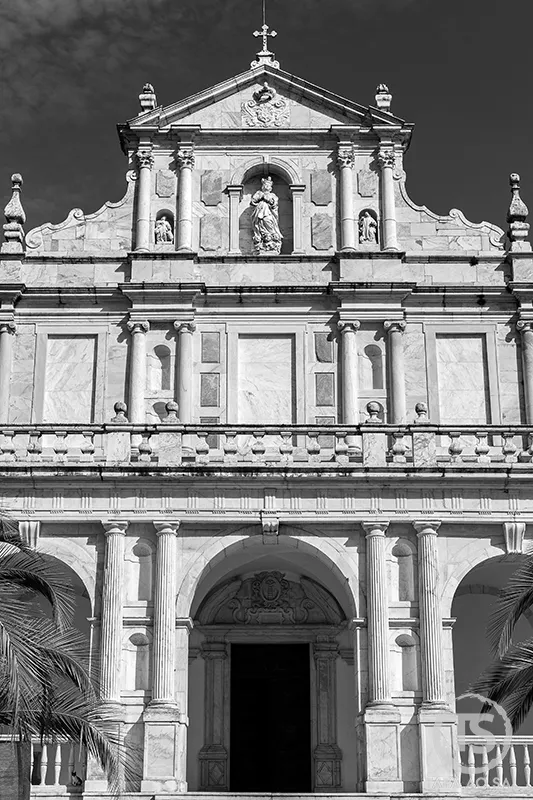
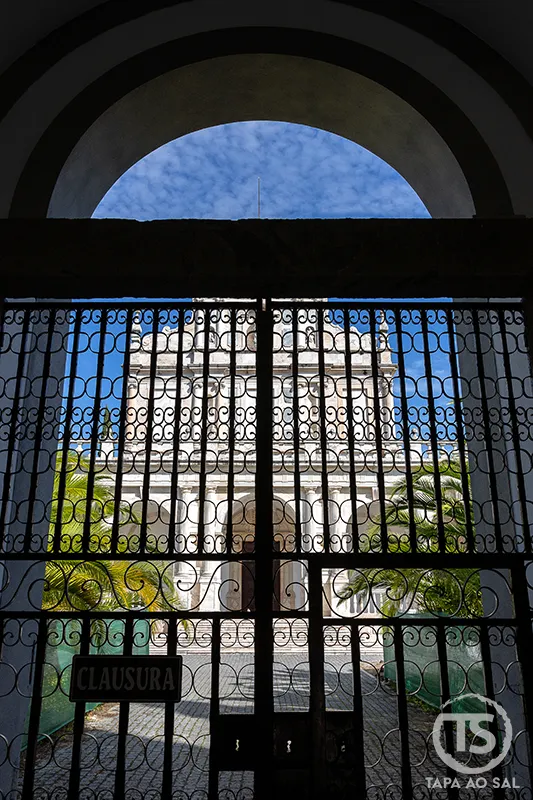
Convento da Cartuxa (Mosteiro de Santa Maria Scala Coeli)
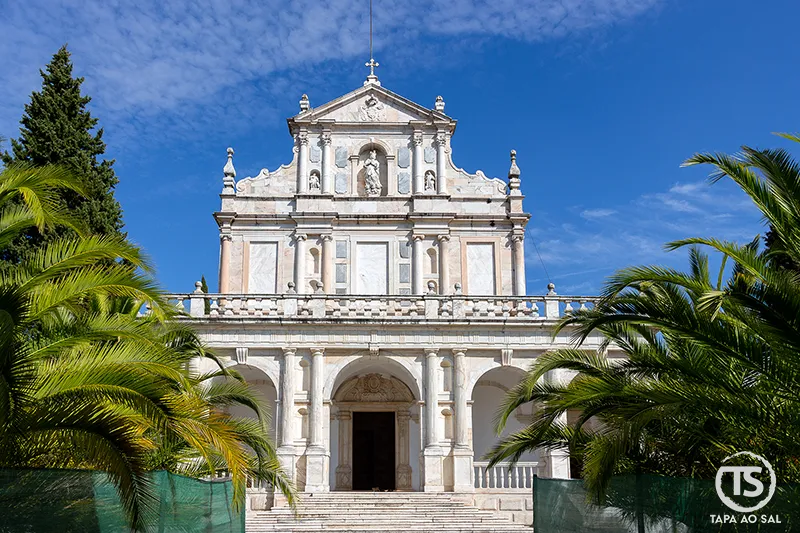
Outside the historic centre of Évora, where movement slows and the landscape opens, the Convento da Cartuxa appears almost in silence. It is not a place you discover by chance — you have to seek it out. And perhaps that is precisely what makes it so special.
Founded in the 16th century by D. Teotónio de Bragança, this monastery housed for centuries the Carthusian Order, known for its life of withdrawal and contemplation. Here, time was never in a hurry. The walls hold that memory: of an austere routine marked by silence, prayer, and an almost intimate relationship with isolation.
The architecture follows that philosophy. Without excess, without unnecessary ornamentation, the complex reveals itself discreetly, almost hidden within the Alentejo landscape. The church, the cloister, and the surrounding spaces do not seek to impress — they invite you to slow down. There is a simplicity that is not poverty, but choice.
During the visit, that feeling becomes evident. The sound of footsteps feels more present, the wind finds its voice among the trees, and even the light seems to enter more gently. Unlike the monuments in the centre of Évora, where history reveals itself more immediately, here everything unfolds in a slower, more inward way.
Access is easy by car, just a few minutes from the centre, and visits depend on specific schedules, reinforcing the sense that this is not a conventional tourist site. It is advisable to check entry conditions in advance, as not all areas are always open to the public.
Adega Cartuxa (Fundação Eugénio de Almeida)
Still within Évora, but already beyond the more touristic rhythm of the historic centre, Adega Cartuxa reveals another dimension of the city, connected to the land, to time, and to the wine-making tradition of Alentejo.
Here, the connection to the Mosteiro da Cartuxa can be felt subtly. The name, the history, and even the atmosphere carry that heritage, but translated into a more contemporary experience. Between organised spaces and a refined aesthetic, the visit unfolds calmly, almost at the same pace at which the wine is produced.
During a tasting, the character of the region’s wines becomes clearer. There is structure, intensity, and a very distinct identity, shaped over generations. Names like Pêra-Manca or EA are not just references—they are part of the local culture.
It is a stop that naturally fits into a route about Évora what to visit, especially for those who want to go beyond monuments and also experience the flavours of the region.
Moinhos do Alto de São Bento
The Núcleo Museológico do Alto de S. Bento is a municipal educational project aimed at valuing and preserving the natural and cultural heritage of the place from which it takes its name: Alto de S. Bento.
Due to its granite massif, the richness of its flora, and its historical significance, it is undoubtedly the most remarkable natural viewpoint in the city of Évora.
Teatro Garcia Resende
Like other theatres built in the 19th century, the construction of Teatro Garcia de Resende resulted from an initiative by local elites, intended to contain unemployment and the resulting criminality. The landowner José Ramalho Dinis Perdigão promoted the creation of a society, and on 31 October 1881, the first stone was laid.
Teatro Garcia de Resende would be inaugurated on 1 June 1892, in the presence of Infante D. Afonso, with a play by E. Schwalbach, “O Íntimo”, performed by the company of Teatro D. Maria II.
Teatro Garcia de Resende is part of the European Route of Historic Theatres.
University of Évora
Its foundation was due to Cardinal Infante D. Henrique, with construction works beginning in 1551, and its solemn inauguration taking place on 1 November 1559.
The cloister, the refectory, and the lavabo stand out. Additions were made in the 17th and 18th centuries: the Hall of Solemn Acts with its Baroque façade, classrooms with chairs made of exotic angelim wood, the tile panels dating from 1744–49, and the former library with a fresco-painted ceiling from the 18th century.
Teaching was under the responsibility of the Jesuits, and following their expulsion in 1759, the University was closed.
Great cultural figures of the time taught here, such as Luís de Molina, Sebastião Barradas, and Luís António Verney.
The current University was re-established in 1979.
Aqueduto da Água da Prata
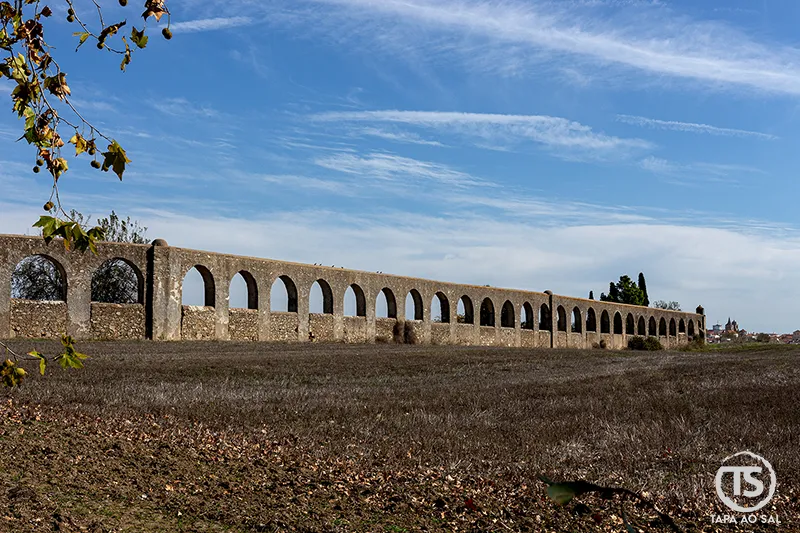
Inaugurated on 28 March 1537, the Aqueduto da Prata in Évora is one of the most significant works carried out in the city during the first half of the 16th century.
It was built in six years, under the direction of royal architect Francisco de Arruda, and extends for around 18 km to the Herdade do Divor, where it supplies water.
Igreja e Convento dos Lóios
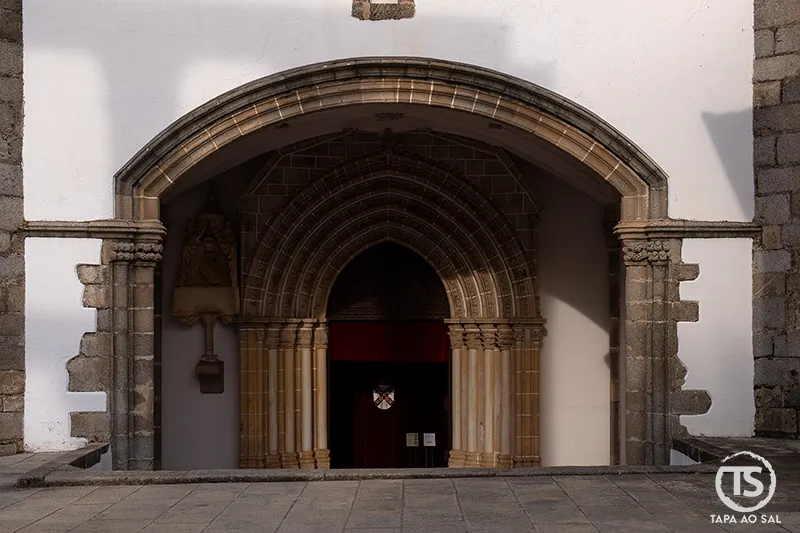
Built on what remained of a medieval castle, the convent is an excellent architectural testimony of late Gothic Alentejo.
Particularly notable is the entrance to the former Chapter House, opened by an exuberant mullioned portal with horseshoe arches, a perfect example of regional Manueline-Mudéjar architecture. On this same doorway, there is a medallion evoking the participation of D. Rodrigo in the Battle of Azamor in 1508, which allows for an approximate dating of the construction works of this hall.
Things to do in Évora in one day — suggested itinerary
There are cities that demand time. Others reveal themselves with surprising clarity in just a few hours. Évora belongs to this second group. Its historic centre is compact, and many of the most important monuments are located just minutes from one another. Walking through the city becomes, therefore, the best way to discover Évora, letting each street naturally lead to the next place.
One day is enough to experience the city’s most emblematic sites, especially if the visit starts early and unfolds without haste, following the calm rhythm that seems to define Alentejo.
Morning: entering the historic heart of the city
The visit can begin at Praça do Giraldo, the true centre of Évora’s urban life. The elegant arcades surrounding the square host cafés and terraces where the city slowly wakes up. It is a good place to start the day, perhaps with a coffee before following the old streets that branch out in different directions.
From here, it only takes a few minutes on foot to reach some of the city’s most important monuments. Climbing through the narrow streets of the historic centre, the Roman Temple of Évora appears first, its classical silhouette still surprising those who encounter it for the first time.
Right next to it rises the imposing Évora Cathedral, built at the highest point of the city. It is worth stepping inside, exploring the Gothic interior and, if possible, climbing to the rooftop. From above, the view opens over the city’s white rooftops and the Alentejo plains stretching until they fade into the horizon.
Midday: history, reflection, and architecture
Descending again through the streets of the historic centre, the route naturally leads to the Church of São Francisco, one of the most important religious buildings in the city. Inside, you will also find one of Évora’s most striking places: the Chapel of Bones, whose quiet atmosphere invites reflection.
After the visit, it is a good moment to pause. In the nearby streets, there are several traditional restaurants where you can try some typical dishes of Alentejo gastronomy. A relaxed lunch is part of the experience of visiting Évora.
Afternoon: getting lost in the city’s streets
The afternoon can be dedicated to something that, in Évora, is just as rewarding as visiting monuments: simply walking. The historic centre of Évora reveals many of its details precisely in these unplanned moments.
Narrow streets, small churches, hidden courtyards, and old façades create an atmosphere that seems to have crossed centuries without much effort. Here and there, traditional shops appear, regional crafts, or discreet cafés where time moves more slowly.
It is in this walk that Évora what to visit truly reveals itself — not only through its major monuments, but also through the tranquil atmosphere of a city that continues to live at the slow pace of the Alentejo interior.
End of the day: golden light over the city
At the end of the afternoon, it is worth returning to the area around the walls or to Praça do Giraldo. The light becomes softer, golden tones reflect on the white walls, and the city takes on an even more evident sense of calm.
Sitting on a terrace or walking slowly through the streets of the historic centre is a perfect way to end the day. In just a few hours, it becomes clear why so many travellers return to Évora.
Because more than a collection of monuments, the city offers something harder to explain — a feeling of suspended time, of living history, that turns any visit into a memorable experience.
Things to do in Évora beyond the monuments
There are cities where monuments are only the beginning. In Évora, the real experience often begins when you stop following the map and simply start walking.
The historic centre has that rare quality of inviting slow discovery. One street leads to another, then to a small square, then to an old arch that opens into yet another quiet corner of the city. Here, the best thing you can do is exactly that: walk slowly.
Between white façades and old doors painted in blue or yellow, small traditional shops appear, where you can still find objects linked to Alentejo craftsmanship — cork pieces, ceramics, or textiles that seem to carry a part of the region’s identity. Many of these shops preserve a simple and authentic atmosphere, far removed from the rush of larger cities.
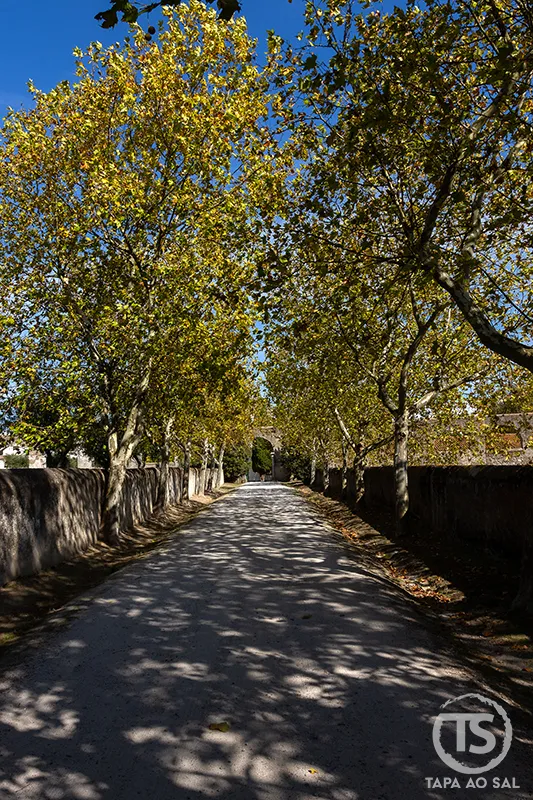
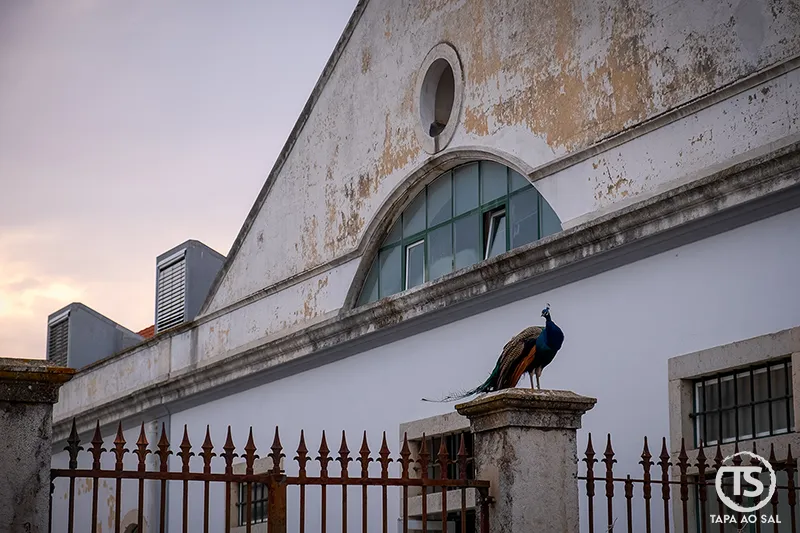
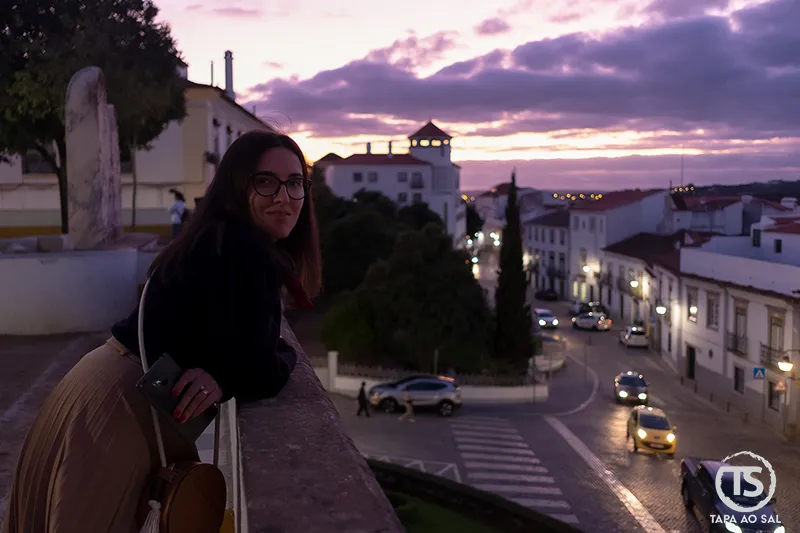
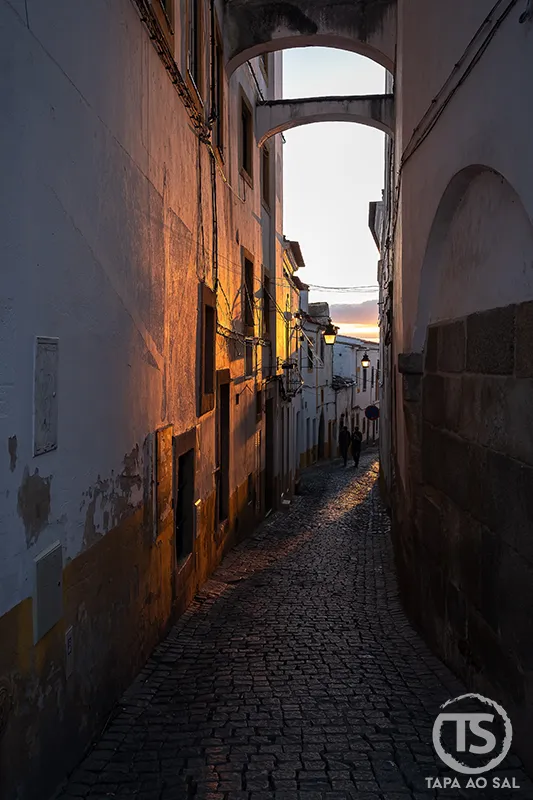
From time to time, the scent of Alentejo cuisine drifts out from an open doorway. It is impossible to ignore. Discreet restaurants, often hidden along quiet streets, serve dishes rooted in regional tradition — migas, stews, meats seasoned with aromatic herbs that grow across the surrounding plains.
But perhaps one of the greatest pleasures of visiting Évora is simply to pause. To sit on a terrace in Praça do Giraldo, observe the slow movement of people, and let the rhythm of the city take over naturally.
At the end of the afternoon, when the light begins to soften and the heat of the day slowly fades, the historic centre takes on a particularly serene atmosphere. The streets grow quieter, footsteps echo on the cobblestones, and the city reveals a more intimate side, almost contemplative.
It is in that moment that you understand that discovering Évora what to visit does not only mean seeing the most famous monuments. It also means accepting the subtle invitation the city extends to every visitor: to walk without a destination, to notice the details, and to let time slow down.
Things to do in Évora in different situations
Évora reveals itself differently depending on the moment of the visit. The same street can feel almost silent in the early morning, come alive during the afternoon, and return to an unexpected calm as night falls.
For that reason, discovering Évora does not depend only on monuments or places marked on a map. It also depends on the rhythm of the day, the changing light over the white façades, and the way the city slowly transforms between morning, afternoon, and night.
Some experiences become particularly interesting at certain times, whether for those visiting the city with family, for those seeking a quieter atmosphere at the end of the day, or simply for those who allow themselves to be guided by the mood of Alentejo.
What to do in Évora at night
When night falls over the historic centre, Évora changes its pace. The streets grow quieter, the warm yellow light of street lamps casts shadows across old walls, and the monuments take on an even stronger presence.
Praça do Giraldo remains a natural meeting point, but now with a more serene atmosphere. Terraces fill with unhurried conversations, glasses of Alentejo wine, and dinners that seem to stretch on without urgency.
After dinner, walking through the streets of the historic centre becomes a different experience from the daytime visit. Without the movement of the day, it is easier to notice the details: the distant sound of footsteps on cobblestones, the echo of an old door closing, the feeling of moving through a city that holds centuries of stories.
Visiting Évora with children
Despite its strong historical character, Évora can be a surprisingly pleasant destination to visit with children.
The historic centre is relatively compact and safe, allowing for easy and relaxed movement on foot. Many monuments spark curiosity, especially places like the Chapel of Bones, which often brings surprise and unexpected questions.
There are also open spaces that allow for small breaks during the visit. The Jardim Público de Évora, with its old trees and shaded paths, is a good place to rest between visits or simply let children explore the atmosphere of the city.
Travelling as a family also allows you to experience the monuments at a different pace. Less haste, more curiosity.
What to do in Évora on rainy days
Even when the weather changes, Évora continues to offer several interesting experiences.
Many of the main monuments can be visited indoors. Évora Cathedral, for example, reveals even more of its solemn atmosphere when the sound of rain echoes softly against its stone walls. The same happens in the Church of São Francisco and in the Chapel of Bones, where the enclosed atmosphere feels even more intense.
Rainy days are also a good time to explore historic cafés or small restaurants in the centre. Sitting by a window, watching the wet streets and sensing the aroma of Alentejo cuisine drifting from the kitchen creates a completely different experience from visiting on a summer day.
Even so, it only takes the rain to ease slightly to return to the streets. The cobblestones reflect the light, the streets become almost empty, and the city reveals an unexpectedly intimate side.
In the end, whatever the context of the visit, Évora always has something to offer—sometimes in its great monuments, other times in the small details that appear when you walk slowly through the city’s old streets.
Crafts in Évora — traditions of Alentejo
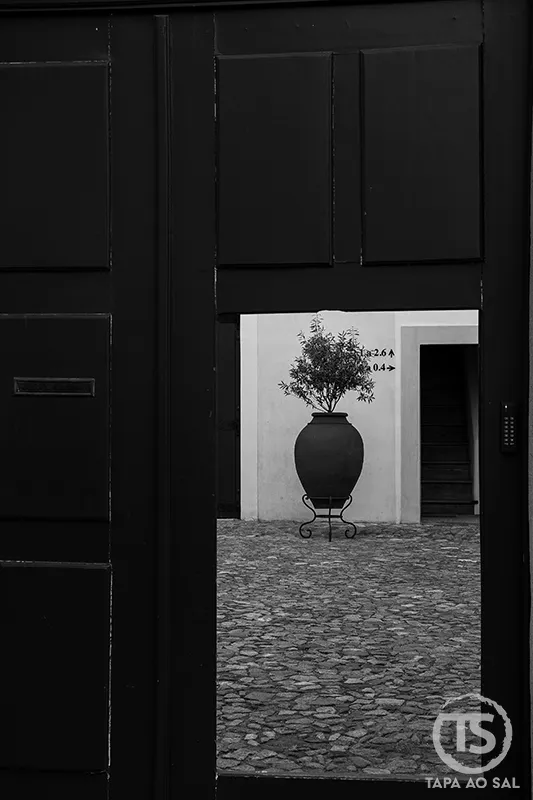
Between old churches, quiet streets, and monuments that span centuries of history, Évora also preserves another dimension of its identity: Alentejo craftsmanship. In many of the small shops scattered throughout the historic centre, you will find pieces that were not born from factories or industrial processes, but from gestures repeated across generations.
Walking through the streets near Praça do Giraldo or along the quieter lanes within the walls, discreet shop windows appear displaying handmade objects. Some are simple travel keepsakes; others carry techniques and knowledge that are part of Alentejo’s cultural heritage.
Discovering these pieces is also a different way of understanding Évora what to visit. Because the city does not reveal itself only through monuments or ancient churches—it also reveals itself through traditions that remain alive in the work of artisans and small workshops.
Cork: one of the symbols of Alentejo
Across the plains surrounding Évora grow thousands of cork oaks, trees that define much of the Alentejo landscape. From their bark comes one of Portugal’s most emblematic materials: cork.
For centuries, this natural resource was used mainly for wine stoppers, but today it has taken on new forms through craftsmanship. In the shops of the historic centre, you will find wallets, hats, bags, and small accessories made from worked cork.
The material is light, durable, and surprisingly versatile. When you touch a piece of cork, you can sense the direct connection between the Alentejo landscape and the objects that emerge from it.
Traditional ceramics and pottery
The tradition of ceramics is deeply rooted in several regions of Alentejo, and Évora maintains that presence in the shops and markets of its historic centre.
Hand-painted decorative plates, small artisanal tiles, or clay pieces shaped into simple forms often appear on the shelves of local shops. Some feature traditional patterns; others present more contemporary interpretations of ancient techniques.
Each piece carries a small story—the colour of the earth, the artisan’s gesture, the patience of the kiln where clay slowly transforms into ceramic.
Alentejo textiles and tapestries
Among the region’s craft traditions, Alentejo textiles also hold a special place. Blankets, bedspreads, embroidery, and traditional fabrics are part of a knowledge passed down through generations.
In the shops of the historic centre, you will often find blankets in strong colours, with geometric patterns that echo the open landscapes of Alentejo. Some are produced in small artisanal workshops; others come from nearby villages where these techniques remain part of everyday life.
These pieces carry something deeply comforting. Perhaps it is the weight of the fabric, or the warm colours that seem to reflect the light of the plains.
Where to find crafts in Évora
One of the best ways to discover local craftsmanship is simply to walk through the streets of the historic centre. Many of the most interesting shops are located near Praça do Giraldo, but they also appear along smaller, less busy streets within the walls.
Some are old shops, where objects seem to have occupied the same place for many years. Others are more recent spaces, dedicated to reinterpreting traditional techniques with a contemporary perspective.
Exploring these shops is part of the experience of visiting the city. Between historic monuments and quiet streets, it is easy to find small objects that carry a piece of the region’s identity.
If you are interested in exploring these traditions further, you can also discover more about Portuguese craftsmanship, where we highlight some of the country’s most emblematic artisanal techniques.
In the end, taking home a handcrafted piece from Évora is not just about buying a souvenir. It is about carrying a fragment of Alentejo culture—subtle, authentic, and deeply connected to the place where it was created.
Where to eat in Évora — local food and restaurants
After walking through the old streets and visiting some of the city’s most striking monuments, the moment inevitably comes to discover another essential side of Évora: Alentejo gastronomy.
In Alentejo, the cuisine is deeply connected to the land. Simple dishes, often born from necessity and the creativity of rural kitchens, have over time become true symbols of the region. Bread, olive oil, aromatic herbs, and meats come together to create flavours that are intense, comforting, and surprisingly refined.
In the streets of Évora’s historic centre, many restaurants keep this tradition alive. As you step inside, you notice the scent of garlic browning in olive oil, hear the murmur of conversations between tables, and realise that here, time is still lived slowly.
Among the most typical dishes are migas alentejanas, dogfish soup, lamb stew, or simply a good meat dish accompanied by rustic bread and regional wine.
Restaurante Fialho
Few restaurants in Évora have such a long history as Fialho. Founded in 1945, it has become over the decades a true symbol of Alentejo gastronomy.
The atmosphere retains a certain classic charm. Well-set tables, attentive service, and a menu that deeply respects regional tradition. Many travellers come here precisely to experience some of the most emblematic recipes of Alentejo cuisine.
Between generous dishes and local wines, the experience easily becomes one of the most memorable moments of the visit.
Taberna Típica Quarta-feira
More discreet, yet equally authentic, Taberna Típica Quarta-feira offers a more informal experience, very close to what one imagines a traditional Alentejo tavern to be.
The space is simple, almost rustic, but it is precisely that simplicity that creates the right atmosphere to appreciate dishes deeply rooted in local tradition.
Here, the food arrives at the table without much formality, but with intense and genuine flavours. It is the kind of place where the cooking feels unhurried and respectful of old recipes.
Lombardo
Lombardo presents a slightly different approach. It keeps its roots in traditional gastronomy while introducing a touch of contemporary creativity into its dishes.
The atmosphere is welcoming and modern, without losing its connection to regional identity. The menu values local ingredients and combines them with techniques that reinterpret some of the classics of Alentejo cuisine.
For those looking for a gastronomic experience balanced between tradition and modernity, it can be an interesting choice during a visit to the city.
As with monuments and historic streets, discovering local flavours is part of the experience of exploring Évora. In many cases, a relaxed meal in a traditional restaurant becomes just as memorable as visiting a monument.
Because in Alentejo, the journey also happens at the table.
Where to stay in Évora — best areas and hotels
There are cities you visit for a few hours, and others that ask for a night to be truly understood. Évora clearly belongs to the latter. When day visitors return home and the historic centre grows quieter, the city reveals a different atmosphere—more tranquil, almost contemplative.
Staying overnight in Évora allows that experience to unfold further. In the late afternoon, golden light spreads across the walls and white rooftops. At night, the streets become calm, and walking through the historic centre turns into an almost intimate experience.
When choosing where to stay, there are two main options: staying within the historic centre, where everything is just a few minutes’ walk away, or choosing accommodation on the outskirts of the city, often surrounded by the open landscape of Alentejo.
Evora Olive Hotel
Evora Olive Hotel is one of the most practical options for those who want to explore the city on foot.
Located next to the historic centre, it combines contemporary architecture with a comfortable and relaxed atmosphere. The rooms are modern and bright, and its proximity to the walls allows quick access to some of the city’s main monuments.
For those who want to discover Évora what to visit without relying on a car, this location is particularly convenient.
Cenoura-Brava
Cenoura-Brava offers a very different kind of experience. Set in a more rural environment, it allows you to experience the tranquillity of the Alentejo landscape just a few minutes from the city.
Here, the pace naturally slows down. The silence of the plains, the wide sky, and the connection with nature create the perfect atmosphere for those looking to rest after a day exploring Évora.
It is an interesting option for those who prefer to combine a visit to the city with the calm of the countryside.
Quinta da Amendoeira – Évora – The Farmhouse
Quinta da Amendoeira – Évora – The Farmhouse follows a similar approach: rural accommodation, open landscape, and a direct connection to the Alentejo environment.
The houses and outdoor spaces invite you to enjoy the silence and the nature that surrounds the city. At the same time, its proximity to Évora allows you to easily return to the historic centre to explore its monuments, restaurants, and old streets.
It is a particularly pleasant choice for those planning to stay more than one night and also explore the surroundings of the city.
If you prefer to compare different accommodation options, you can also explore all available places to stay in Évora.
Discover more places to stay in the region
If you prefer to explore other stays, there are many welcoming options available in the region. From countryside houses to nearby hotels, find the best accommodation deals near this destination on Booking.
In the end, whether in the historic centre or in the quiet of the Alentejo countryside, spending a night in the city helps you better understand its rhythm. And often, it is in those moments — when the morning light begins to slowly illuminate the walls — that you most clearly understand Évora what to visit.
Experiences and guided tours in Évora
Walking through the old streets of Évora is, in itself, a memorable experience. However, for those who wish to gain a deeper understanding of the city’s history or explore the surrounding Alentejo region, there are several experiences and guided tours that add new perspectives to the journey.
Some reveal historical details that often go unnoticed by those visiting on their own. Others take visitors beyond the city walls, into ancient landscapes where human presence dates back thousands of years. In this way, discovering Évora can become an even richer experience when accompanied by local guides or carefully designed routes.
Full-day tour to Évora and the megaliths
One of the most complete experiences for those departing from Lisbon is this full-day tour to Évora and the megaliths.
The itinerary combines a visit to Évora’s historic centre with one of the region’s oldest and most mysterious sites: the Cromeleque dos Almendres. Set within a peaceful landscape of cork oaks and open fields, this prehistoric stone circle predates even famous monuments such as Stonehenge.
The experience reveals that the region’s history extends far beyond the city walls. Among ancient stones and wide horizons, there is a tangible sense of a much more distant past.
Private walking tour of the historic centre
For those who prefer to explore the city in greater depth, a private walking tour of Évora can be an excellent option.
Accompanied by a local guide, the route passes through some of the most emblematic places in the historic centre, from the Roman Temple to Évora Cathedral, including old churches, medieval streets, and small squares filled with history.
Beyond historical information, these tours help uncover curious details that often go unnoticed: symbols carved into stone, stories of past figures, or episodes from the city’s everyday life across the centuries.
Visit to Monsaraz and wine experiences
Another interesting option is to combine a visit to the city with an excursion to Monsaraz, one of the most emblematic villages in Alentejo.
Some experiences include transport from Évora and visits to local vineyards, where you can taste some of the region’s most renowned wines. These excursions reveal another dimension of Alentejo: open landscapes, ancient castles, and villages where time seems to move even more slowly.
If you have time during your trip, exploring these surroundings can perfectly complement the experience of discovering Évora what to visit, connecting the city to the landscapes and traditions that surround it.
In the end, whether walking through the streets of the historic centre or venturing into the Alentejo countryside, these experiences help to better understand the history, culture, and unhurried rhythm of this region in southern Portugal.
Things to do near Évora — places worth visiting
Although the historic centre concentrates many of the city’s most emblematic places, the surroundings of Évora hold landscapes and destinations that are equally worth discovering. Just a few kilometres beyond the walls, you will find ancient villages, prehistoric monuments, and Alentejo landscapes where the horizon seems to stretch endlessly.
Exploring these places helps to better understand the context of the region and enriches the experience of discovering Évora. The city works almost as a perfect starting point for short journeys through the interior of Alentejo, where history, nature, and tradition remain deeply connected.
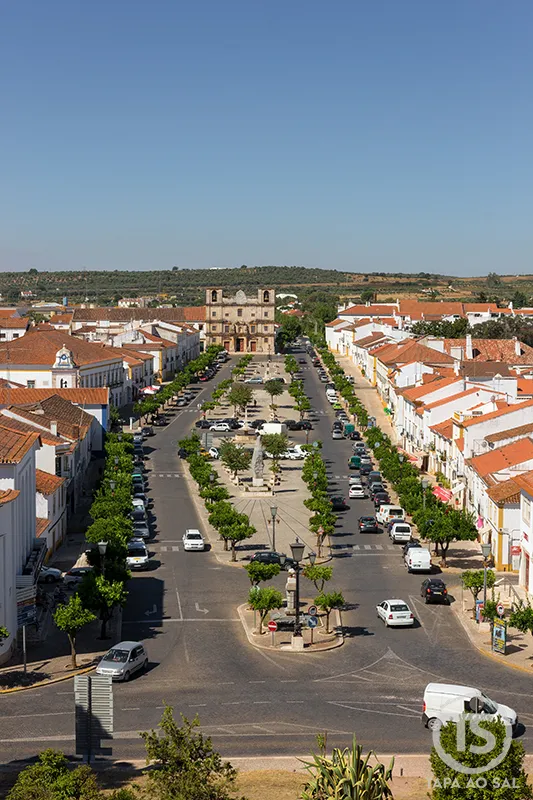
Monsaraz
About an hour’s drive from Évora lies Monsaraz, one of the most striking historic villages in Alentejo.
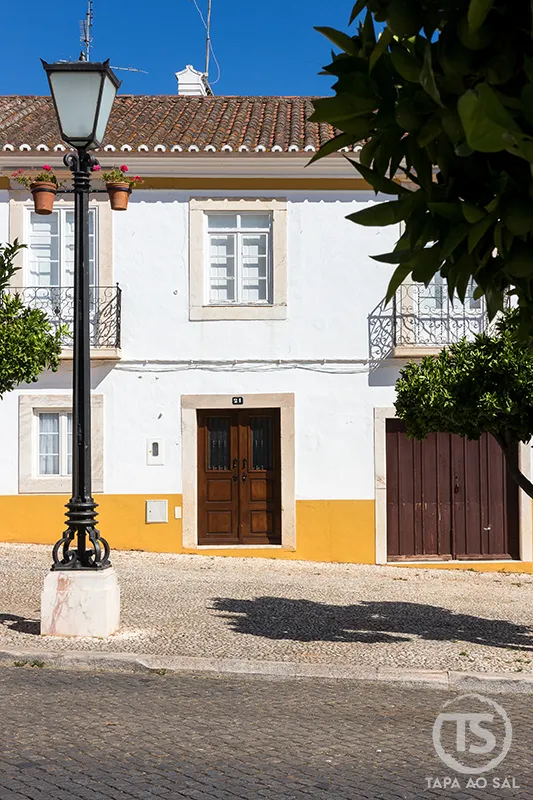
Set on top of a hill, this small walled village dominates the surrounding landscape. The streets are narrow, paved with old stone, and white houses line up quietly towards the castle that crowns the highest point of the village.
Walking along the walls, the view stretches over Alqueva, the vast artificial lake that now defines part of the region’s landscape. The light of Alentejo constantly transforms the scenery — golden in the late afternoon, soft at dawn.
Monsaraz carries a timeless quality. A village where each street seems suspended between past and present.
Cromeleque dos Almendres
If we go even further back in time, just a few kilometres from Évora, we find one of Portugal’s most fascinating prehistoric monuments: the Cromeleque dos Almendres.
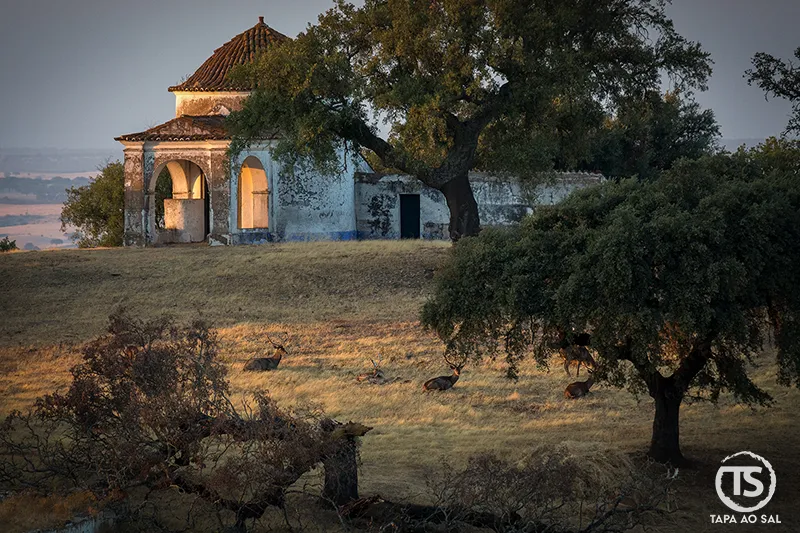
This group of standing stones rises on a small elevation surrounded by cork oaks and open fields. The stones, some engraved with ancient symbols, were placed there thousands of years ago, long before the founding of the city of Évora itself.
Visiting the cromeleque in the early morning or at the end of the day creates a particularly special experience. The silence of the landscape, broken only by the wind through the trees, reinforces the feeling of standing before something profoundly ancient.
It is one of those places where time seems to lose its importance.
Vila Viçosa
To the east of Évora, already close to the Spanish border, lies Vila Viçosa, a town that reveals another dimension of Alentejo’s history.
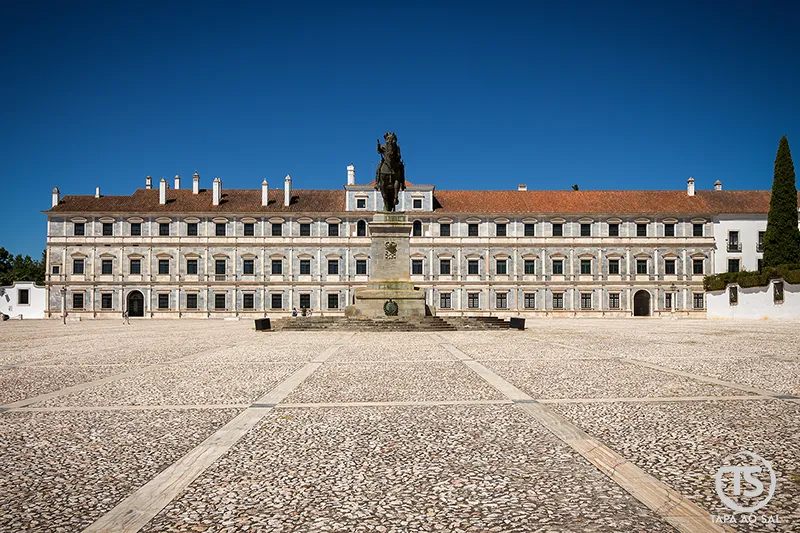
Known as the “Princess of Alentejo”, Vila Viçosa is closely linked to the House of Bragança, the family that would later occupy the Portuguese throne. The Paço Ducal, built in white marble, dominates the town and impresses with its scale and elegance.
Beyond the palace, quiet streets, convents, and old marble quarries reveal a unique cultural landscape. Walking through the town is like discovering an aristocratic Alentejo, different from the rural simplicity often associated with the region.
These destinations show that discovering Évora what to visit is not limited to the city itself. Around it extends a territory rich in history, wide landscapes, and small places where time seems to move more slowly.
And often, it is precisely these short journeys through the surroundings that turn a visit to Évora into a true discovery of Alentejo.
Anta grande do Zambujeiro
A megalithic funerary monument, built between the early 4th and the mid-3rd millennium BC.
It consists of a typical burial chamber with a polygonal plan, constructed with seven massive uprights reaching about eight metres in height above ground level, as well as an access corridor with an elongated rectangular plan, measuring around 12 metres in length, 2 metres in height, and 1.5 metres in width.
Things to do in Évora — a slow journey through Alentejo
There are cities you pass through quickly, and others that seem to invite you to slow your pace. Évora clearly belongs to the latter. As you walk through its old streets, it becomes clear that the city does not reveal itself all at once. It unfolds gradually—in a quiet square, in the cool shade of a wall, in the distant echo of footsteps on cobblestones.
Throughout this guide, we have sought to discover Évora, from its most emblematic monuments to the small experiences that make the city special. The Roman Temple, Évora Cathedral, or the Chapel of Bones are inevitable stops, but perhaps the true charm of Évora lies in what happens between those places.
It lives in the narrow streets of the historic centre, in the white façades that reflect the light of Alentejo, and in the unhurried conversations on the terraces of Praça do Giraldo. It is also present in the silence of the mornings, when the city slowly awakens, and in the late afternoon, when golden light transforms the walls and rooftops into an almost timeless scene.
Exploring Évora is about accepting that slower rhythm. Walking without haste, noticing the details, and allowing the city’s history to reveal itself naturally at every corner.
And when you finally leave the city, following once again across the Alentejo plains, there remains the feeling that Évora is not just a place to visit. It is a place to return to.
Explore more destinations in Portugal
From coastal towns to quiet villages and mountain landscapes, explore travel guides organised by region and continue your journey through Portugal at your own pace.
Things to do in Évora — images of a timeless city
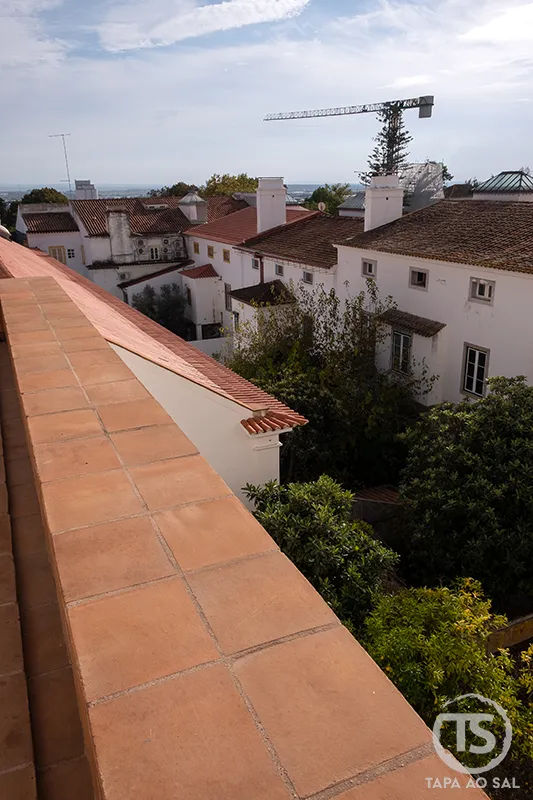
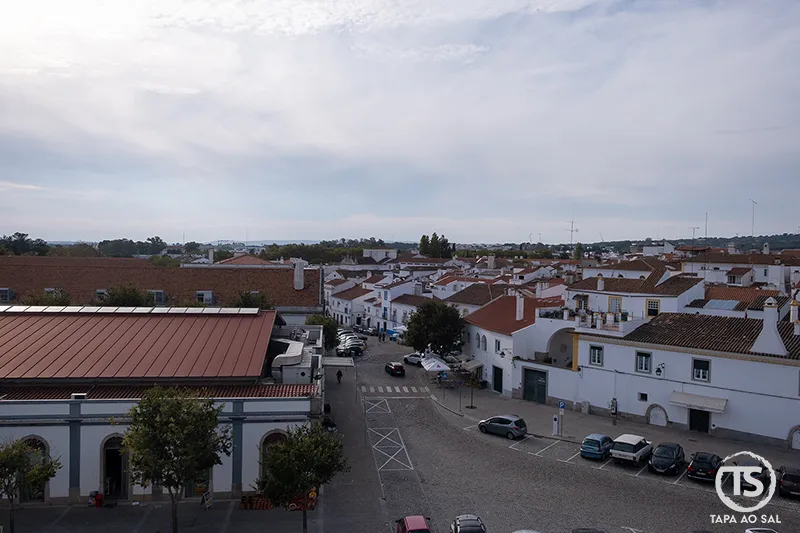
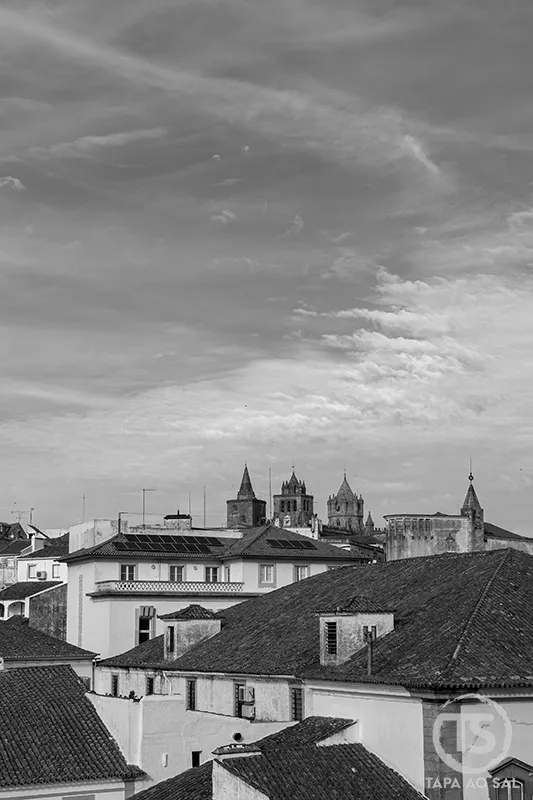
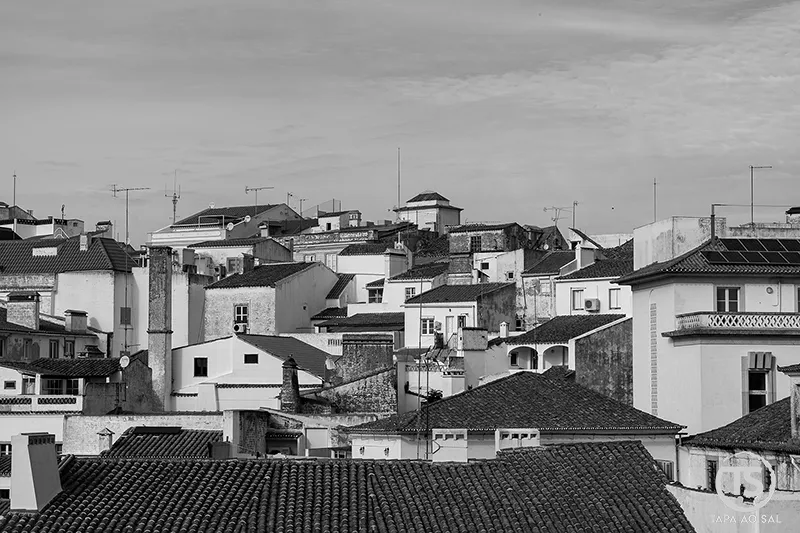
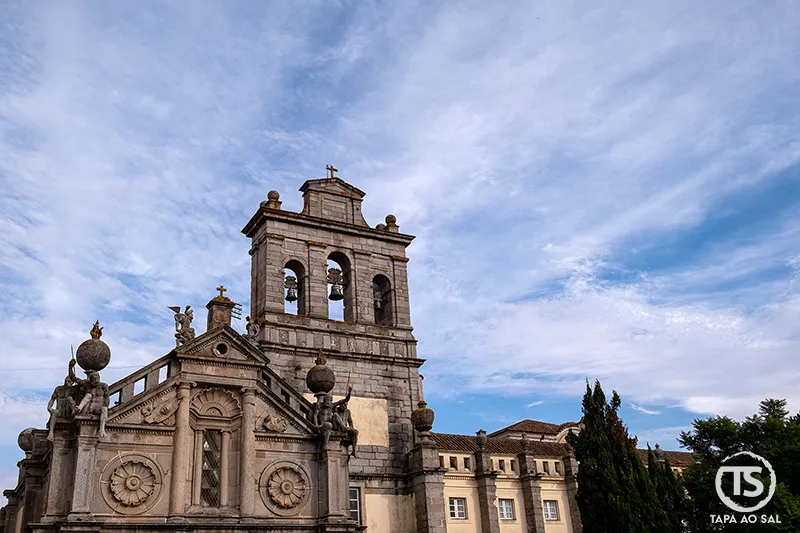
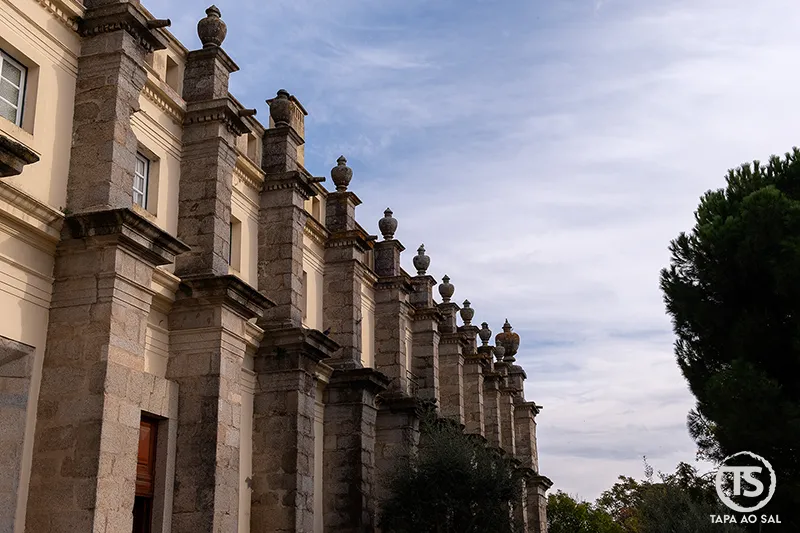
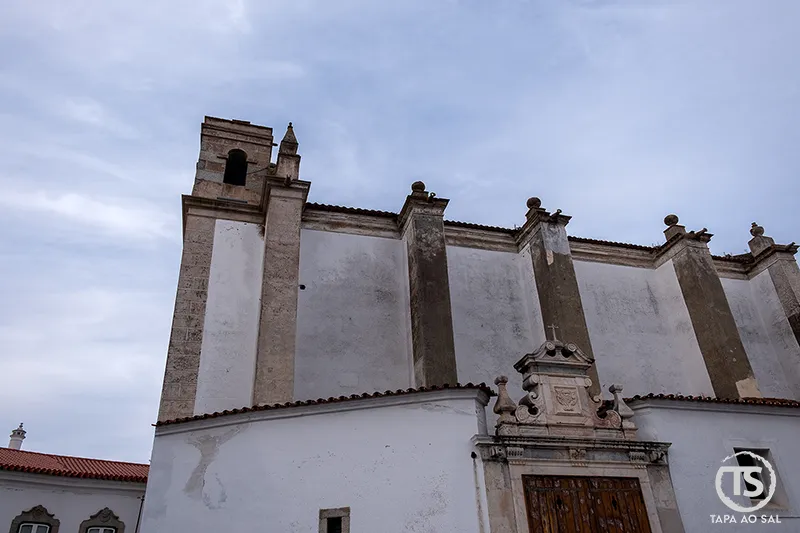
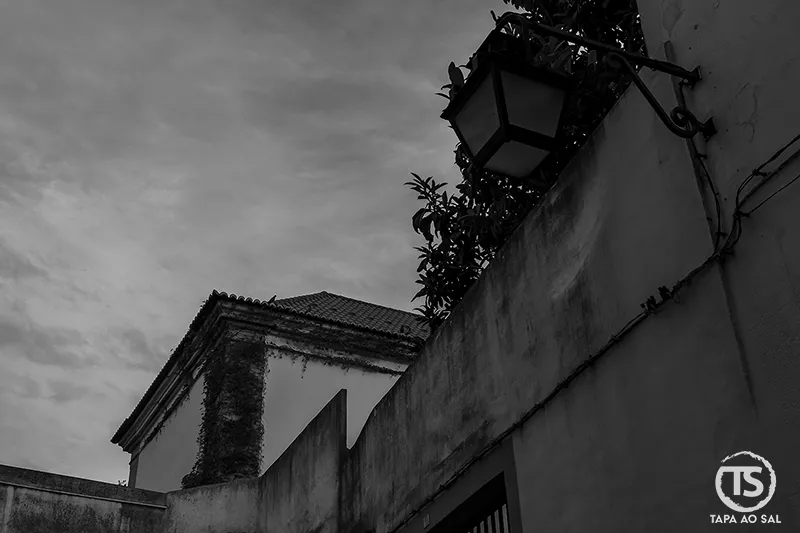
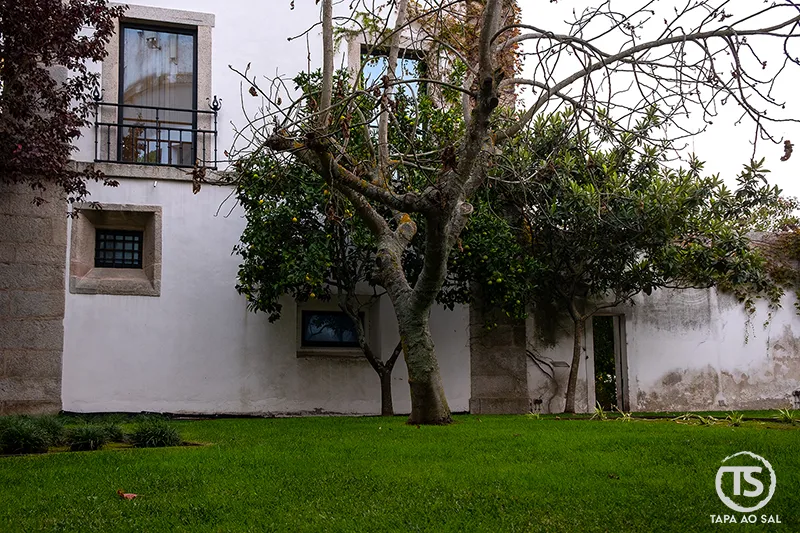
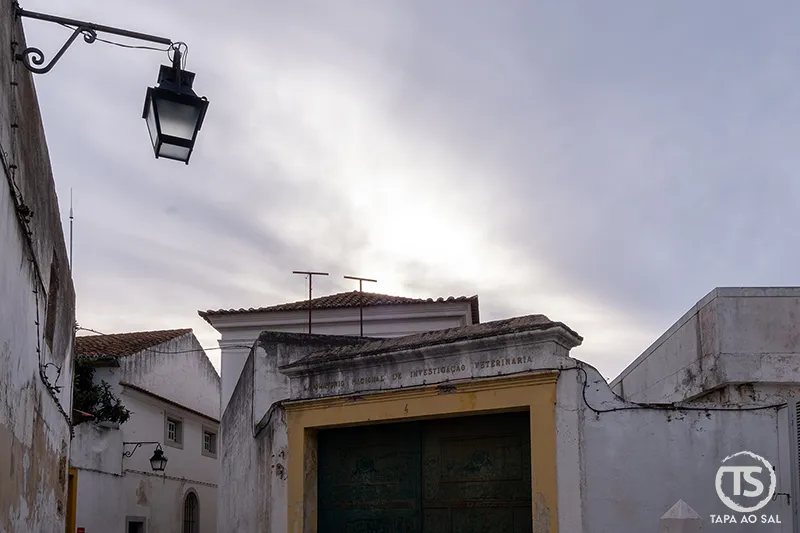
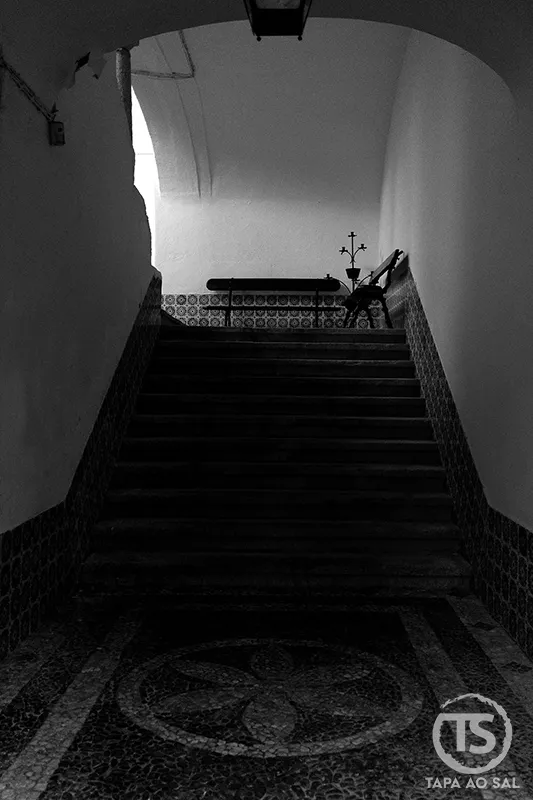
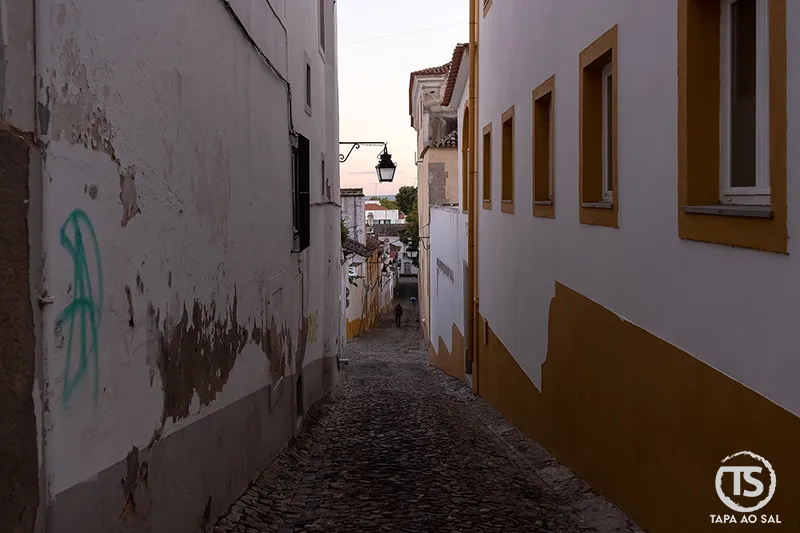
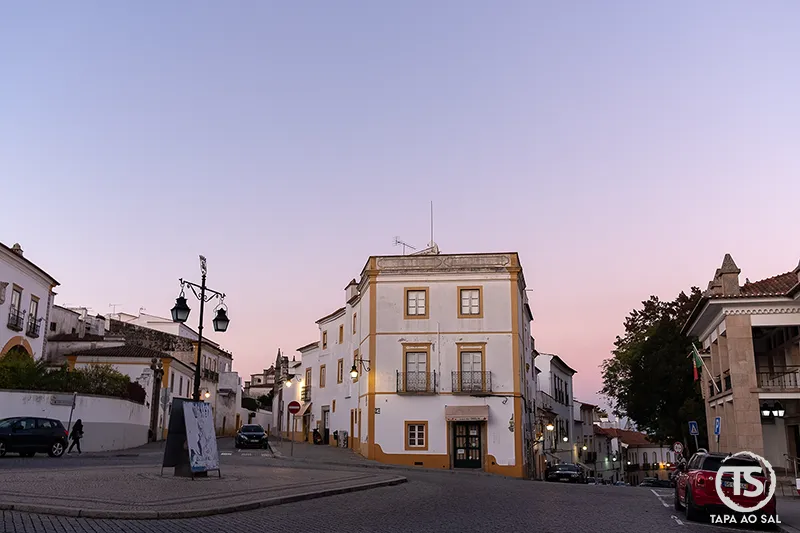
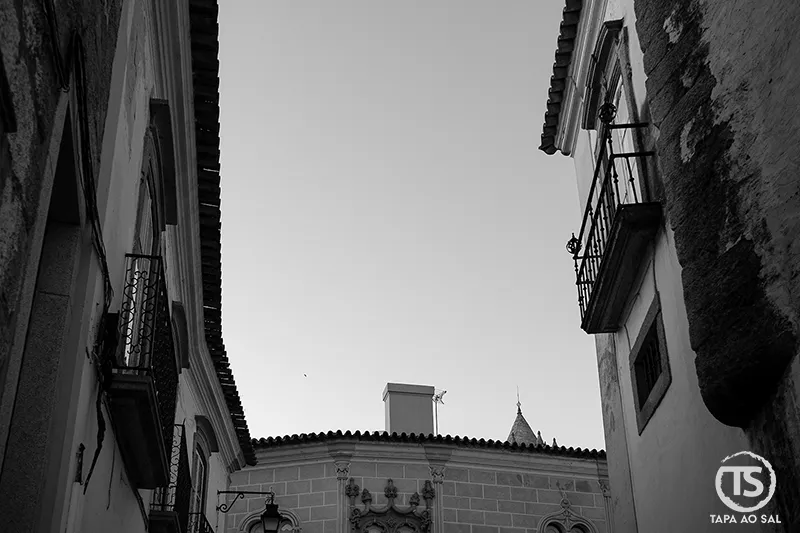
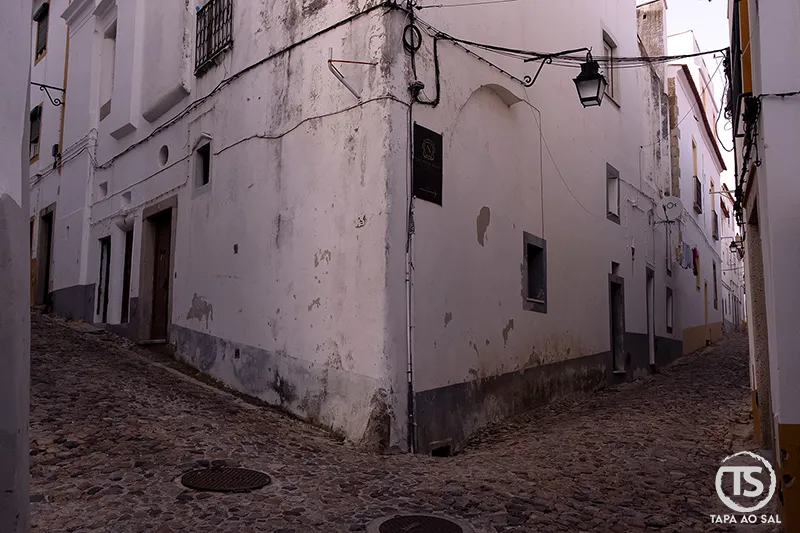
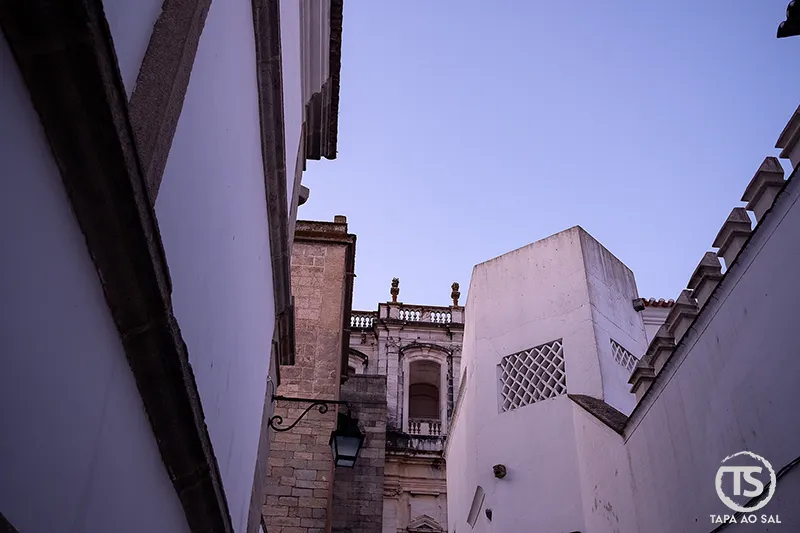
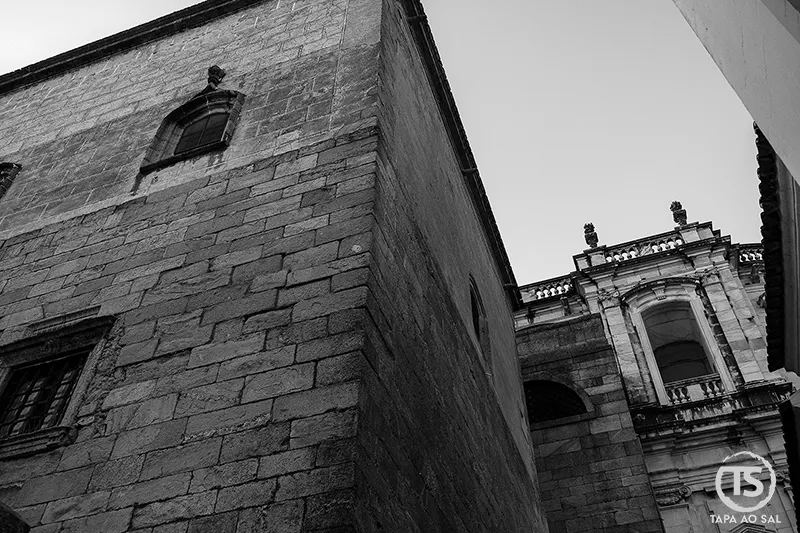
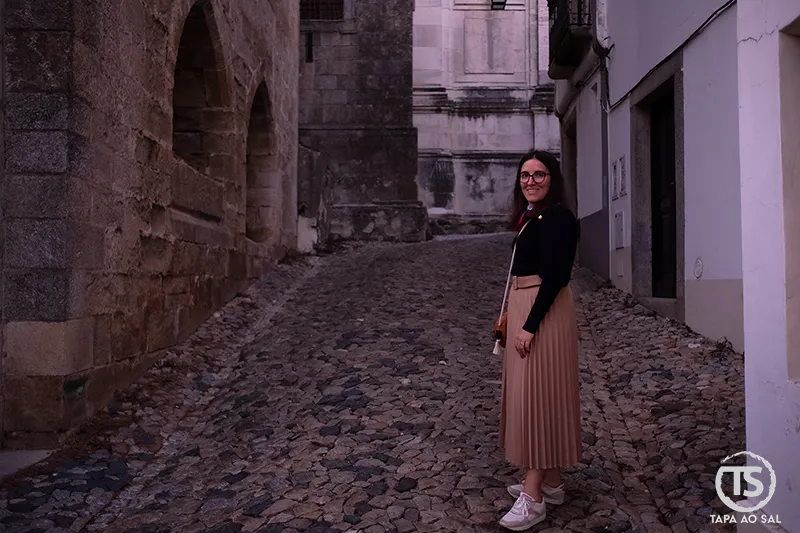
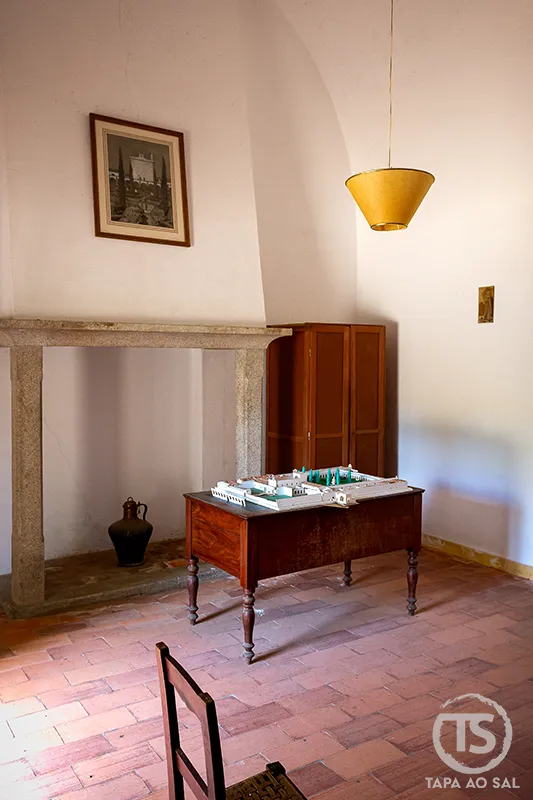
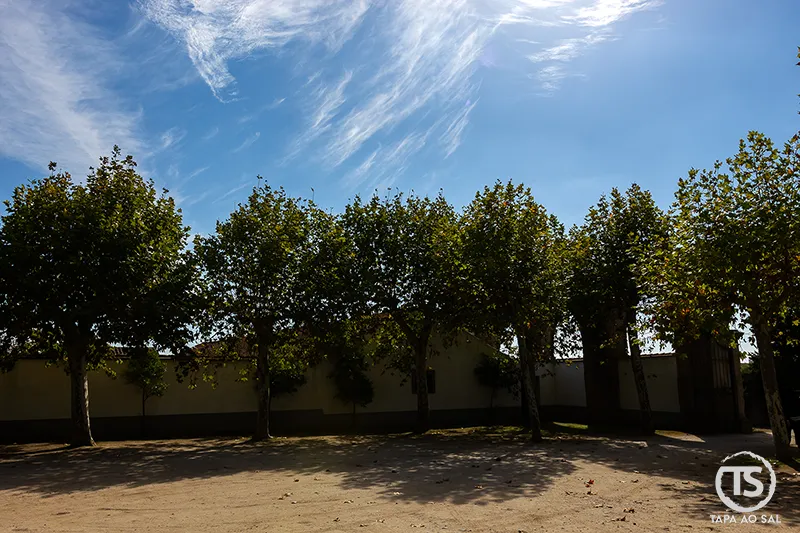
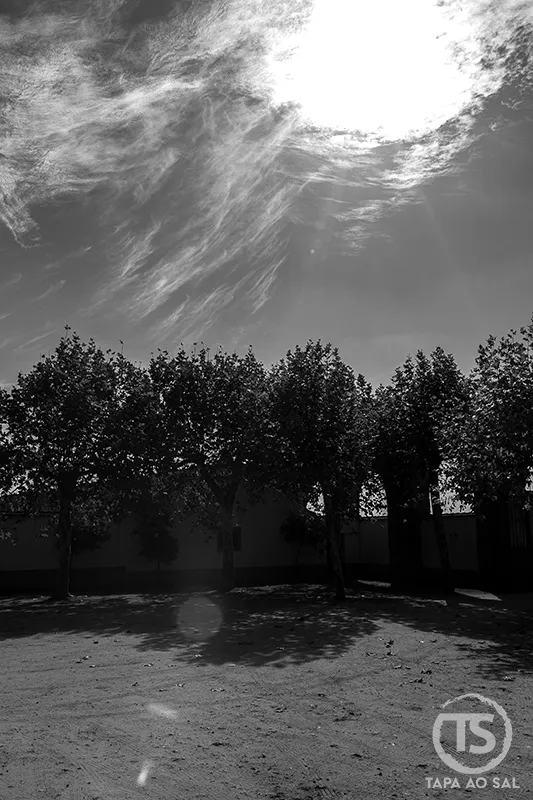
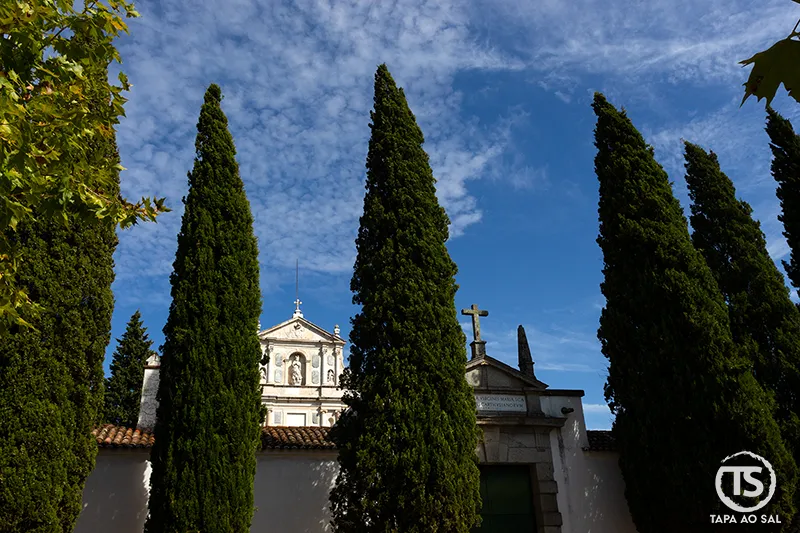
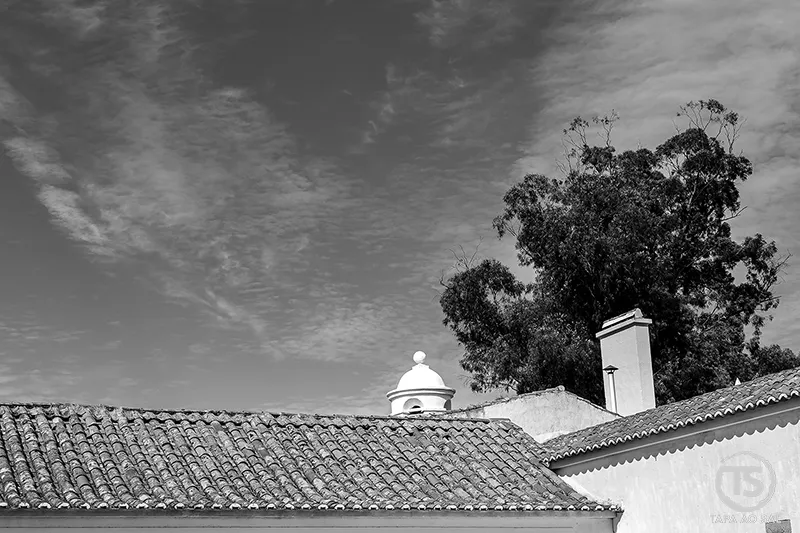
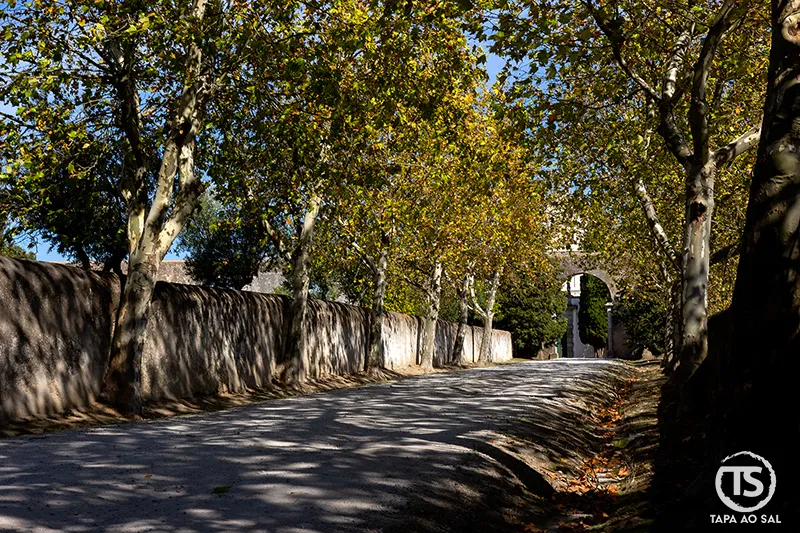
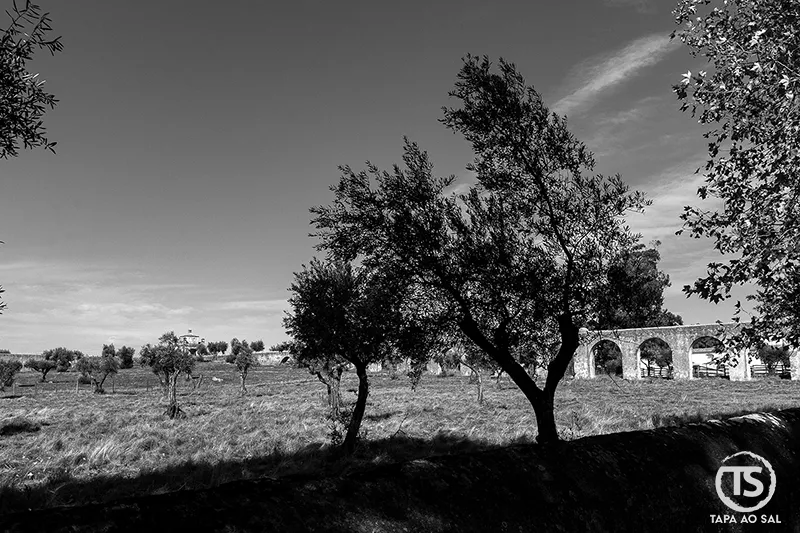
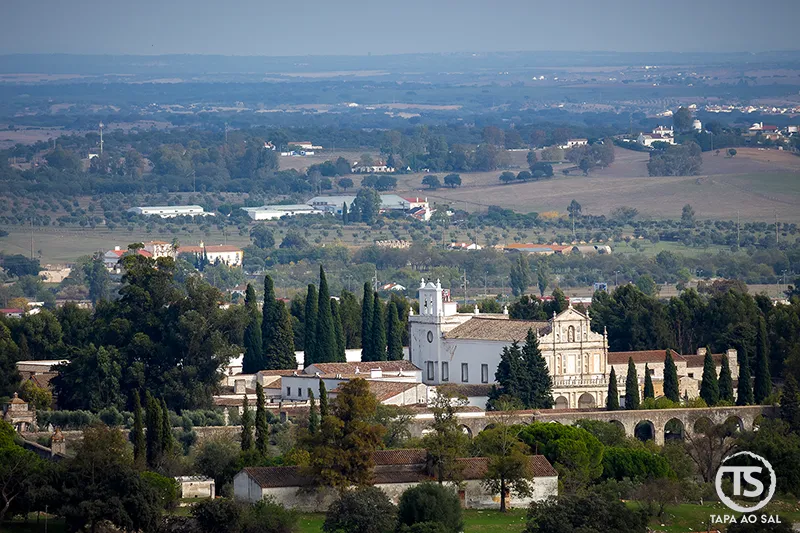
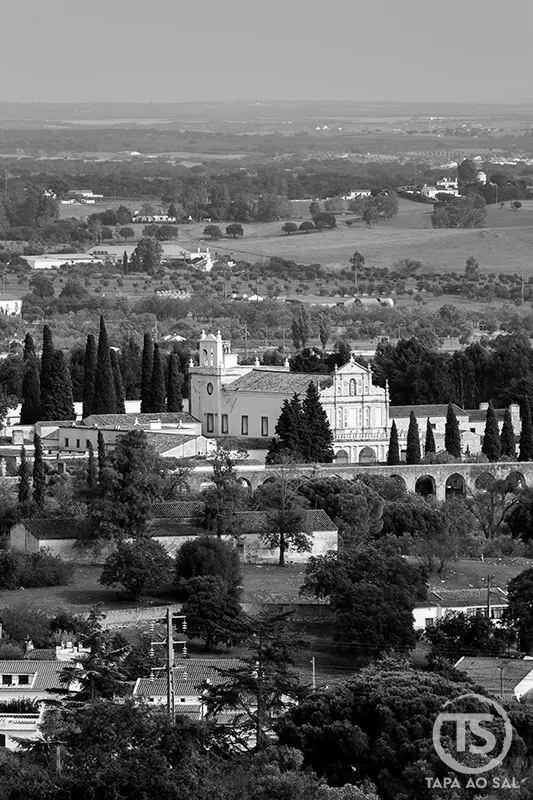
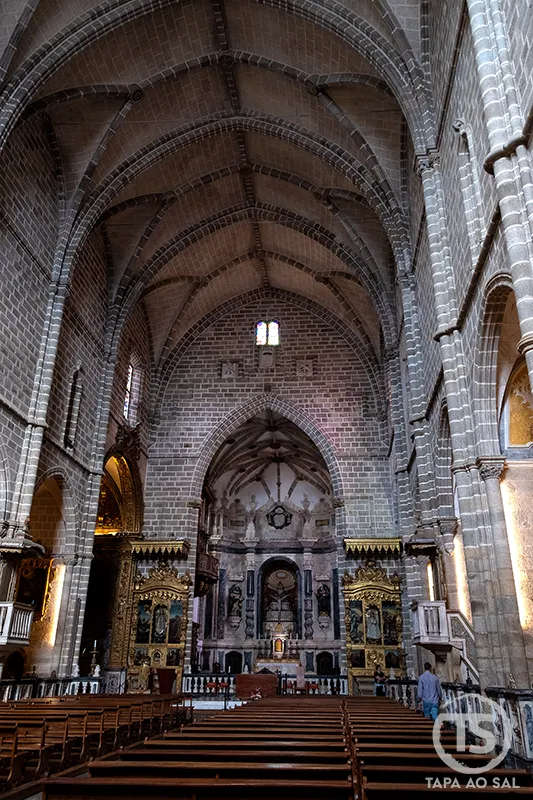
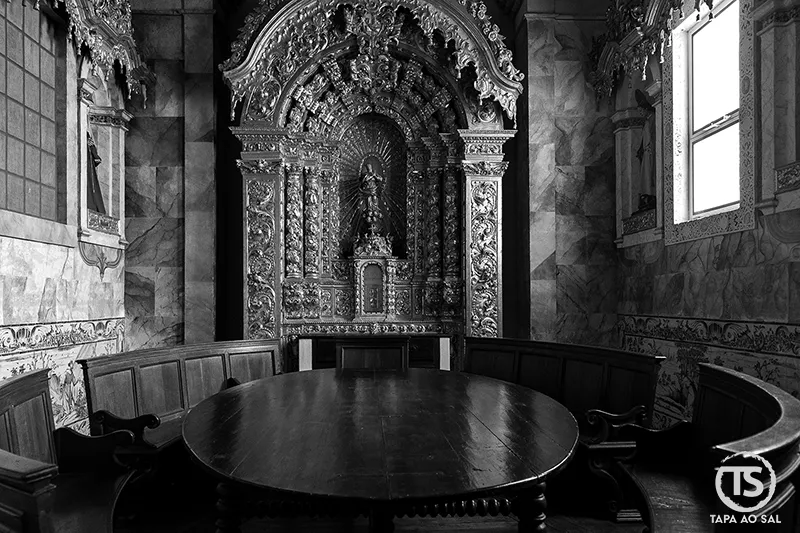
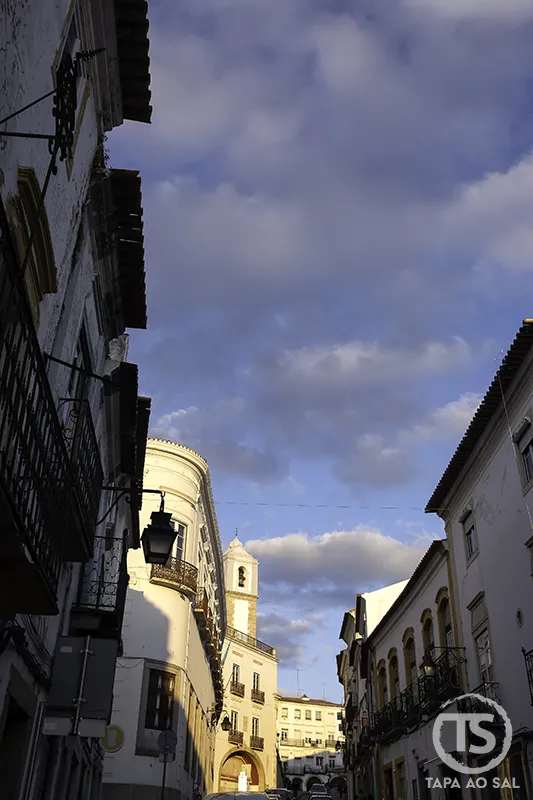
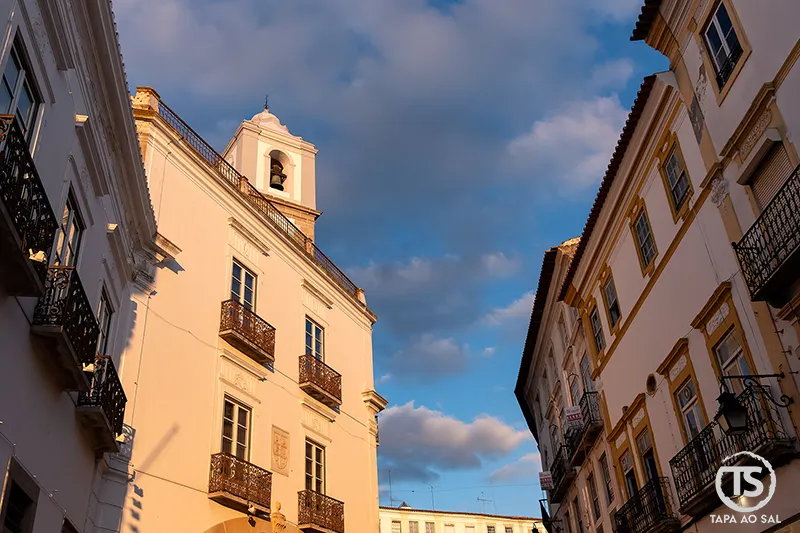
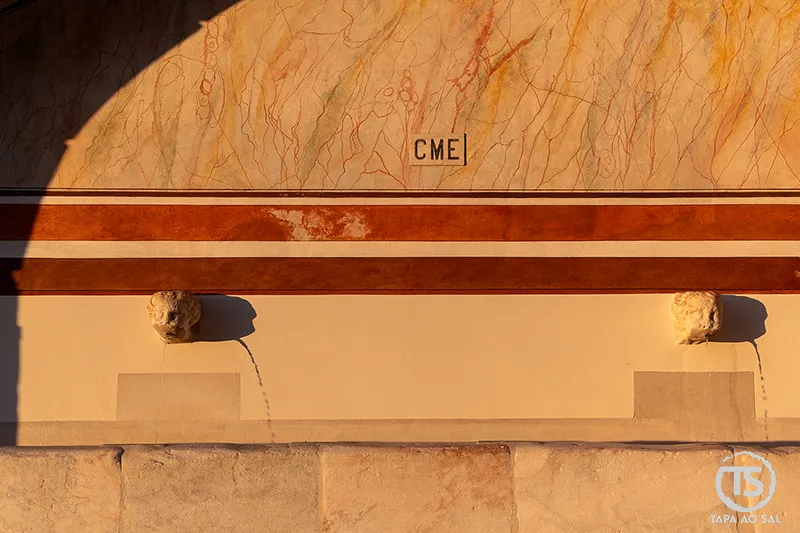
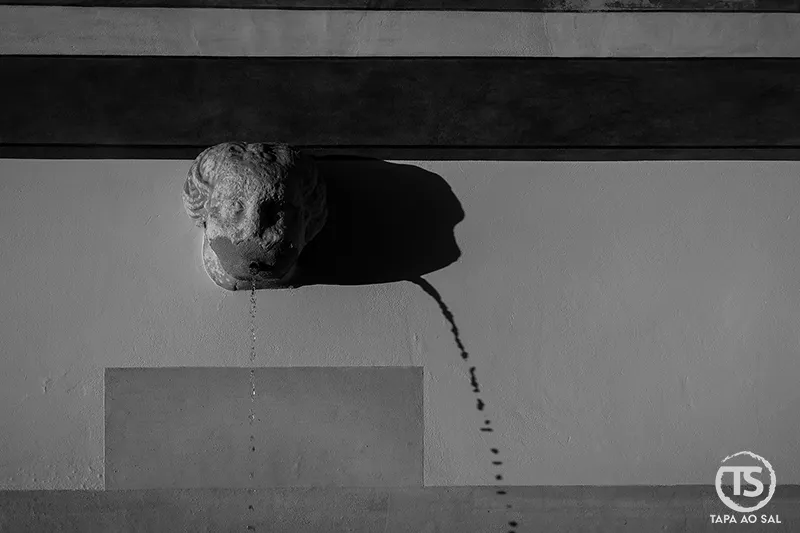
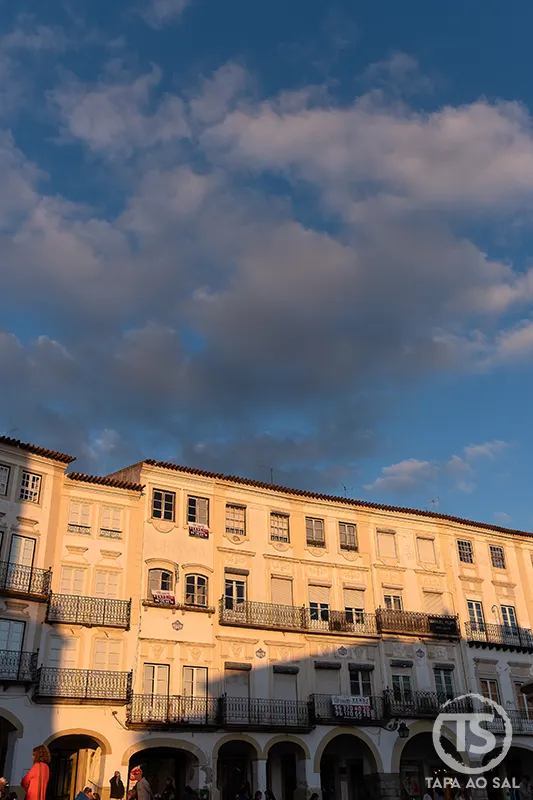
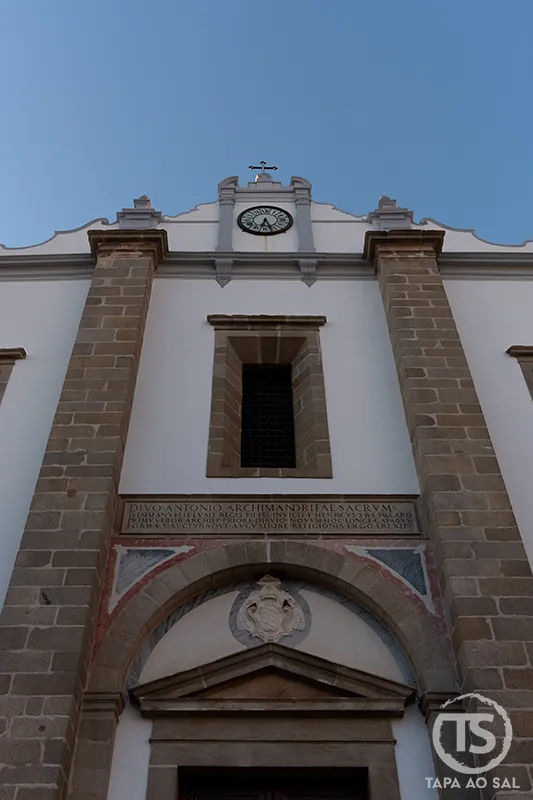
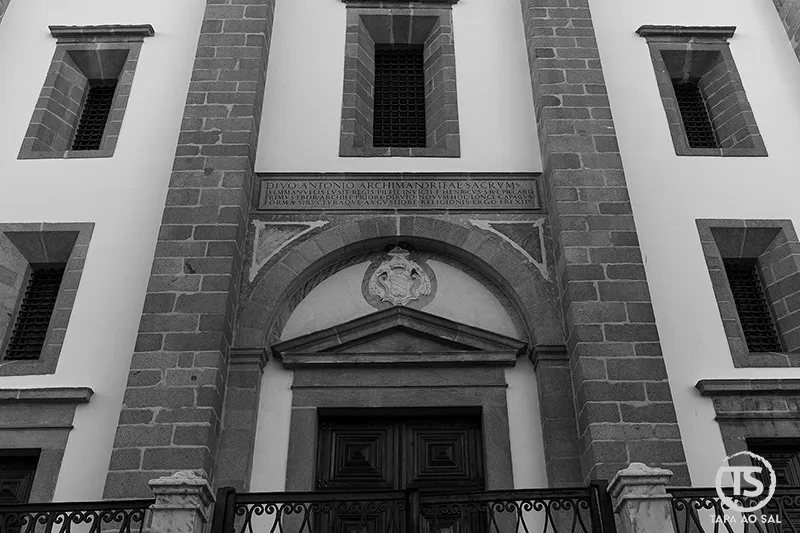
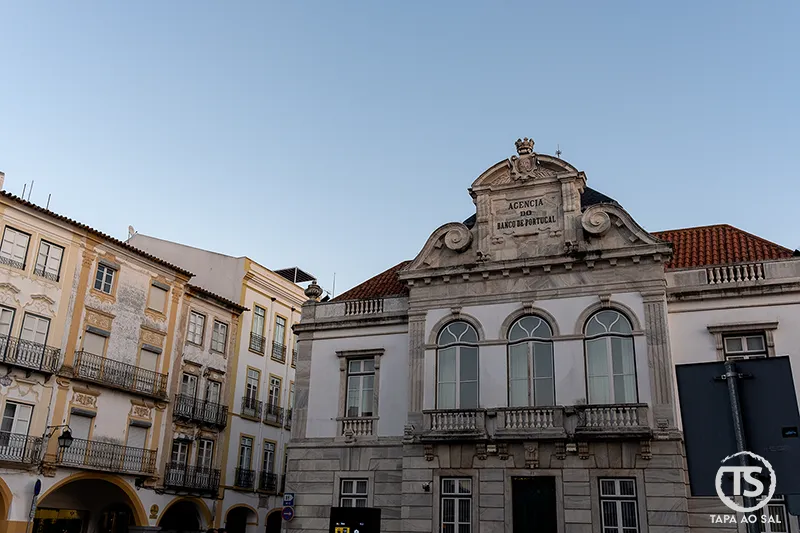
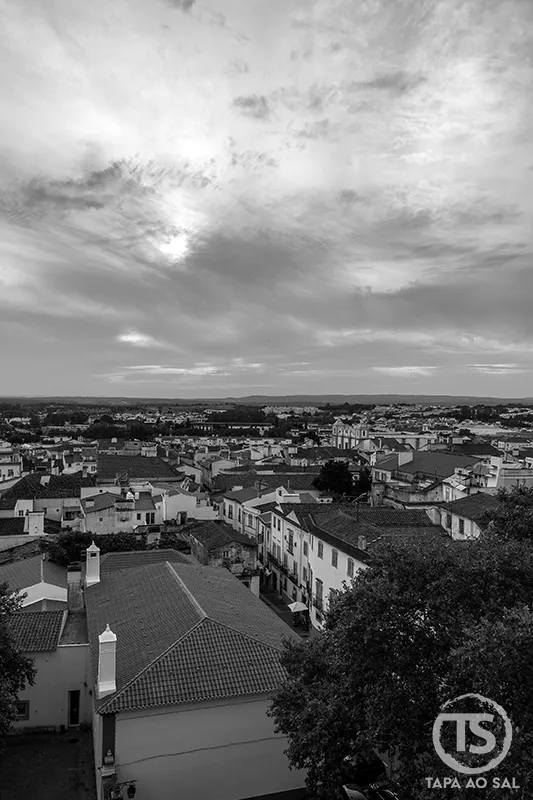
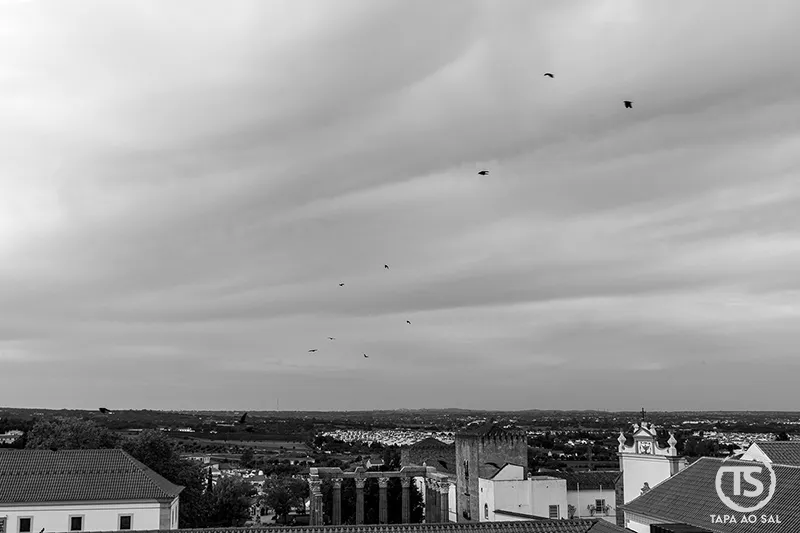
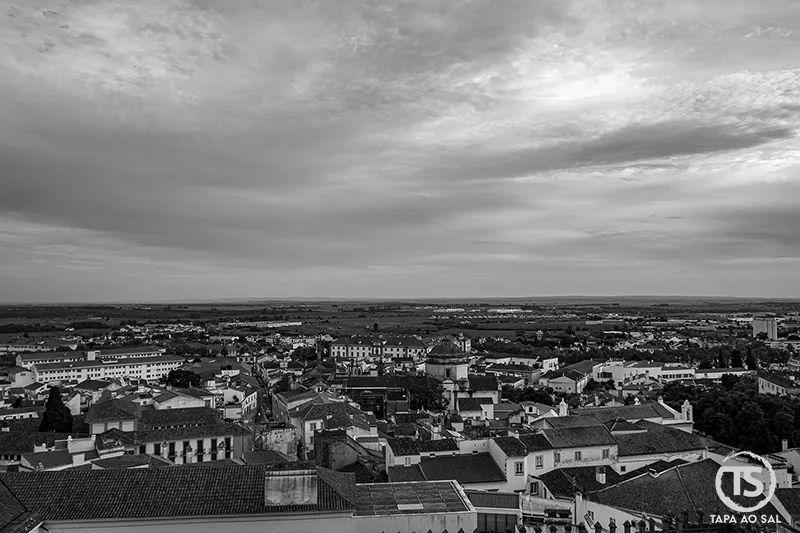
Some cities can be easily explained with words. Others reveal themselves better through images — in the details of ancient stones, in the light that crosses the streets, or in the way monuments appear unexpectedly among white houses. Évora clearly belongs to the latter.
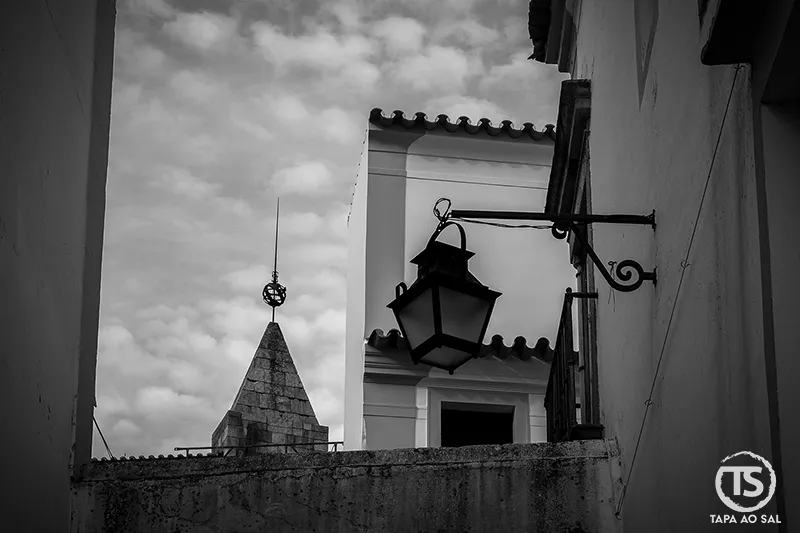
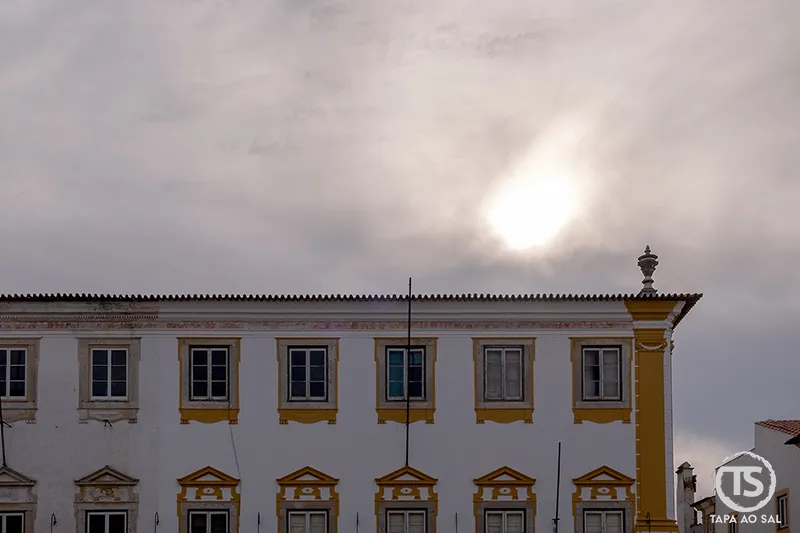
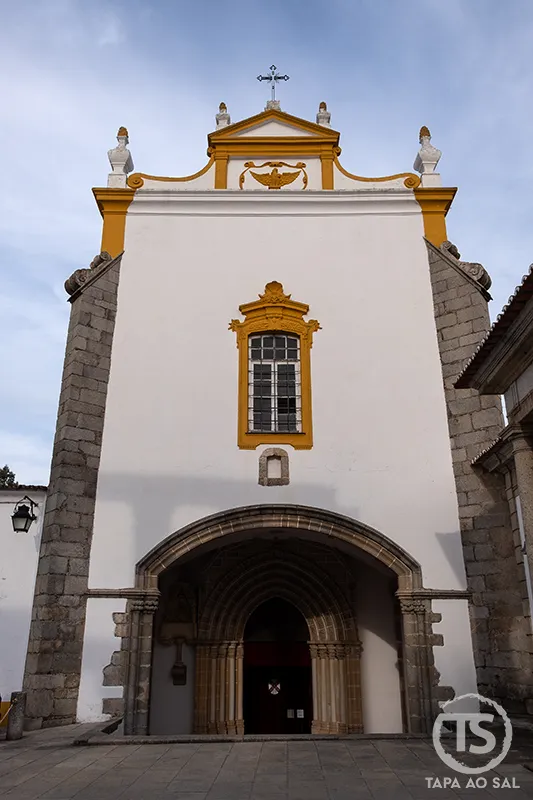
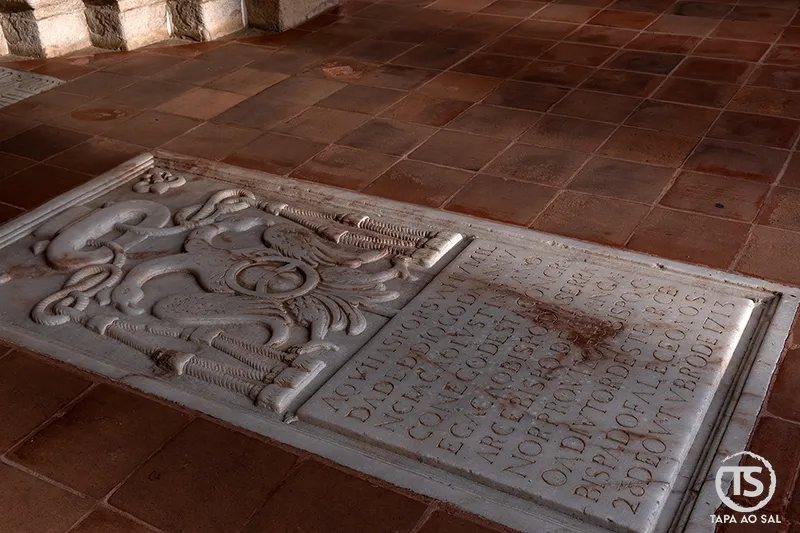
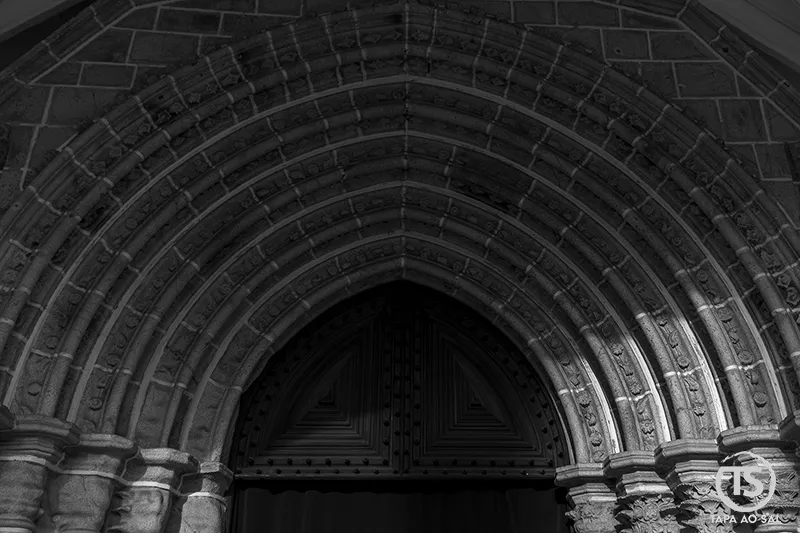
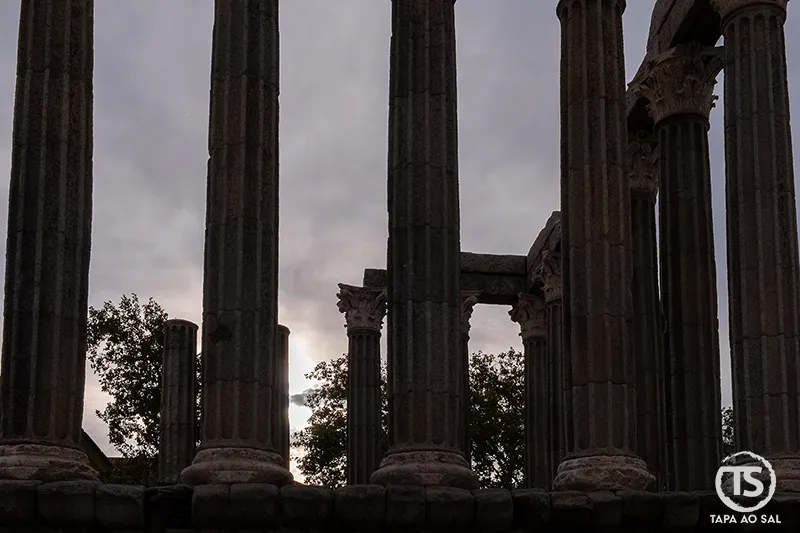
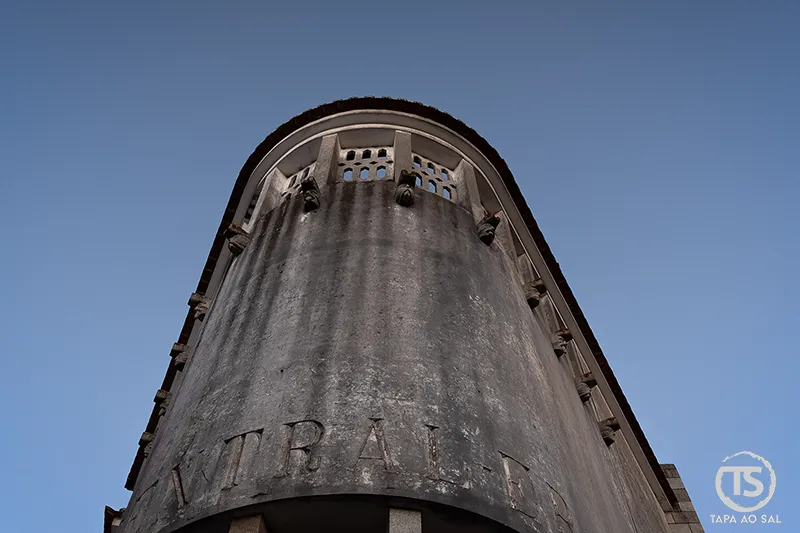
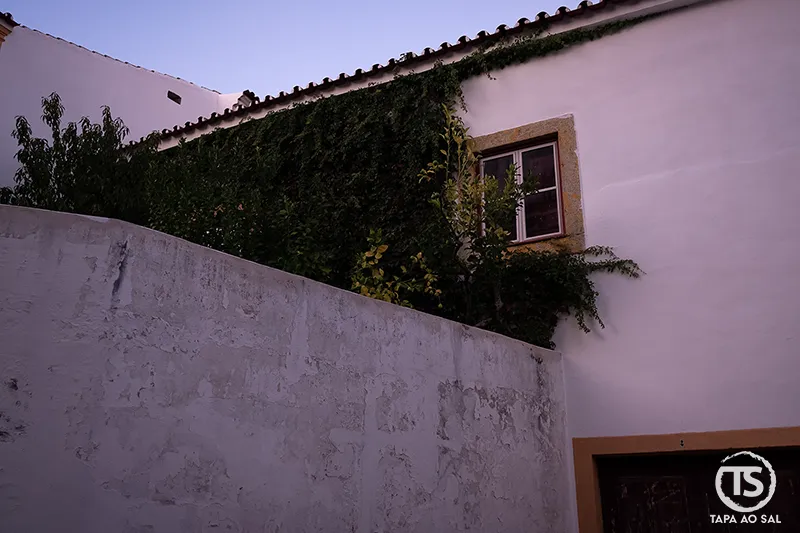
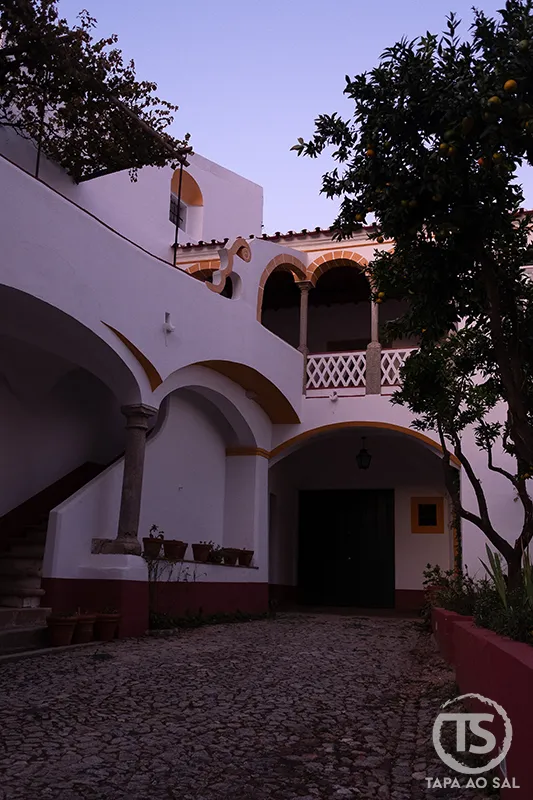
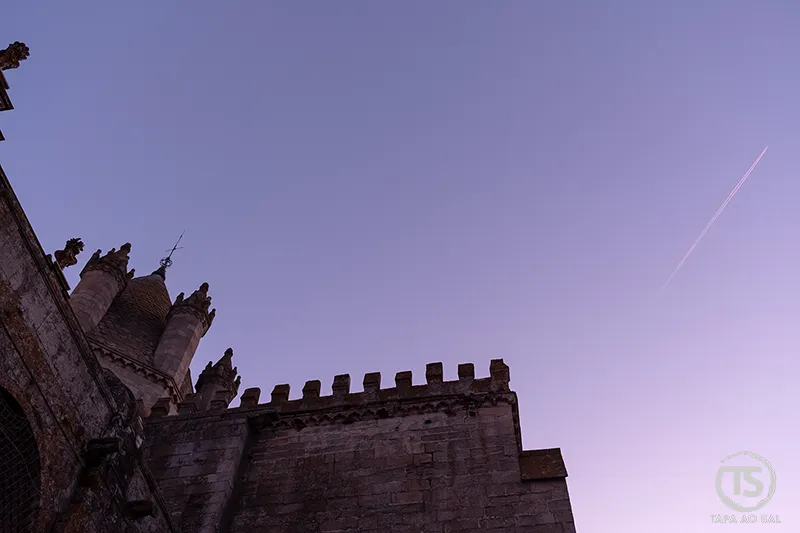
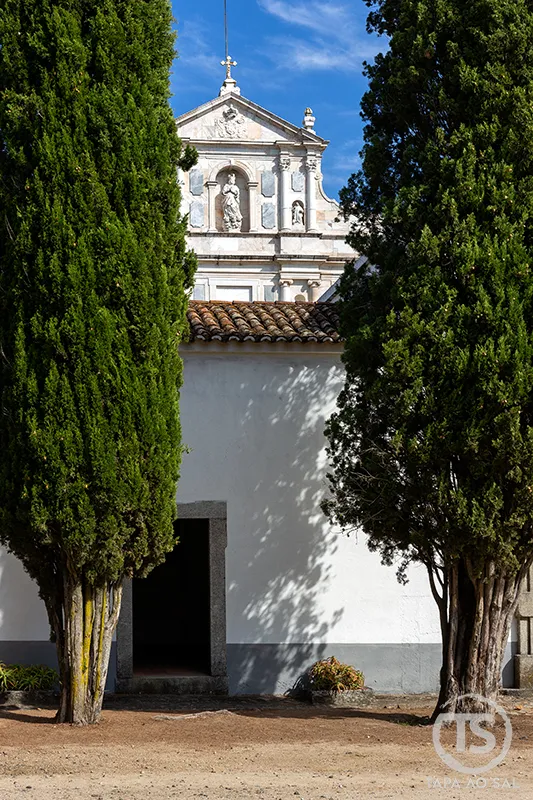
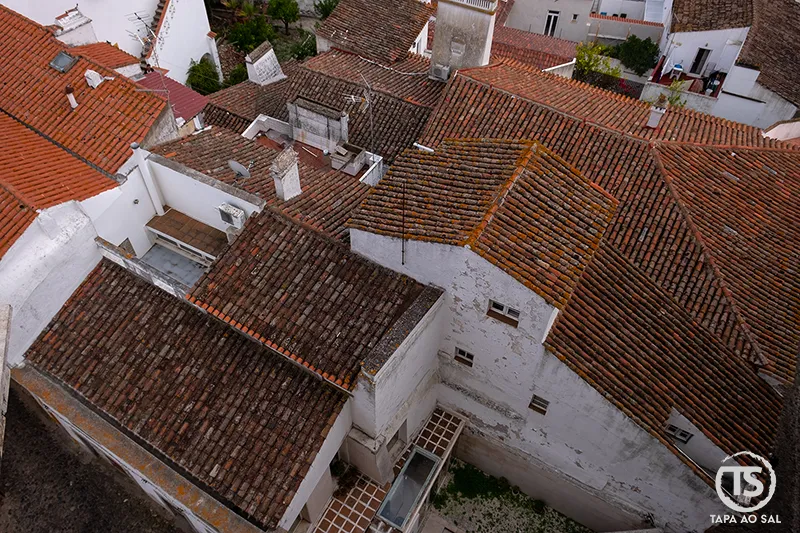
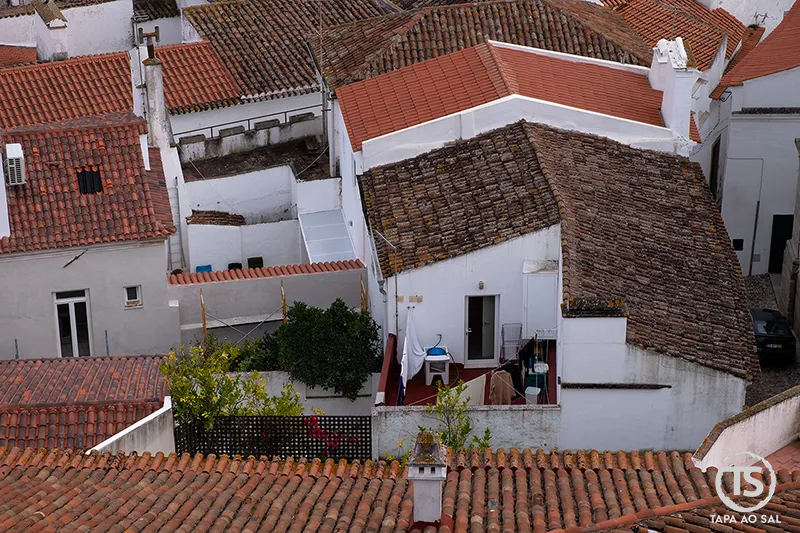
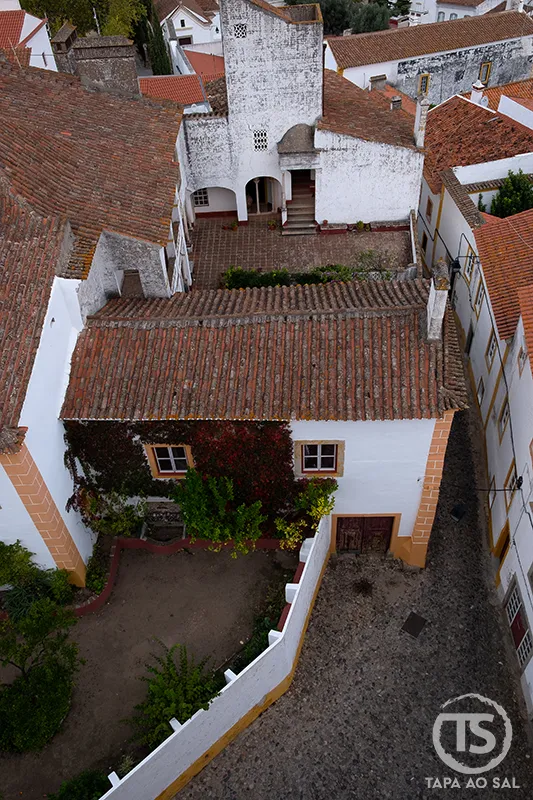
Walking through the historic centre, the city constantly offers small visual moments that stay in memory: Roman columns emerging among quiet gardens, monumental churches dominating the skyline, or narrow streets where the light of Alentejo draws soft shadows across the façades.
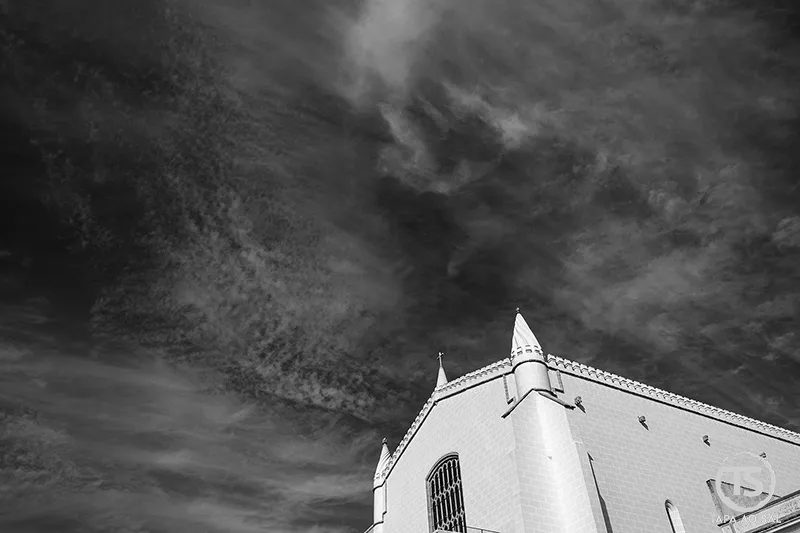
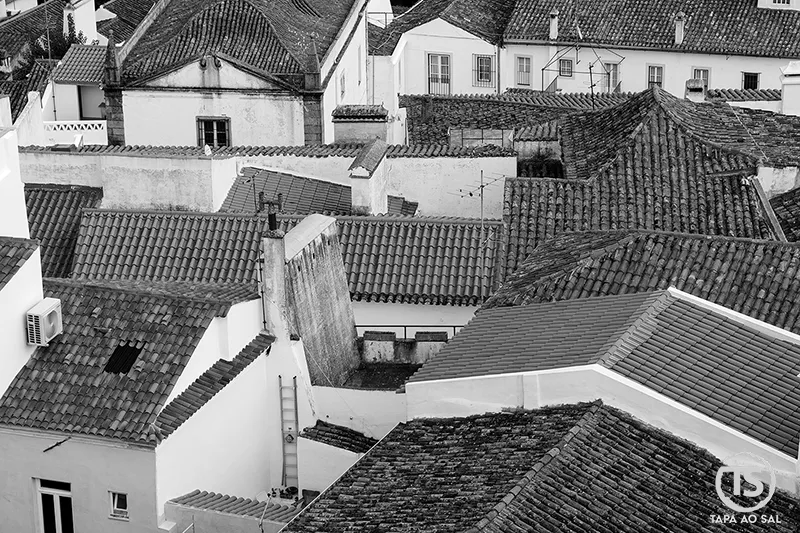
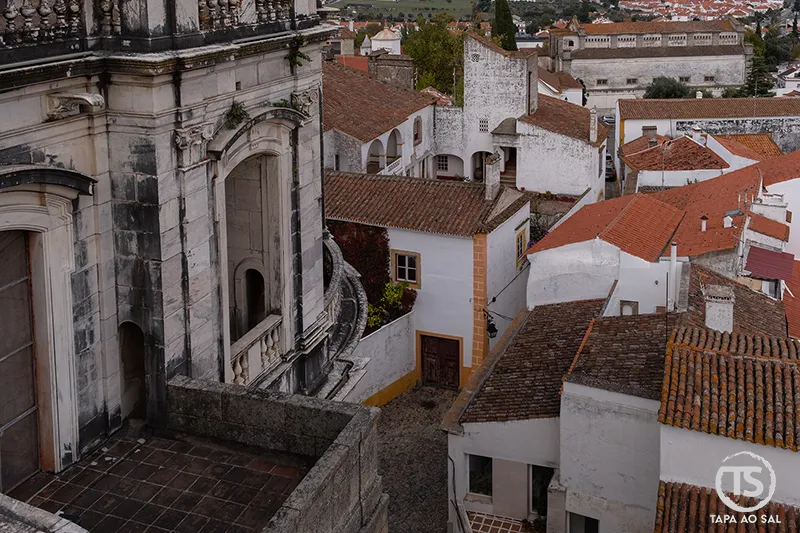
This gallery brings together some of those moments. Images of the Roman Temple of Évora, the imposing presence of Évora Cathedral, the calm life of Praça do Giraldo, and the old streets of the historic centre, where each corner reveals an unexpected architectural detail.
More than showing isolated monuments, these photographs aim to capture the atmosphere of the city — the slow rhythm, the warm light of Alentejo, and the feeling of walking through a place where history remains present in every stone.
As you explore these images, it becomes even easier to understand Évora what to visit and to see why this city continues to fascinate those who discover it for the first time. Because in Évora, often all it takes is to look up to find yet another fragment of beauty hidden within its streets.
Things to do in Évora — frequently asked questions
Those planning a visit to the city often have several practical questions: how long to stay, which monuments to prioritise, or whether it is easy to explore the historic centre on foot. We have gathered some of the most common questions to help you plan your trip and discover what to visit in Évora in a simple and organised way
What to do in Évora in one day?
In one day in Évora, it is possible to see the main monuments of the historic centre. A simple route can begin at the Roman Temple, continue to Évora Cathedral, visit the Church of São Francisco and the Chapel of Bones, and end at Praça do Giraldo. As the historic centre is compact, this route can easily be done on foot over a relaxed day
Can you visit Évora on foot?
Yes, Évora is an ideal city to explore on foot. Most monuments and points of interest are concentrated within the walls of the historic centre, allowing you to walk between them in just a few minutes. Strolling through the old streets is, in fact, one of the best ways to experience the city’s atmosphere.
How many days do you need in Évora?
One day is enough to see the main monuments and gain a good first impression of the city. However, if you have two days, you can explore Évora more slowly, visit museums, experience the local gastronomy, and also discover interesting places in the surrounding area.
What to do near Évora
Around Évora, there are several places that complement a journey through Alentejo. The Cromeleque dos Almendres is one of the most impressive megalithic sites in Europe, while Monsaraz offers one of the most beautiful historic villages in the region. Another good option is Vila Viçosa, known for its heritage linked to the House of Bragança
Is Évora worth visiting?
Yes, Évora is one of the most interesting historic cities in Portugal. Its historic centre, classified as a UNESCO World Heritage Site, brings together Roman monuments, medieval churches, and streets filled with history. In addition, the city combines heritage, gastronomy, and the calm rhythm that defines Alentejo.
Share your experience… inspire others to discover Évora
Did you feel the weight of history as you walked through the stone streets of the historic centre? The cool silence inside Évora Cathedral, the unexpected contrast of the Chapel of Bones, or the golden light that surrounds the city at the end of the day?
Évora reveals itself in layers, between Roman traces, medieval heritage, and Alentejo traditions that endure over time. It is not just a list of places to visit. It is a slow journey, where every detail — a doorway, a square, a shadow — tells part of the story.
Tell us in the comments how your experience in Évora was.
A walk through Praça do Giraldo, a visit to the Roman Temple, a quiet moment with a glass of Alentejo wine at sunset. Your perspective may help other travellers discover the city beyond the obvious.
If this guide to things to do in Évora inspired you to go — or to return — share it with those looking to explore Alentejo more slowly. A place where history, architecture, and silence coexist in a rare harmony.
Évora is not meant to be rushed. It is meant to be felt.
This article may contain affiliate links. If you make a reservation through one of these links, Tapa ao Sal may receive a small commission, at no additional cost to you.
Thank you for supporting this independent project, created with time, care, and respect for the places it explores — just like the best way to discover Évora.