
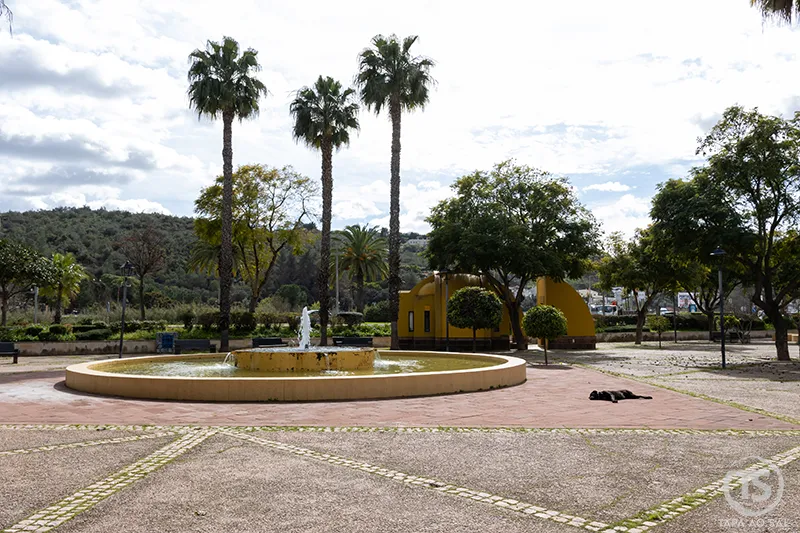

There comes a moment when the Algarve stops being only sea and cliffs. The road drifts away from the coastline, the air feels denser, and the landscape takes on a warm, almost earthy tone. It is in that instant that Silves begins to reveal itself. First the walls appear, then the firm outline of the castle above, tinted by a reddish light that seems to rise from the stone itself.
Arriving here feels like a change of rhythm. The hurried movement of the beaches gives way to sloping, quiet streets where every corner holds a cool shadow and an old memory. While trying to understand what to visit in Silves, it quickly becomes clear that the city is not defined by a single landmark — it is a place discovered slowly, by walking, observing the textures of the walls, the old doors, and the contrast between its Islamic heritage and everyday life.
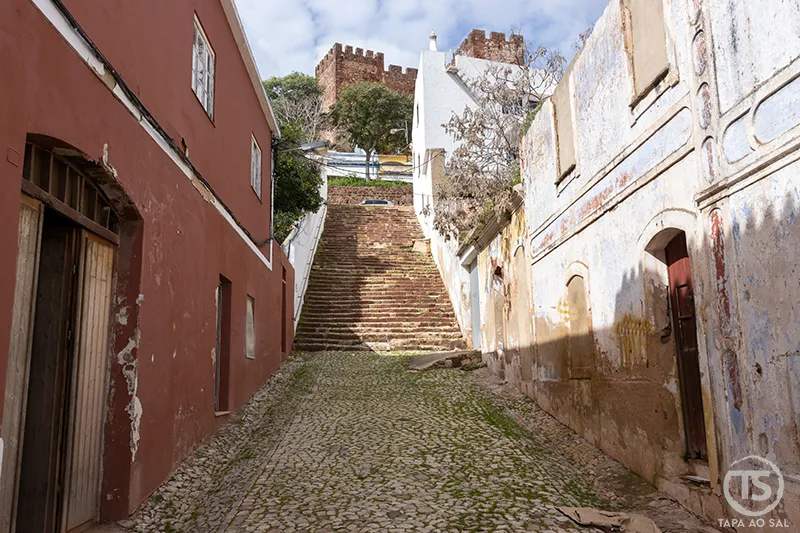
During the visit, the strongest feeling is that of encountering a different Algarve. There is none of the typical rush of seaside destinations, but rather an almost contemplative atmosphere. The clay-toned houses reflect the heat of the day and turn the light into something alive, changing intensity as the hours pass. It is easy to understand why many travellers choose to visit Silves as a pause between coast and hills, a place where history is not only found in monuments, but in the very silence of its streets.
This guide emerges precisely from that experience. Not merely as a list of places, but as a path that follows the natural rhythm of the city. Throughout the next sections, the route moves along the walls, through the historic centre and across open views of the inland Algarve, always with the sense that each step reveals a different layer of Silves — a city that is felt more than it is described.
Where it is located and how to plan your visit
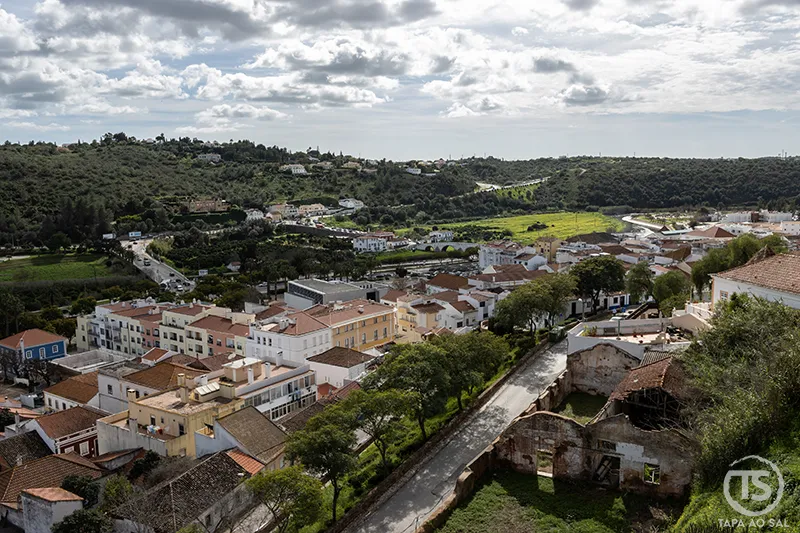
Silves appears almost like a natural pause between the lively coastline and the quieter inland Algarve. The city rises above the river Arade, protected by walls that seem to absorb the heat of the day and return it in warm tones at sunset. For those trying to understand what to visit in Silves, first understanding its location helps set the rhythm of the experience: this is not a place to arrive in a rush, but to arrive ready to walk.
The scale of the town surprises. Everything feels close, accessible, almost intimate. It only takes climbing a few sloping streets to realise that the visit unfolds step by step, between cool shadows and open views across the valley. It is a city that invites you to leave the car behind and continue on foot, allowing the path itself to reveal the stories hidden in the stone.
How to reach Silves and where to park in Silves
Reaching Silves is simple, especially for those already travelling through the Algarve by car. The road approaches the city slowly and, even before entering the historic centre, the castle begins to dominate the horizon. For travellers planning to explore several places across the region, renting a car remains one of the most practical ways to move around, particularly if the visit is part of a wider journey through the south of the country.
If you’re planning to explore Portugal by car, discover our complete guide about renting a car in Portugal before you travel.
Once you arrive, the best strategy is to park in the lower parts of the city, near the river or along the main avenues. From there, the experience takes on a different dimension. The narrow, sloping streets are not meant for long motorised distances, but for calm, almost contemplative steps.
Imagine a simple mental map: the river Arade marks the starting point, the castle acts as a visual beacon above, and the historic centre unfolds in layers between them. Walking along this axis makes orientation effortless and allows many of the most memorable places to visit in Silves to appear naturally along the way.
Best time of day to visit Silves and how long to stay
Silves does not demand haste. A full morning or afternoon is enough to explore the main highlights, but the true charm reveals itself when time slows down. As the visit unfolds, it becomes clear that the city changes with the light: in the morning the streets feel brighter and quieter; in the afternoon the stone warms and the clay tones grow more intense.
It was at sunset that the city revealed its essence. The light descended slowly over the walls, casting long shadows that emphasised every detail of the Islamic architecture. The air felt lighter, and the streets, once warm, invited you to stay a little longer. It is in that moment that many travellers realise that discovering Silves is not only about places, but about rhythm — allowing the day to end while the city returns to the silence that defines it.
Planning the visit therefore means accepting this cadence. Arrive early to explore calmly, set aside time to climb up to the castle and, if possible, stay until the golden light transforms the entire landscape. It is an end of day that connects naturally to the next discoveries in the article, where history and the walls begin to guide the journey.
Interactive map of Silves — understanding the old town and main sights
Before beginning the climb through the sloping streets, it is worth observing Silves from a broader perspective. An interactive map helps you quickly understand the relationship between the river, the historic centre and the castle, allowing you to see how the main points connect naturally with one another. While exploring Silves, this overview becomes almost a silent guide, helping organise the day without losing the spontaneity of the walk.
In this map you will find the most remarkable places in the city and its surroundings, organised in a practical way to make orientation easier. From cultural and historical landmarks to viewpoints and suggestions that appear along the route, everything is designed to help adjust the rhythm of the visit and better understand real distances — something that is not always obvious when looking only at the walls on the horizon.
Use it as a complement to the guide: to decide where to begin, save references for later, or simply follow your path while discovering what to visit in Silves at your own pace.
Click the top-right corner of the map to open it in full screen and explore each point in more detail.
Islamic heritage and the city within the walls
There are cities that tell their story through museums. Silves tells it through its walls, through the curves of its streets, and through the way light clings to the stone. Walking through the historic centre, it becomes clear that the city was not designed merely to be observed; it was built to protect, to watch, and to survive the passing of time. The walls are not just scenery; they are a living memory of an Islamic past that can still be felt today in the slow rhythm of the streets and the discreet geometry of the façades.
While trying to understand Silves, it becomes impossible to separate the experience from its cultural heritage. Every climb reveals a fragment of that past, not as a history lesson, but as an atmosphere you breathe in. The city holds a distinct identity, where silence seems to carry more weight than any written explanation.
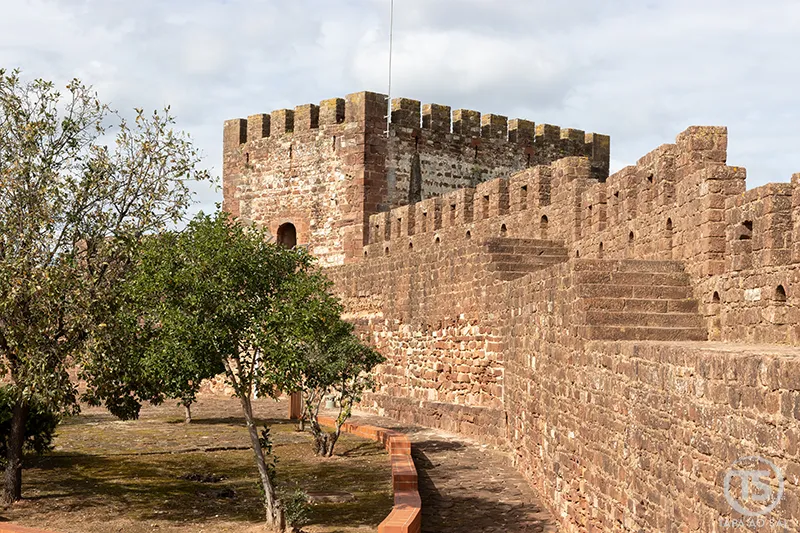
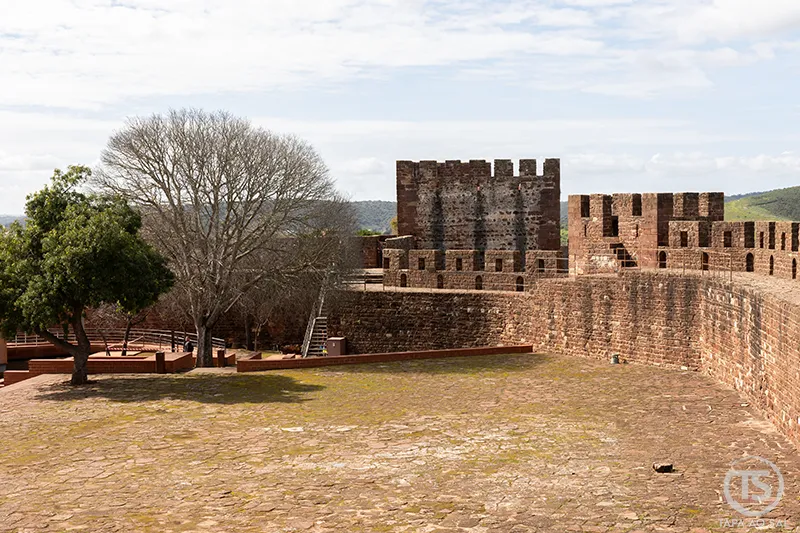
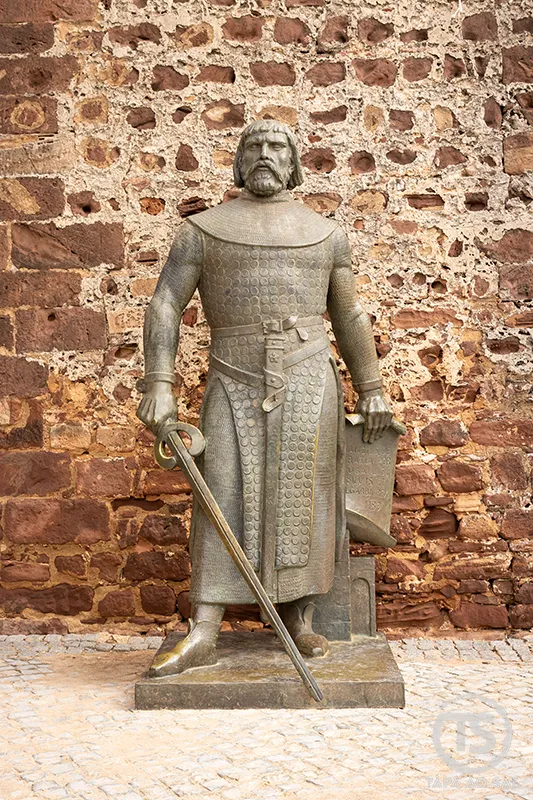
Islamic architecture in Silves and its historic identity
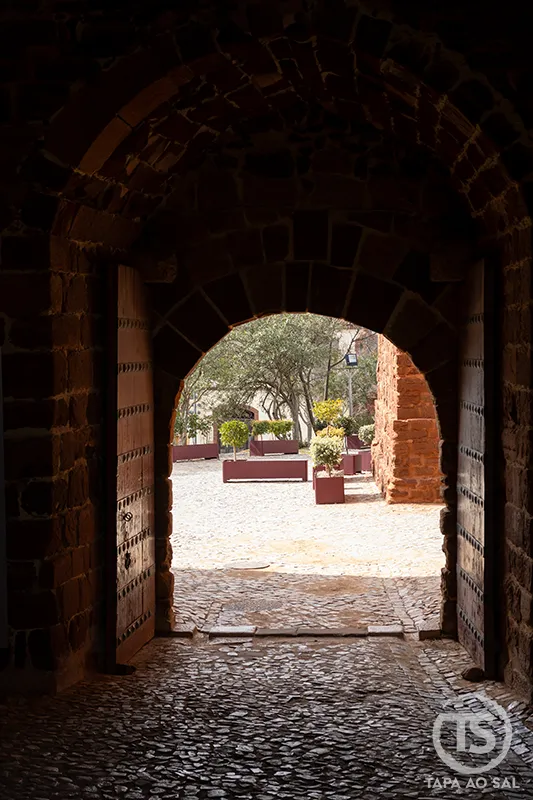
The Islamic presence in Silves does not reveal itself only through its most well-known monuments. It lives in the narrow streets that wind uphill, in the small corners that appear without warning, and in the way the city adapts to the landscape. Islamic architecture in Silves is expressed mainly through spatial logic: pathways that protect from the wind, thick walls that preserve coolness, and small windows that filter the intense southern light.
During the visit, the feeling is that of walking within a living structure. The streets seem to guide you naturally towards viewpoints, as if each curve had been designed to frame the Arade valley. There is no need to know dates or dynasties to recognise this heritage. It is enough to observe how the city unfolds in layers, always turned inward, almost reserved.
There is a curious contrast between the grandeur of the castle and the simplicity of the houses. This balance reveals a city that was once the Islamic capital of the Algarve and that, despite centuries of transformation, has preserved its essence. It is this quiet continuity that gives meaning to the journey and prepares the reader for the tangible places that appear in the next parts of the guide.
Why Silves carries tones of clay and fire
In Silves, colour is not a detail; it is a constant presence. The walls seem to absorb the heat of the day and return it in warm tones that shift with every hour. In the late afternoon, as the light begins to fall slowly, the red of the stone deepens and transforms the entire city into an almost unreal landscape.
During the walk, there are moments when the silence becomes so intense that only footsteps echo against the cobblestones. The warm air blends with the scent of dry earth, and shadows stretch across the walls as if following the passage of time. It is then that one understands why many travellers associate Silves with an almost Mediterranean feeling, where history merges with the very texture of the place.
These tones of clay and fire do not come only from the architecture. They also result from the way the sun moves across the city throughout the day. In the morning, the light is gentle and reveals the details of ancient stones; in the afternoon, everything intensifies; and at sunset, the walls seem to come alive. It is a slow, almost imperceptible transformation that reinforces the idea that discovering Silves is as much about observing the light as it is about visiting monuments.
As the walk continues through the historic centre, the city stops being just an old setting and becomes a complete sensory experience — a direct connection between past and present that continues to guide the narrative of the guide.
Things to do in Silves: an authorial route through the old town
There comes a moment when the map stops making sense and the city’s own terrain begins to guide each step. This is the heart of the guide for those wondering what to visit in Silves — a route that unfolds slowly, climbing through sloping streets towards the highest point of the town, always with the castle shaping the horizon.
Here, there is no rigid line separating monuments. Each stop grows naturally from the previous one, as if the city itself were guiding the visitor through successive layers of history. The route begins near the walls and gradually reveals churches, quiet viewpoints and traces that speak of the long Islamic presence in Silves.
Silves Castle and views over the inland Algarve
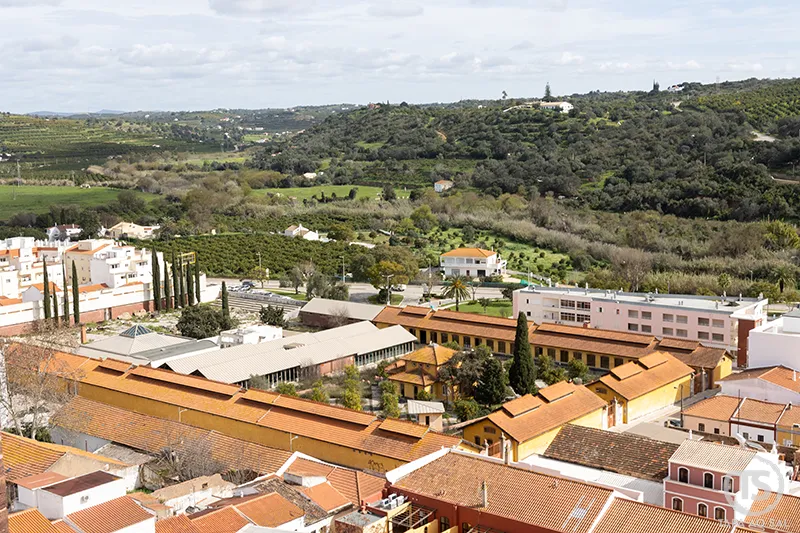
The climb towards Castelo de Silves happens almost without noticing. First come a few narrow steps, then a tighter curve, and suddenly the wall rises in full presence, dominating the Arade valley. Up above, the silence feels different — wider, more open — as if the wind carried distant echoes.
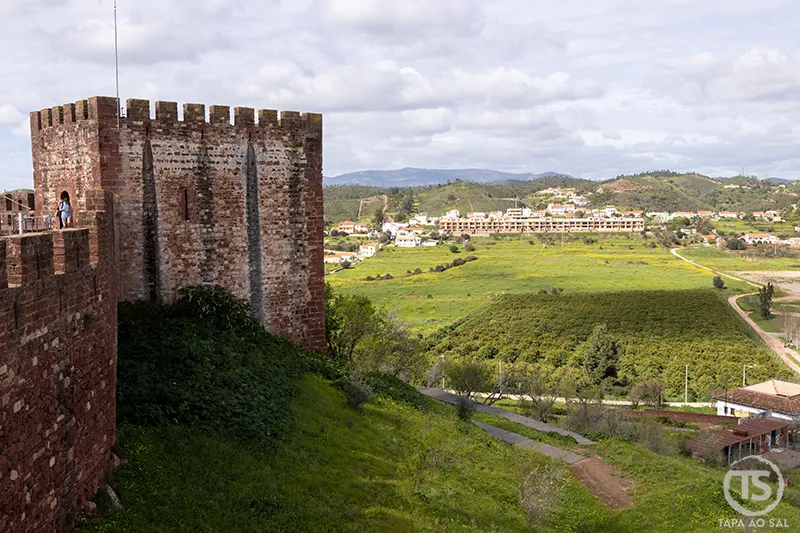
Walking along the towers reveals the true scale of the city. The inland Algarve stretches out in soft tones, contrasting with the intense red of the stone. It is one of those places where time slows naturally, and where every glance finds a new perspective across the landscape.
For those who wish to deepen their historical understanding of the space, a guided visit dedicated to the former Islamic capital of the Algarve can add invisible layers to the experience. It does not replace personal discovery, but it helps uncover details that easily go unnoticed among the walls.
Silves Cathedral and the contrast between eras
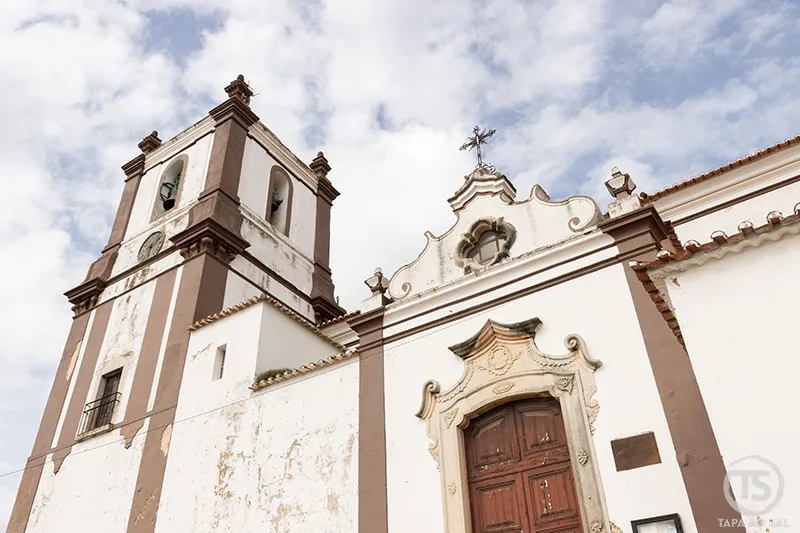
Descending from the castle, the presence of Sé de Silves appears almost unexpectedly. The pale stone of the façade creates an immediate contrast with the warm tones of the walls, as if two different eras met within the same space. This is one of the places where the city reveals the transformation that followed the Christian Reconquest, reshaping the urban landscape without fully erasing the past.
Inside, the silence gains another depth. Light enters softly filtered, drawing gentle shadows that follow the slow rhythm of the visit. There is no need to stay long to feel the historical transition that happened here — observing the details is enough to let the contrast between styles tell its own story.
Silves old town streets and natural viewpoints
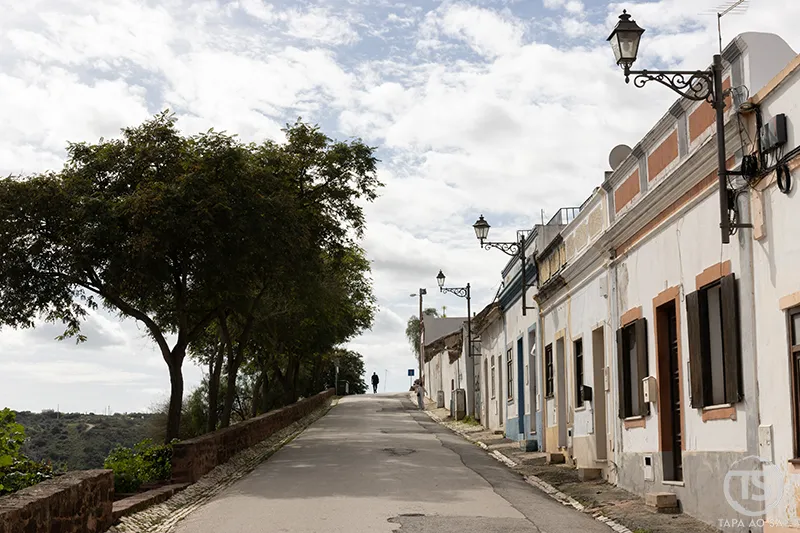
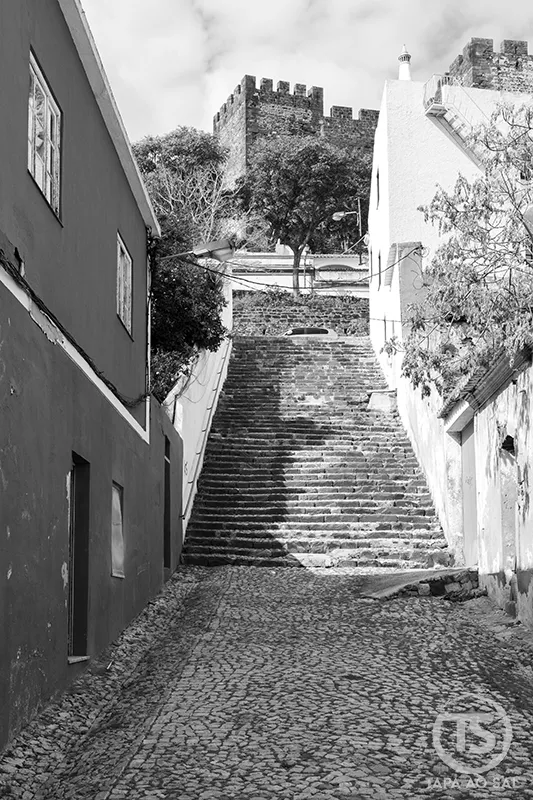
It is in the sloping streets that Silves reveals its true human scale. Low houses, old doors and small balconies create an almost intimate atmosphere where each step opens a new frame of the city. The walk becomes a sequence of spontaneous viewpoints: an open corner overlooking the valley, a staircase leading to an unexpected view, a quiet spot where the shade feels like protection from the heat of the day.
During the visit, there were moments when the sound of footsteps on the cobblestones was the only noise present. The heat stored in the walls released an almost tactile sensation, while the light reflected in clay tones created an immersive atmosphere. It is at this slower rhythm that one truly understands what it means to visit Silves — not merely as a list of places, but as a lived path.
Silves Municipal Museum and archaeological traces
Before ending the route through the historic centre, Municipal Museum offers a more introspective pause. Here, history is no longer only present in the streets but takes shape through objects and archaeological remains that help reveal the Islamic importance of the city.
The pieces on display show fragments of an ancient everyday life — ceramics, defensive structures and elements that help reconstruct life within the walls. Even for those who prefer open-air exploration, this stop adds context and prepares the eye to notice the details that remain embedded in the city.
As you leave, the feeling is that of having walked through a continuous narrative. The castle, the Sé, the streets and the museum do not appear as isolated points, but as parts of the same story revealed step by step, guiding the journey naturally towards the experiences and extensions that continue to shape the map of Silves in the next sections.
Experiences in Silves that deepen the visit
After walking along the walls, climbing to the castle and allowing the historic centre to reveal its quieter details, the desire to see Silves from new perspectives naturally emerges. This is a city that goes beyond its monuments. The river, the land and the surrounding landscape offer different ways of experiencing the place, extending the discovery beyond the sloping streets.
For those seeking more than simply observing Silves, certain experiences help reveal the rhythm of the inland Algarve. They are not interruptions to the journey, but natural extensions of what already begins to unfold while walking through the city.
Boat trip along the river Arade in Silves
Seen from the height of the walls, the line of the river Arade appears calm and distant. Yet as you move closer to the water, the perspective changes completely. A boat journey through the history and nature of Silves allows you to observe the city from below, revealing the strategic importance the river has always held in local life.
The slow movement of the boat creates a contrast with the warmth of the stone streets. The landscape opens in silence, with green banks softening the warm tones of the city in the distance. It is an experience particularly meaningful for those who enjoy understanding how territory shapes history — a different way to connect with the path described in this guide, looking once more towards the castle, but now from the level of the water.
Wine tastings near Silves and inland Algarve tradition
Far from the busiest beaches, the Algarve preserves an agricultural tradition that remains alive in the small farms and vineyards of the region. Taking part in a visit and tasting of classic wines in Silves is not only a gastronomic activity; it is a way to understand the balance between climate, land and local culture.
During the experience, the flavours reflect the identity of a calmer inland Algarve, more connected to the rhythm of the seasons. The relaxed atmosphere invites you to slow down, to talk, and to observe the landscape through a different lens. For those who have already explored the historic centre, this becomes a natural continuation of the visit, adding a sensory layer that complements the city’s story.
Exploring Silves with a local guide
There are moments when the city seems to hold invisible stories. A local guide can transform seemingly simple details into deeper narratives, connecting the Islamic past with the transformations that followed. Walking with someone who knows the streets as if they were chapters of a book opens new ways of reading the urban space.
This option is particularly meaningful for those who wish to deepen historical context without losing the sensory experience of the walk. Rather than replacing personal discovery, it acts as an additional lens — a way to better understand what has already been felt while climbing towards the castle, crossing the Sé or watching shadows stretch across the walls at sunset.
In the end, it becomes clear that exploring Silves goes beyond the places marked on a map. These experiences become part of the journey’s narrative itself, extending the city’s calm rhythm and creating new memories that continue to echo long after leaving the walls behind.
Onde ficar em Silves: alojamentos com identidade
Staying in Silves is not just about choosing a place to sleep. It is about extending the slow rhythm of the city after the streets grow quiet and the light fades from the walls. As night falls, the sound softens and the town gains a tranquillity that is difficult to find along the more coastal areas of the Algarve. Sleeping here allows you to feel that shift — the moment when the heat of the stone fades and silence returns to fill the space.
For those who wish to experience Silves with time and calm, choosing accommodation within the city itself transforms the visit. There is no rush to return to the car or continue the journey; simply stepping outside is enough to let the atmosphere guide your steps.
Casa Riad Yasmin
Casa Riad Yasmin feels as if it emerges directly from the city’s Islamic heritage. The interior atmosphere evokes quiet courtyards, cool shadows and an architecture that values intimacy. The sensation is that of entering a space protected from the outside world, where time slows naturally.
At the end of the day, when the streets grow quieter, returning to a place like this creates a sense of continuity with the experience of the historic centre. Soft colours and decorative details reinforce the identity of Silves, turning the stay into part of the journey itself.
Mosaiko 5 Suites
Mosaiko 5 Suites blends modernity with the calm atmosphere of the inland Algarve. Contemporary lines coexist with elements that reflect the city’s history, creating a balance between comfort and authenticity. It feels like a space designed for those who arrive after a day of walking and seek only silence and rest.
During the night, the city seems almost suspended in time, and this type of accommodation allows you to observe that transformation slowly. Its proximity to the historic centre makes for unhurried returns, allowing the experience of visiting Silves to continue even after the last viewpoint of the day.
Silves History Guest House
As the name suggests, Silves History Guest House draws close to the city’s historical identity. The discreet decoration and welcoming atmosphere create a familiar feeling, almost as if it were a natural extension of the old streets left behind.
Here, the stay becomes a pause between chapters of the journey. Waking early, the light enters slowly and reveals once again the warm tones of the exterior walls, a reminder that the city is still there, ready to be rediscovered. It is an appealing choice for those who wish to remain within the historical narrative while exploring Silves at their own pace.
Sleeping in Silves means embracing the calm cadence of the inland Algarve. Between quiet courtyards, cool shadows and the constant presence of the walls, these accommodations become more than a place to stay — they become part of the city’s experience itself, preparing the visitor to continue the discovery in the next sections of the guide.
Discover more places to stay in the region
If you prefer to explore other accommodation options, there are many welcoming stays available nearby. From countryside houses to hotels close to the coast, you can find some of the best places to stay near this destination on Booking.
Where to eat in Silves and local flavours
After climbing sloping streets, crossing ancient walls and allowing history to reveal itself in silence, the moment to pause comes naturally. In Silves, eating is not just a break — it is an extension of the city itself. The aromas drifting from kitchens blend with the warmth of the stone and the calm rhythm of the inland Algarve, creating an experience that feels simple yet deeply rooted in the territory.
For those wondering where to eat in Silves, the most meaningful approach is to step away from the idea of restaurants designed only for hurried visitors. Here, the places that stay in memory are those where food follows the pace of the town — unhurried, honest, with flavours that reflect both land and river.
There are small tables near the historic centre where time seems suspended. The sound of cutlery mixes with quiet conversations while traditional dishes arrive slowly, often prepared with local ingredients that reveal the agricultural roots of the region. Grilled fish appears in its simplest form, without unnecessary embellishment, and meat dishes echo the proximity of the hills and the deeper flavours of the inland Algarve.
During the visit, it became clear that choosing a restaurant is not only about the menu, but about the atmosphere. Some spaces maintain cool, discreet interiors, almost hidden behind old doors where filtered light softens the heat outside. Others open onto small terraces, allowing you to observe the city as the day slows and shadows stretch across the walls.
Rather than searching for a long list of recommendations, it is worth letting the route guide the choice. After exploring Silves through its historic streets, following instinct and stepping into a place that feels genuine often becomes the best decision. In this way, the meal stops being a simple necessity and becomes part of the travel narrative itself — a quiet moment that extends the feeling of being inside a city that moves slowly.
Things to do near Silves — extensions through the inland Algarve
Silves does not exist in isolation. The city seems to sit at a rare point of balance, where the Algarve stops being only coastline and begins to reveal its more authentic interior. From here, the landscape opens in several directions — towards the hills, towards the sea, and towards other towns that help uncover the diversity of the region.
After exploring Silves between its walls and sloping streets, the desire to continue the journey feels natural. Small detours lead to completely different landscapes, yet all remain connected by the same calm rhythm that defines this part of the Algarve.
Monchique and the Algarve hills near Silves
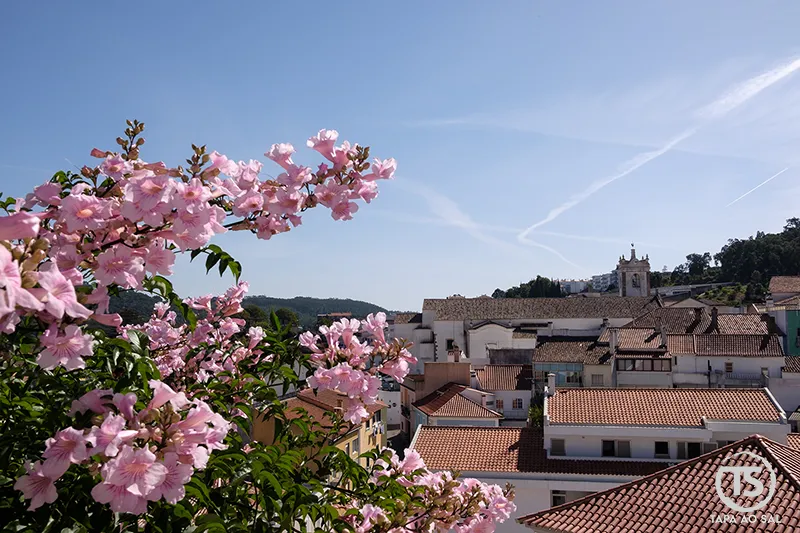
Heading towards Monchique feels like crossing an invisible boundary. The dry heat of the city shifts into cooler, more humid air, and the roads begin to climb slowly through the hills. Trees draw closer to the roadside, casting dense shadows that contrast with the warm tones of Silves.
Monchique offers a green, almost silent pause, where the gaze drifts across wide horizons and natural viewpoints. It becomes a perfect extension for those who wish to experience the inland Algarve more deeply, prolonging the contemplative atmosphere that begins in the historic streets of the city.
Portimão and the meeting with the sea near Silves
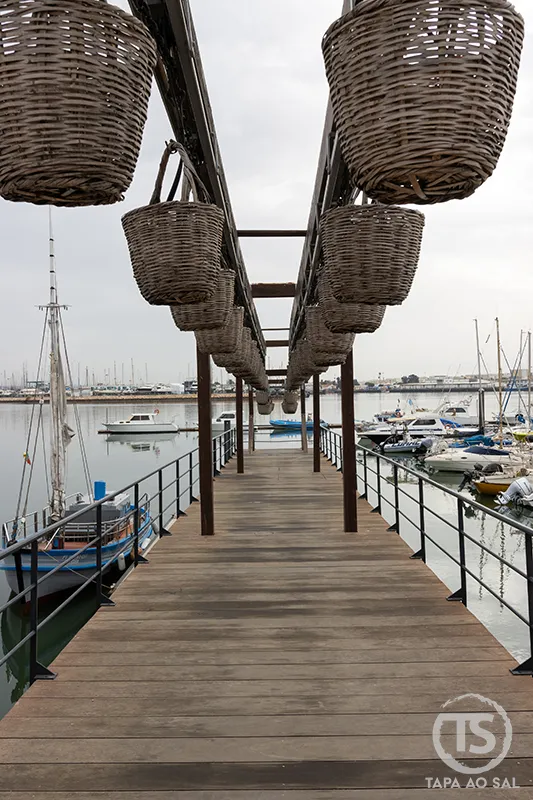
Descending again towards the coast, Portimão appears as an inevitable contrast. The river widens, movement increases, and the scent of the sea begins to fill the air. After the calm of Silves, the energy of the riverside area and the beaches reveals another side of the Algarve.
The connection between the two places feels natural. The history sensed within the walls continues in the relationship with the river Arade, which links the inland landscape to the ocean. For those who enjoy alternating between silence and movement, this combination creates a balanced journey filled with contrasts.
Ferragudo and Carvoeiro between cliffs
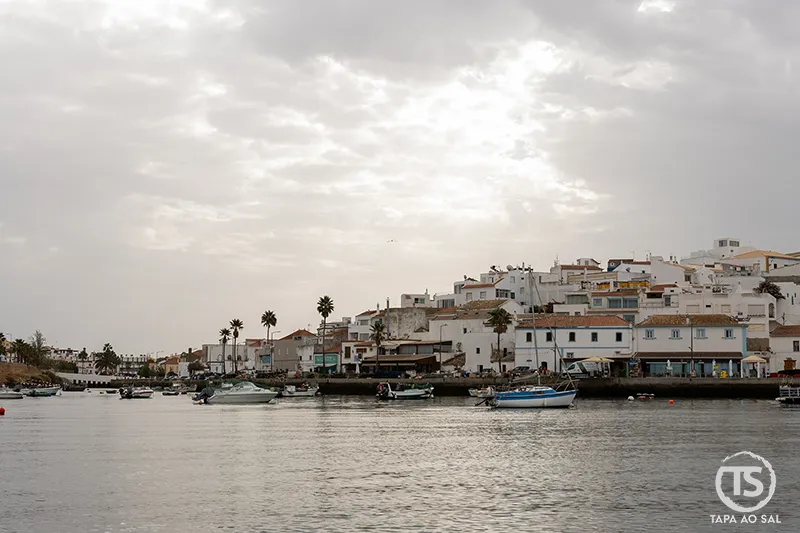
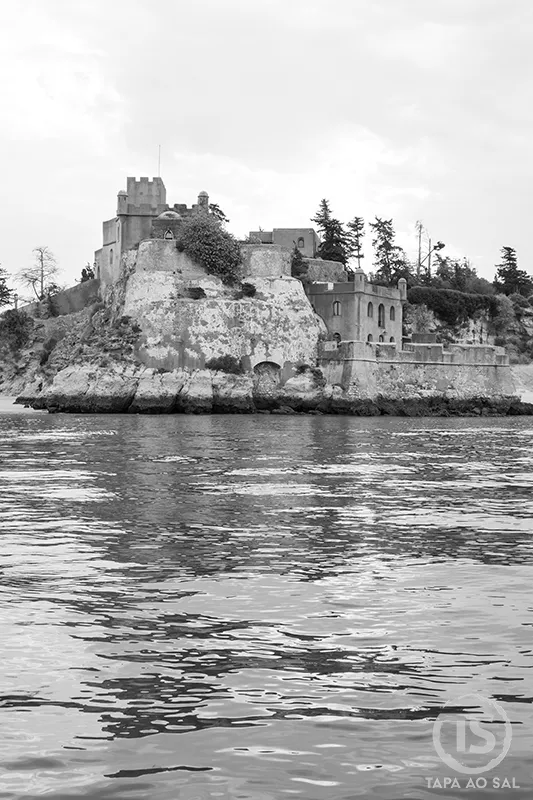
Following the coastline, Ferragudo and Carvoeiro present landscapes shaped by the sea. Sculpted cliffs and small coves bring back the intense light of the Algarve, yet with a more intimate atmosphere than the larger tourist centres.
Ferragudo maintains a human scale that, in some ways, echoes the tranquillity of Silves, while Carvoeiro reveals a more dramatic side of the coast, with walkways suspended above the Atlantic. These detours show how quickly the region transforms, moving from the warm stone of the interior to the deep blue of the sea.
Lagos and the historic Algarve coast
Further west, Lagos adds another historical layer to the journey. The walls by the sea and the traces of maritime expansion create a narrative that complements the Islamic heritage of Silves. Walking through the old streets of Lagos reveals how the Algarve has always been a land of encounters between cultures, routes and landscapes.
Visiting Lagos after exploring Silves allows that historical continuity to be felt. The same sense of a living past emerges again, but now accompanied by the constant sound of the ocean in the background.
In the end, these extensions show that discovering what to visit in Silves can be only the beginning of a larger journey through the Algarve. The city becomes both a starting point and a return, a place where inland and coast meet, and where every road leads towards a new story waiting to unfold.
Things to do in Silves at different moments of the day
There are cities that feel the same at any hour. Silves is not one of them. Light transforms the space, shifts the colours and even changes the way the streets are walked. Observing the city throughout the day feels almost like following a silent narrative, where each moment reveals a new detail — something that becomes clear naturally while discovering Silves without haste.
A calm morning among the walls of Silves
The first hours of the day bring a tranquillity that is difficult to explain. The streets still hold the freshness of the night and the shadows remain long beside the walls. Walking at this time feels like watching the city awaken slowly, with only a few footsteps on the cobblestones and an almost complete silence.
Morning light softens the clay tones, revealing textures that often go unnoticed later. Old doors, small windows and details in the stone become more visible, as if the city were showing itself without filters. It is an ideal moment to explore the historic centre at a gentle pace, allowing the route to lead naturally towards the castle or the Sé.
A warm afternoon through Silves stone streets
As the sun rises higher, Silves changes rhythm. Heat gathers along the walls and the air grows denser, creating an atmosphere that invites you to slow down. The sloping streets feel quieter, and each step becomes more deliberate, almost meditative.
It was during the afternoon that the city revealed a different intensity. Strong light deepened the red of the walls, and the contrast between shadow and brightness created an almost cinematic feeling. Finding a cool corner or a discreet terrace becomes part of the experience, extending the time between one stop and the next along the route.
Sunset over the river Arade in Silves
As the day begins to close, Silves transforms completely. Golden light descends slowly over the river Arade, reflecting on the ancient walls and creating a warm glow that seems to envelop the entire city. Shadows stretch through the streets and the heat softens, making the atmosphere lighter.
It is in this moment that many truly understand what it means to visit Silves. It is not only about monuments, but about the way the city breathes at the end of the day. From the top of the walls or beside the river, the horizon gains a deep calm, almost contemplative. Sound fades, the air cools, and the city seems suspended between past and present.
Staying until sunset turns the visit into a complete experience. It becomes the point where the journey described throughout the article closes in a circle — beginning with history and ending in the light that slowly fades over the walls, leaving only the quiet of the inland Algarve behind.
Conclusion — Silves, a warm pause in the heart of the Algarve
There are places that reveal themselves slowly, as if asking for time to be truly understood. Silves is one of them. Between ancient walls, sloping streets and clay tones that shift with the light, the city teaches a different way of travelling — with less haste and more attention to the details that often go unnoticed.
Throughout the visit, it becomes clear that discovering Silves is not simply about following a route between monuments. It means accepting the rhythm of warm stone, listening to the silence that lingers on every corner and observing how history remains present in each wall. The Islamic heritage is not only a distant chapter; it is an atmosphere that can still be felt in the way the city breathes.
That feeling remained strongest when it was time to leave — the sense that Silves does not compete with the Algarve of beaches, but rather complements it. While the coast moves to the rhythm of the sea, time here seems to stretch, inviting you to stay a little longer, to return to a familiar viewpoint or to walk the same streets again as the light changes.
Perhaps that is why the city feels like a point of balance within the region, a place where inland and coast meet without losing their identity. For those who feel the urge to continue exploring new paths, it is worth following other destinations across Portugal and discovering how each region reveals a different story. And if curiosity grows beyond the Algarve, there is also a broader perspective on what to visit in Portugal — gathering places that share the same desire to travel slowly and with meaning.
In the end, Silves remains a warm pause in the heart of the Algarve. A place where the journey does not end when you leave the walls behind, but continues in memory — like golden light that lingers a little longer before fading beyond the horizon.
Explore more destinations in Portugal
From coastal towns to quiet villages and mountain landscapes, explore travel guides organised by region and continue your journey through Portugal at your own pace.
Image gallery — Silves in tones of clay and history
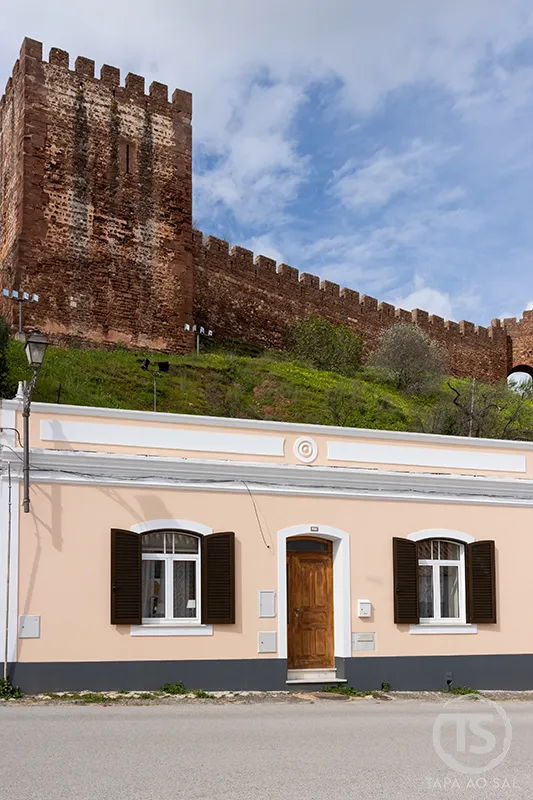
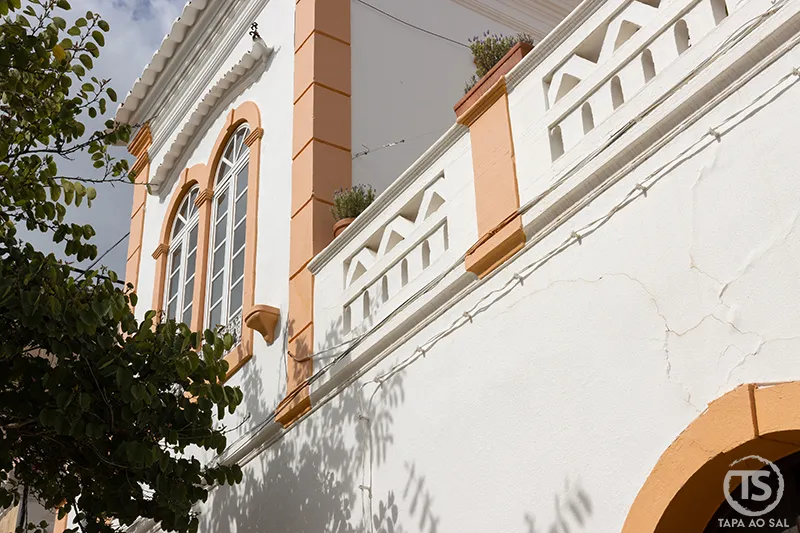
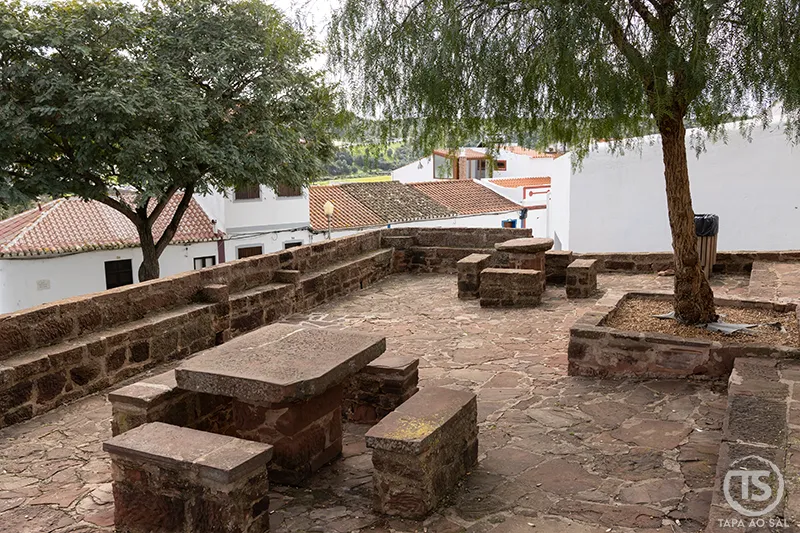
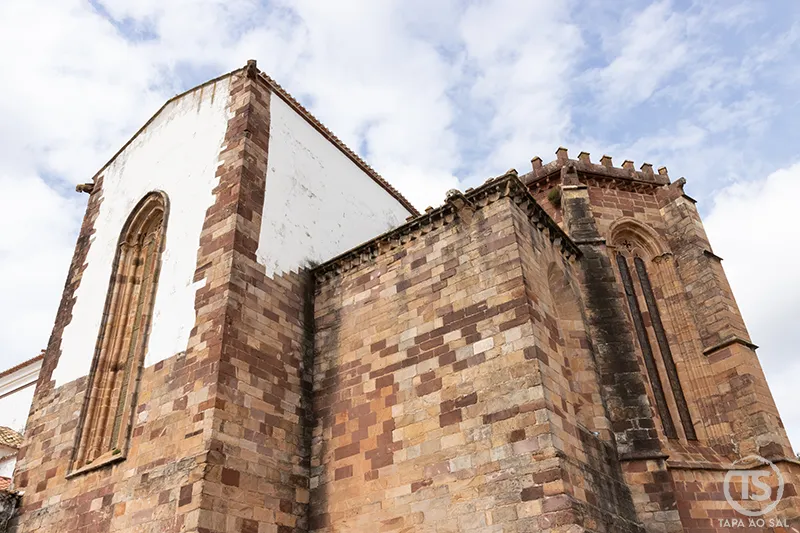
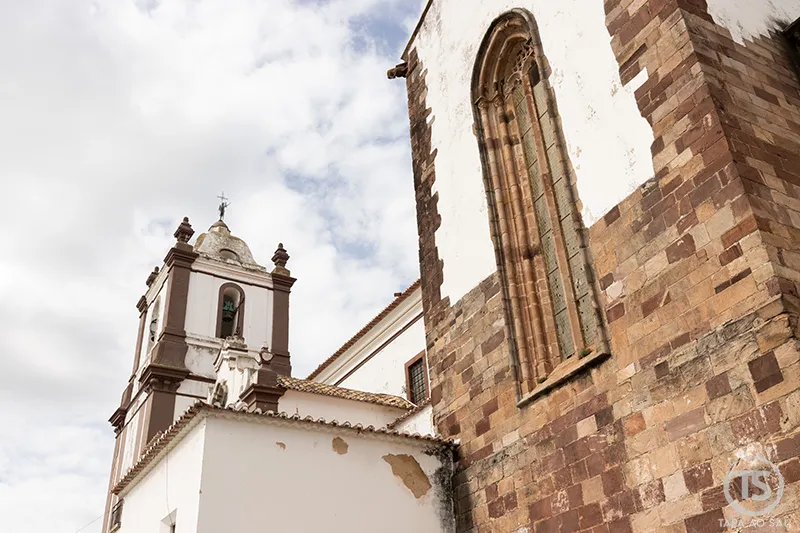
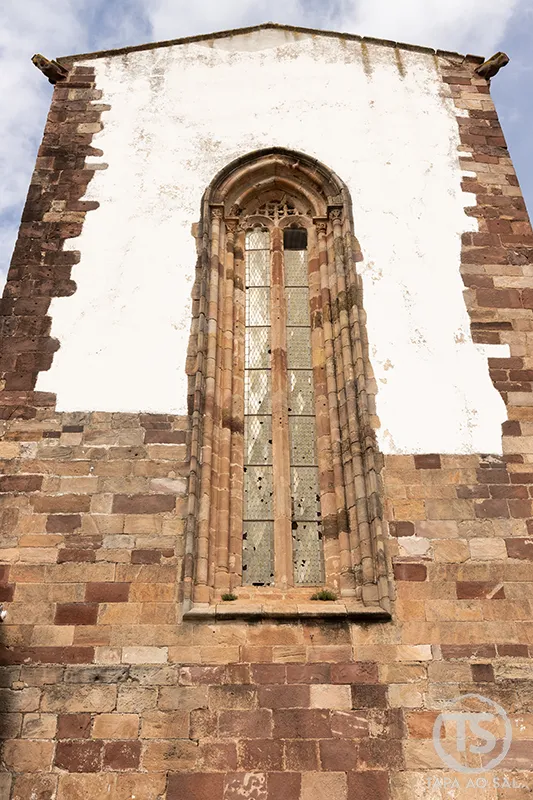
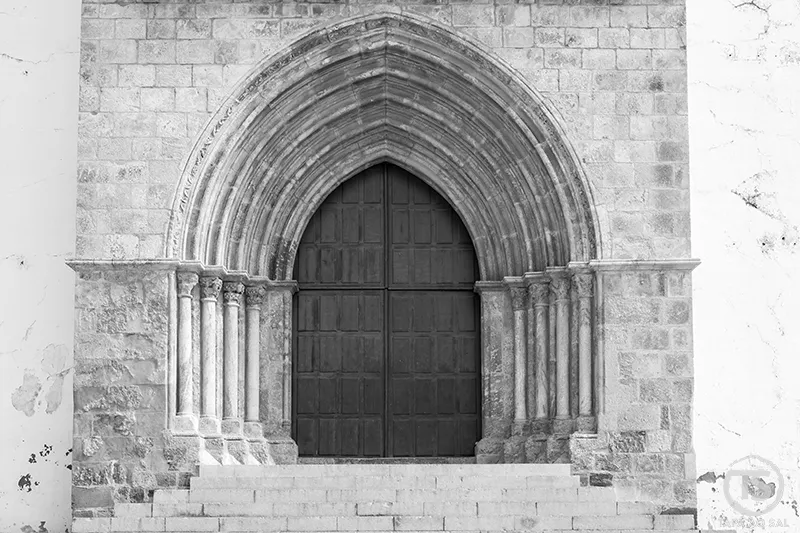
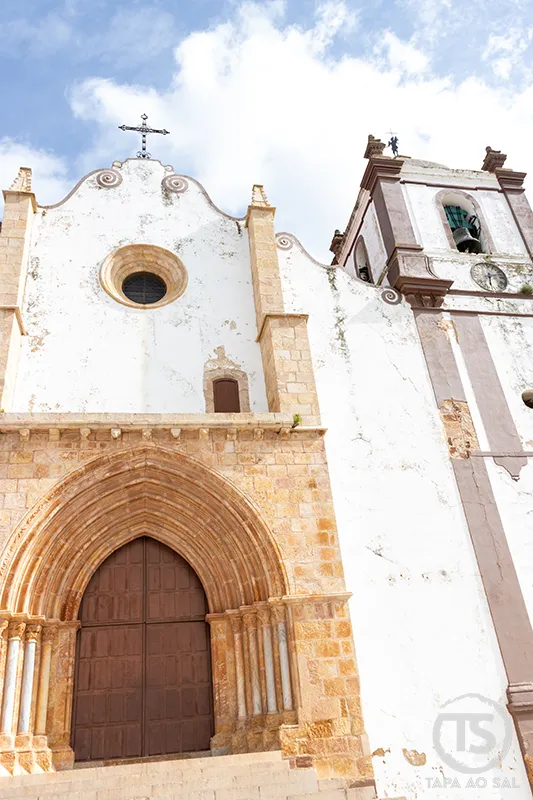
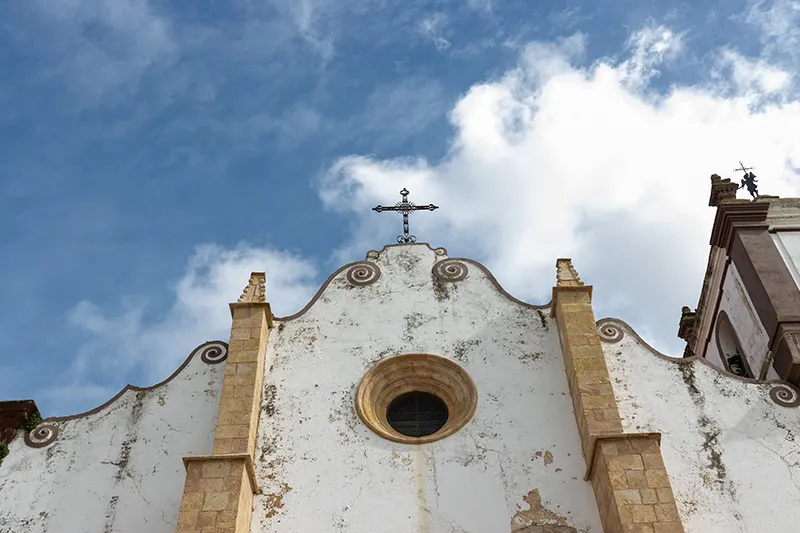
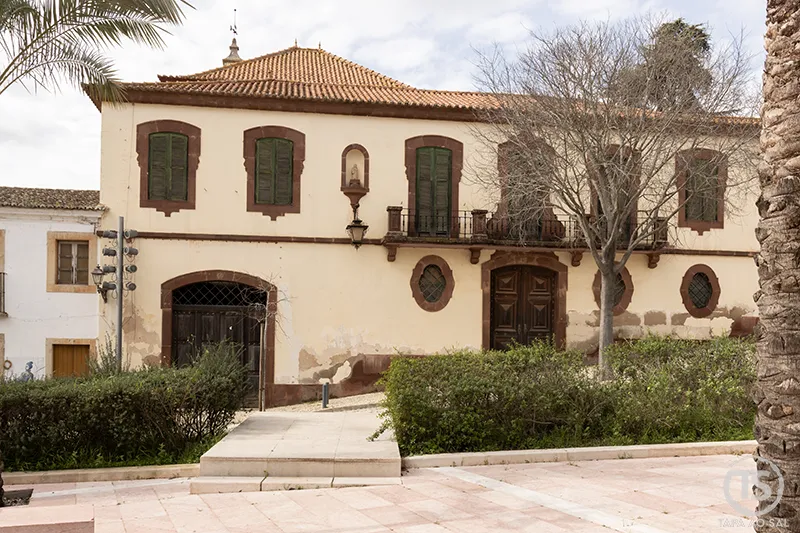
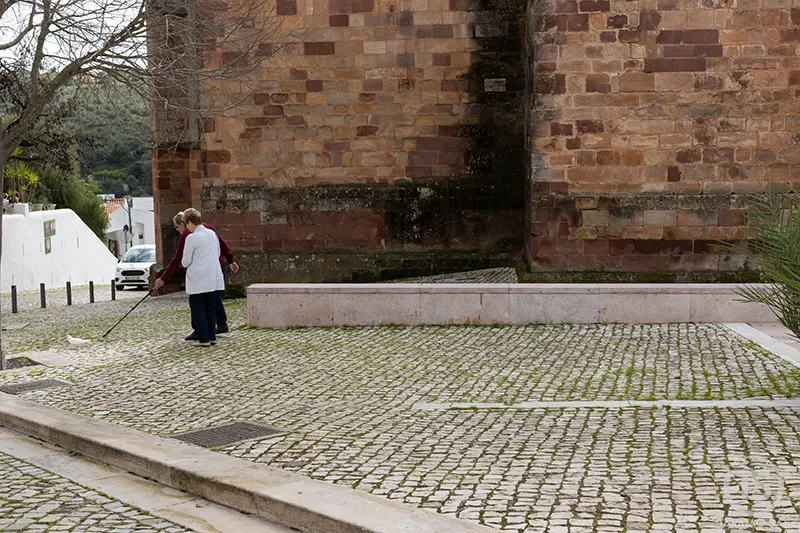
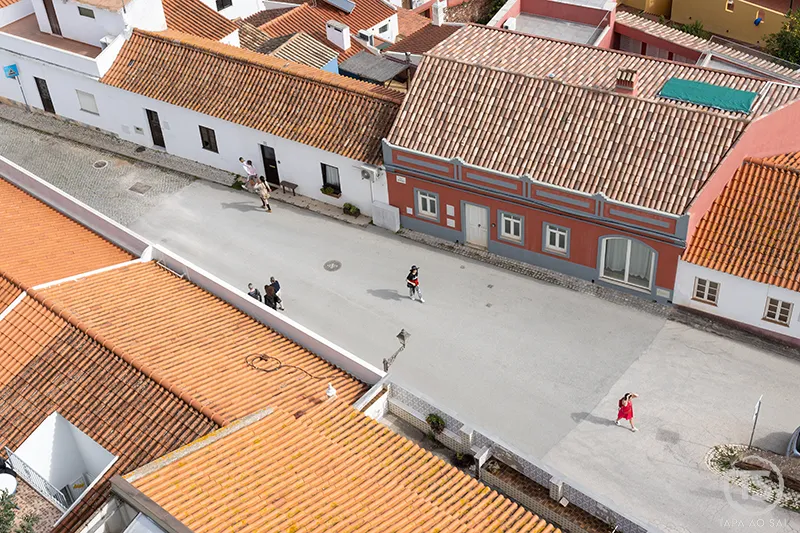
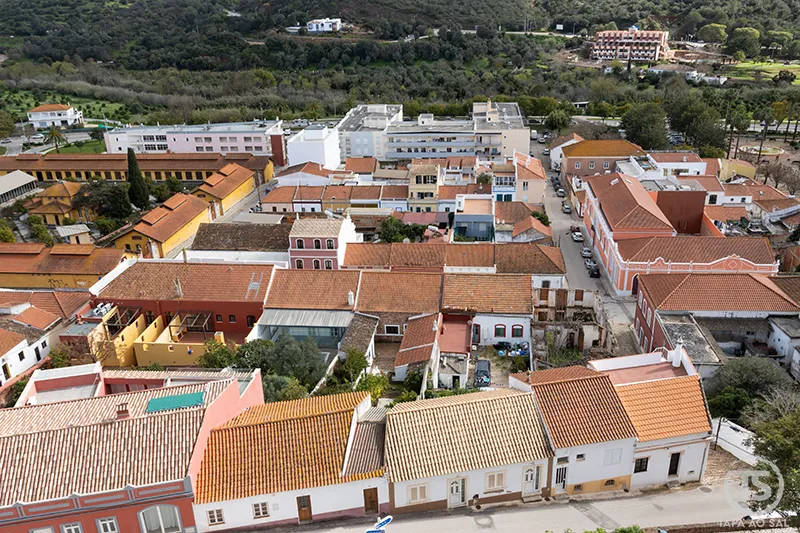
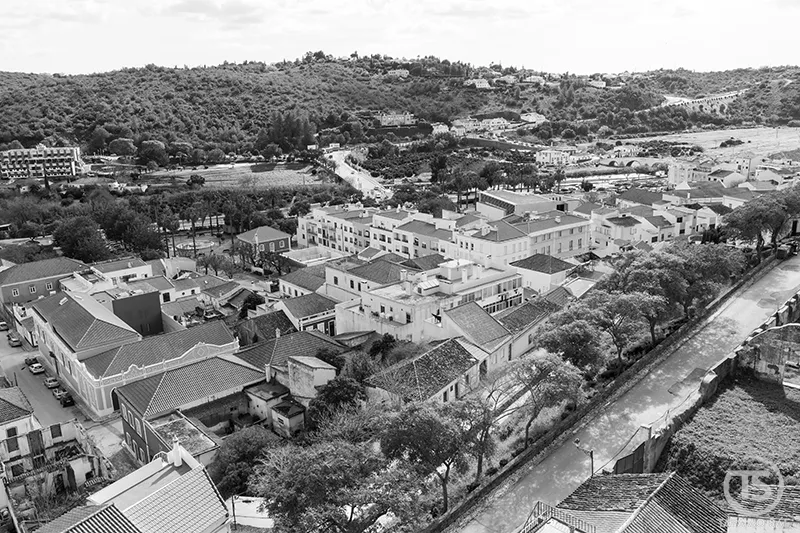
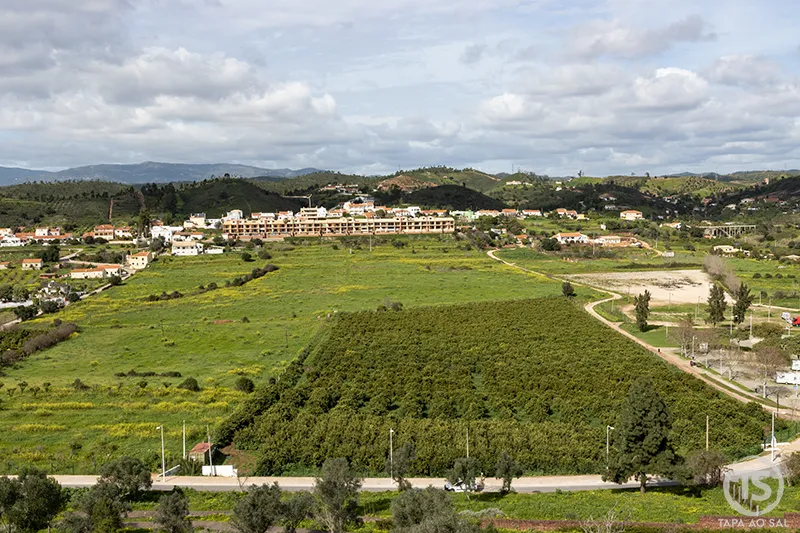
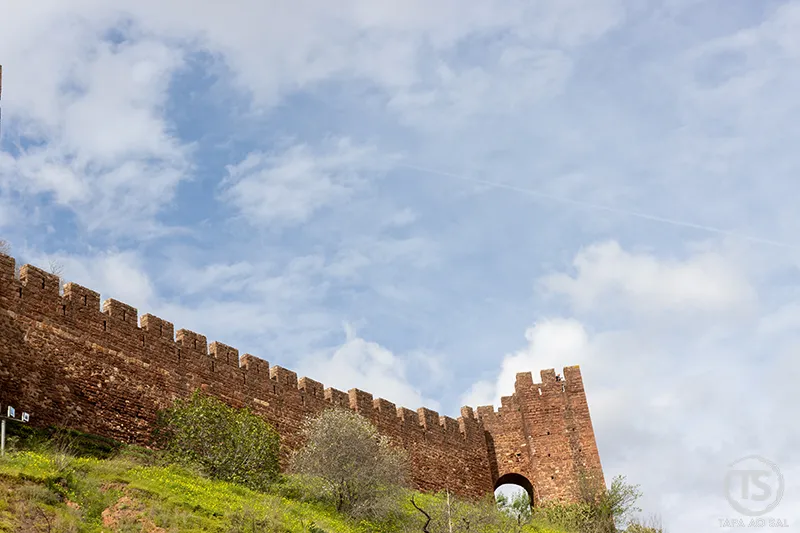
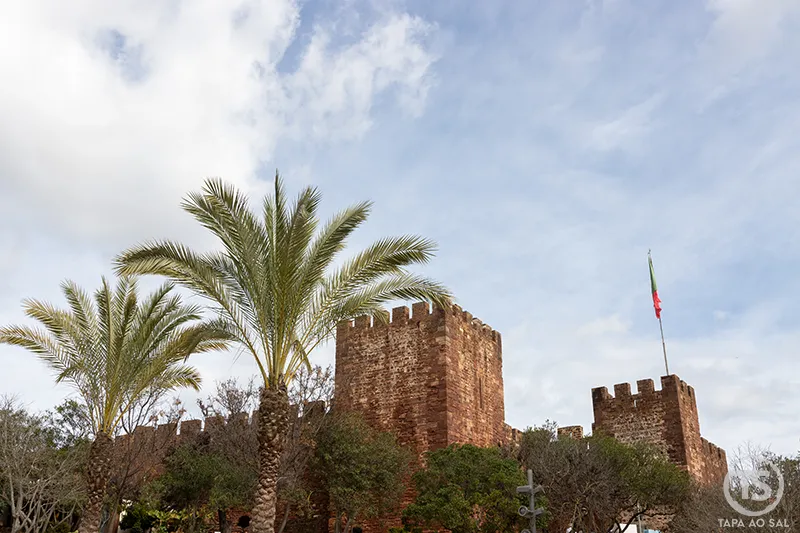
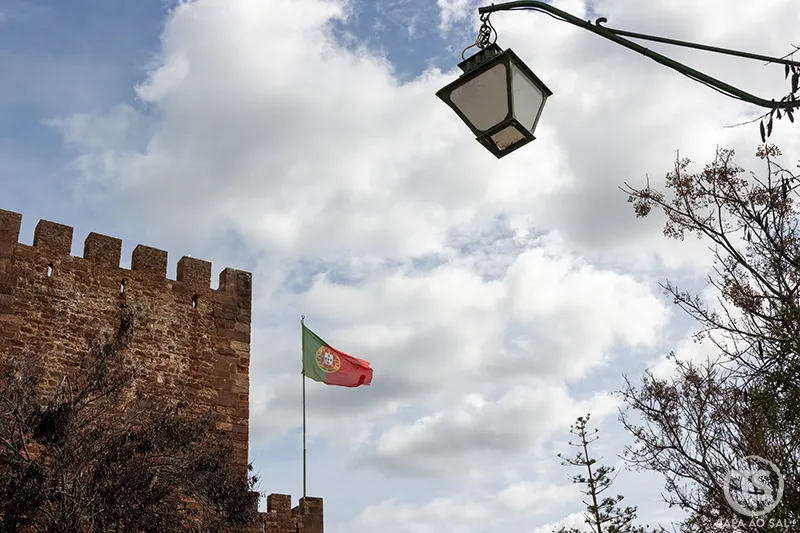
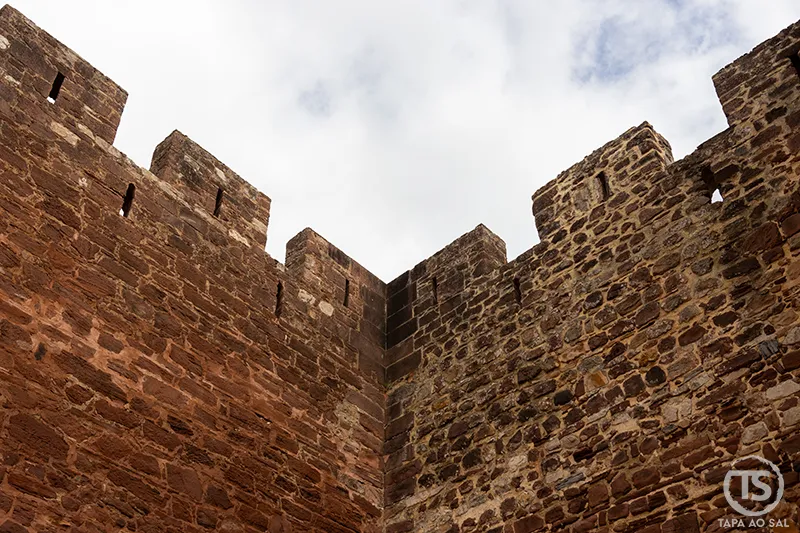
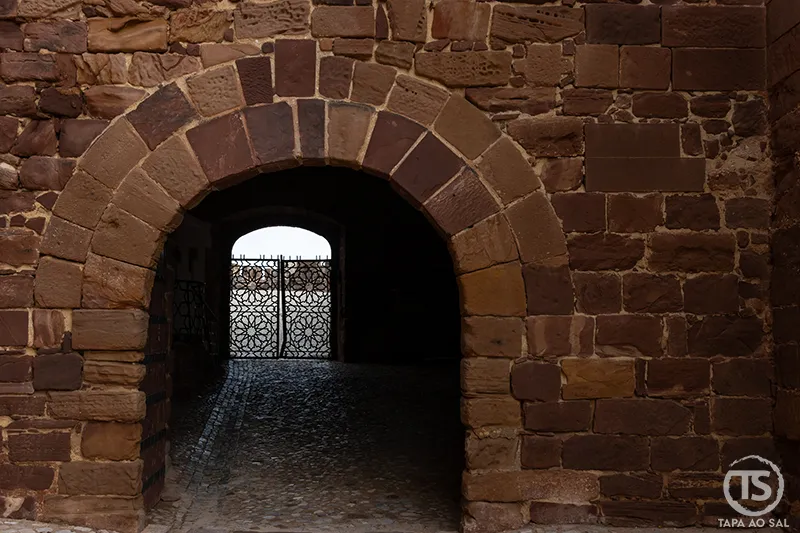
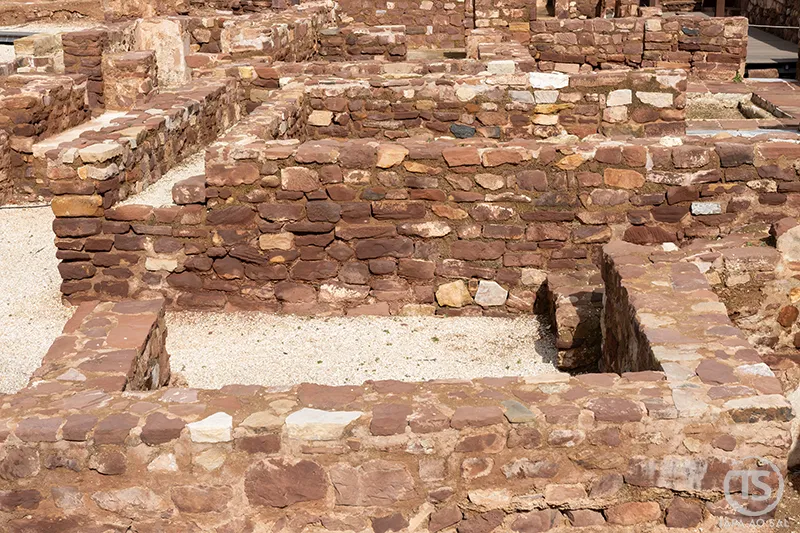
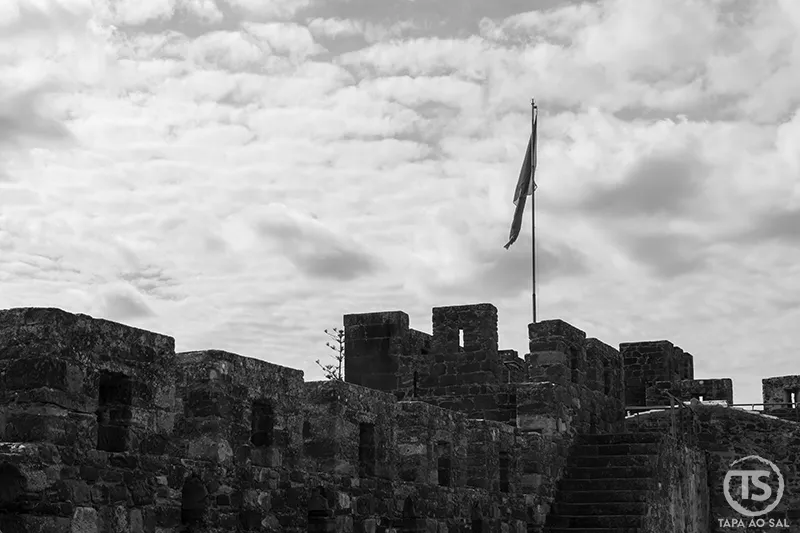
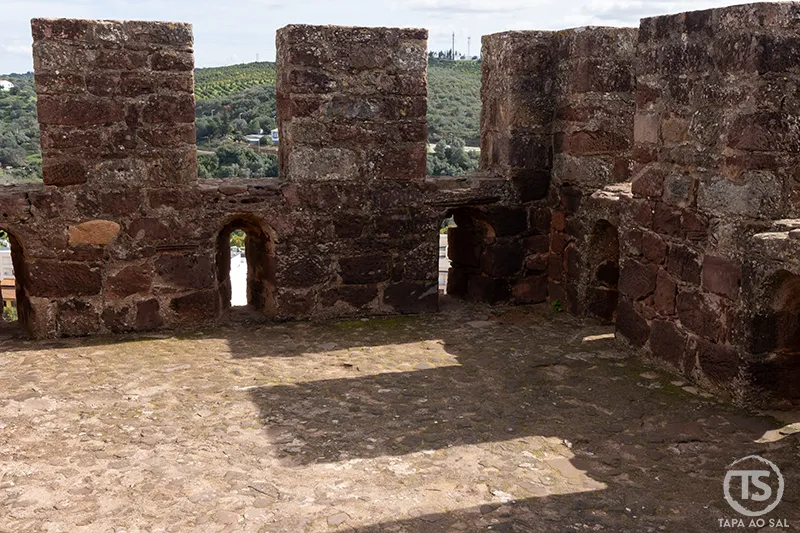
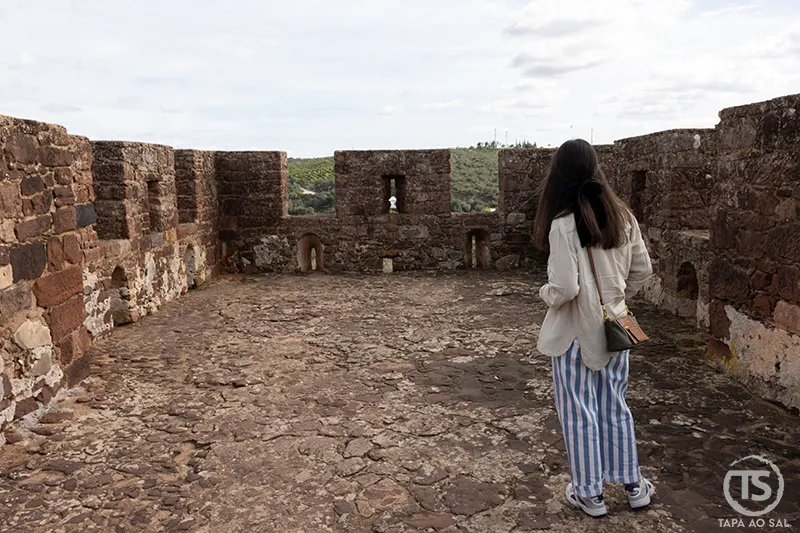
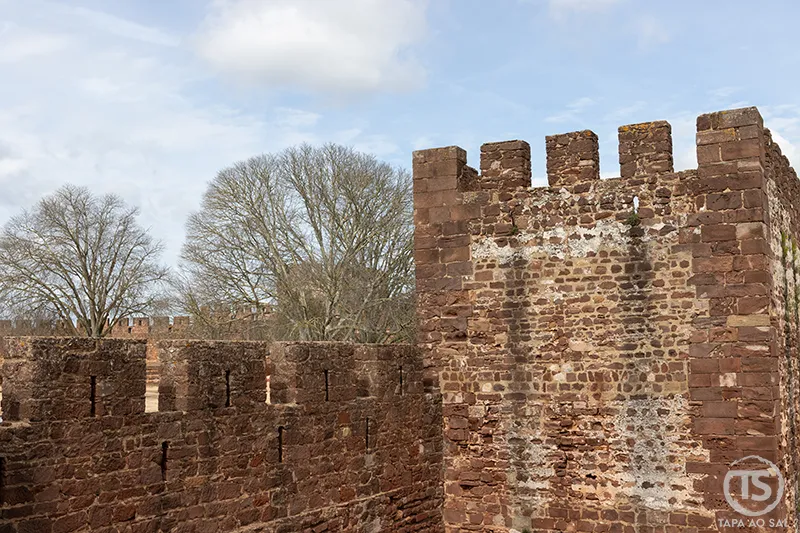
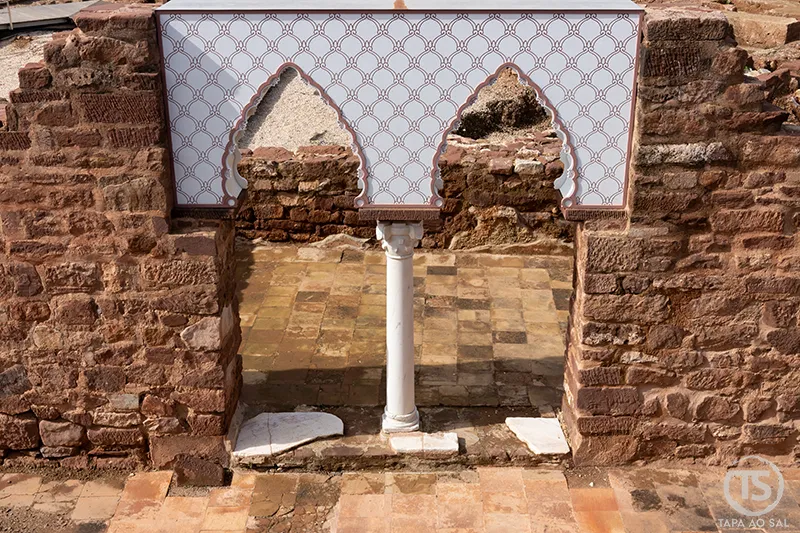
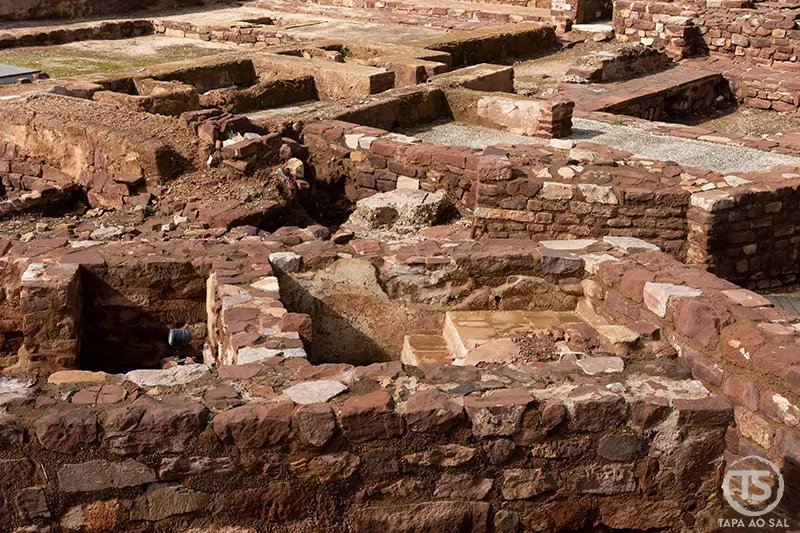
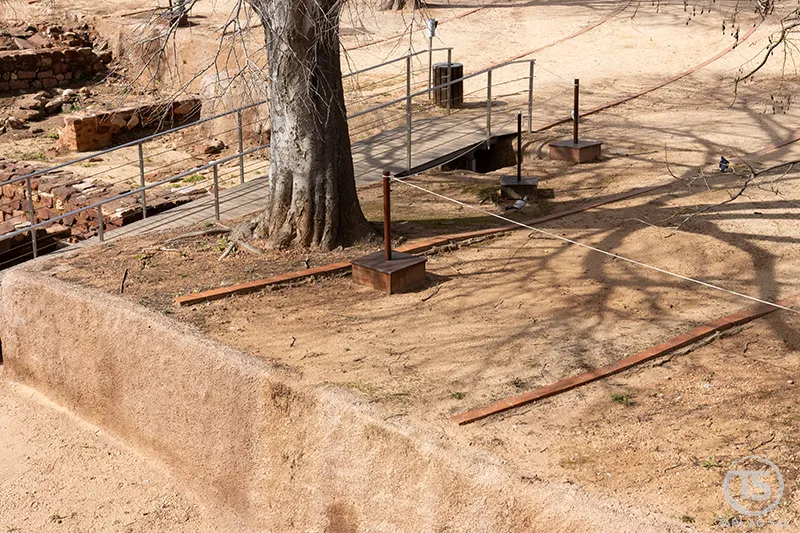
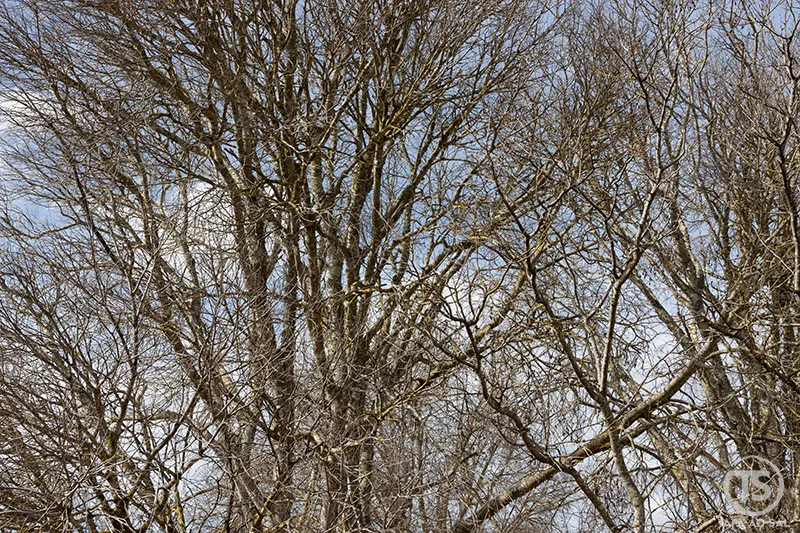
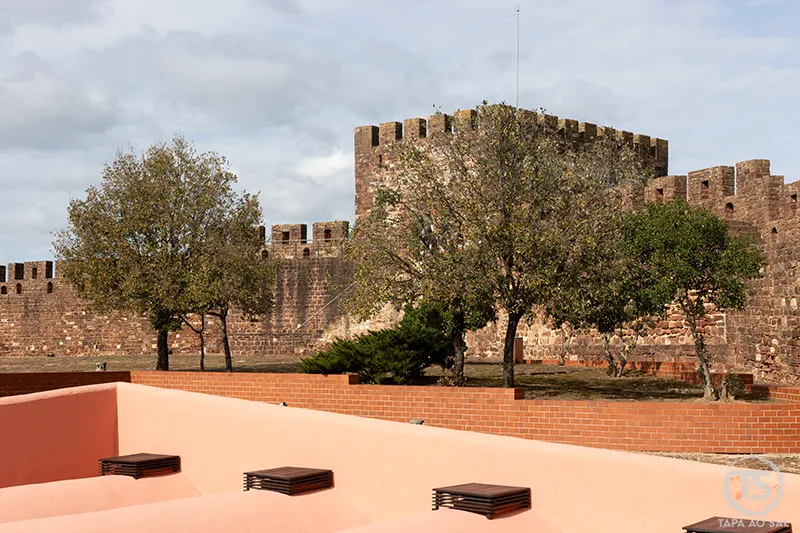
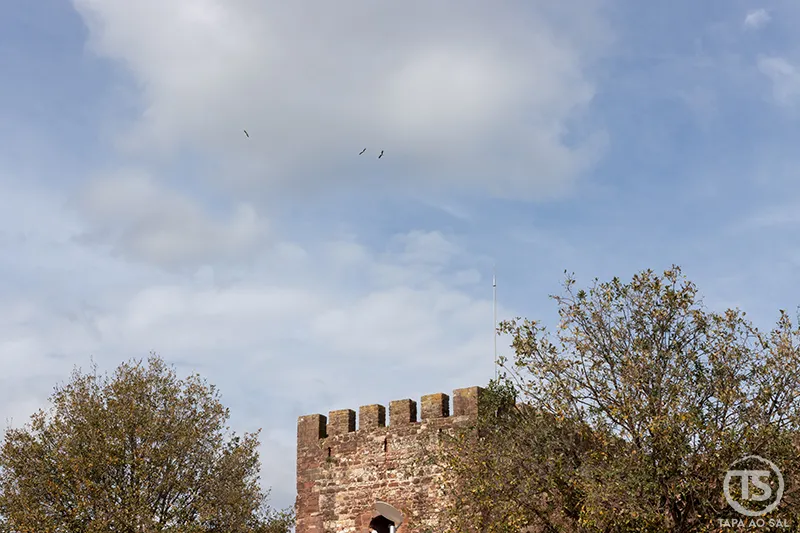
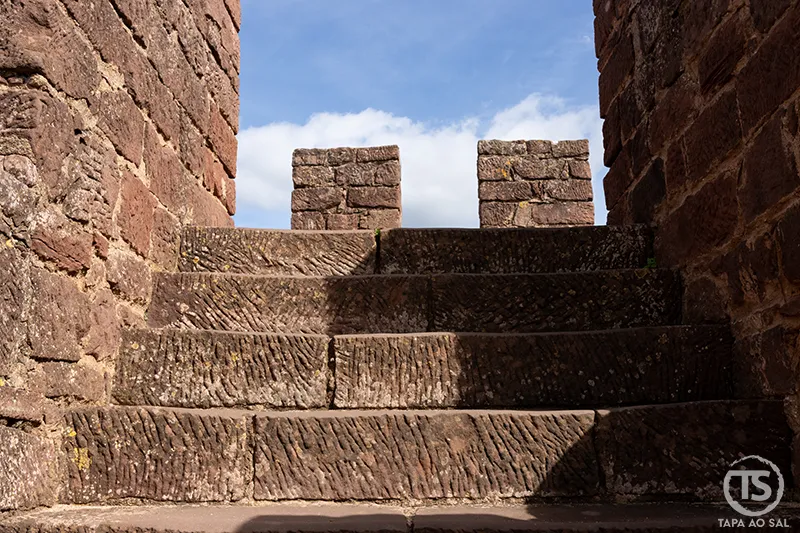
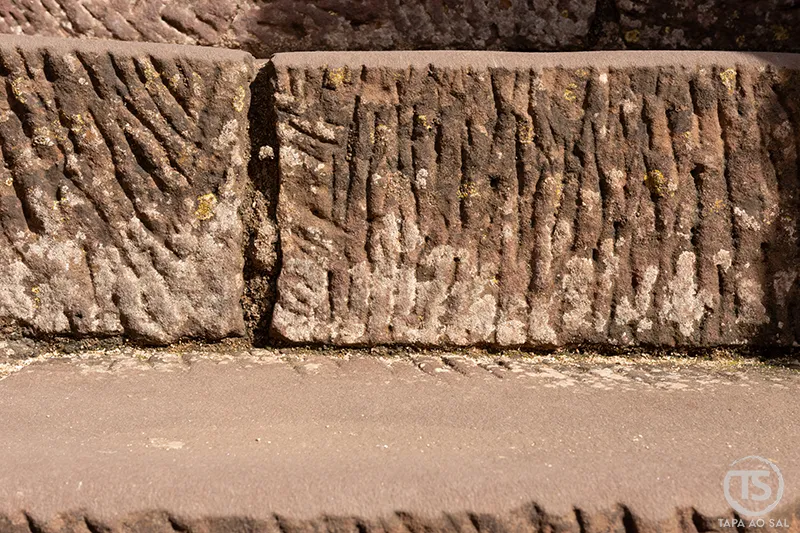
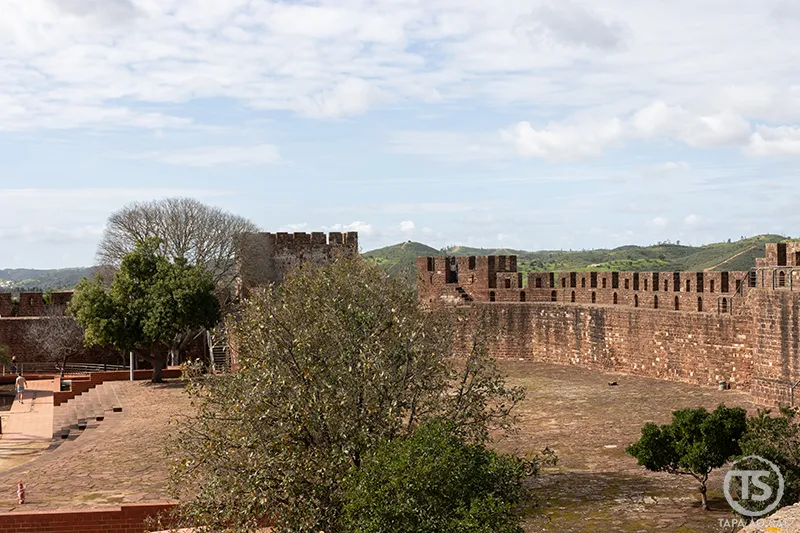
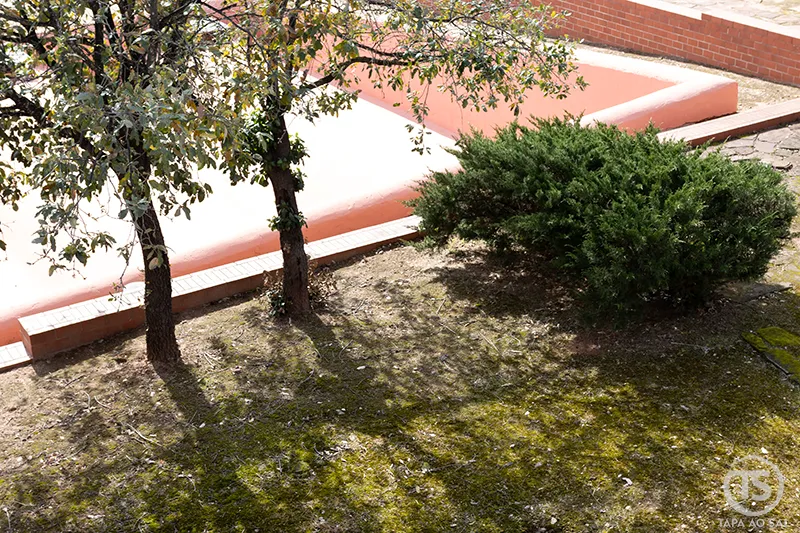
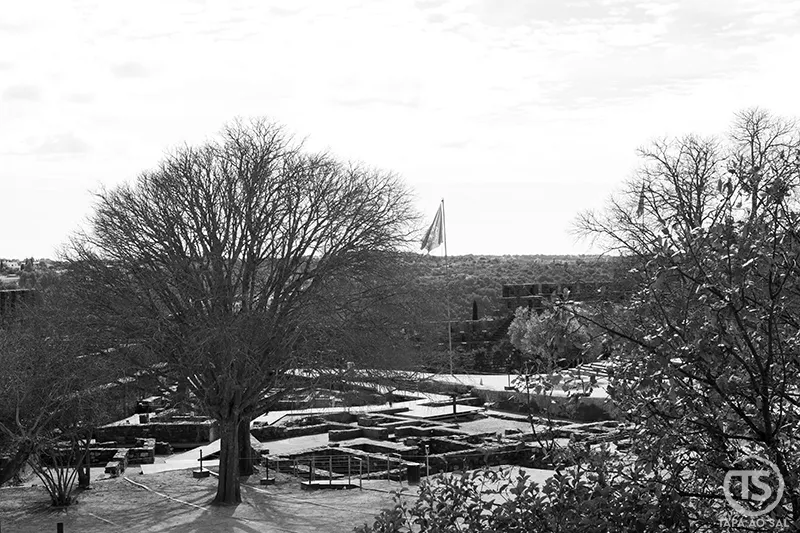
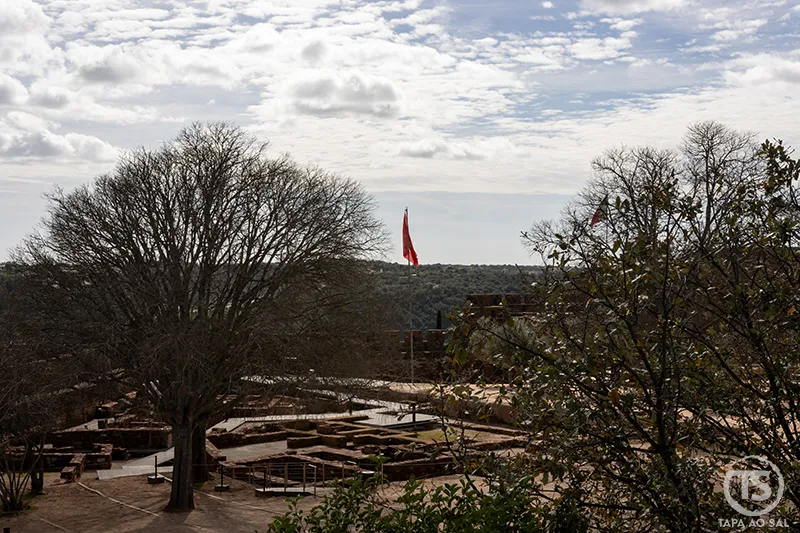
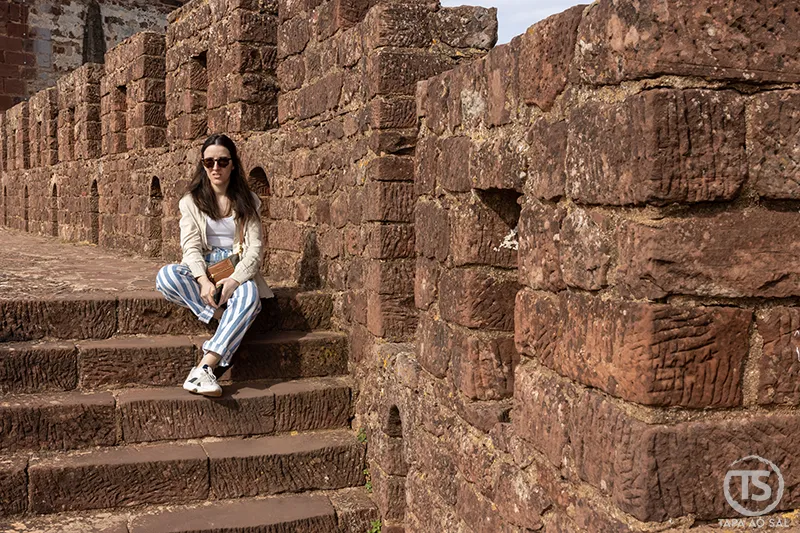
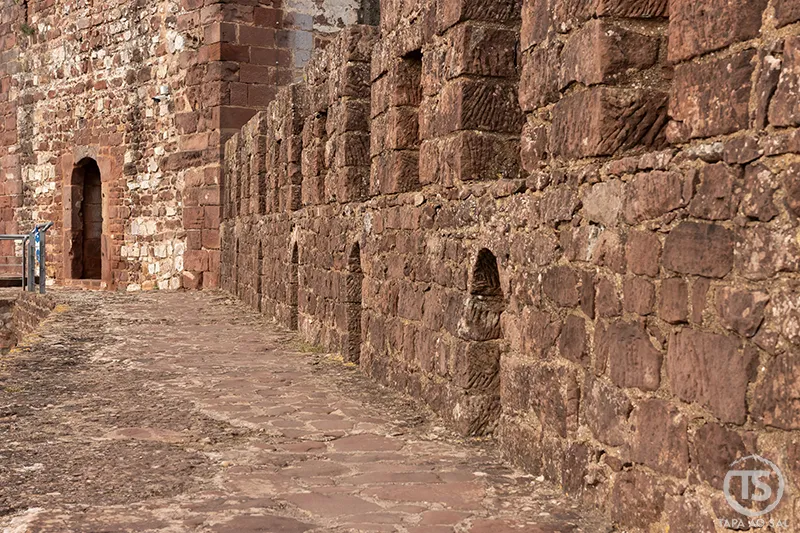
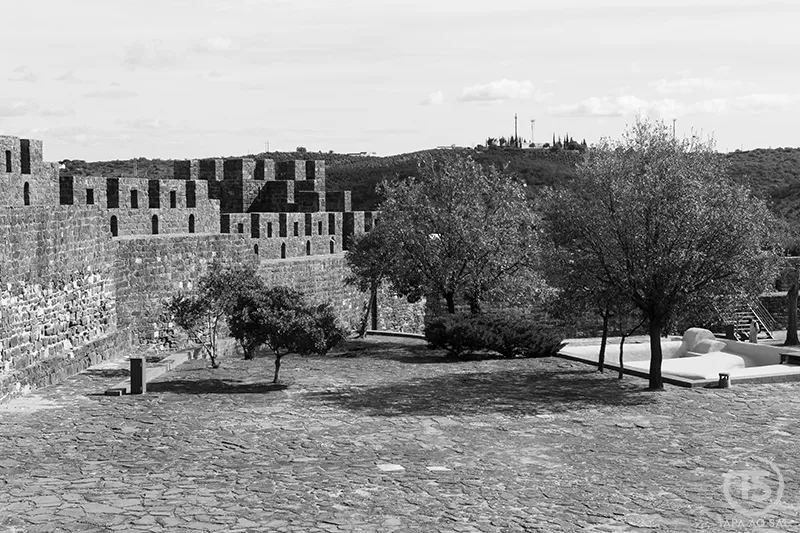
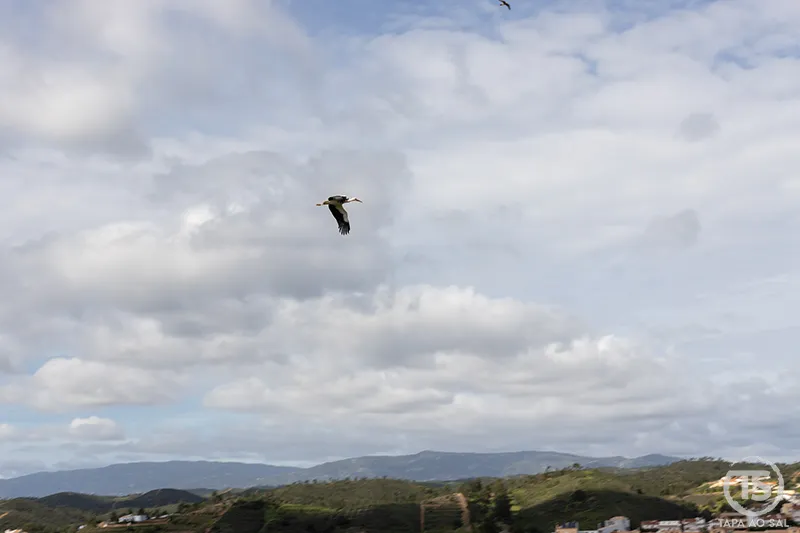
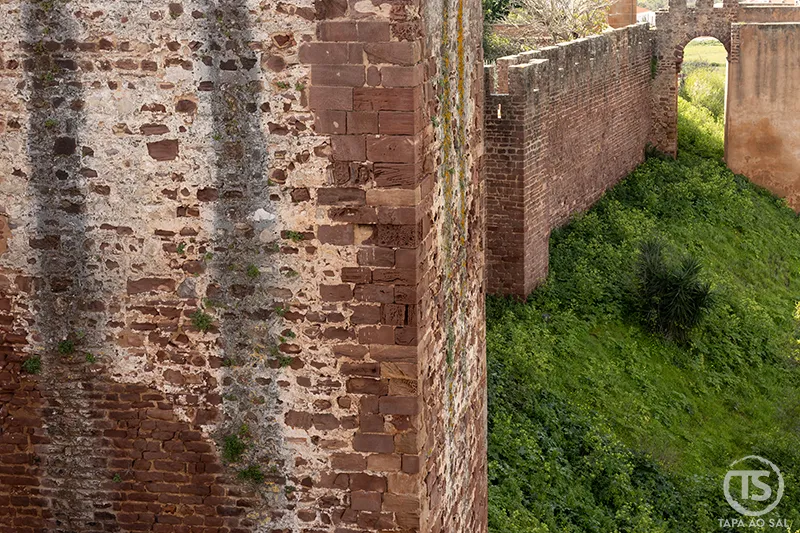
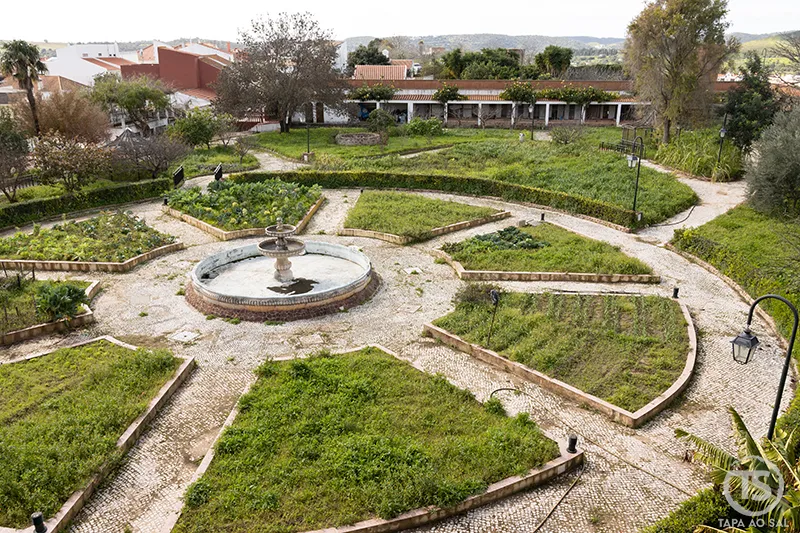
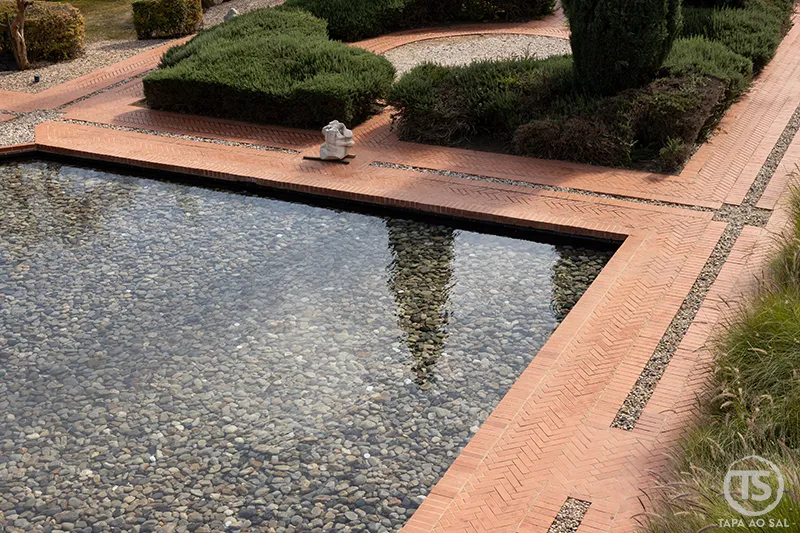
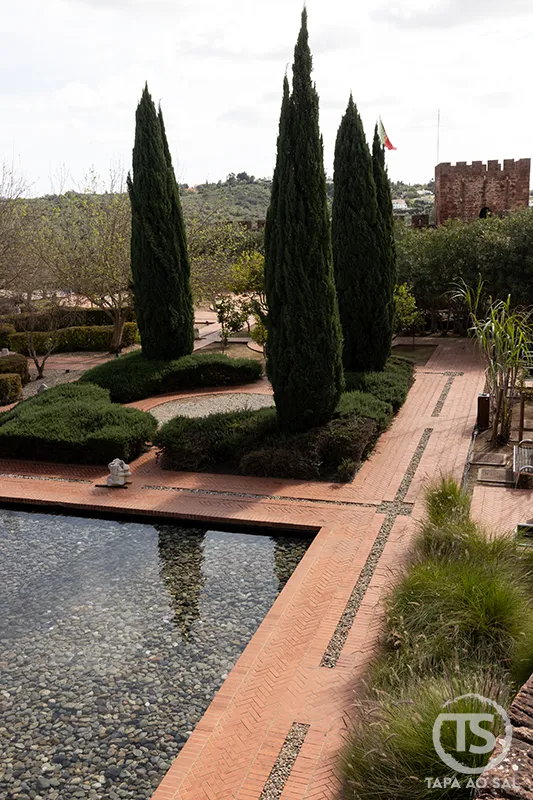
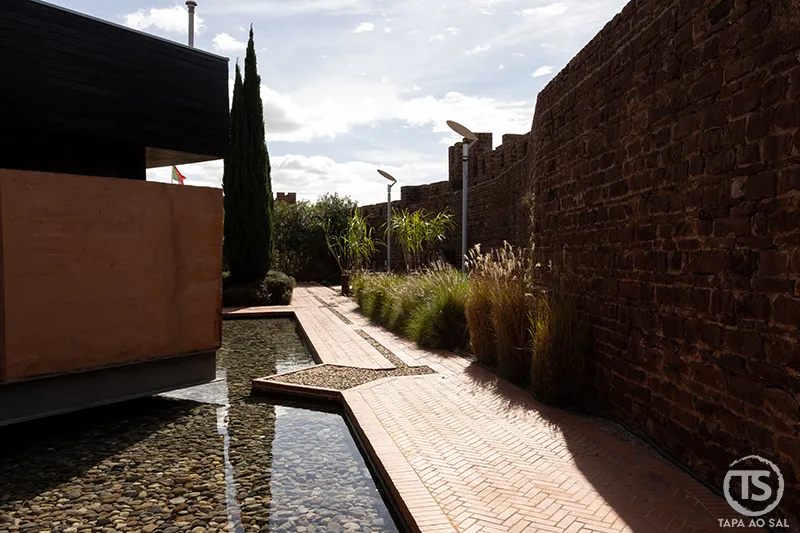
Some cities ask for words; others reveal themselves more clearly through light and observation. The images that follow accompany the journey described throughout this guide and help extend the experience beyond the written text. Between warm walls, quiet streets and soft reflections over the river Arade, each photograph emerges from the same slow rhythm that defines the visit.
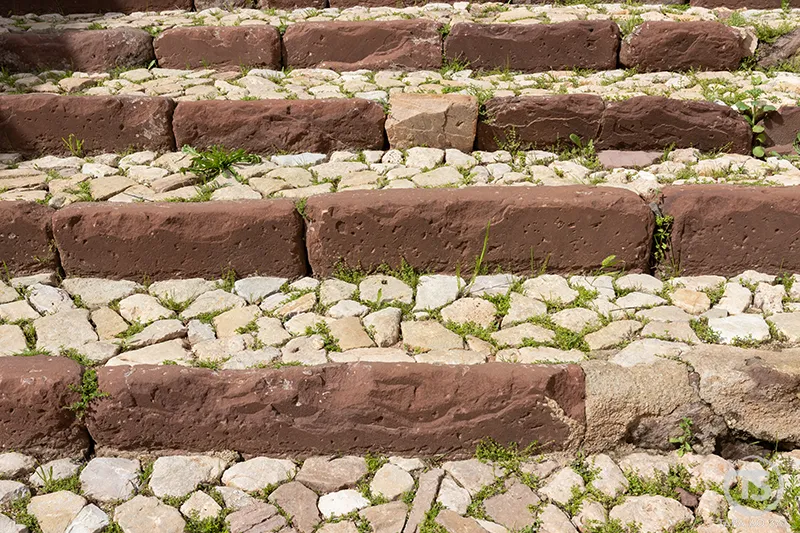
While exploring Silves, there were moments when the simple act of stopping to photograph felt almost inevitable. The way light touched the walls at sunset, the shadows drawing lines across old stairways, or the contrast between the castle and the inland Algarve horizon created scenes that asked for time and attention. More than visual records, these images seek to capture the atmosphere of the city — the feeling of walking slowly, of observing without haste.
The gallery follows the logic of the narrative route described in the article itself. It begins with details from the historic centre, rises towards the open views from the walls, and ends with the softer moments of late afternoon, when the city takes on an almost golden tone. It becomes a way to revisit each stage of the journey while also preparing the eye for the discoveries that may emerge in future visits to Silves.
Below, a selection of images that move through the historic centre, the valley and the landscapes that make Silves so distinct within the Algarve.
Frequently asked questions about things to do in Silves
This section gathers some of the most common questions from those planning to discover Silves for the first time or return with more time to explore. These are practical answers designed to help organise the visit calmly, understand the rhythm of the city and make the most of every moment among ancient walls, historic streets and the landscapes of the inland Algarve.
Is Silves worth visiting?
Yes, especially for those looking for a more historic and tranquil Algarve. The city stands out for its Islamic heritage, its imposing castle and a quiet atmosphere that contrasts with the coastline. It is an ideal stop for travellers who enjoy walking slowly and exploring places with a strong sense of identity.
What to visit in Silves in one day?
In one day it is possible to explore the historic centre on foot, visit Castelo de Silves, the Sé and the Museu Municipal, and discover natural viewpoints overlooking the Arade valley. Set aside time simply to walk through the sloping streets, as this is where the true essence of the city reveals itself.
Where to park in Silves?
The most practical areas are near the river Arade or along the main avenues before the climb towards the historic centre. From there, it is best to continue on foot, as the old streets are narrow and designed for a slower pace.
Is Silves a good base for exploring the inland Algarve?
Yes. Its location makes it easy to connect with the hills of Monchique, the coastline between Portimão and Carvoeiro, or even Lagos. It is a strategic point for those who want to balance nature, history and sea within the same journey.
What is the best time to visit Castelo de Silves?
Early morning or late afternoon are the most pleasant moments, when the light enhances the reddish tones of the stone and the heat is softer. At sunset, the views over the inland Algarve become especially memorable, creating a unique atmosphere along the walls.
Share your experience… inspire others to discover Silves.
Did you feel the gentle warmth of the walls at the end of the day, the contrast between the red stone and the green Arade valley, or the silence that settles when the streets begin to empty? Silves reveals itself in layers — between Islamic heritage, golden light and paths that invite you to walk slowly.
Tell us in the comments how your experience in Silves was. A walk through the sloping streets of the historic centre, the climb to the castle, a quiet moment by the river or a sunset watched from the walls — your perspective can help other travellers discover the city beyond the obvious.
If this guide inspired you to leave, or to return, share it with those looking for a more authentic Algarve. A place where time slows down and every detail becomes part of the journey.
Silves is not visited in a rush. It is lived.
This article may contain affiliate links. If you make a booking through one of these links, Tapa ao Sal may receive a small commission at no extra cost to you.
Thank you for supporting this independent project, created with time, care and respect for each place — just like the best way to discover Silves.